
Theirs Is the Glory
Date: 1946
Director: Brian Desmond Hurst
Production Company: The Rank Organisation, Army Film and Photographic Unit (APFU)
Stars: Stanley Maxted, Alan Wood, Lieutenant Hugh Ashmore, Major CFH 'Freddie' Gough, Major Richard 'Dickie' Lonsdale, Mrs Kate ter Horst and many others
Location(s): Gelderland (Netherlands), Province of Antwerp (Belgium)
Region(s): Netherlands, Rest Of The World
Storyline:
One year after the Battle of Arnhem, men from the Airborne Regiment returned to the city to film a re-enactment of the original operation using the original locations. Shot without actors, the film follows the fortunes of the Airborne Regiment from the landings on 17th September, through the desperate struggle to hold the bridge, to the withdrawal on 25th September 1944.
Additional Information:
Screen captures by Phil Bailey
Many of the locations would be completely unidentifiable without the wealth of information in the Gelderland Archives (https://www.geldersarchief.nl) and the local history website for Renkum (http://www.heemkunderenkum.nl). Masses of data about the people and the timeline at the Pegasus Archive (http://www.pegasusarchive.org).
A beautiful 3D recreation of the area around the bridge as it was before the battle at https://youtu.be/eTWbMUpMEj8 clarifies the locations of buildings used by the British forces.


As an Amazon Associate, we earn from qualifying purchases.
Can you help:
If you have any information regarding this production, the locations or, even better, some comparison shots please contact us. Images submitted must be in Landscape orientation, as would be seen on the cinema screen, not Portrait.
We are aware that there are films on the site that were added when the criteria for the inclusion of locations was very different from today and, as a result, there may be scenes missing from some productions. Please do not forward additional screen captures to us but bring the detail to our attention, for we do, and are, 're-addressing' these older entries as time allows.
- Capture 1
- 17 Sep 2019
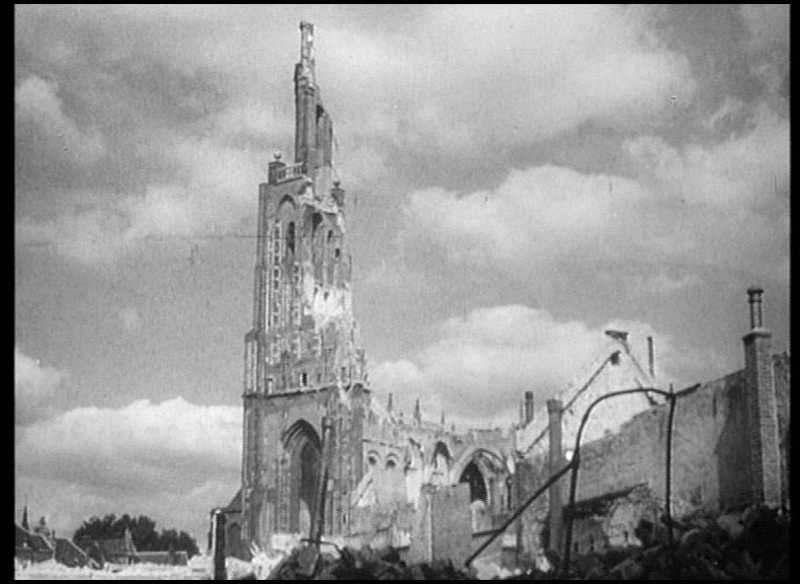
Establishing shots show Arnhem in Gelderland reduced to ruins after the battle. This is the shell of the Eusebiuskerk (Grote Kerk), viewed from the southwest.
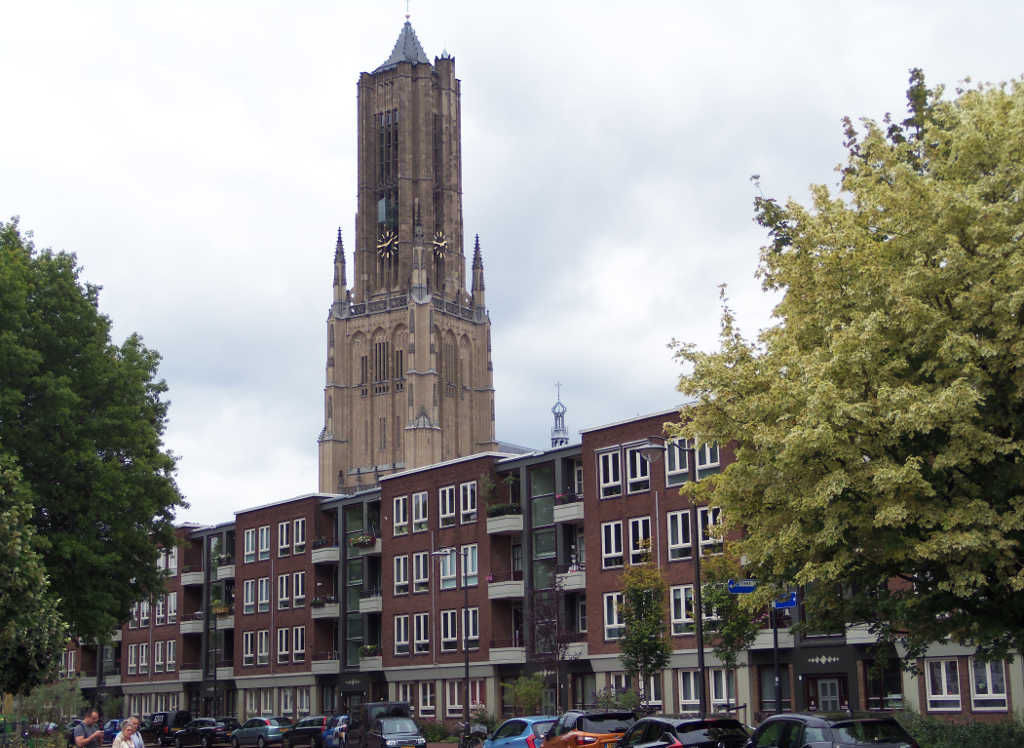
The view from Rodenburgstraat shows modern buildings in front of the restored church.
- Capture 2
- 17 Sep 2019
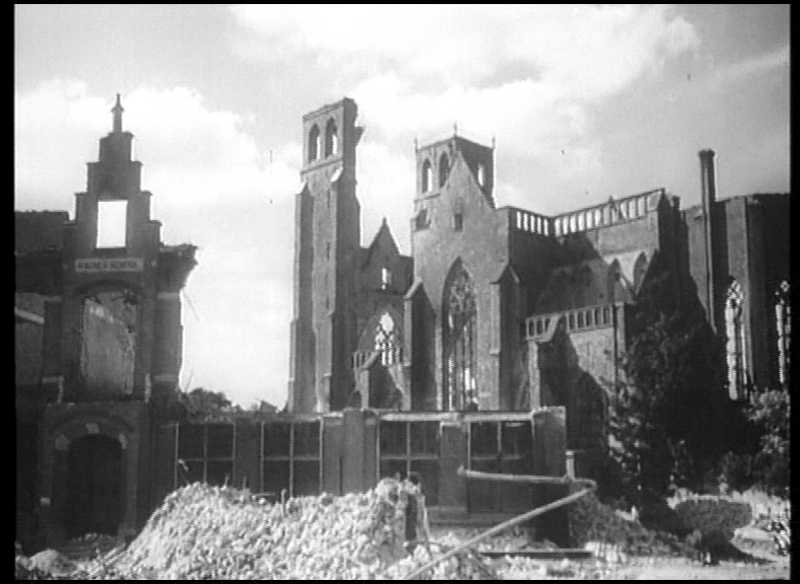
The Walburgiskerk, burnt out and with its twin towers severely damaged. In the foreground, to the left of the shot, a stepped gable of the Saint Agnes School still stands above the rubble.
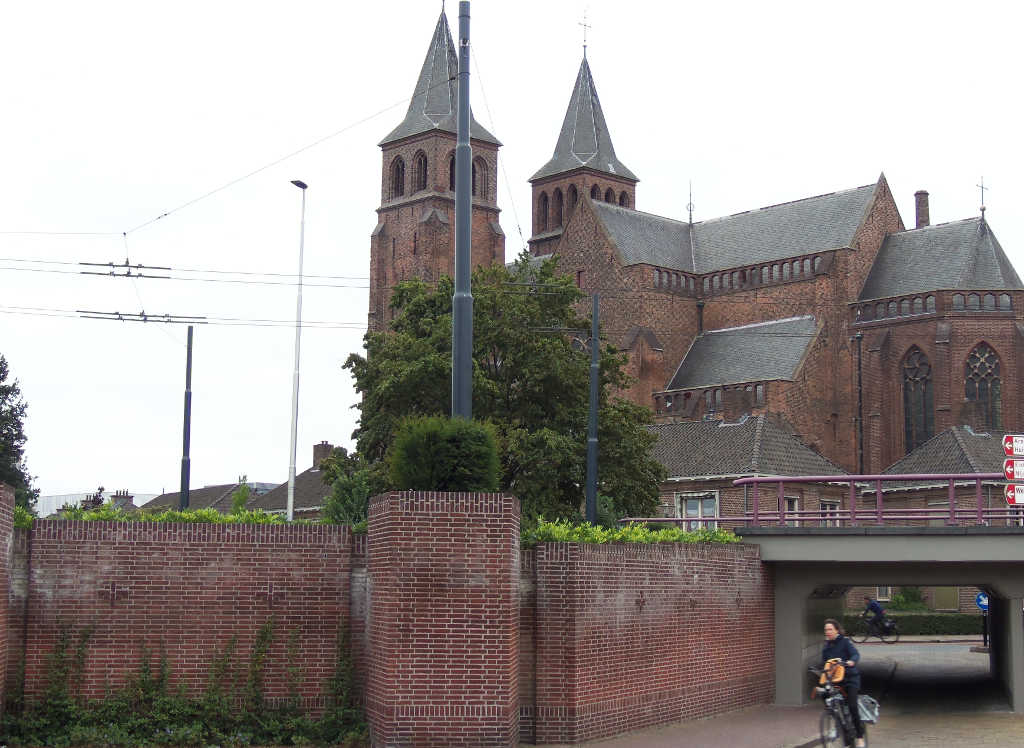
This church, too has survived. A view from Airborneplein, close to the Airborne monument.
- Capture 3
- 17 Sep 2019
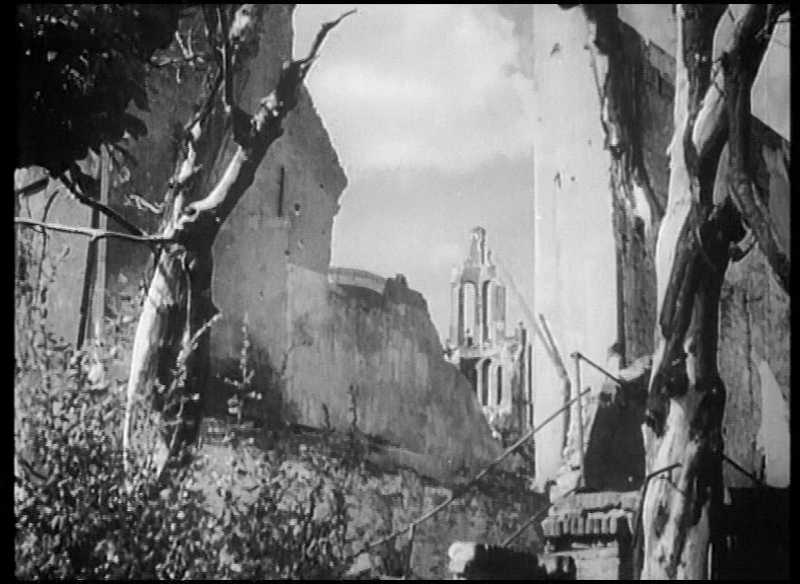
The tower of the Grote Kerk, seen from the southeast through ruins.
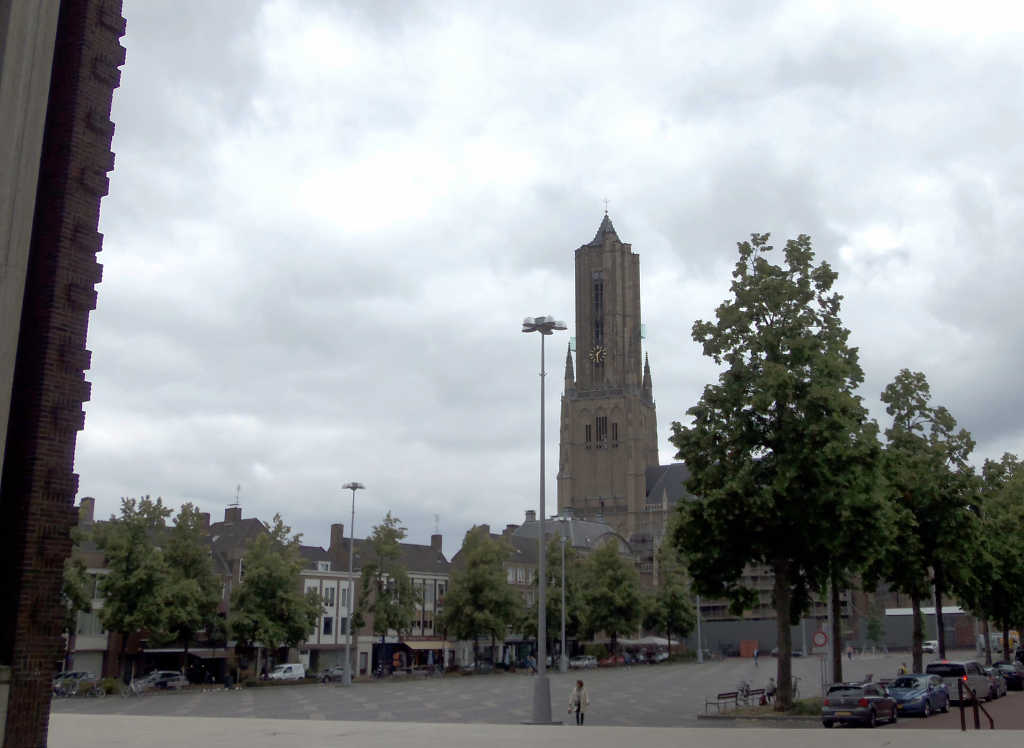
The original viewpoint is from a garden in Hofstraat, which has since disappeared under the buildings in Prinsenhof; this view is from the southeast corner of Markt, with the corner of the Gelderland provincial government building visible on the left of the shot.
- Capture 4
- 'Now' required
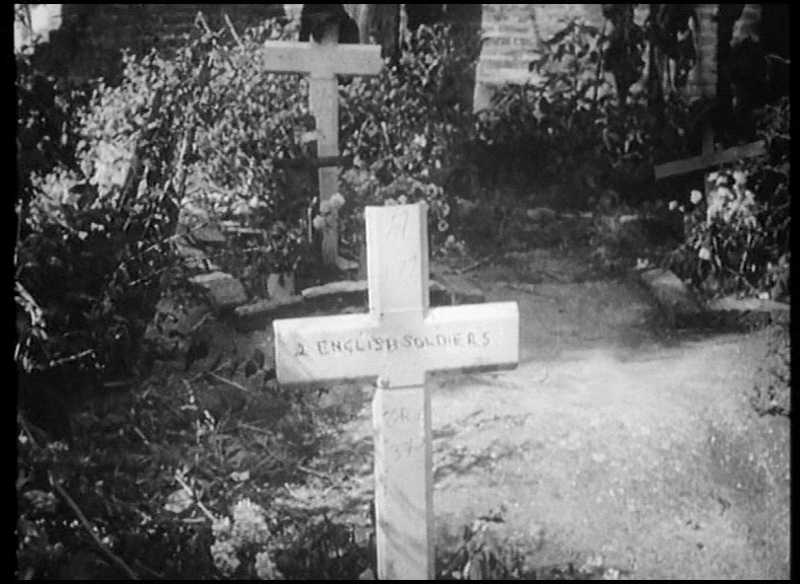
The camera pans down to the temporary graves of English soldiers.
- Capture 5
- 17 Sep 2019
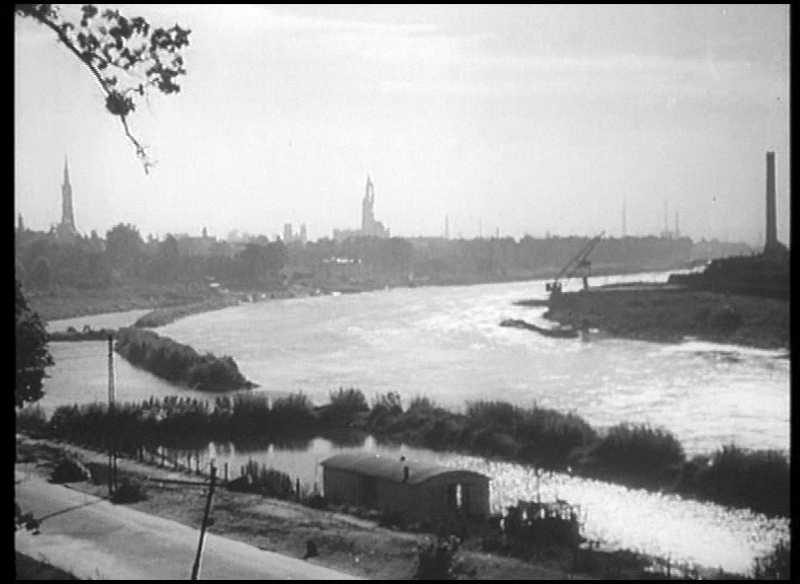
A view of the river from the high ground to the west, with the tower of the Grote Kerk in the centre. On the left is the tower of the St. Martinus church in Steenstraat.
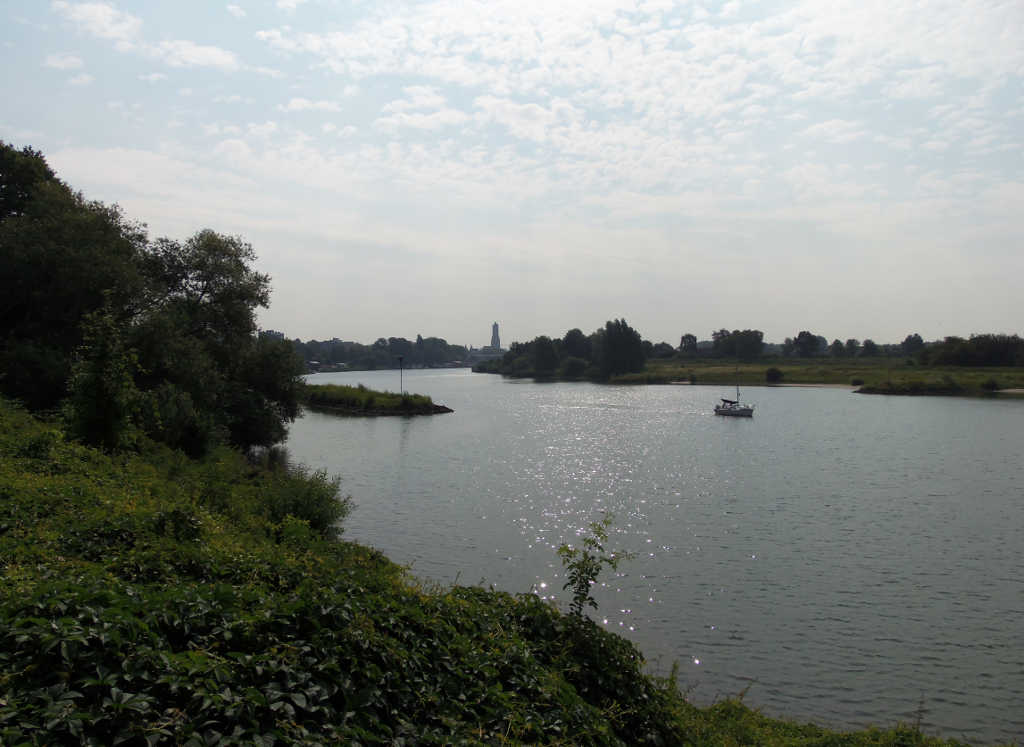
The original view may well be from the upper floors of the Sint Elisabeth hospital, but at ground level, tree growth has obscured the view entirely. This view is from the river bank behind the Arnhem Rijnhotel.
- Capture 6
- 17 Sep 2019
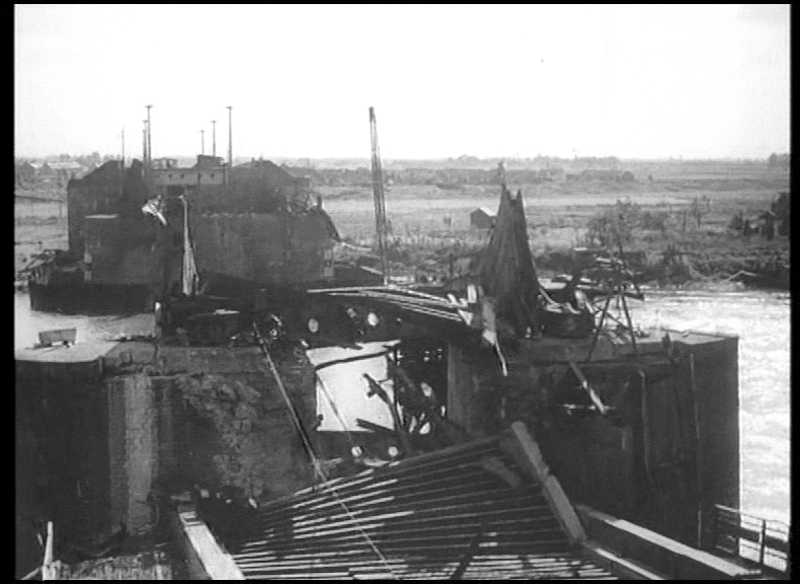
View from the northern ramp over the destroyed bridge. The bridge had a chequered history; opened in 1935, it was blown up by Dutch sappers in 1940 to hinder the German invasion. Reinstated by the occupying Germans, it reopened in August 1944, only to be destroyed by allied bombing in October 1944. Finally, the remnant was blown up by the retreating Germans in January 1945. A new bridge was built after the war, and opened in 1948. In 1977 it was formally named after Lt. Col. John Frost.
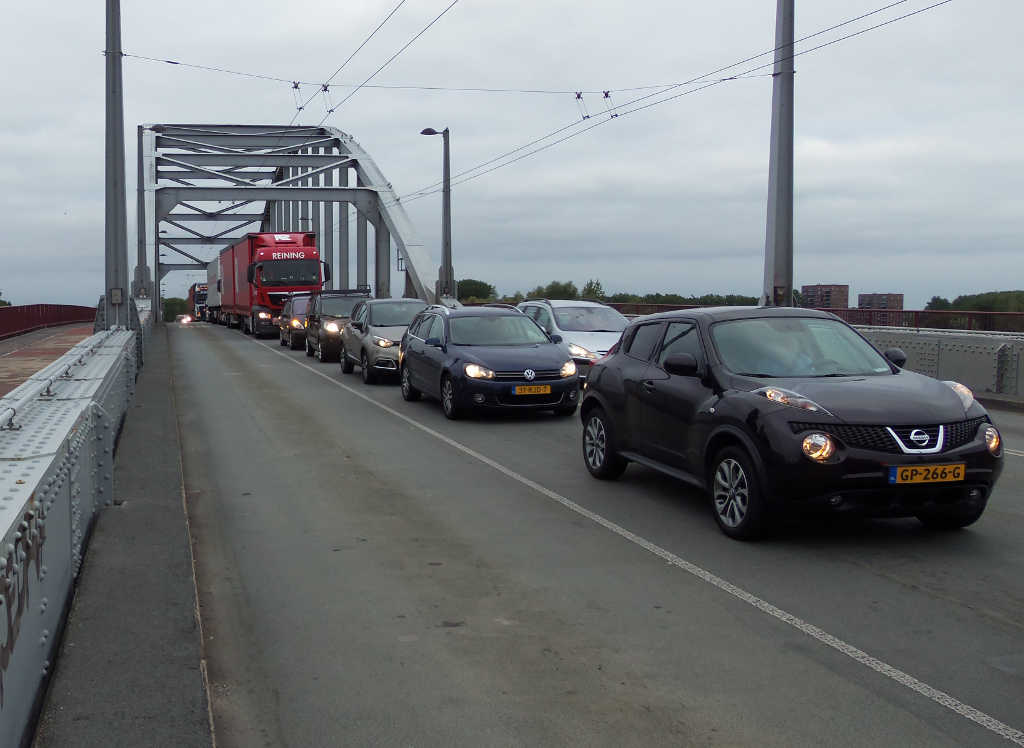
Morning traffic builds up on the bridge.
- Capture 7
- 17 Sep 2019
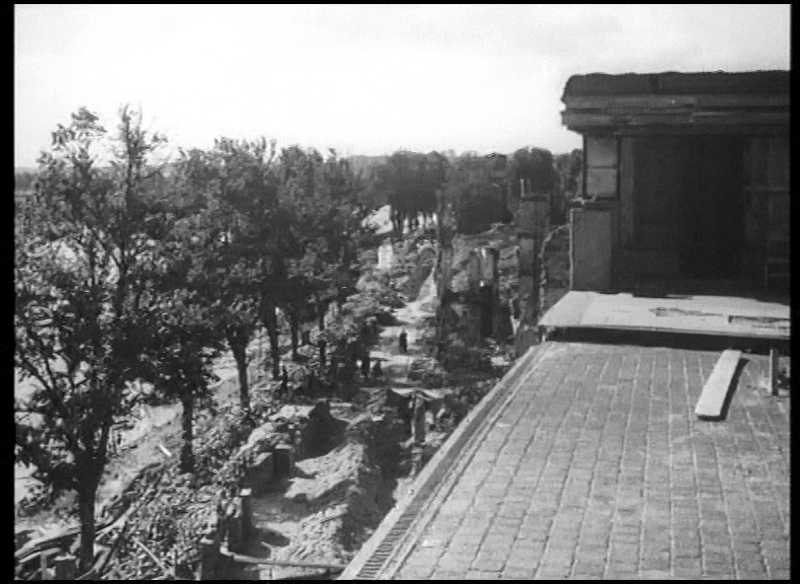
Panning right from capture 6, we see the view west along Rijnkade. In the foreground, the roadway ends abruptly.
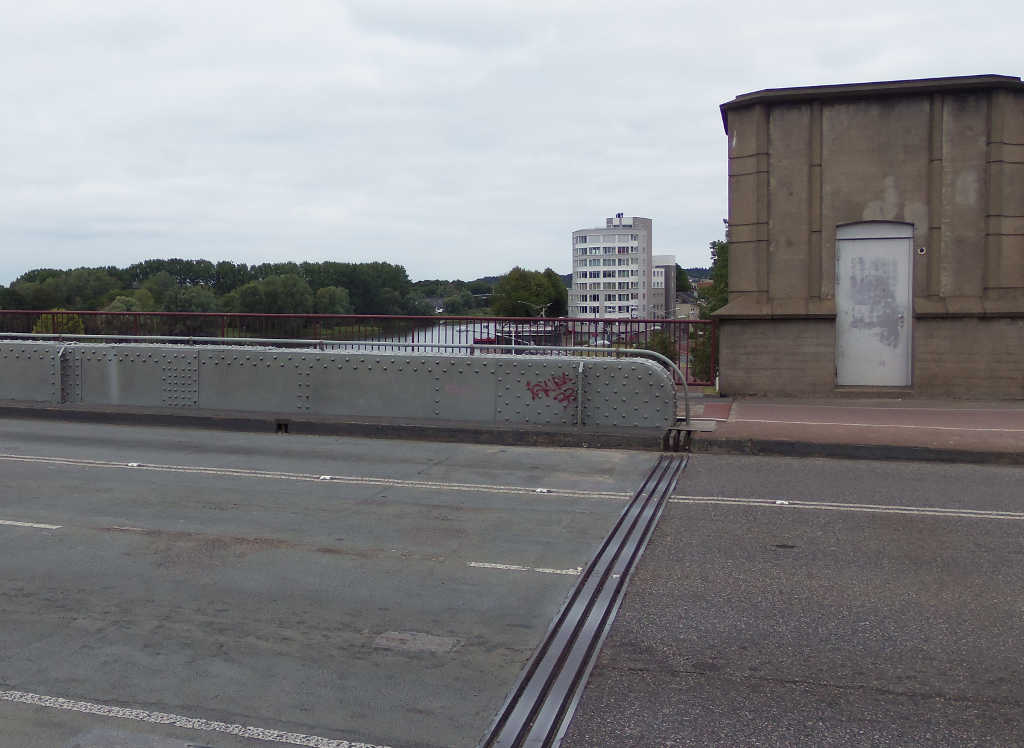
The view today, with an apartment block prominent in the centre of the shot.
- Capture 8
- 17 Sep 2019
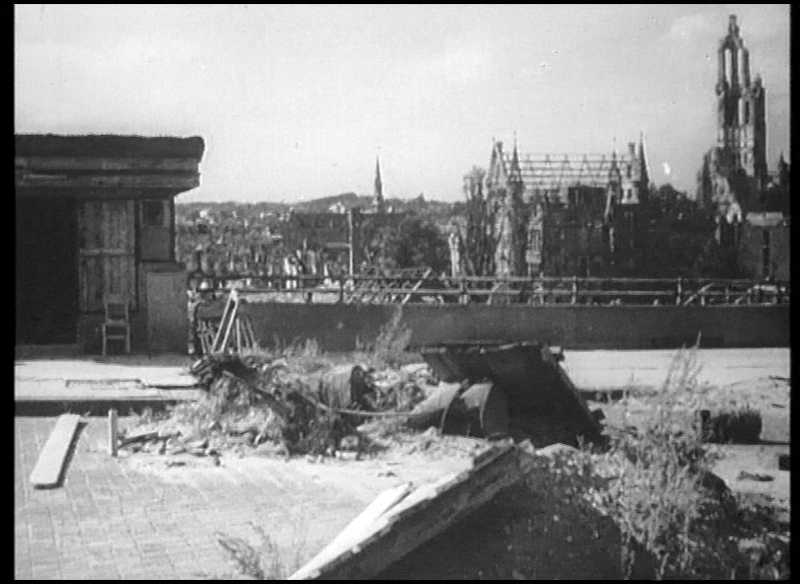
Further to the right, the Grote Kerk comes into view. To the left of the church is the burnt out state archive building.
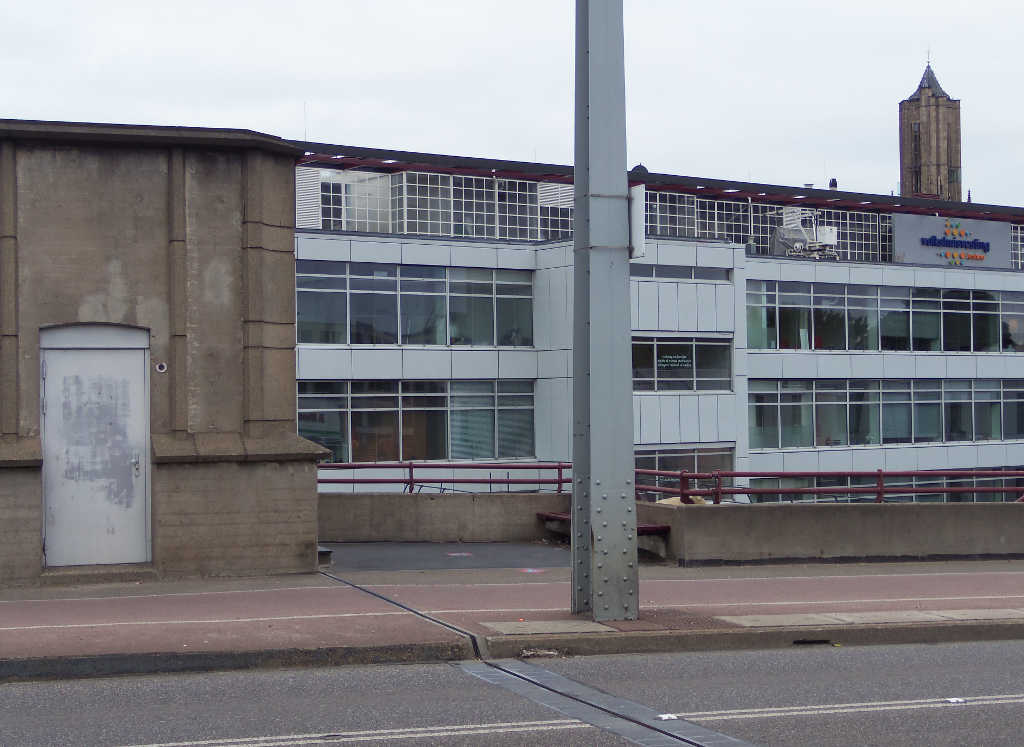
Today the view is dominated by the offices of the housing department.
- Capture 9
- 17 Sep 2019
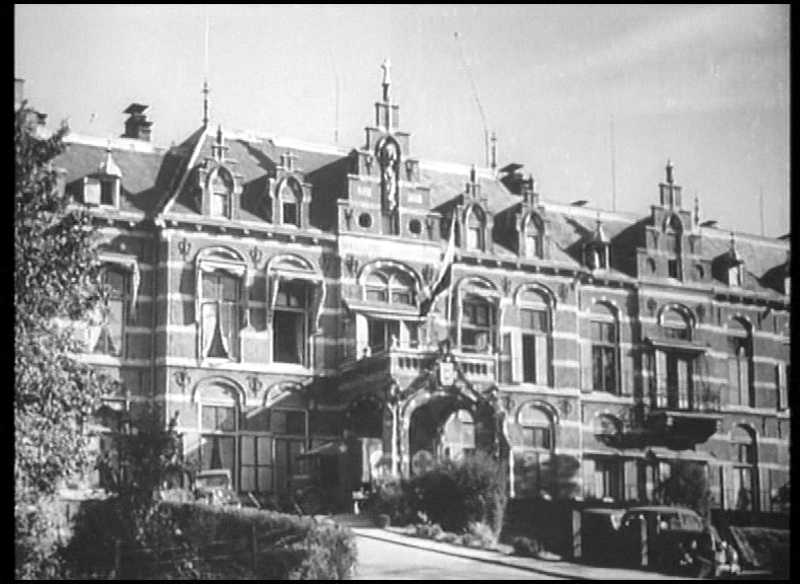
The Sint Elisabeth hospital on Utrechtseweg.
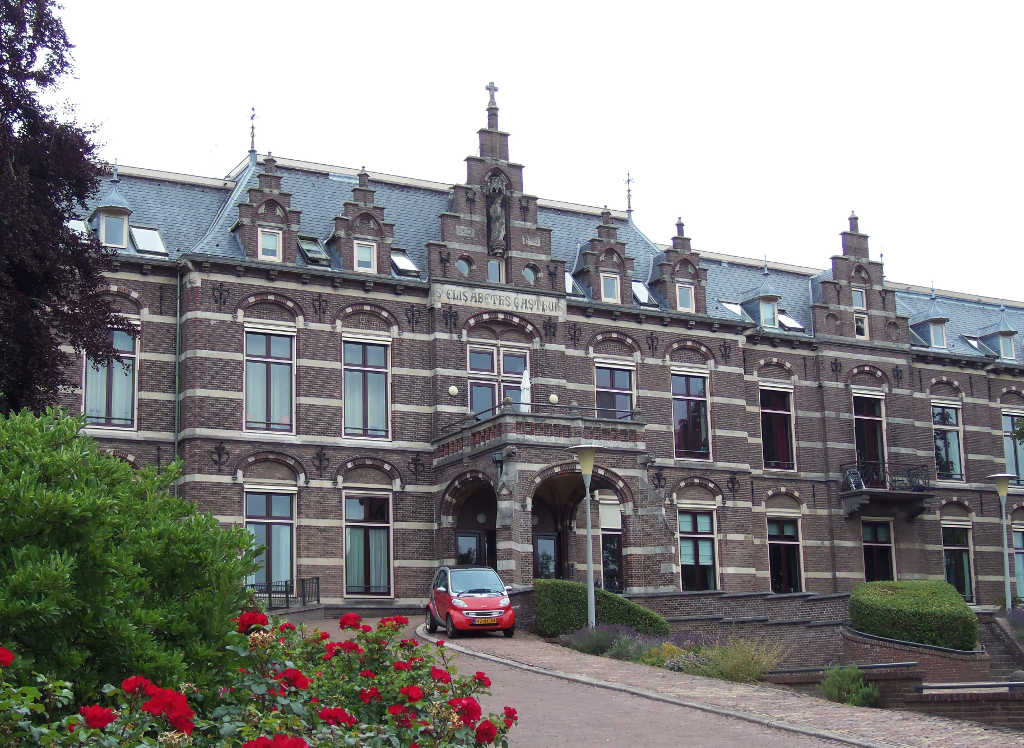
The building survived the fighting and continued as a hospital until 1995. It now contains 35 apartments.
- Capture 10
- 17 Sep 2019
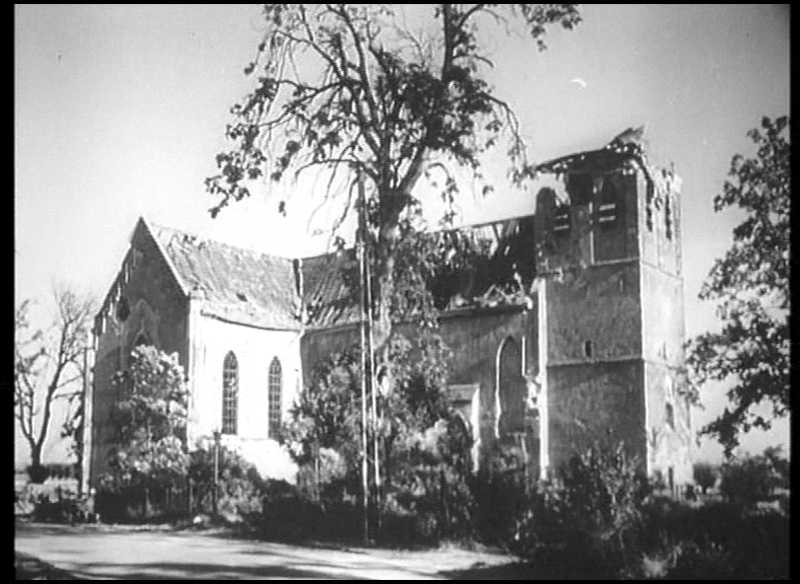
The scene moves four miles west to Oosterbeek. The Oude Kerk, severely damaged by the battle.
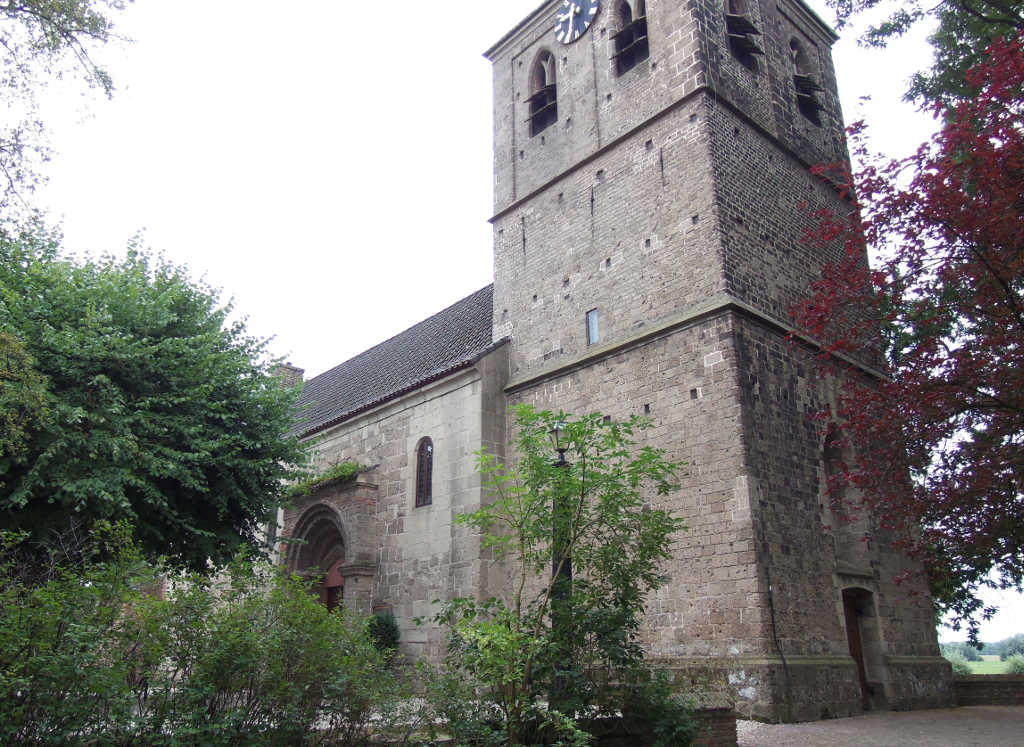
A closer view, avoiding the trees.
- Capture 11
- 17 Sep 2019
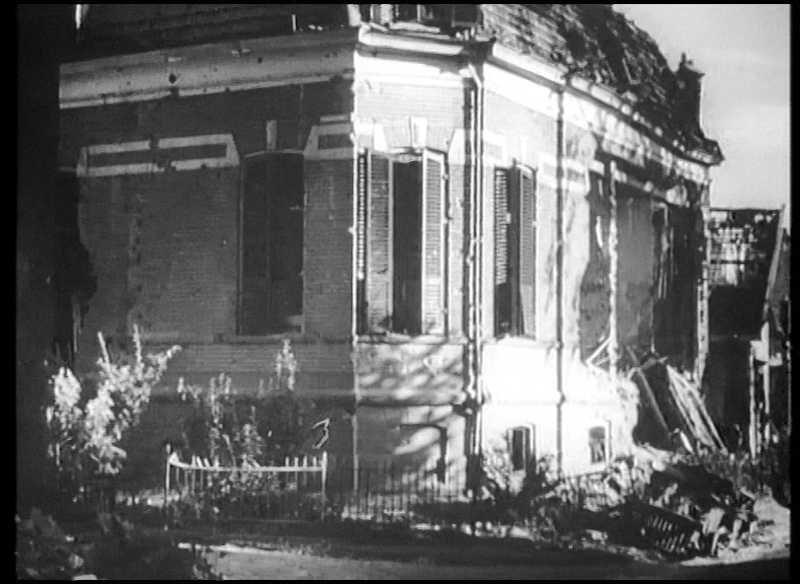
Weverstraat, Oosterbeek, at the junction with Fangmanweg.
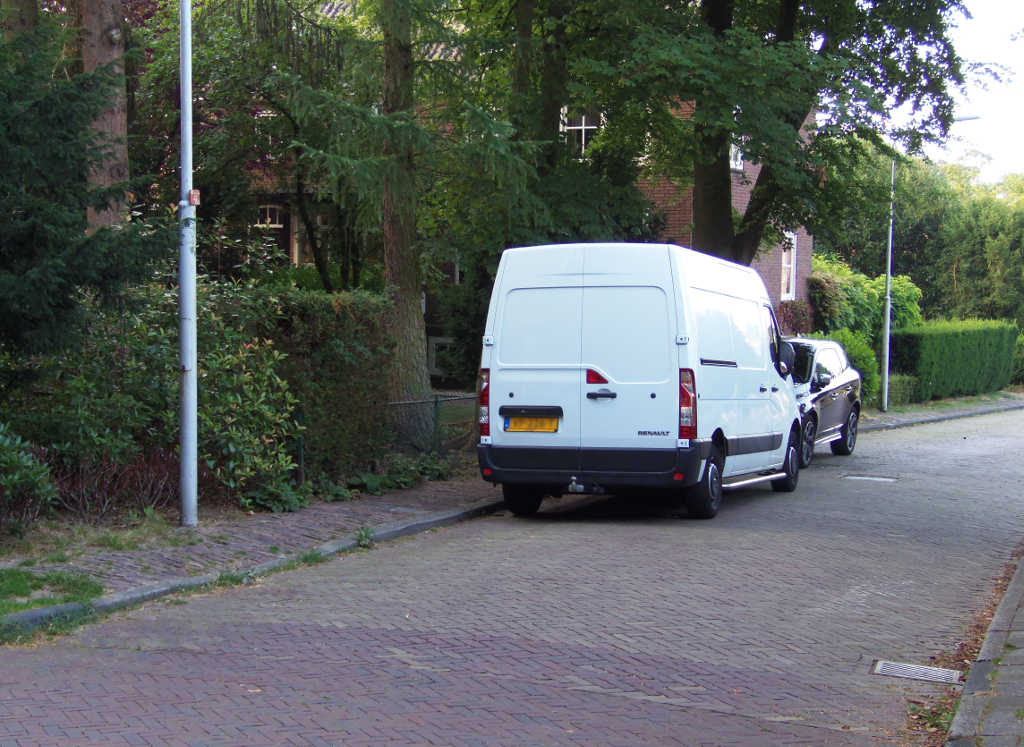
The house behind the trees was built on the foundations of the villa seen in the screen grab, and Fangmanweg, which no longer directly connects to Weverstraat, would have emerged through the garden.
- Capture 12
- 17 Sep 2019
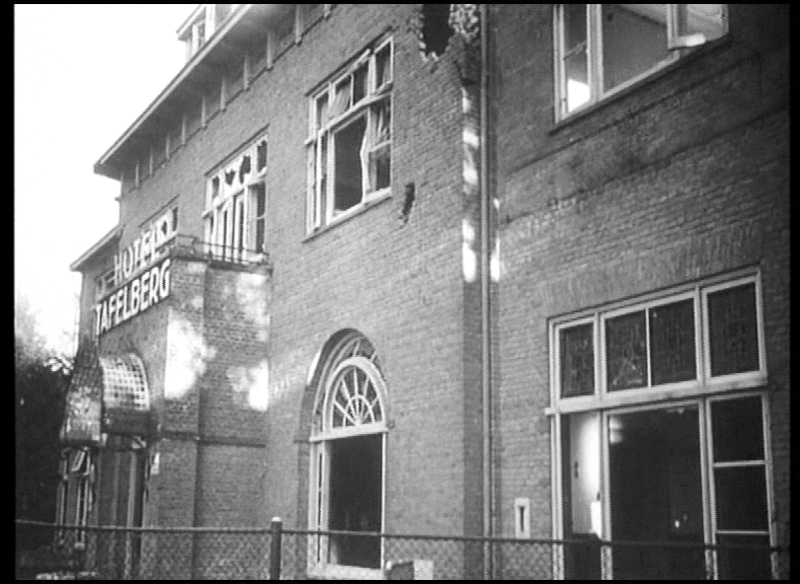
Hotel Tafelberg, Oosterbeek in the province of Gelderland. Before the British landings, this was the headquarters of Fieldmarshal Model.
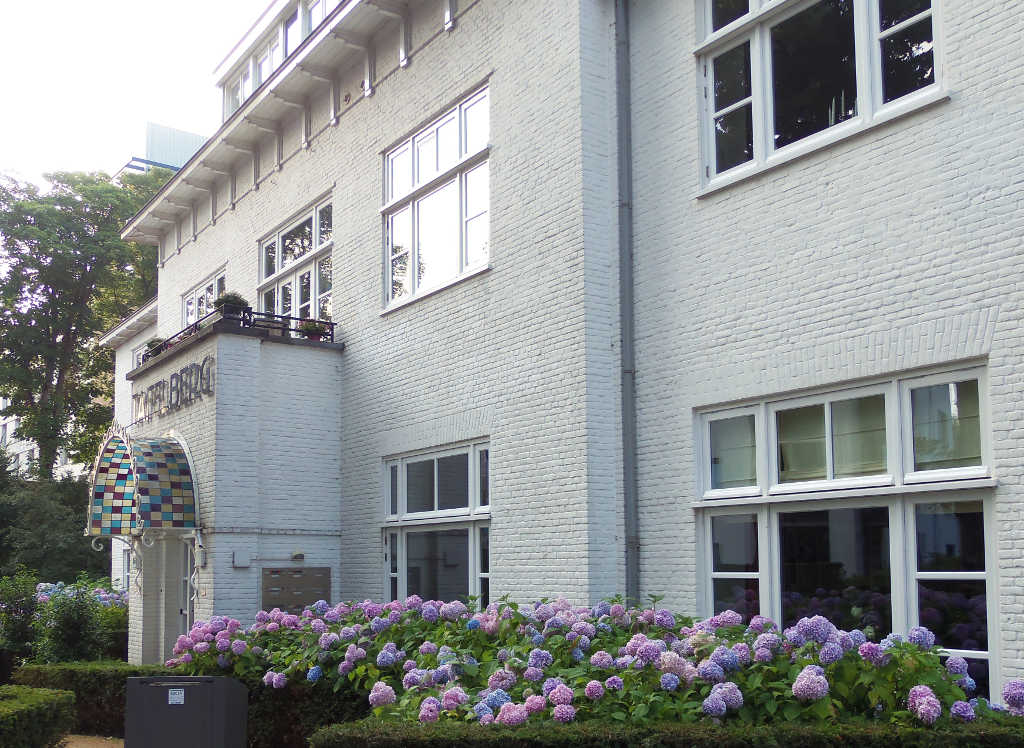
Now an apartment complex. Only the facade, the entrance hall and a section of the granite floor are original, after a major rebuild in the late 1990s
- Capture 13
- 17 Sep 2019

Hotel Hartenstein, Oosterbeek.
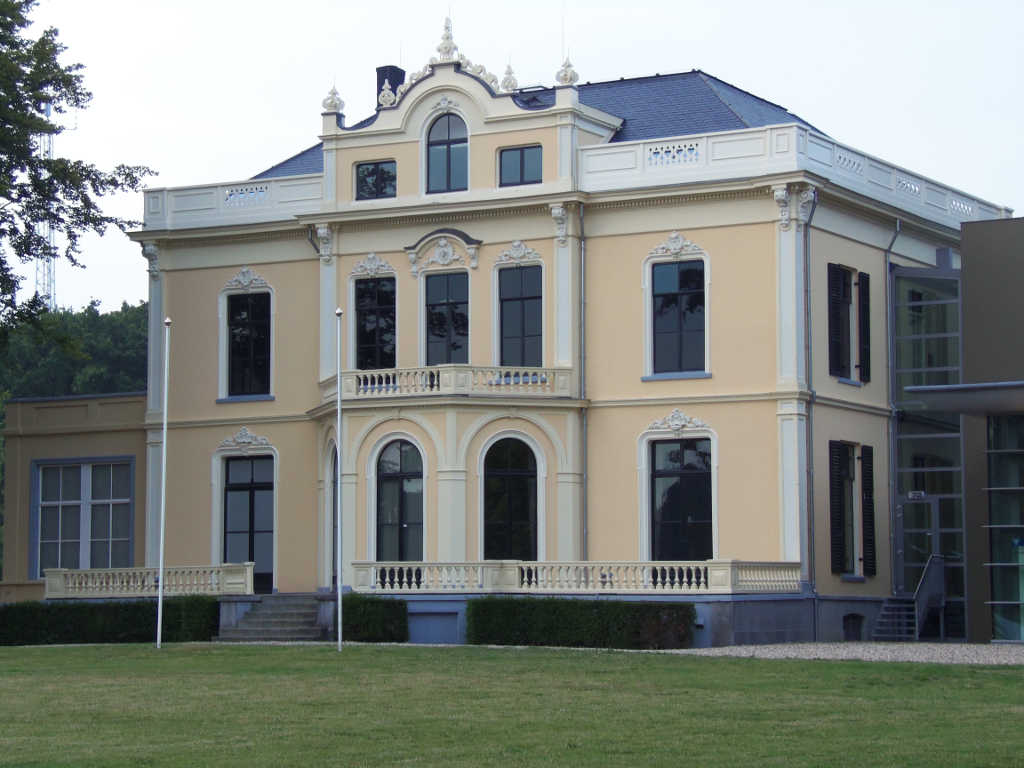
Now the home of the Airborne Museum.
- Capture 14
- 'Now' required
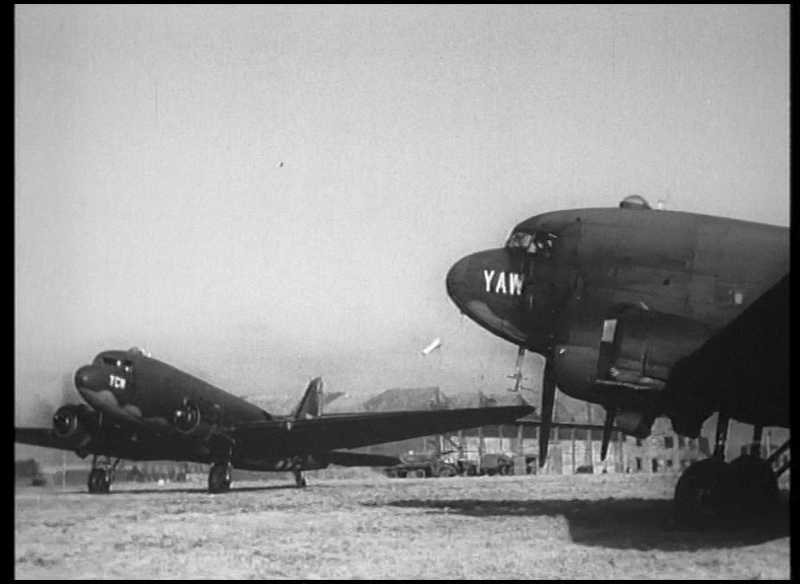
Sunday, September 17th. Dakotas ready to take off from an airfield in southern England.
- Capture 15
- 17 Sep 2019
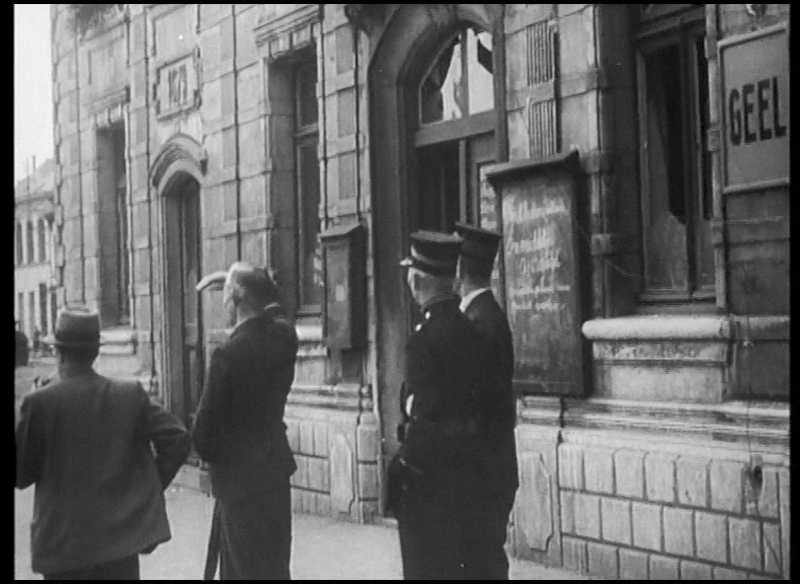
Outside the town hall in Geel, Belgium, locals watch the huge number of planes fly over. This is library footage, and the complete clip is available at https://film.iwmcollections.org.uk/record/2740 on the Imperial War Museum's website.
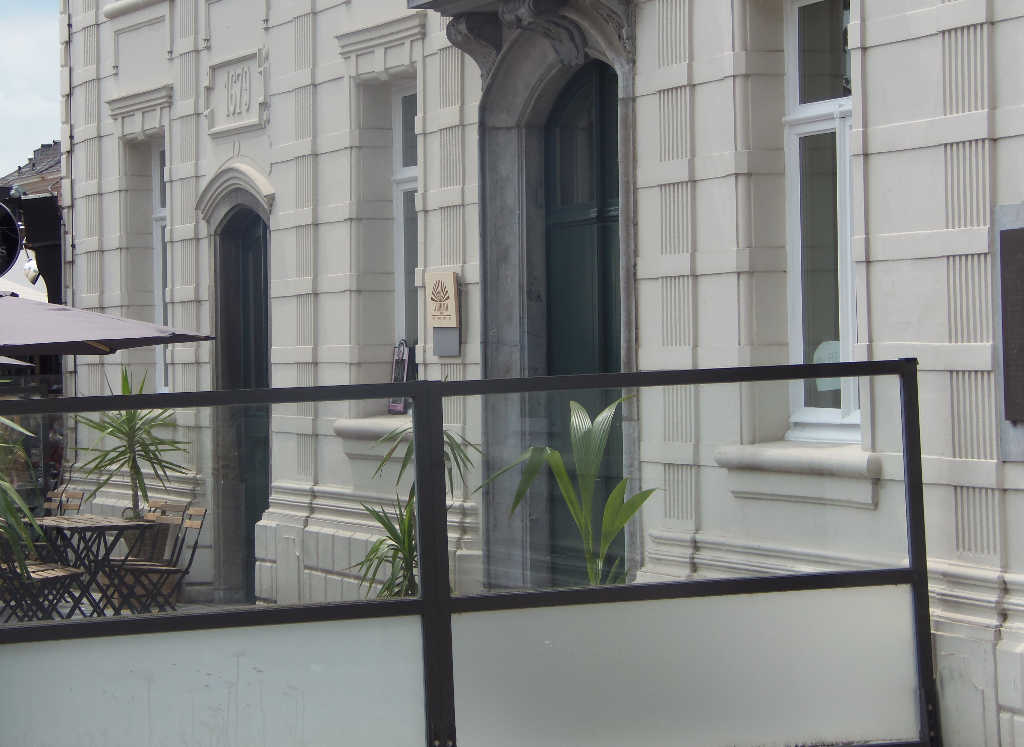
The old town hall now houses a restaurant.
- Capture 16
- 17 Sep 2019
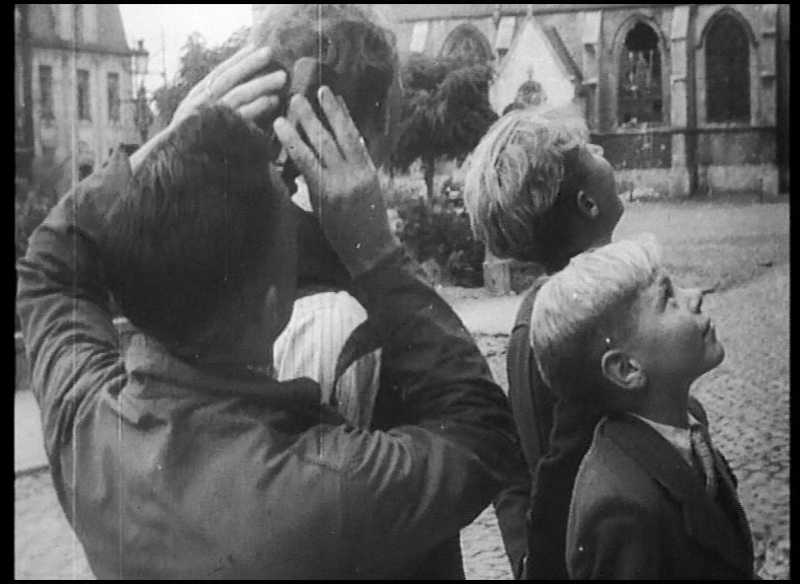
More civilians, and a church. St. Amanduskerk viewed from Markt, in Geel in the province of Antwerp,
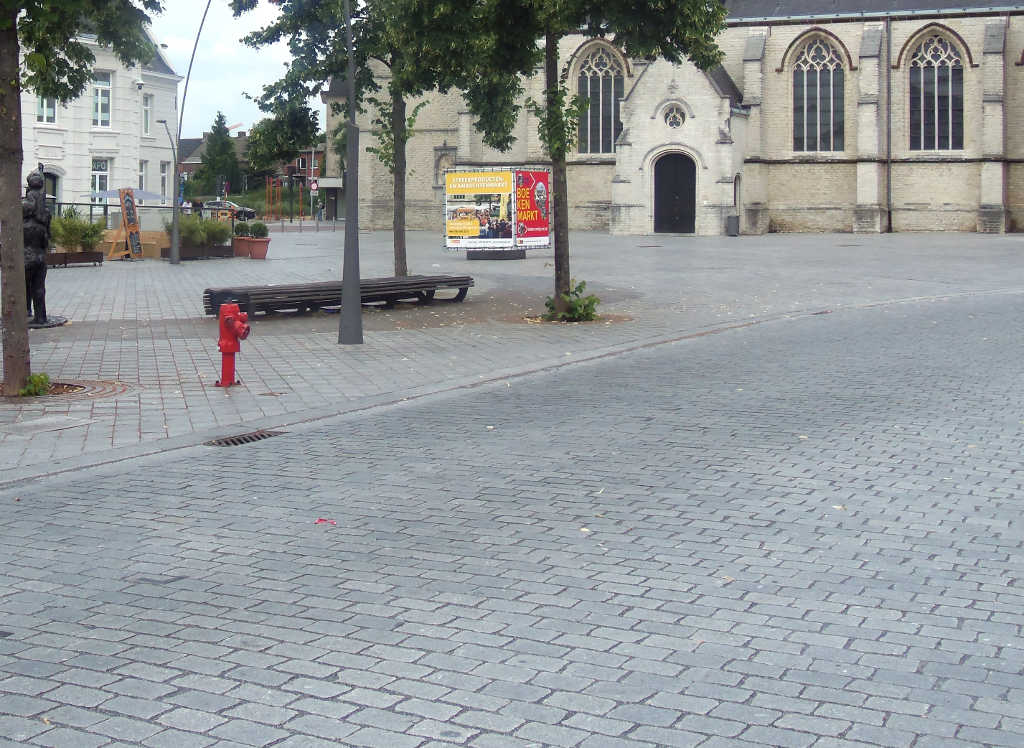
An almost deserted Markt.
- Capture 17
- 17 Sep 2019
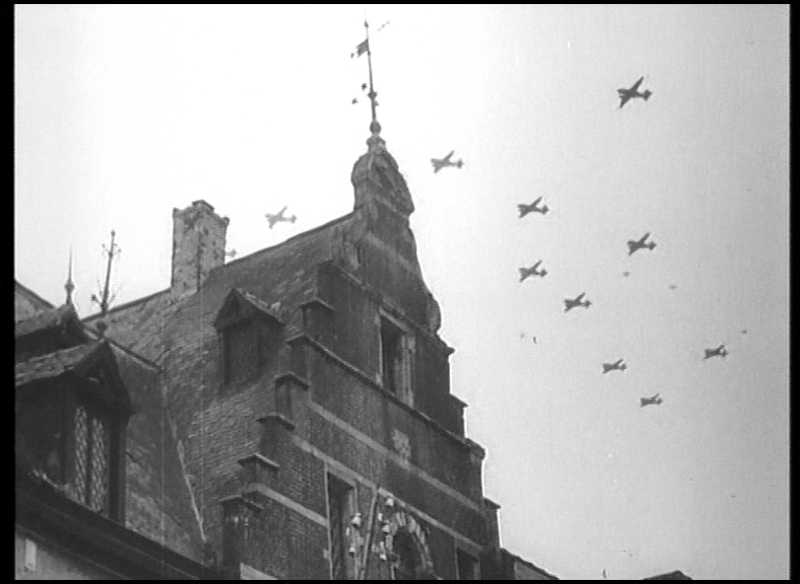
Planes fly over a distinctive gable. Markt, Geel, the opposite corner from the old town hall.
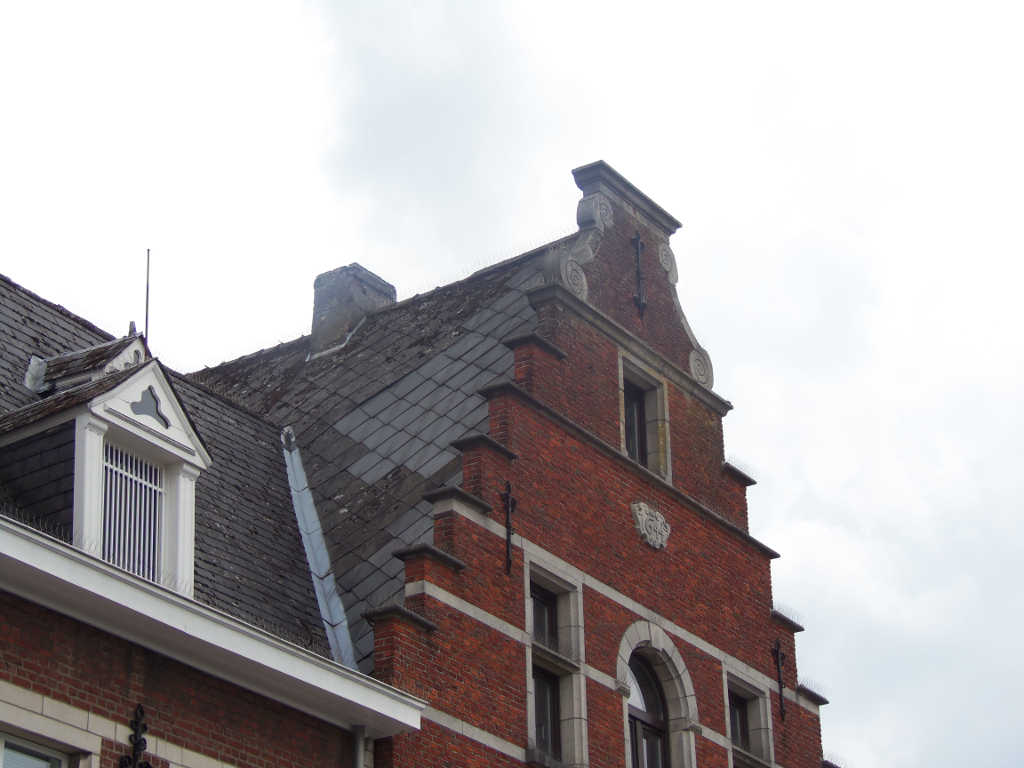
Now a pizza restaurant. The gable has lost its topmost part.
- Capture 18
- 'Now' required
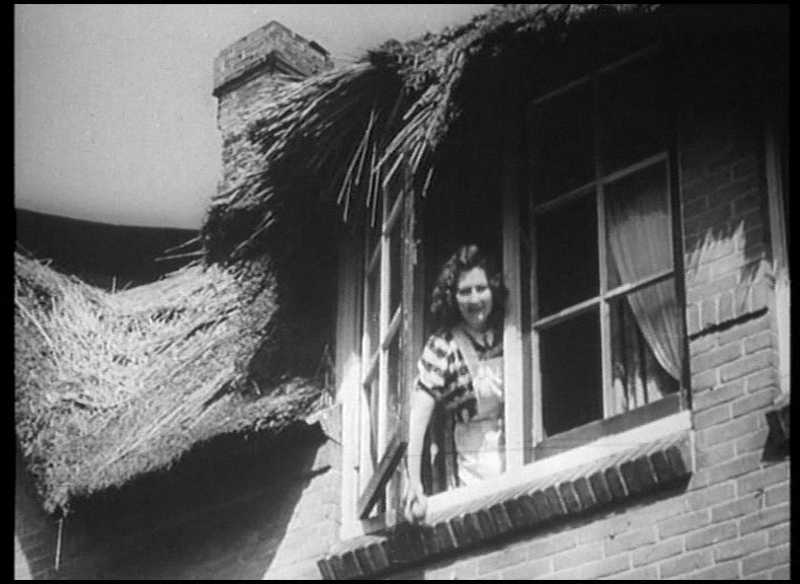
A Dutch civilian throws apples to the troops from a window. Middenlaan in Heveadorp, Gelderland.
- Capture 19
- 'Now' required
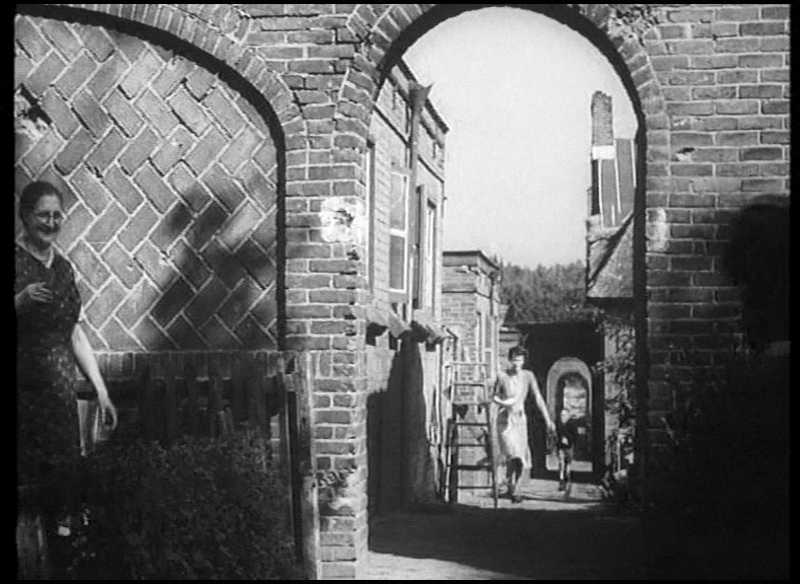
More Dutch civilians come out to welcome the British troops. This is probably also Middenlaan; there were several of these characteristic alleys running between Beeklaan, Middenlaan and Tuinlaan, but the damage was severe in 1944 and some have clearly been altered or removed subsequently.
- Capture 20
- 17 Sep 2019
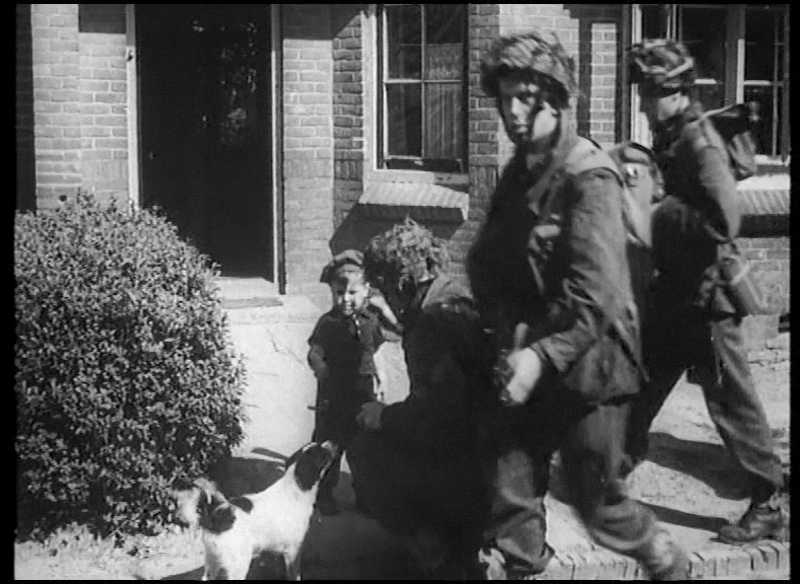
Middenlaan again. A soldier greets a small child. That child, 70 years older, features in the video at https://www.youtube.com/watch?v=yjt47jP8Wec which also identifies this location.
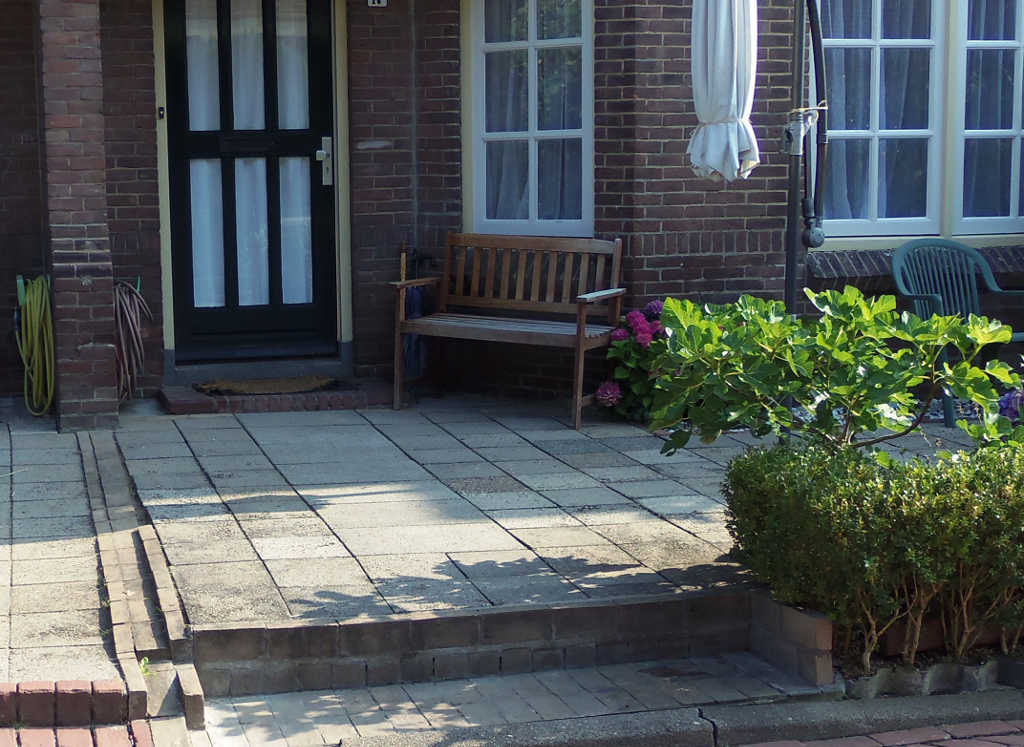
The house survives today.
- Capture 21
- 'Now' required
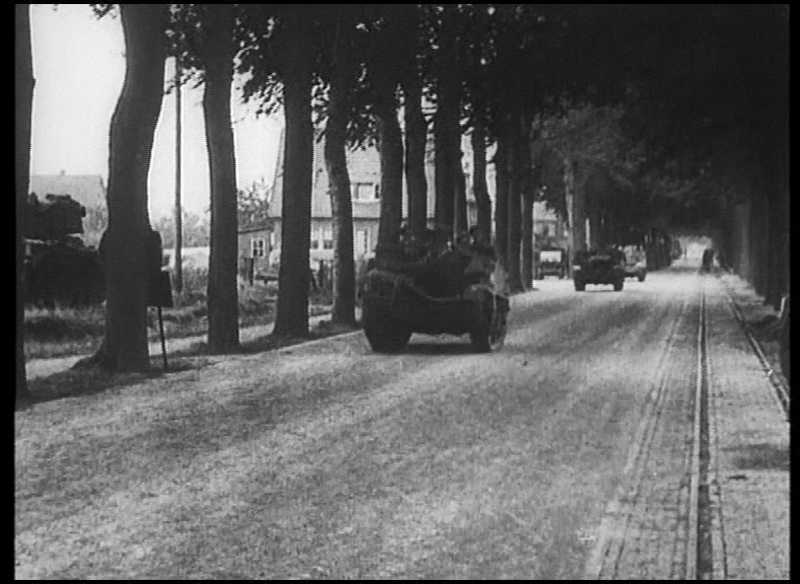
On a road near Arnhem, armour is on the move. A long, very straight road with a tram line; so perfectly straight and level that I think it's likely to be Utrechtseweg.
- Capture 22
- 17 Sep 2019
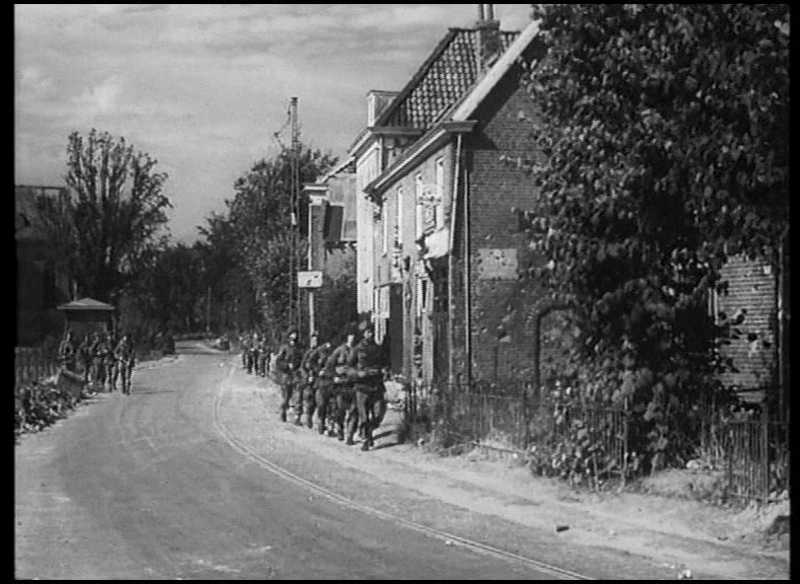
British troops advance along Benedendorpsweg, Oosterbeek, passing in front of Klaassen's garage -- still trading today from the same premises. On the left, the damaged roof of the church is visible.
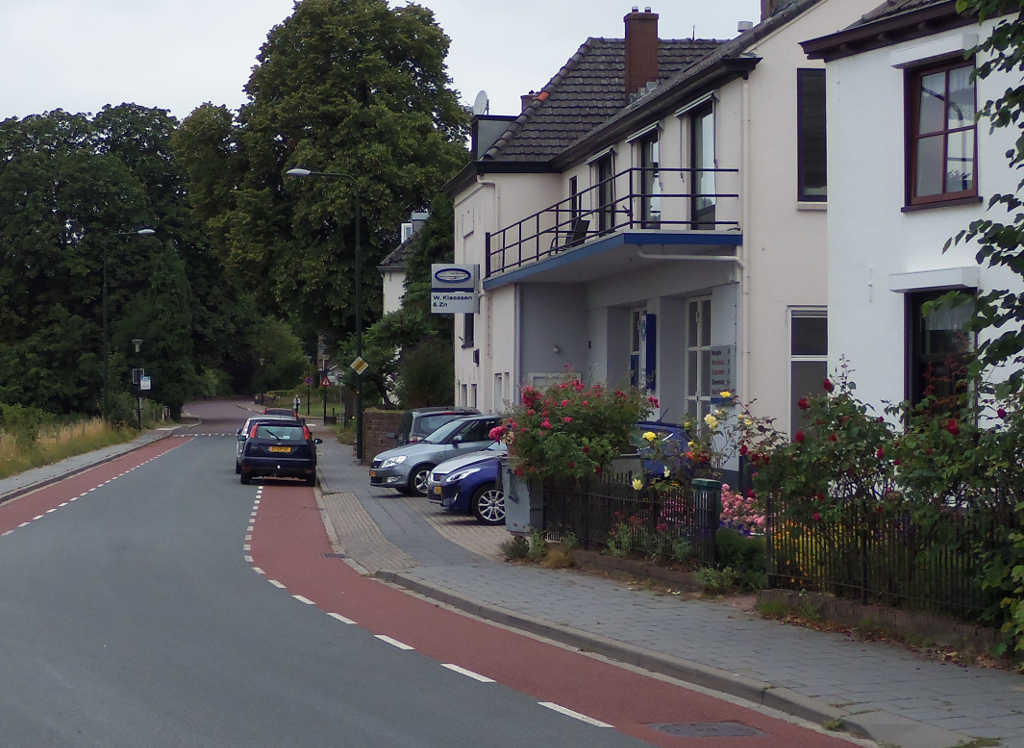
The eastern section of the building has been moved back from the roadway soon after 1944.
- Capture 23
- 17 Sep 2019
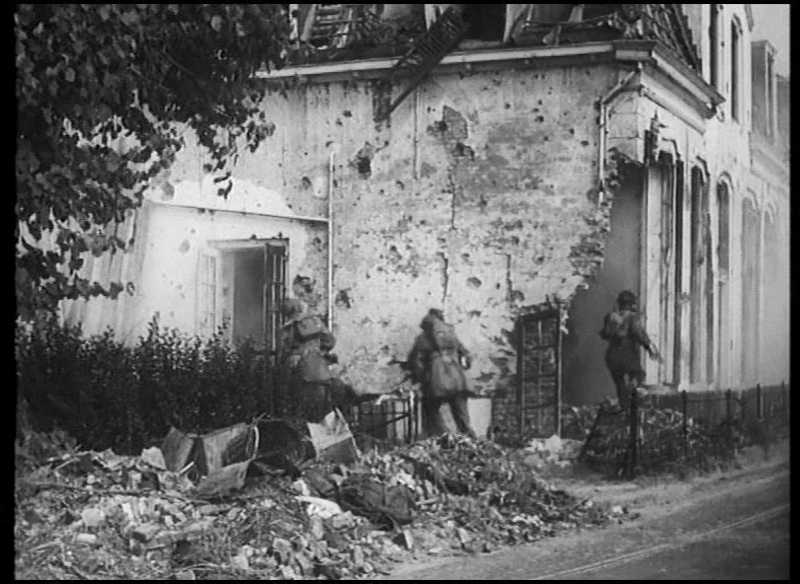
Coming under fire, they dive for cover in a house. De Parre, at the location of the present-day number 115.
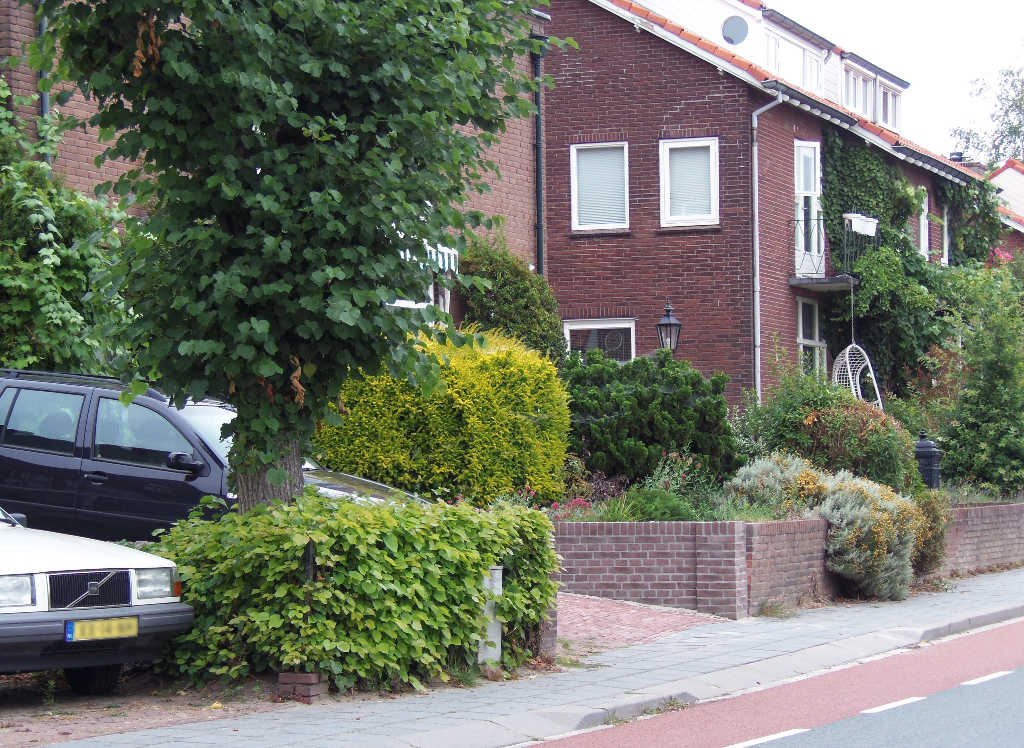
De Parre is long gone.
- Capture 24
- 'Now' required
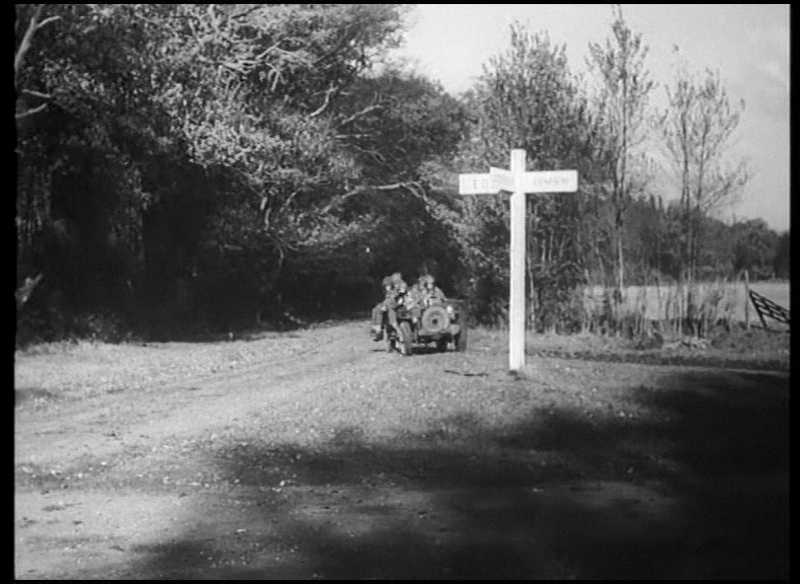
Six kilometers from Arnhem, a jeep of the divisional recce squadron reaches a road junction. The signpost says Arnhem to the right and Ede to the left, so this is probably on or near the main Amsterdam road. Could this be the junction with Harderwijkerweg?
- Capture 25
- 'Now' required
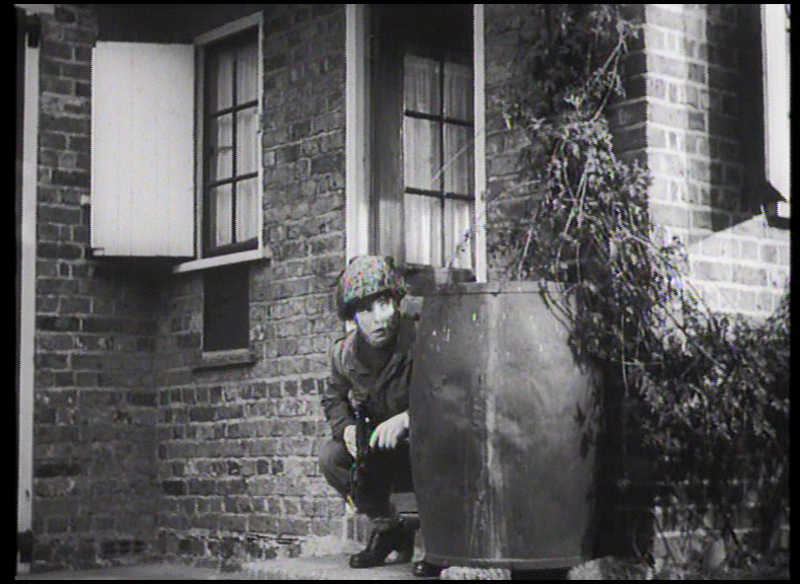
German defenders have opened fire on the jeep. A soldier takes cover in a house.
- Capture 26
- 'Now' required
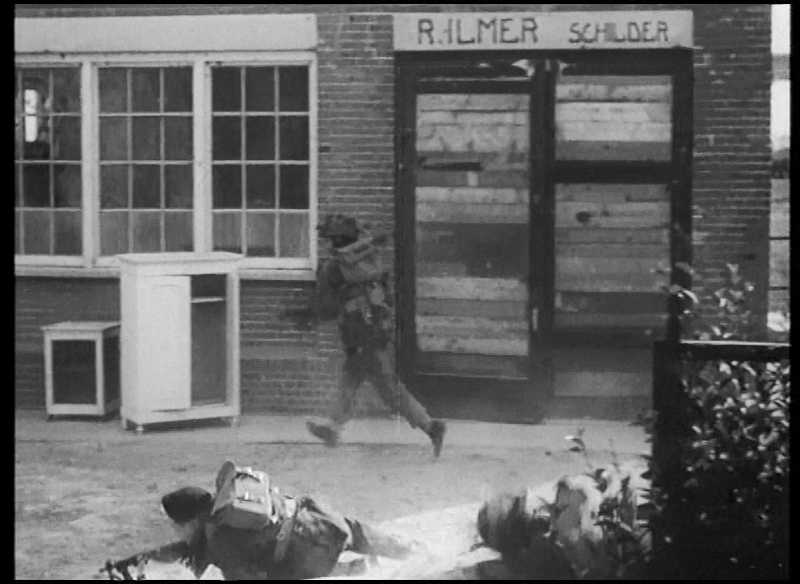
Advancing towards the railway bridge, a group passes the premises of Rutger Ilmer, painter. Rutger Ilmer's grandson Rolf, who continues the trade today, confirms that this house at Benedendorpsweg 118, Oosterbeek remained substantially unchanged until 1998. It still stands today, but is no longer a business premises. Many thanks to Mr Ilmer for the information.
- Capture 27
- 17 Sep 2019
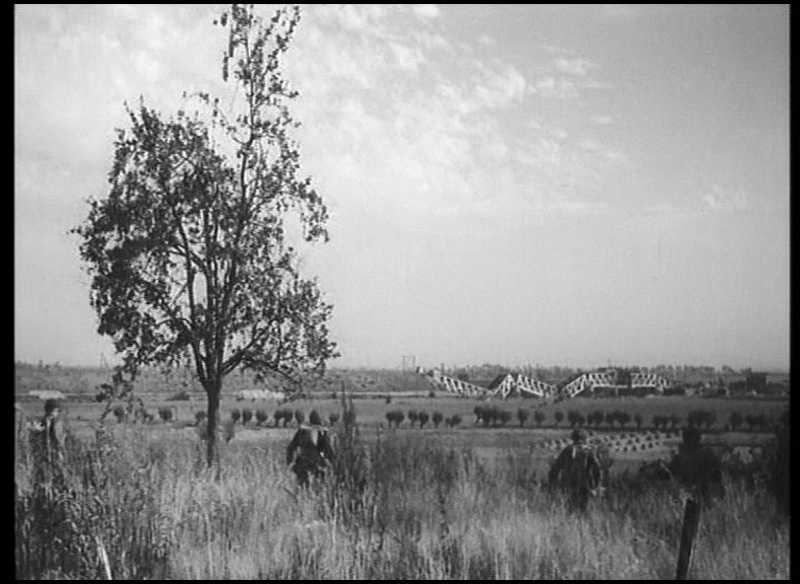
They advance along the edge of the polder with the destroyed railway bridge in the background. A view from Benedendorpsweg, roughly in the region of the junction with Goudenregenlaan.
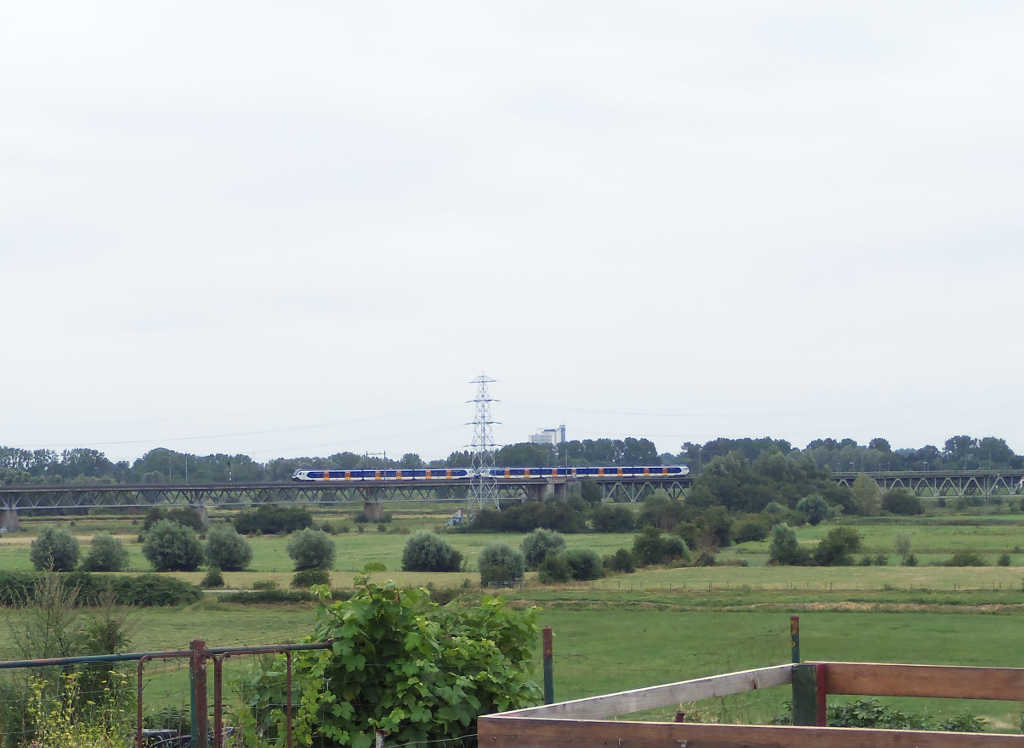
The railway bridge was reinstated with a temporary bridge in 1945, and with a more permanent structure in 1957. In 2004 part of the embankment at the north end of the bridge was removed to allow more room for the river, and extra bridge spans were added.
- Capture 28
- 17 Sep 2019
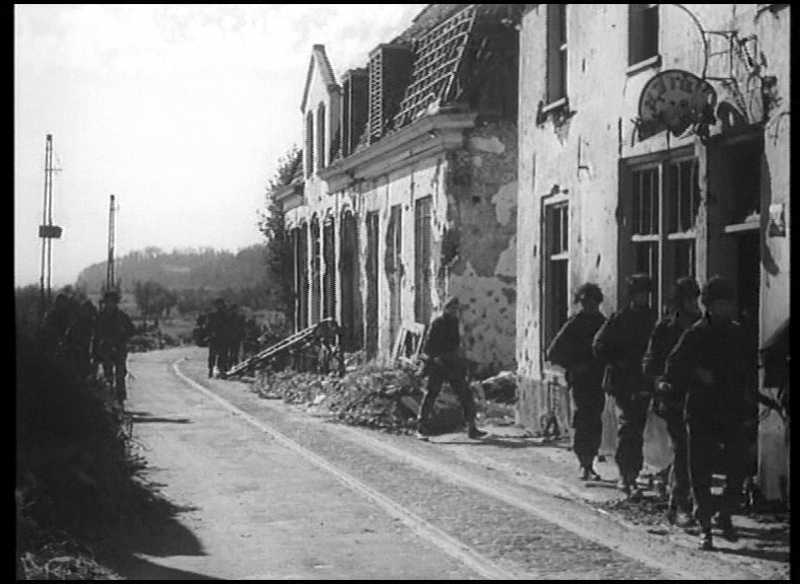
Troops pass De Parre and the front of the cafe De Ploeg in Benedendorpsweg.
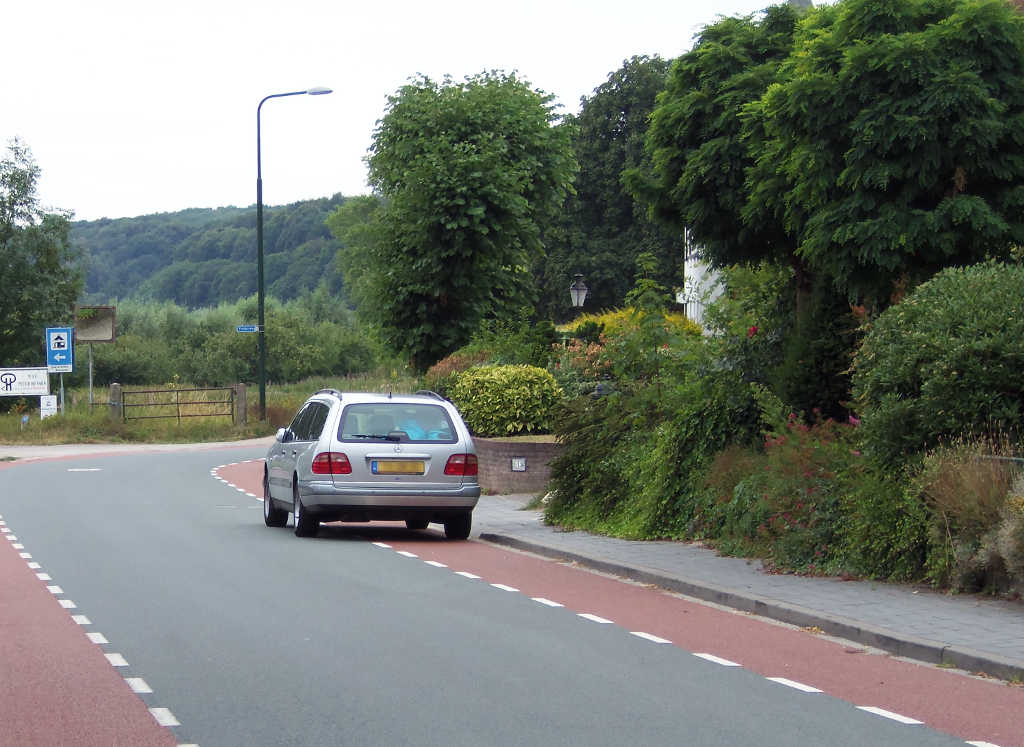
Both buildings have gone, replaced by houses that are set further back from the road.
- Capture 29
- 17 Sep 2019
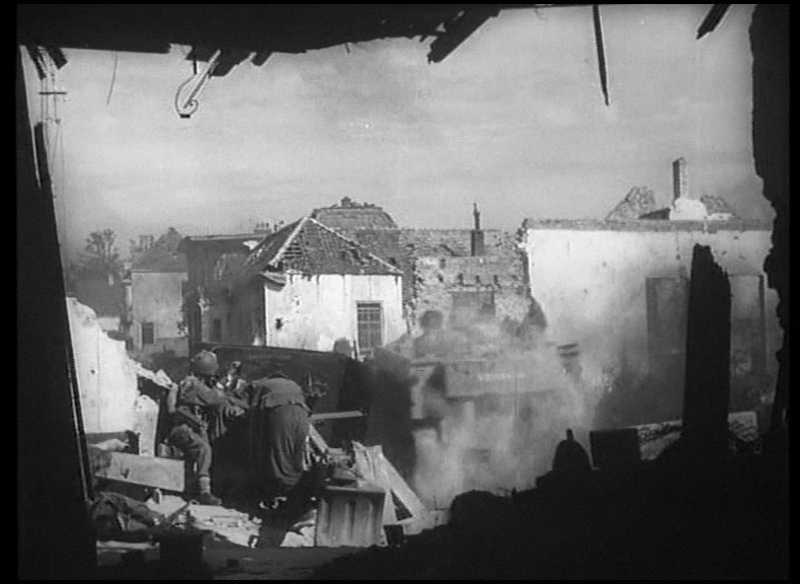
A troop carrier passes soldiers manning a 17-pounder anti-tank gun. Benedendorpsweg, viewed from inside the badly damaged former stables of the cafe De Ploeg. Opposite, the ruins of a large house that stood at number 114 and the shell of numbers 110/112.
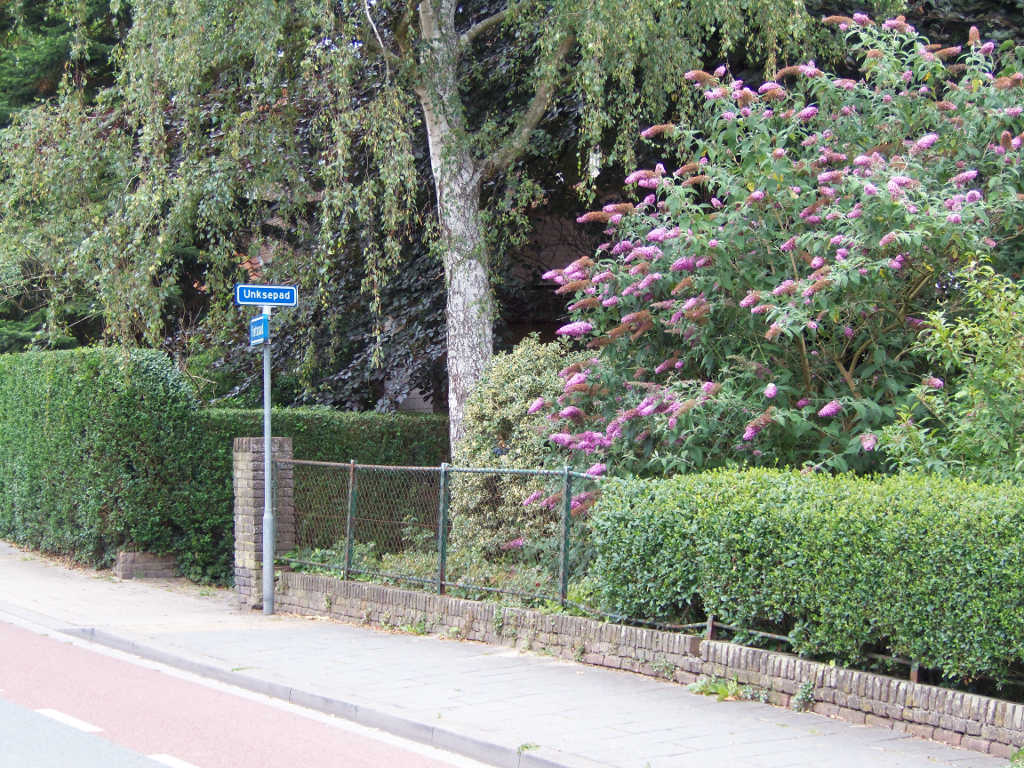
My best estimate of the same spot.
- Capture 30
- 17 Sep 2019
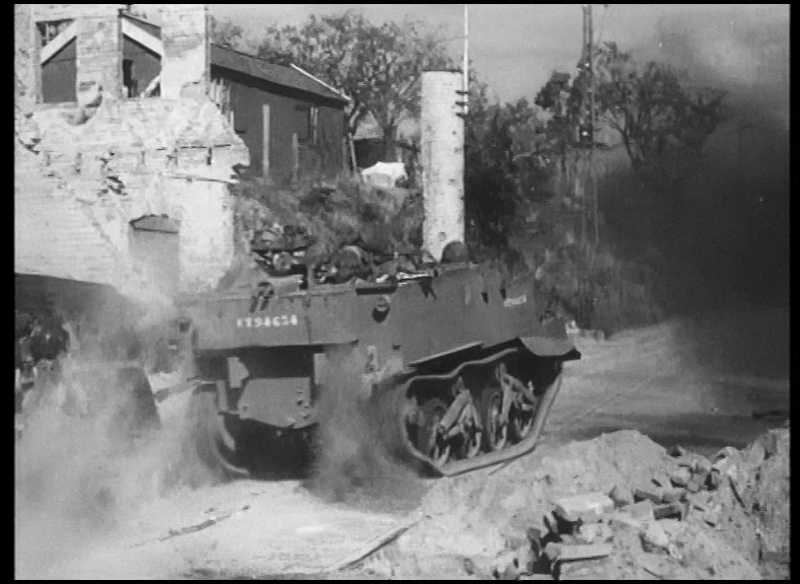
The troop carrier continues down Benedendorpsweg, past the remains of the ice factory.
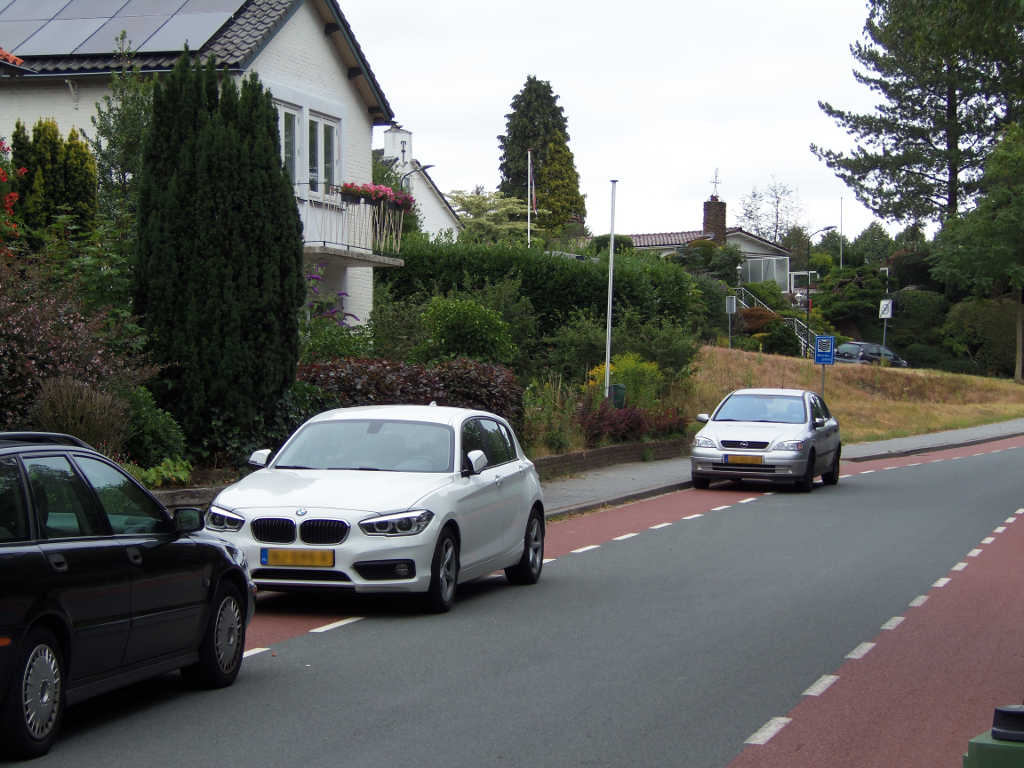
In the background on the right of the shot, where the ground rises, the southern end of Zuiderbeekweg now joins Benedendorpsweg.
- Capture 31
- 17 Sep 2019
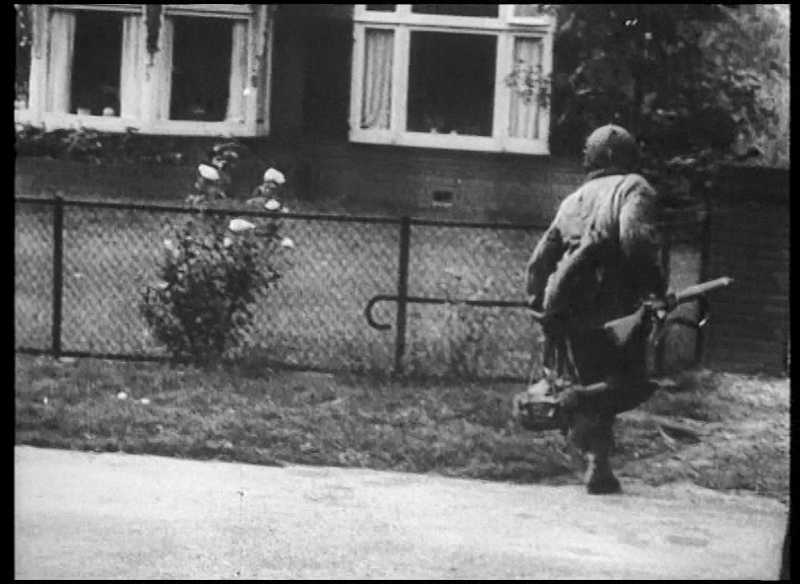
Troops run past the front of a house and down the drive. Van Lennepweg 16, Oosterbeek.
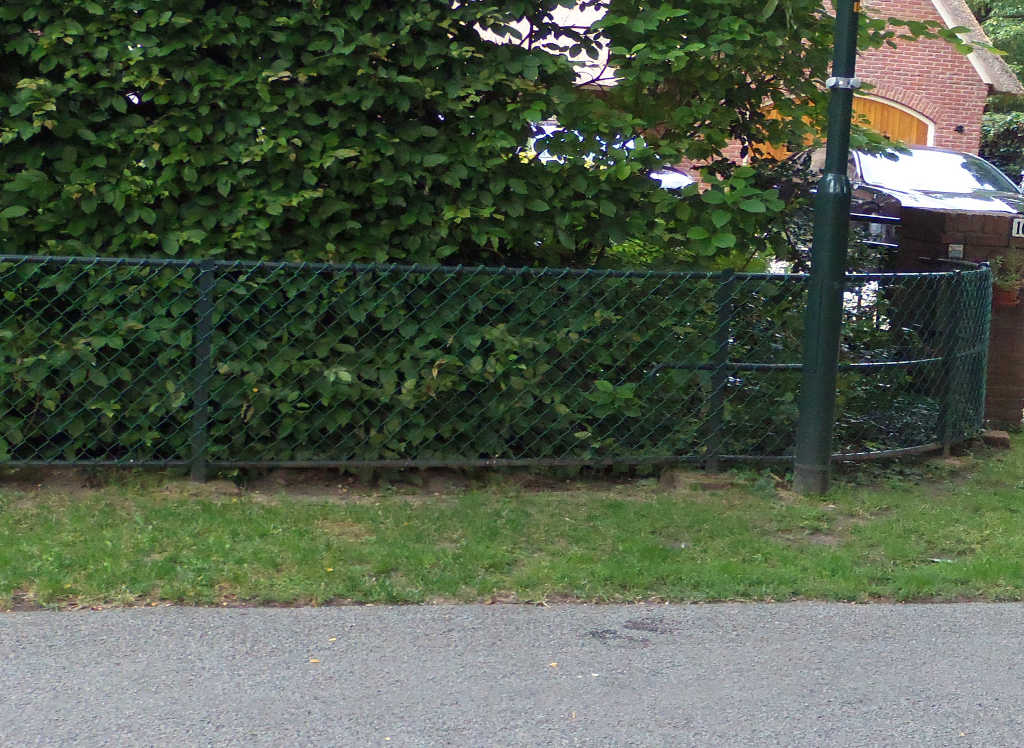
A new house now occupies the site, but the line of the fence is still the same.
- Capture 32
- 17 Sep 2019
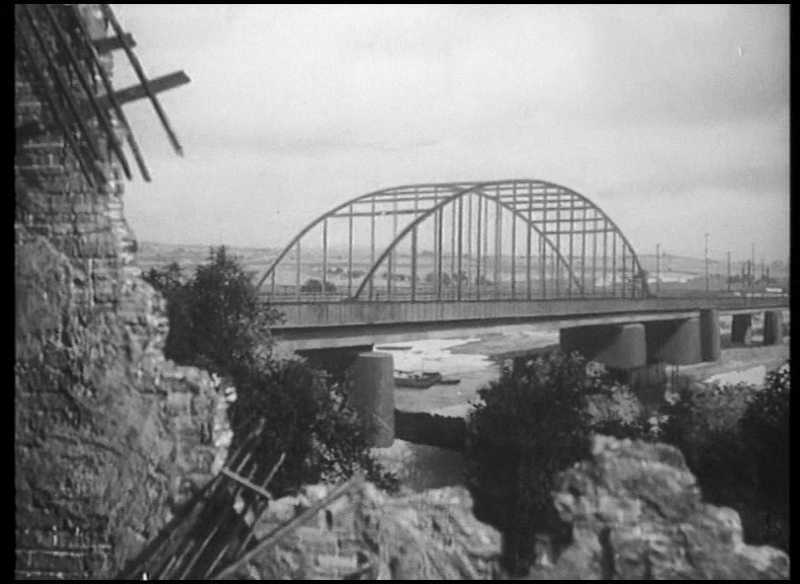
Meanwhile, in Arnhem, Hanbury's group from the 2nd Division are about to attack at the north end of the bridge. Glass painting restores the view from the north bank of the river.
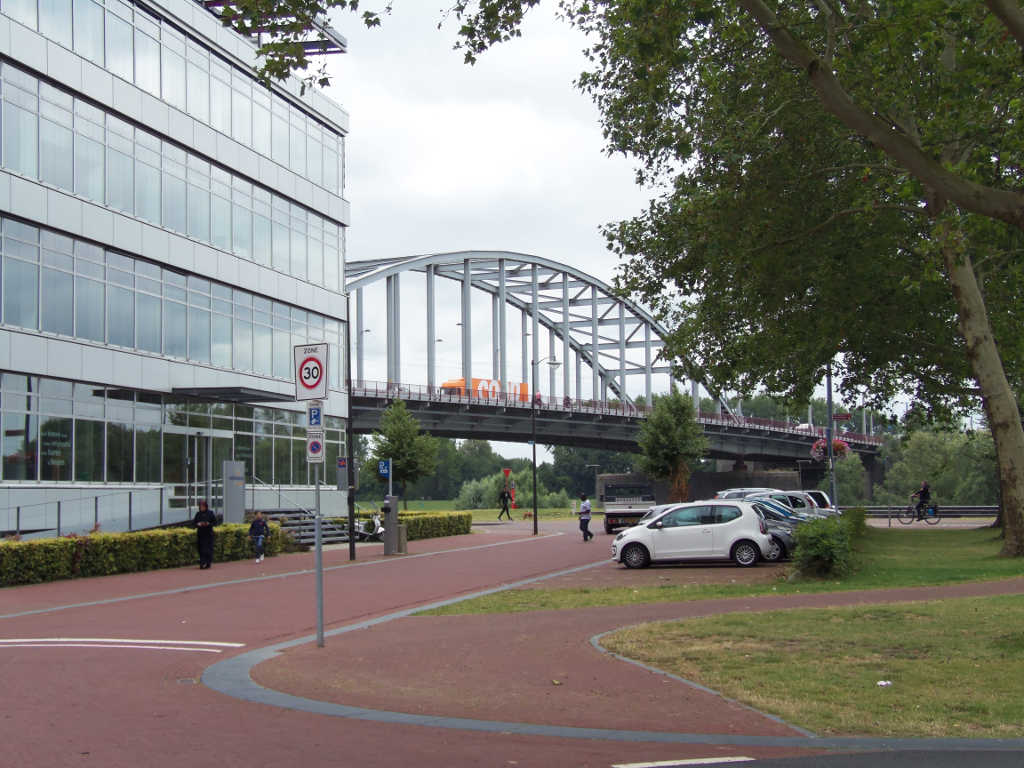
A ground-level view from Kadestraat.
- Capture 33
- 17 Sep 2019
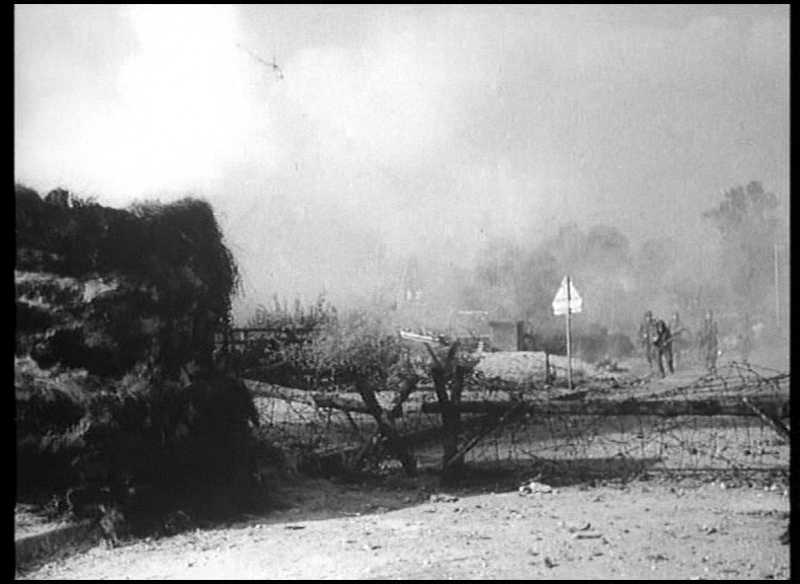
They make an attempt to cross the bridge, but machine-gun fire from a pillbox forces them to withdraw.
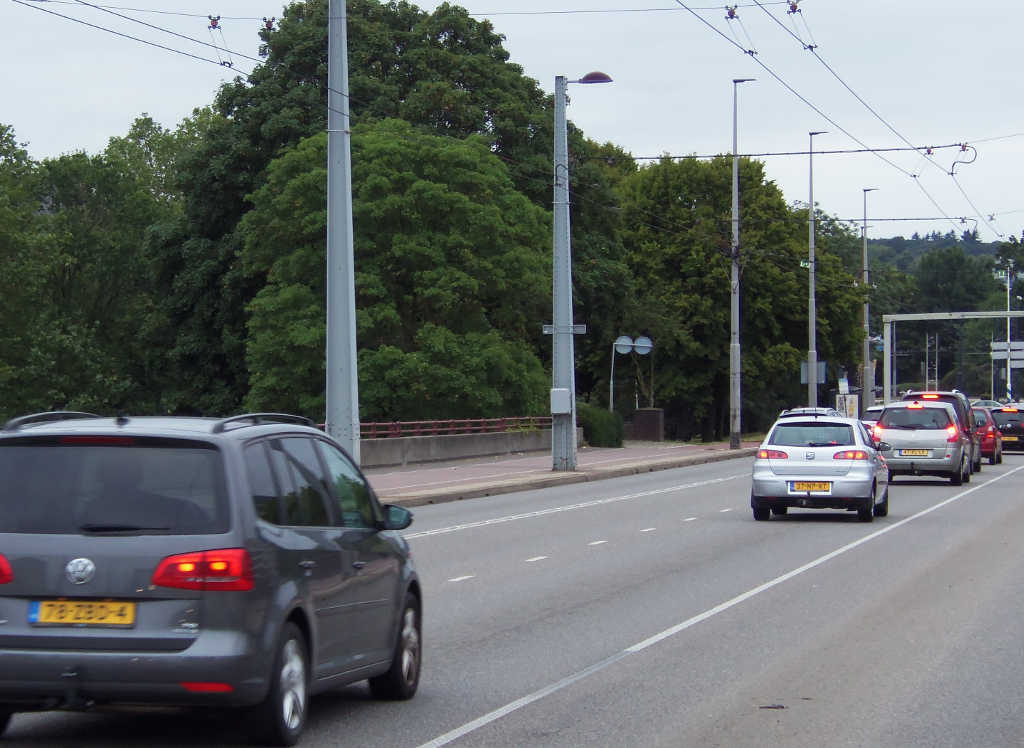
The same spot today, with the top of the steps down to Oranjewachtstraat visible just right of the centre of the shot.
- Capture 34
- 17 Sep 2019
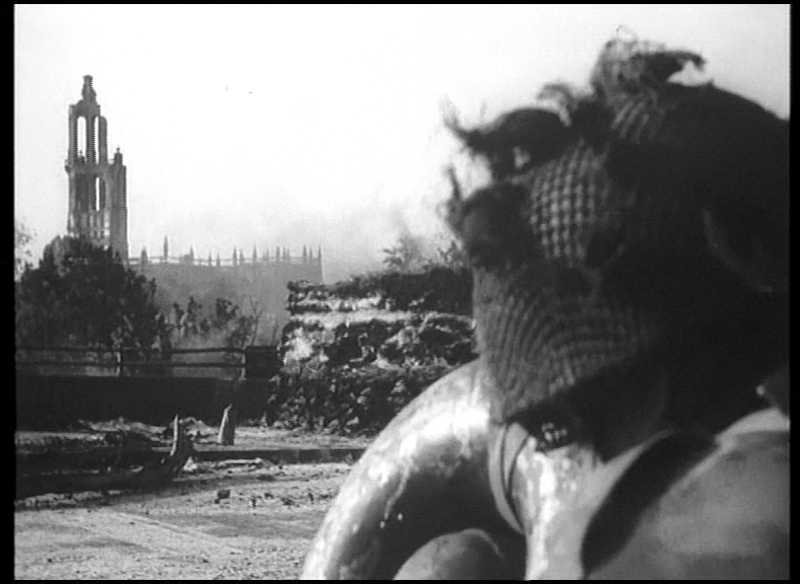
A flame thrower is brought into play to deal with the troublesome pillbox. On the northern approach to the bridge, with the Grote Kerk behind.
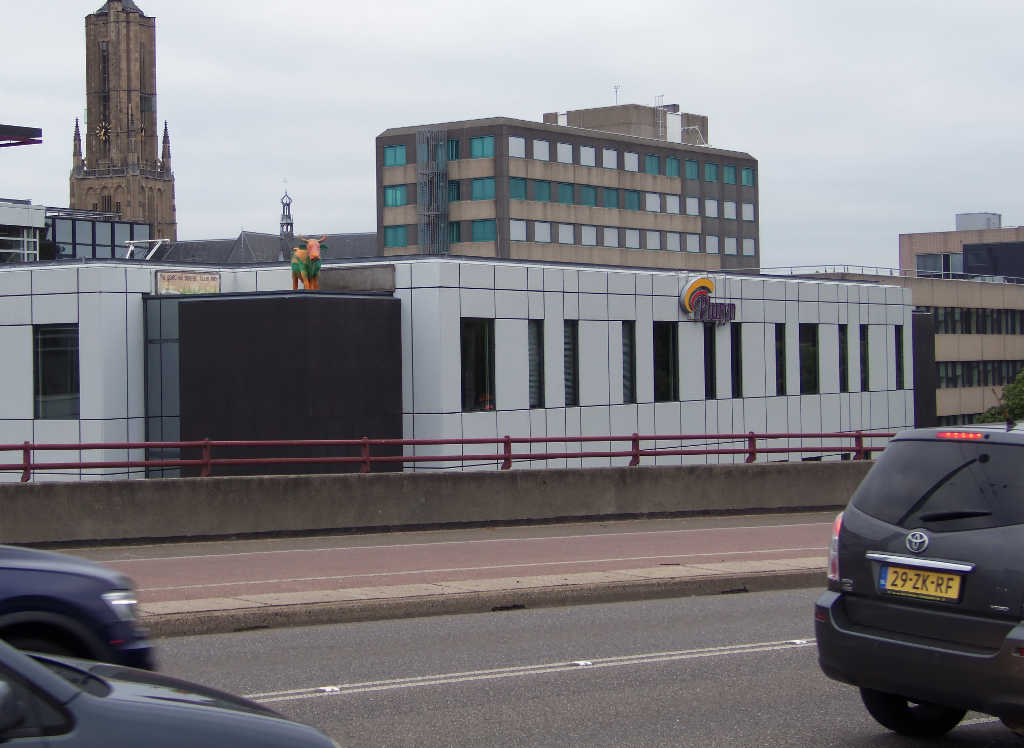
Office blocks dominate the view now.
- Capture 35
- 17 Sep 2019
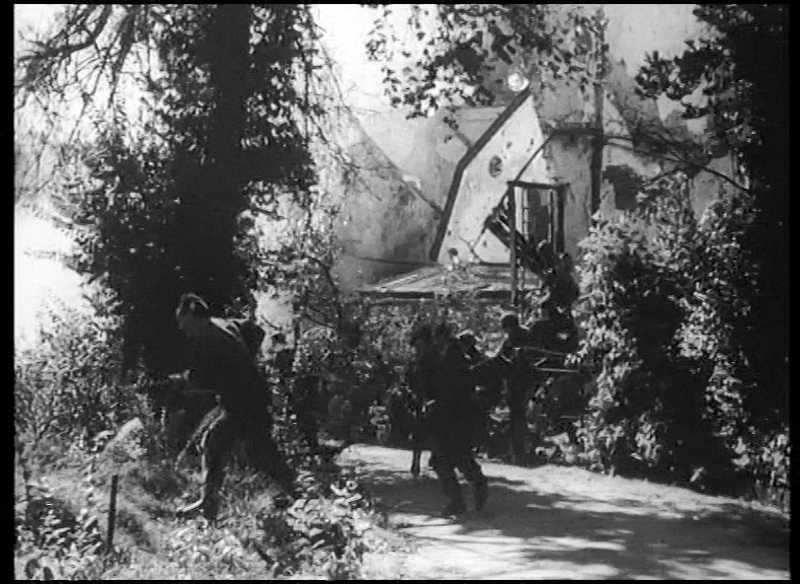
Monday, September 18th. Fierce fighting is still going on in the outskirts of Arnhem as the Parachute battalions press on against rapidly increasing German resistance. This is Fangmanweg, Oosterbeek, just east of the junction with Weverstraat. On the right of the shot, amongst the trees, we can just make out a window frame and the remains of a wall that would have been part of the villa 'Beekhof'. On the left, behind the tree, is what remains of the villa 'Vredehof', and between the two is the Veenbrink dairy, seen more clearly in capture 64.
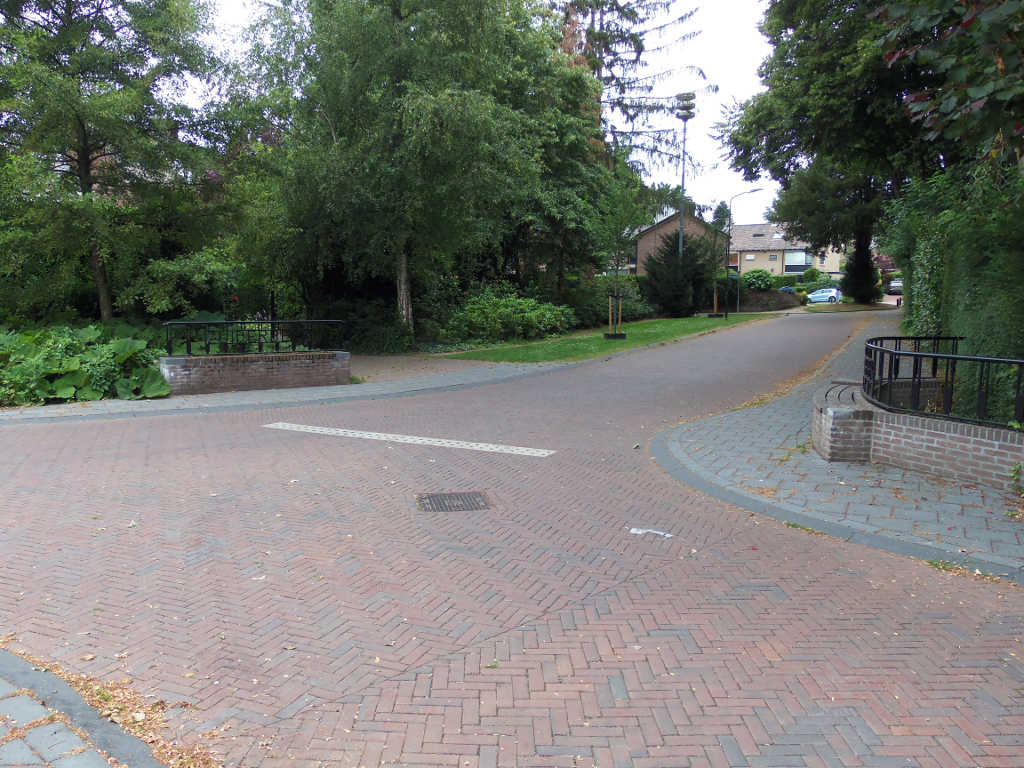
The present-day view from the end of Fangmanweg into Zuiderbeekweg, which here runs just north of the original line of Fangmanweg.
- Capture 36
- 'Now' required
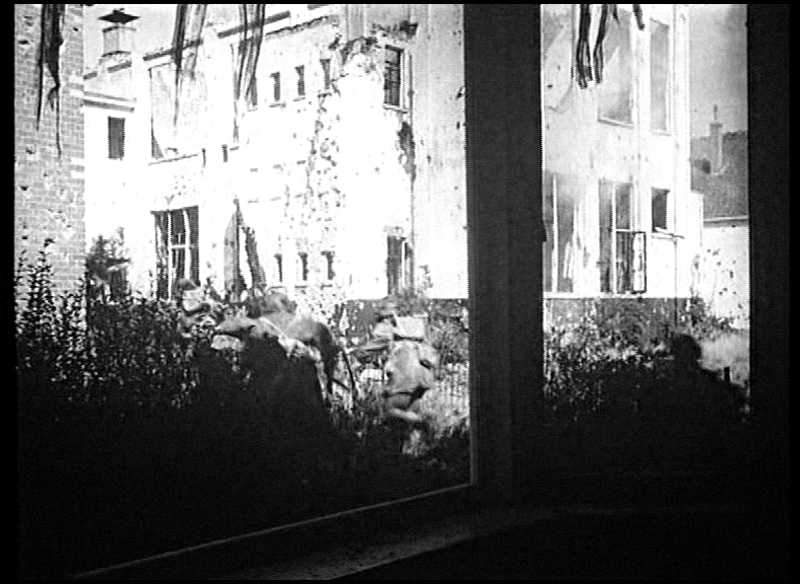
Weverstraat, Oosterbeek, looking across to the junior school (the 'Klompenschool') from inside number 177. No now shot for this one yet, but captures 42 and 53 show the same location viewed from the opposite direction.
- Capture 37
- 17 Sep 2019
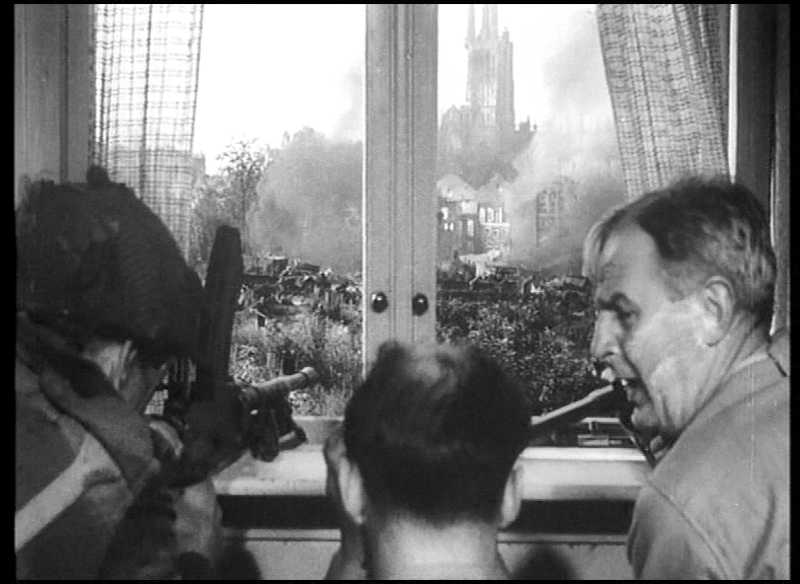
In Arnhem, Major Freddie Gough (right) and two others look out onto the northern bridge approach. The interior view here is entirely consistent with this being shot inside the building in Eusebiusbuitensingel that appears in capture 47.
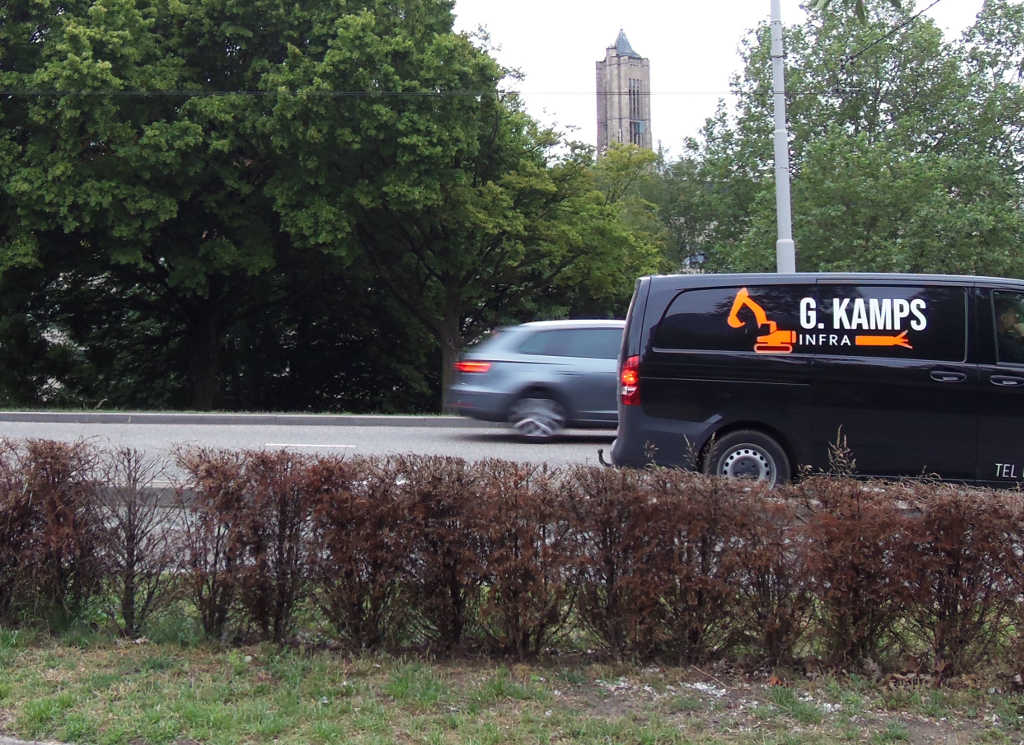
The road runs on an embankment here; this view from the top of the embankment is at about the right height but closer to the road.
- Capture 38
- 17 Sep 2019
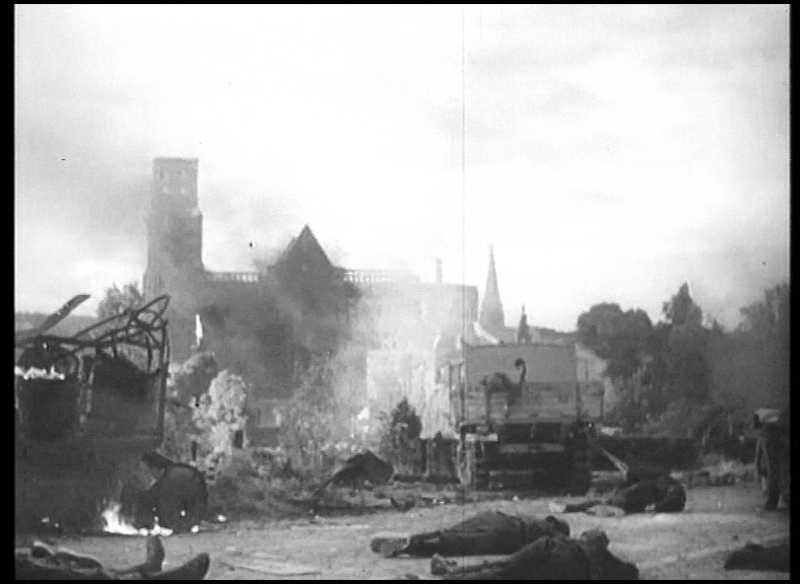
The view from Brigade HQ by the bridge shows the bridge ramp strewn with bodies and destroyed armour.
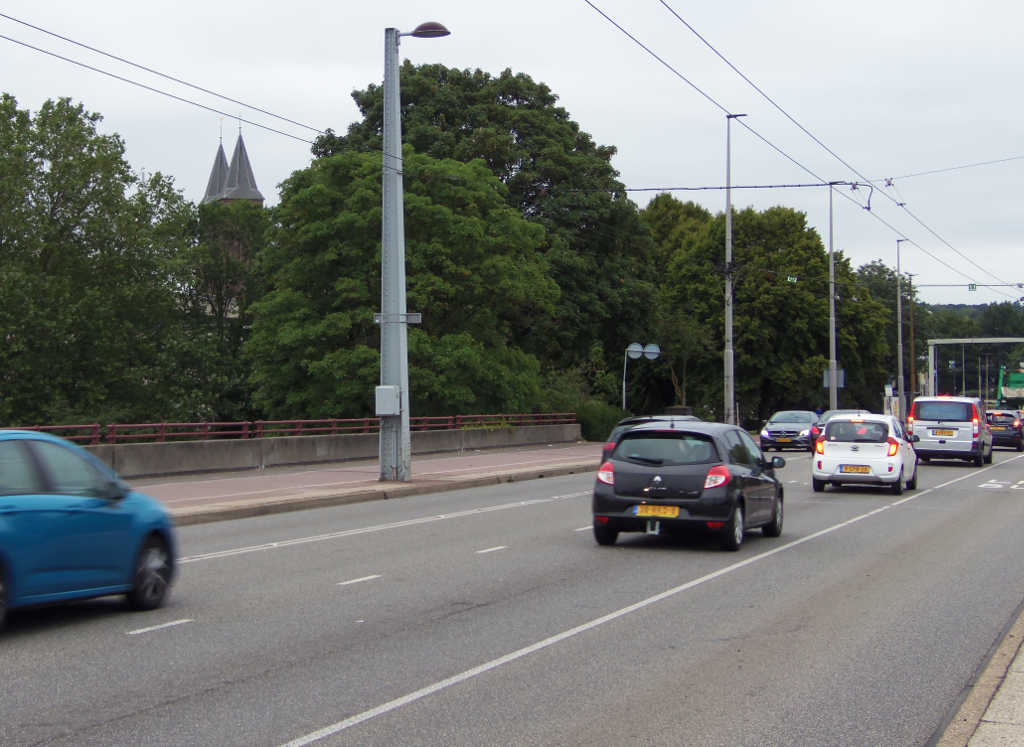
Taken from a little further south to keep the towers of the Walburgiskerk in view.
- Capture 39
- 17 Sep 2019
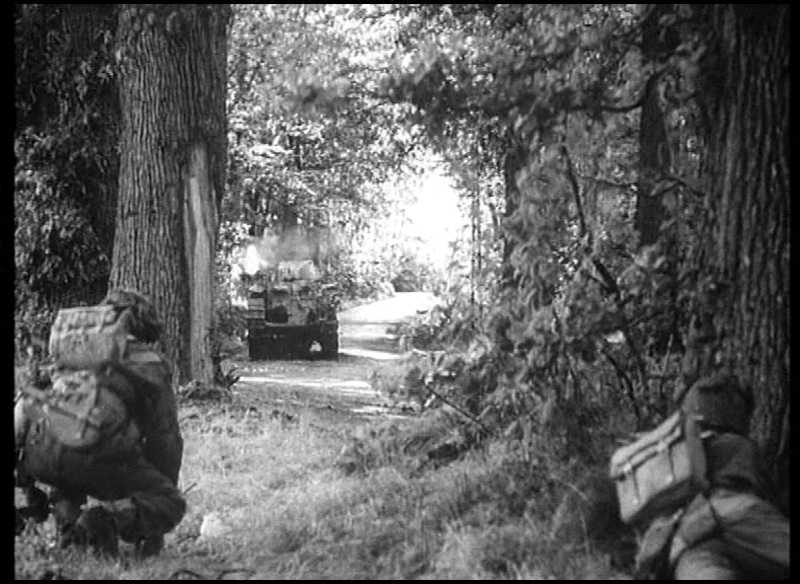
Tuesday, September 19th. Troops from the second lift, trying to fight their way to the bridge, encounter a German tank on Benedendorpsweg, just west of the junction with Van Borsselenweg.
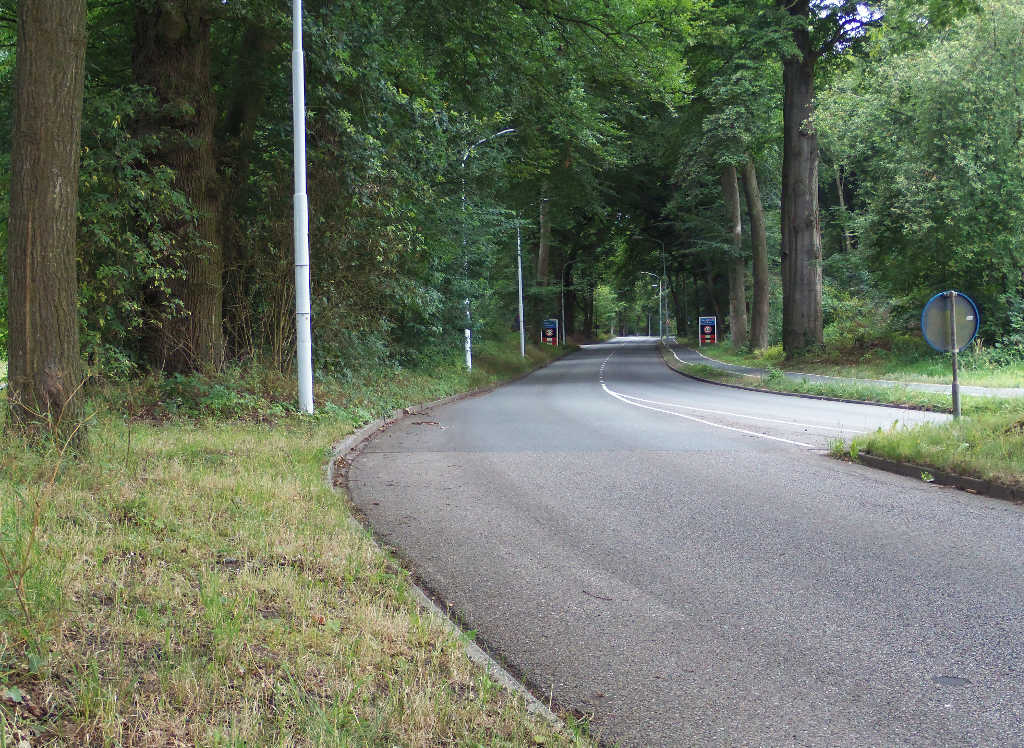
The road has been widened here, and some of the trees have obviously been lost.
- Capture 40
- 17 Sep 2019
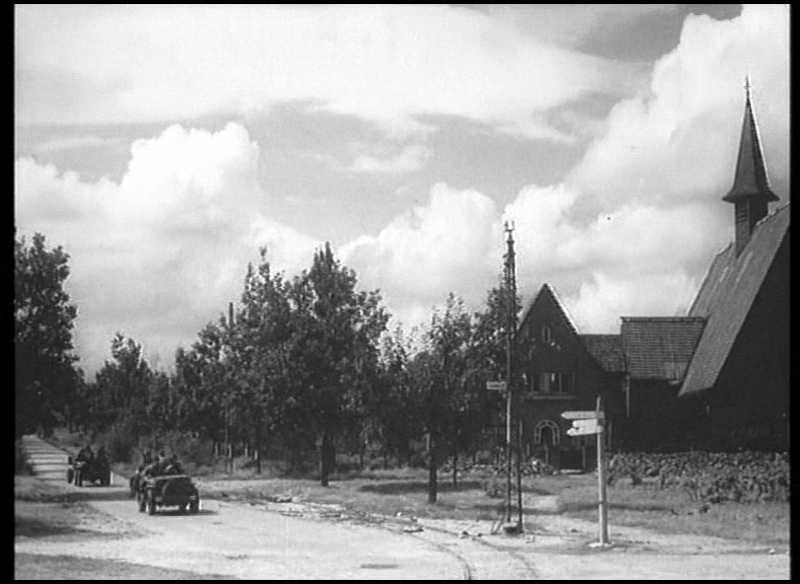
Jeeps from the second lift reach a road junction. Van der Molenallee, Doorwerth, at the junction with Van der Molenplein, with the Onze Lieve Vrouw van Lourdes Roman Catholic church on the right of the shot.
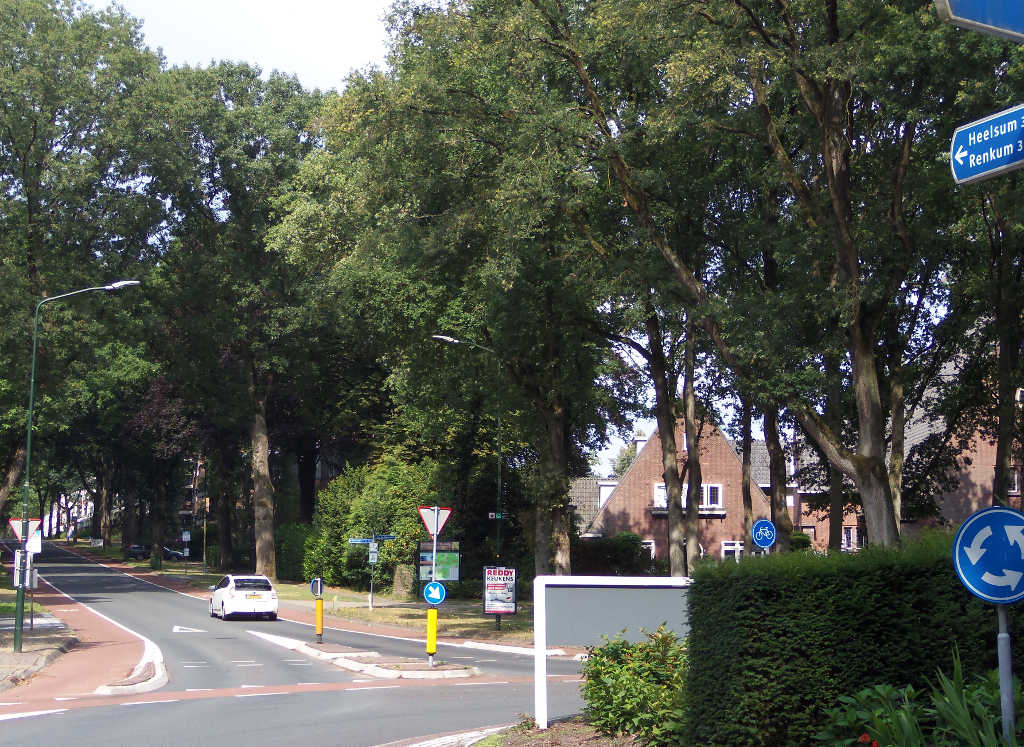
Still just about visible amongst trees.
- Capture 41
- 17 Sep 2019
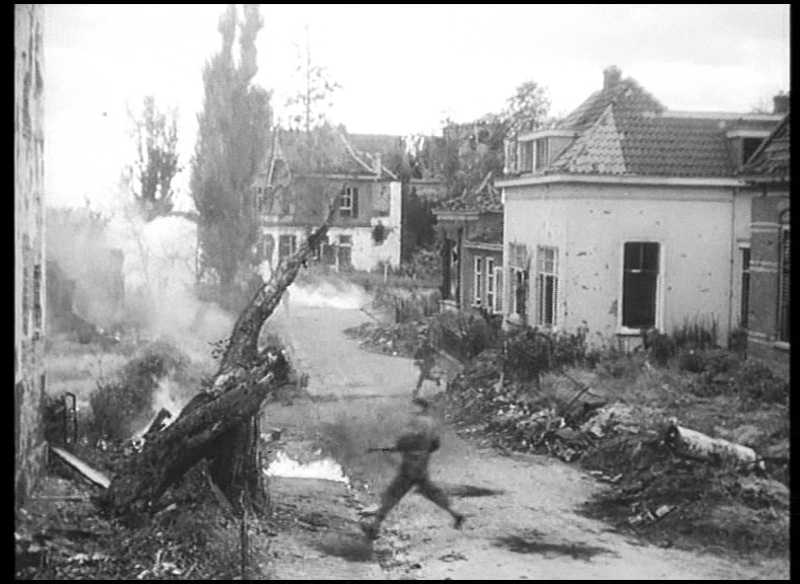
Soldiers run from cover to cover. This is a view down Weverstraat, Oosterbeek, towards Benedendorpsweg. The white house on the right is the present-day number 179/177. The mismatched roof tiles show that repairs are already under way.
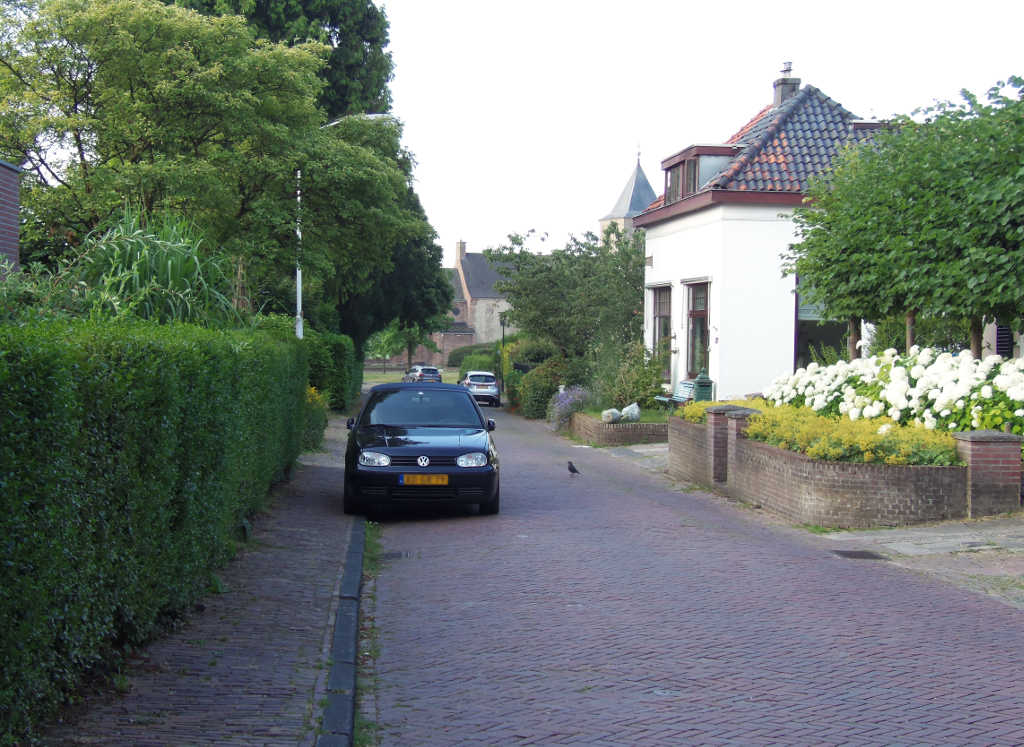
Despite being badly damaged, the house has survived, as has the nearer one on the extreme right of shot, now hidden behind trees and flowers.
- Capture 42
- 17 Sep 2019
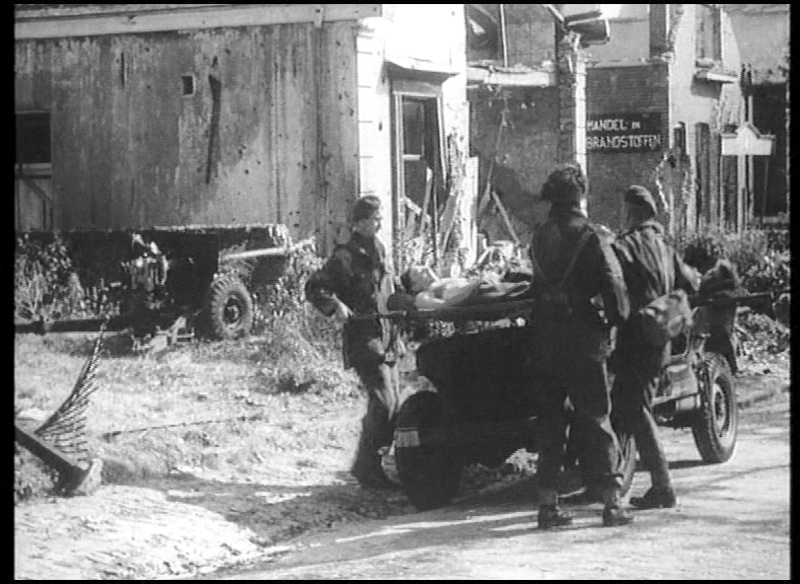
A jeep collects a casualty outside van Witkamp's bakery. Further back, with the sign 'Handel in Brandstoffen', is van Manen's coal merchants.
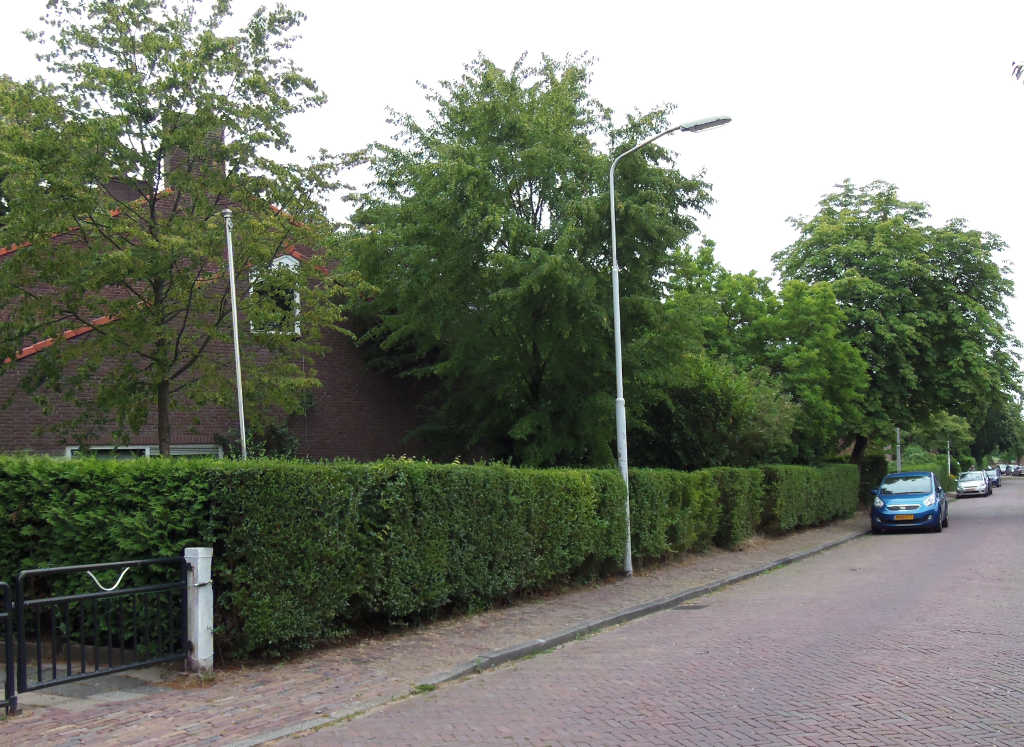
All severely damaged, and demolished after the war.
- Capture 43
- 17 Sep 2019
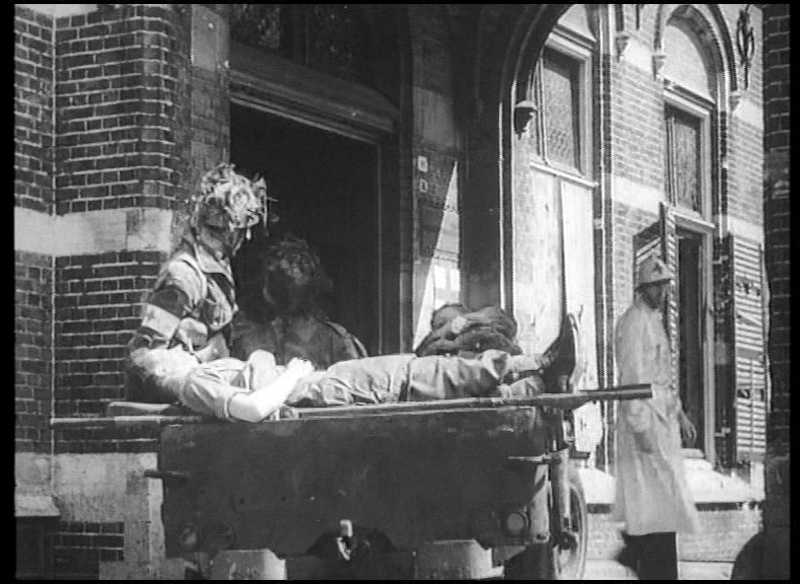
Casualties are brought into the Sint Elisabeth hospital on Utrechtseweg in Arnhem.
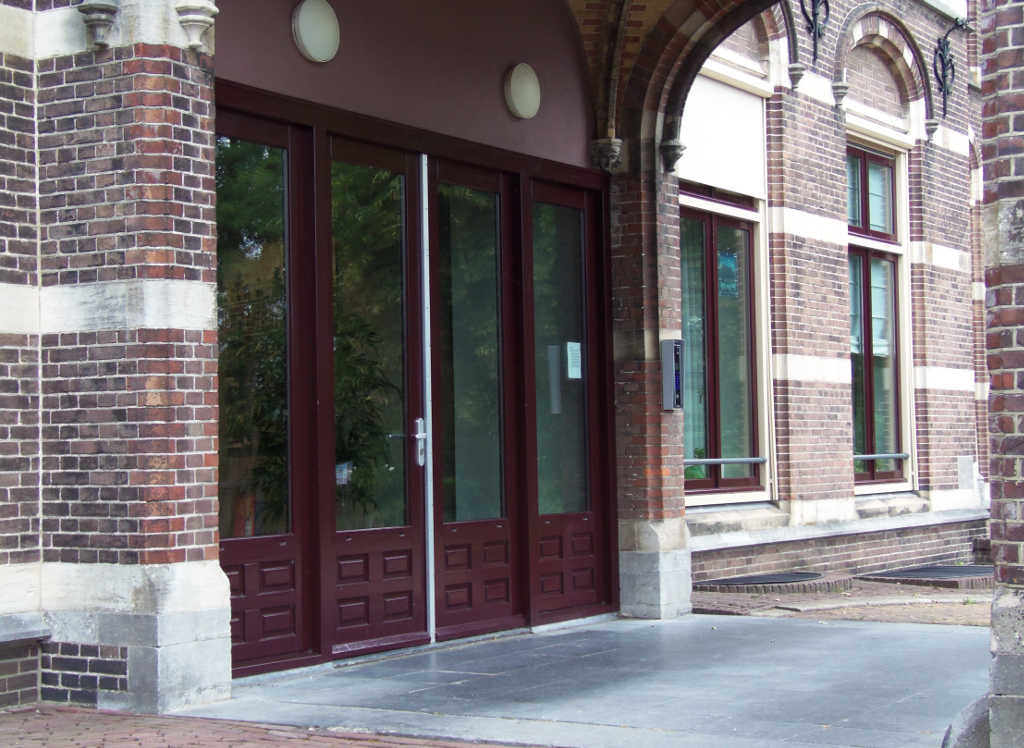
Modern doors and windows, but little other conspicuous change.
- Capture 44
- 'Now' required
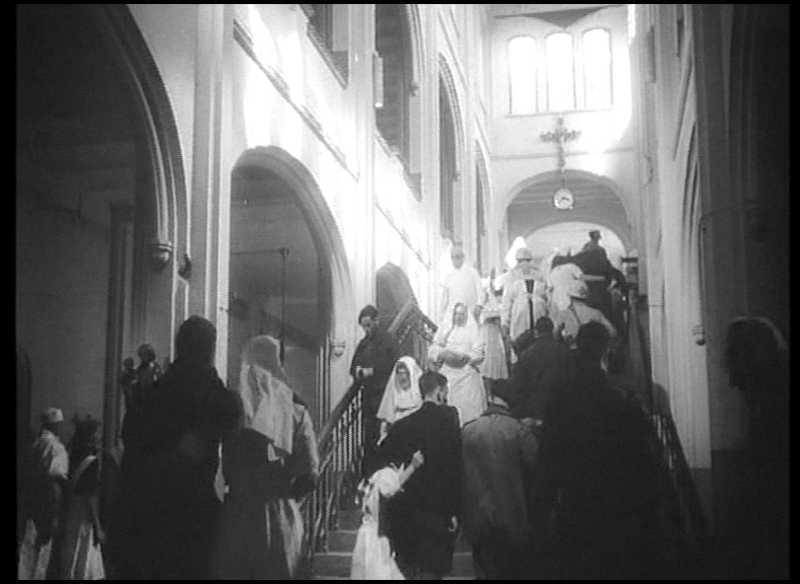
The interior of the hospital is crowded with casualties and medical staff.
- Capture 45
- 17 Sep 2019
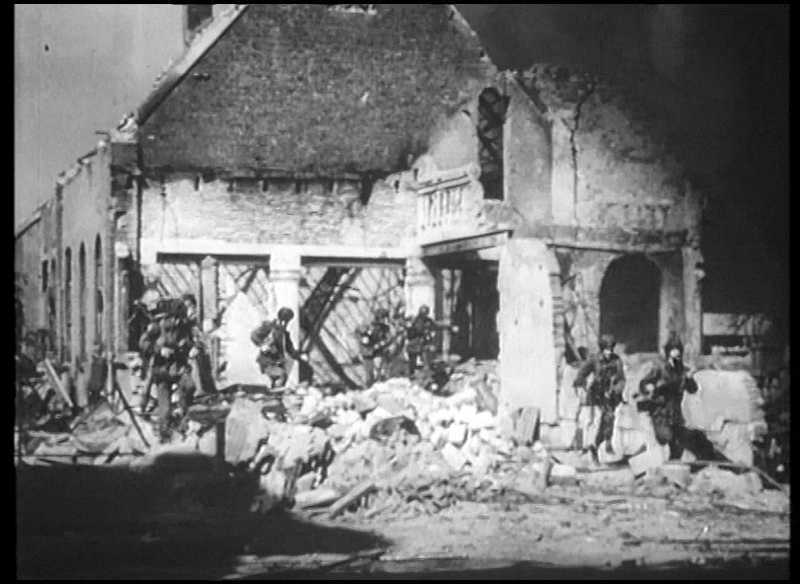
Wednesday, September 20th. Men of the 2nd Parachute battalion charge the German units under the bridge ramp. The back of the municipal pumping station and smithy in Kadestraat, west of the bridge.
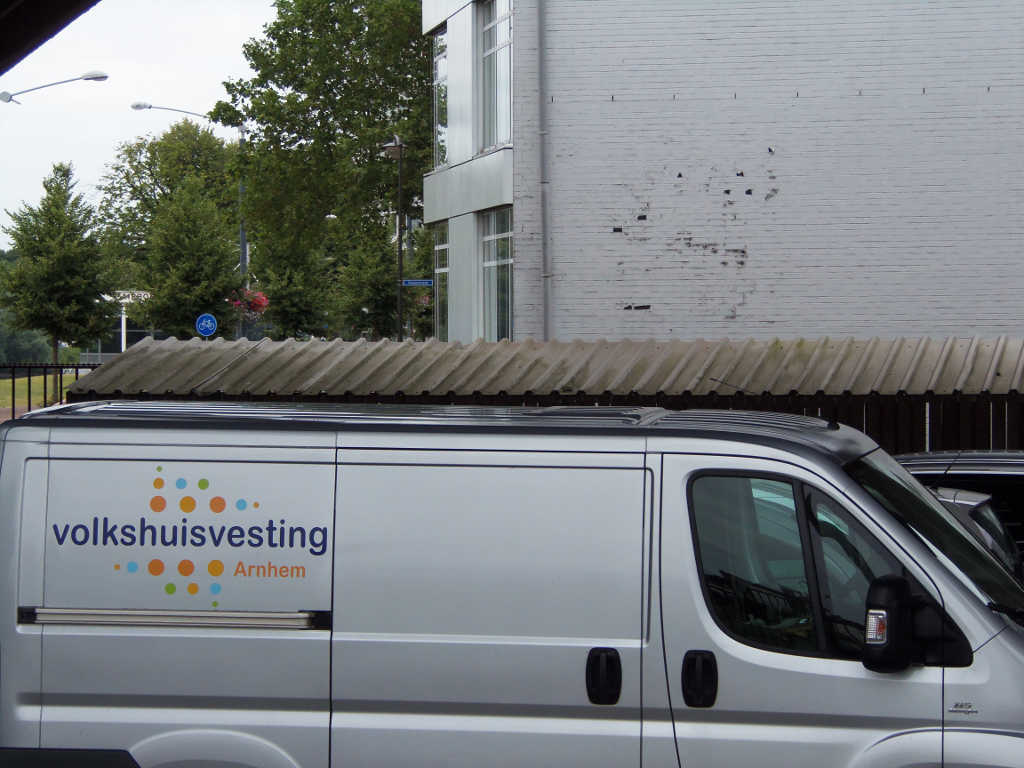
Taken from under the bridge. A car park occupies part of this area now.
- Capture 46
- 17 Sep 2019
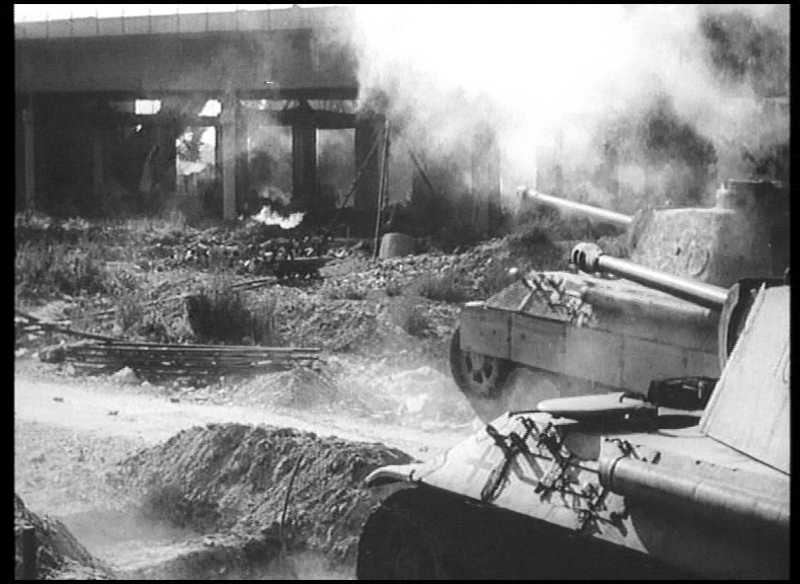
German tanks fire on the British under the bridge's approach ramp. View southwest towards Rijnkade.
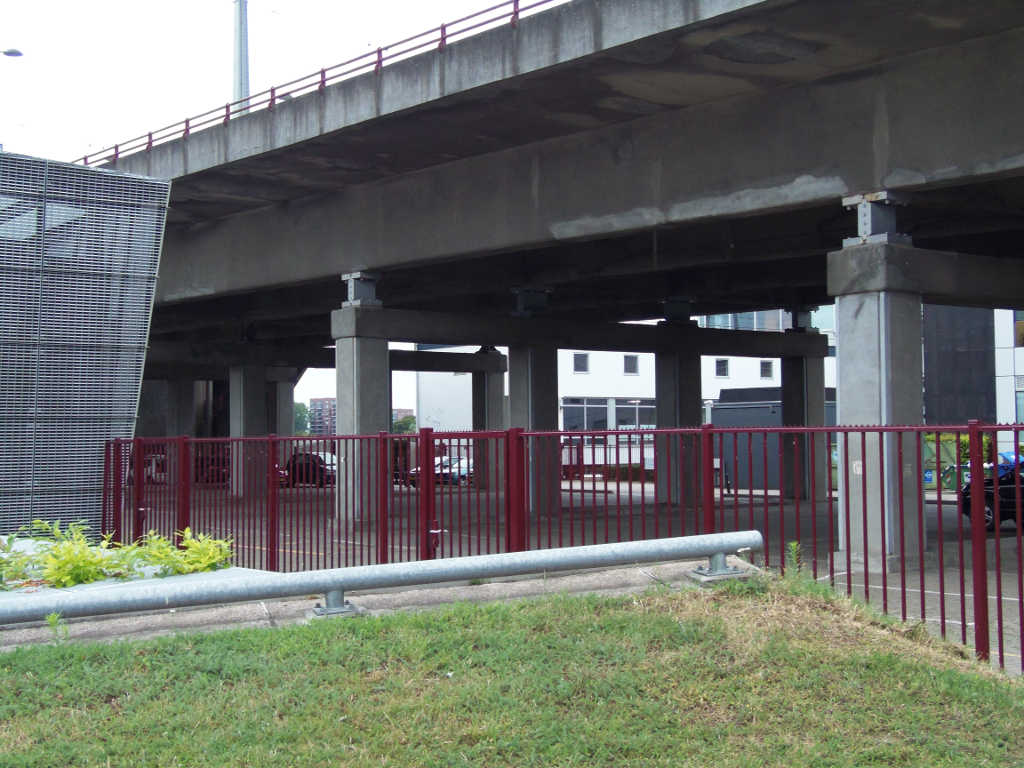
A new pumping station (on the left of this shot) sits just about where the tanks are in the screen grab.
- Capture 47
- 17 Sep 2019
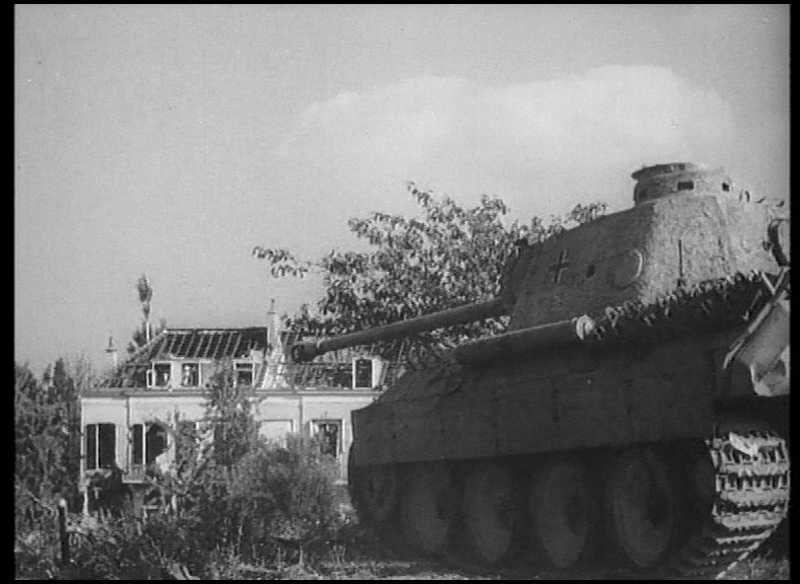
A German tank prepares to fire on a building near the bridge. Eusebiusbuitensingel, roughly in the region of present-day number 69; in the preceding frames, the skeletons of gasholders in Westvoortseweg are visible behind the building.
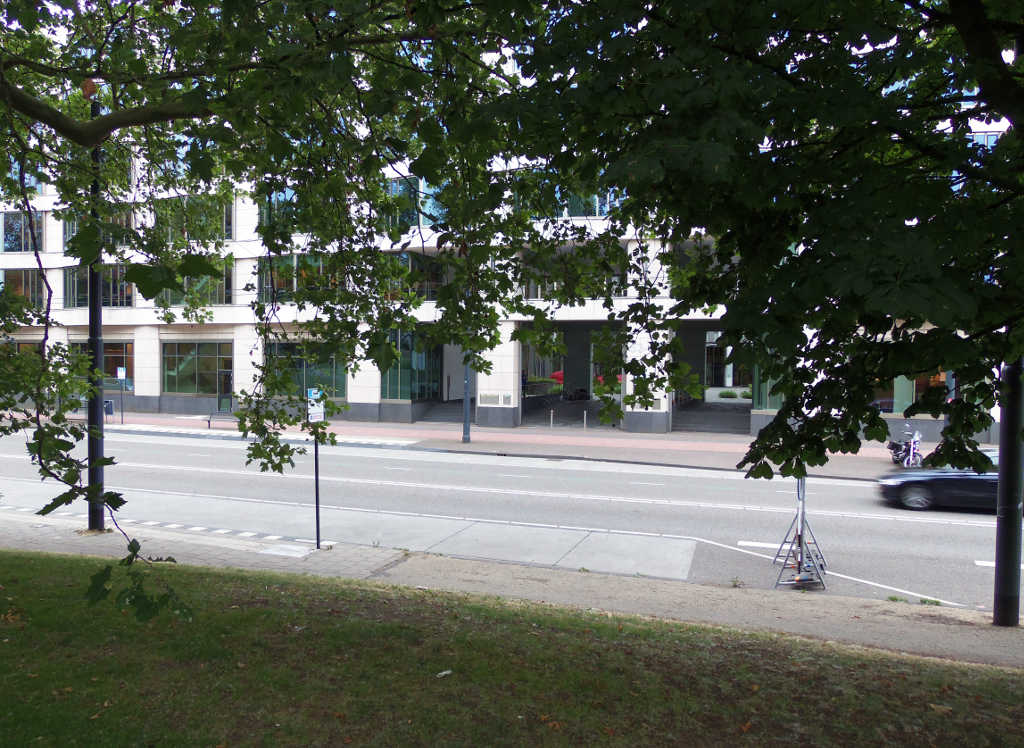
The offices of the Ministry of Infrastructure and Water Management now extend along this part of Eusebiusbuitensingel.
- Capture 48
- 17 Sep 2019
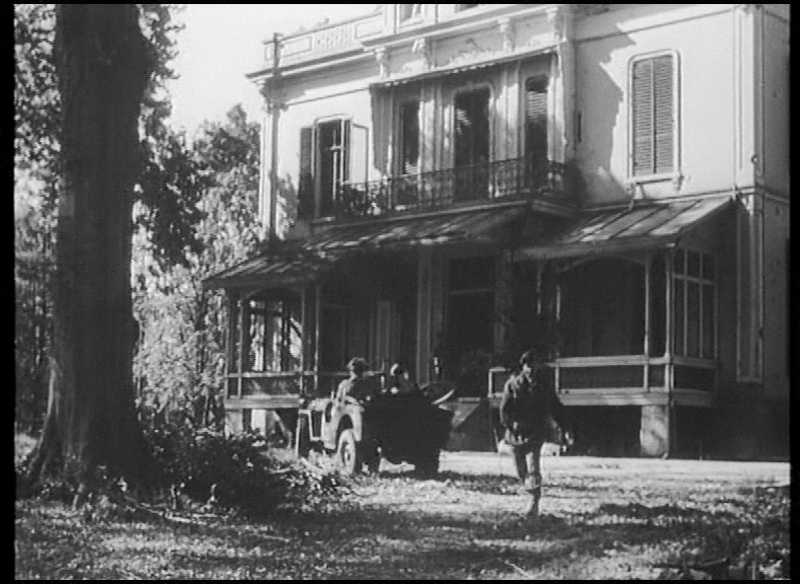
Thursday, 21st September. Lieutenant Colonel Frost's group at the bridge have been overrun. The remaining units withdraw to a tight perimeter centered on the Hartenstein Hotel in Oosterbeek. Here we see the south side of the hotel.
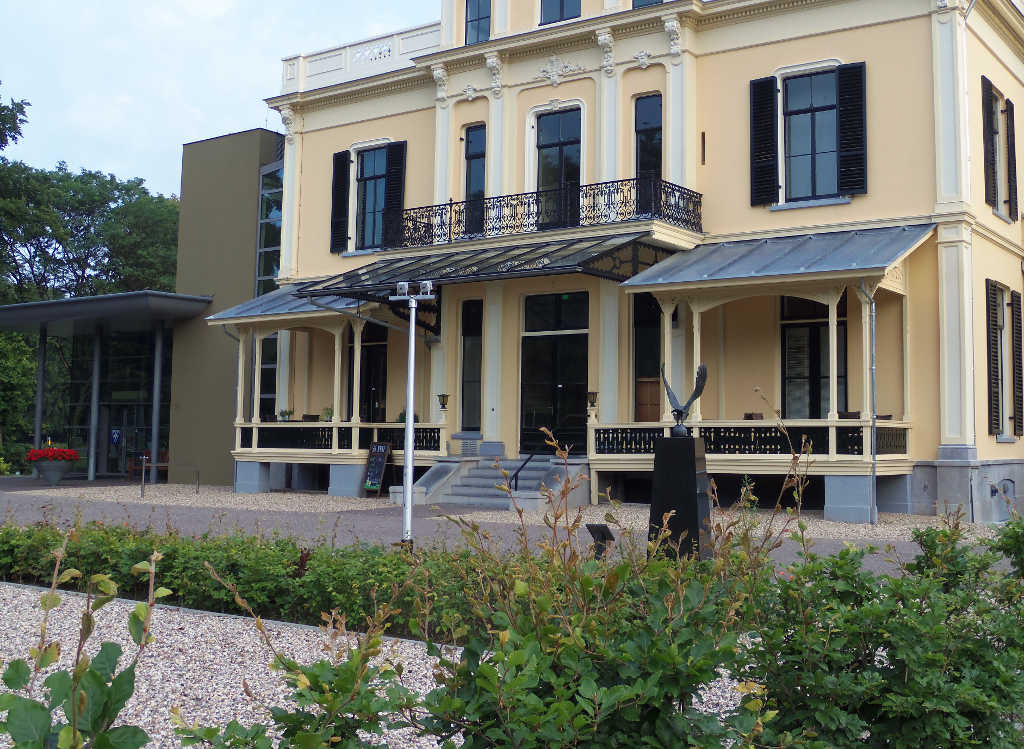
Now with a modern entrance to the west, added in 2009.
- Capture 49
- 17 Sep 2019
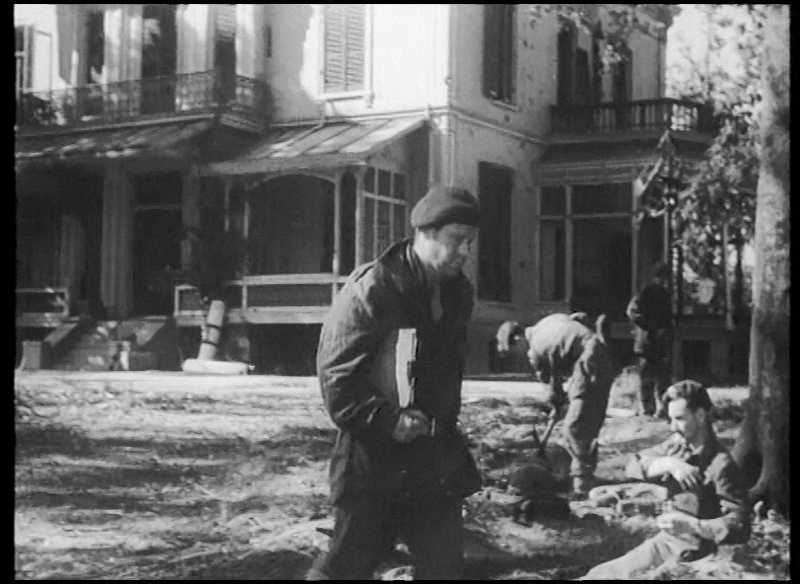
In the grounds, just southeast of the hotel, soldiers are digging in.
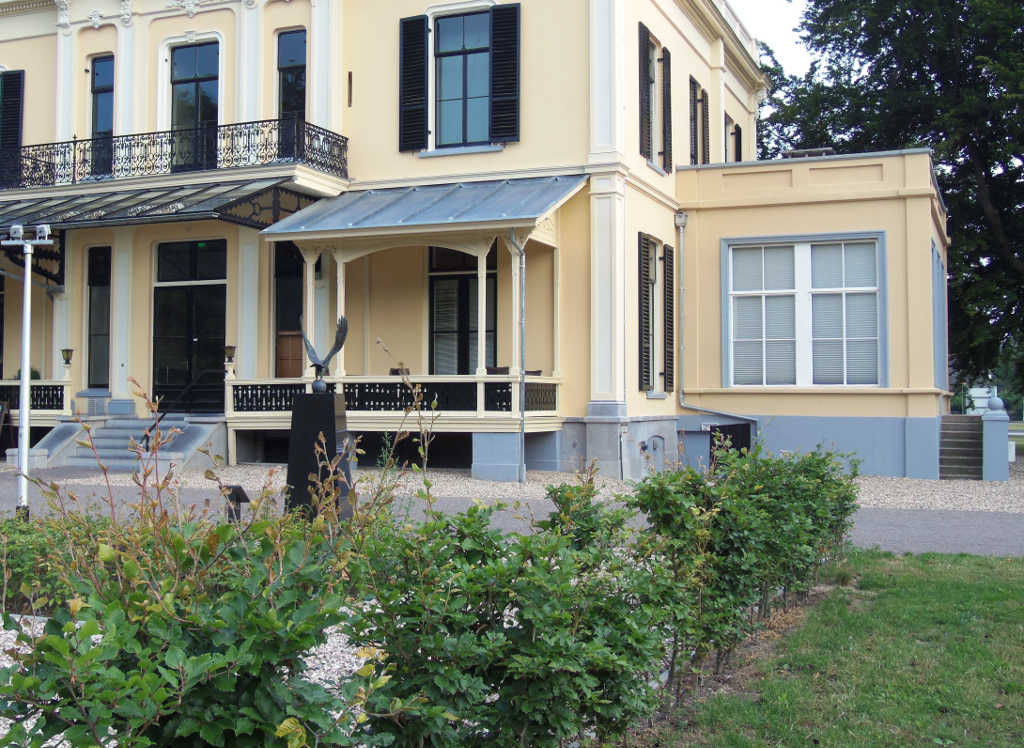
Under the gravelled area visible through the bushes on the left, a large basement extension houses the 'Airborne Experience' exhibition.
- Capture 50
- 17 Sep 2019
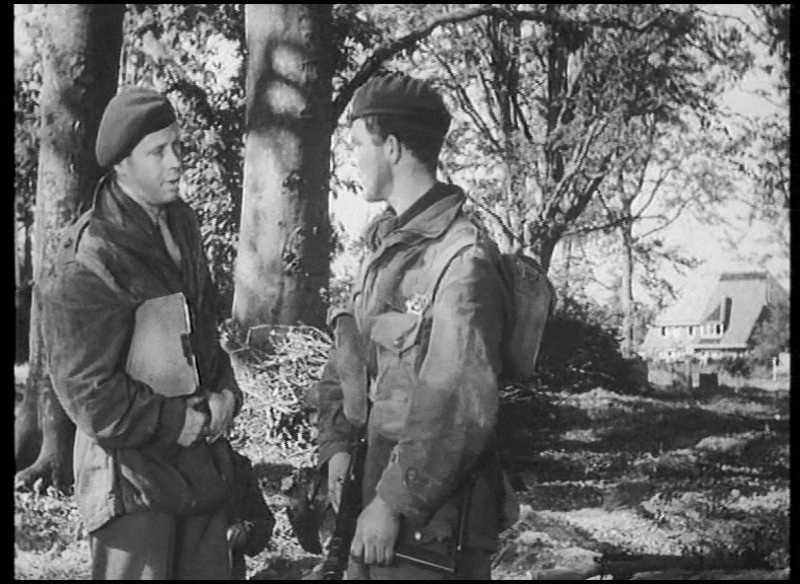
Behind the new arrivals we catch a glimpse of the house 'Reeborgh' in Hartensteinlaan.
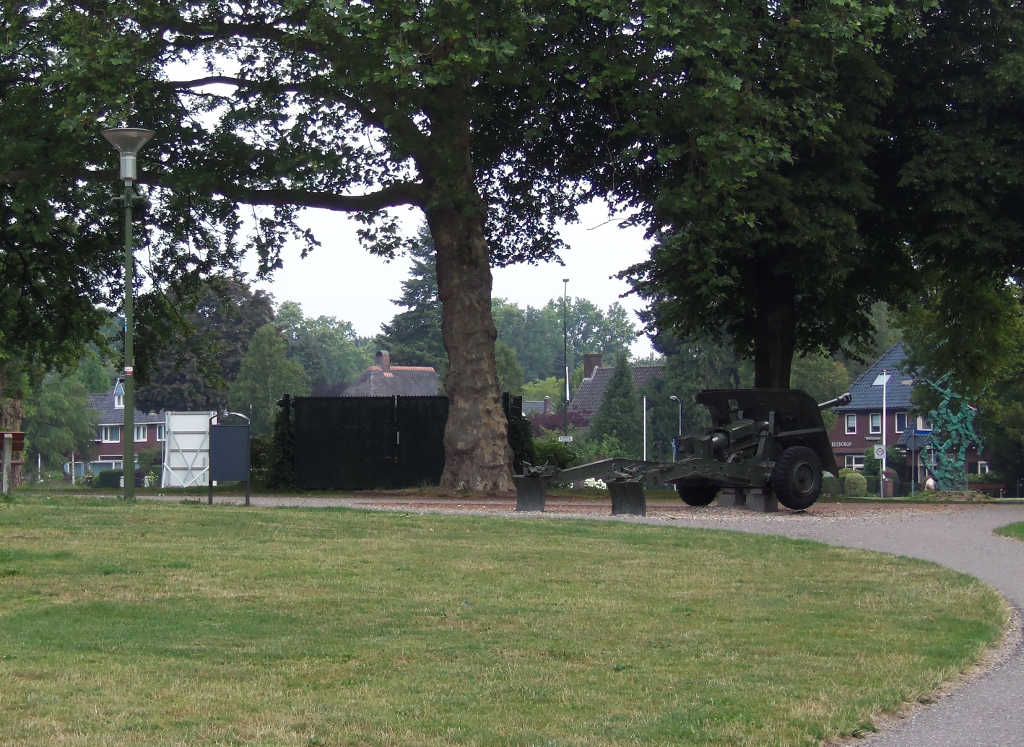
The same 17-pounder anti-tank gun seen in capture 29 now occupies a spot in the grounds here.
- Capture 51
- 17 Sep 2019
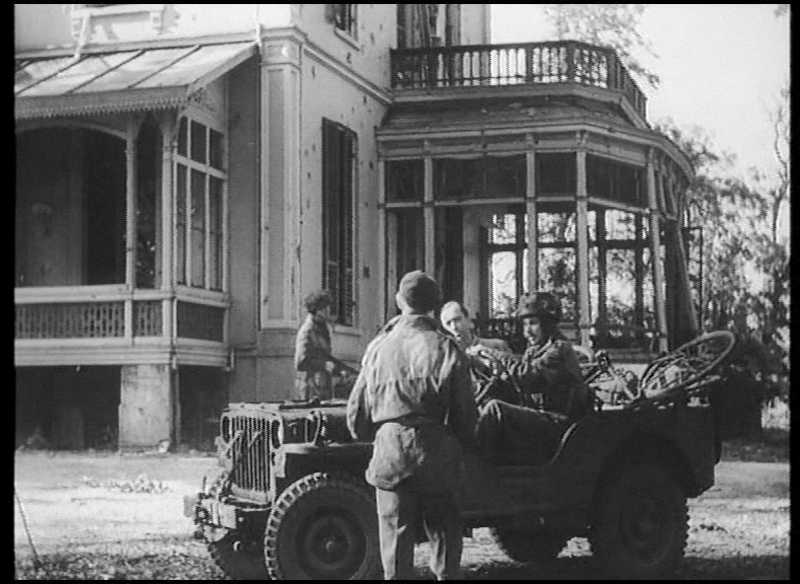
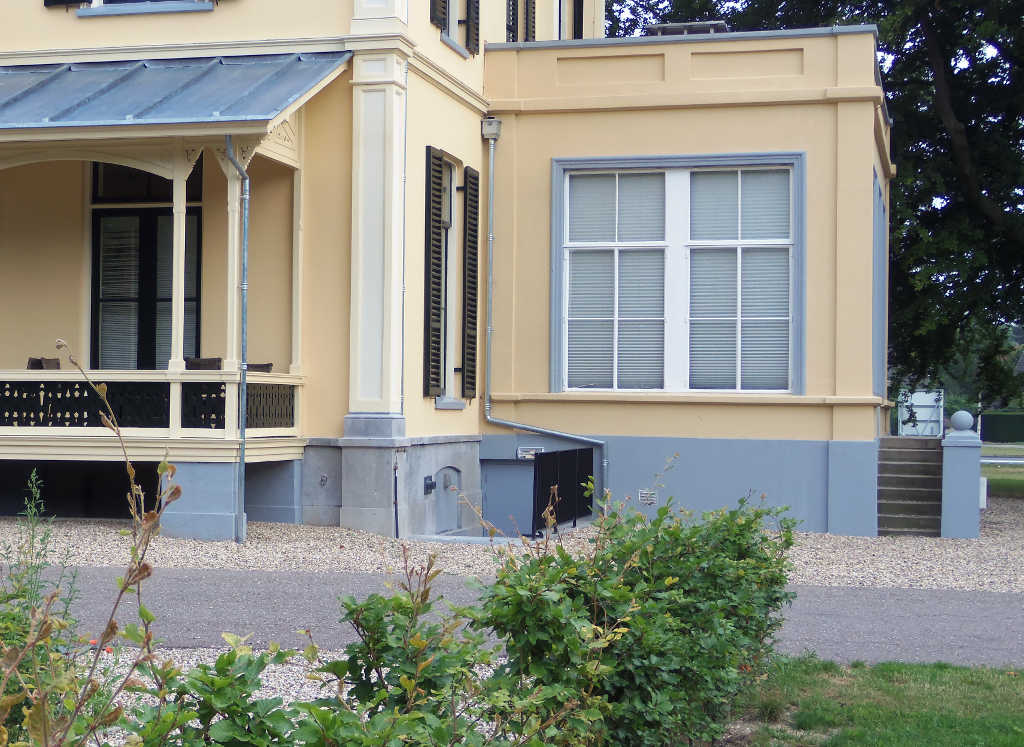
More arrivals at Hartenstein, including van Helder, a Dutch contact, who brings the message that it's all over at the bridge. The east side of the hotel.
- Capture 52
- 17 Sep 2019
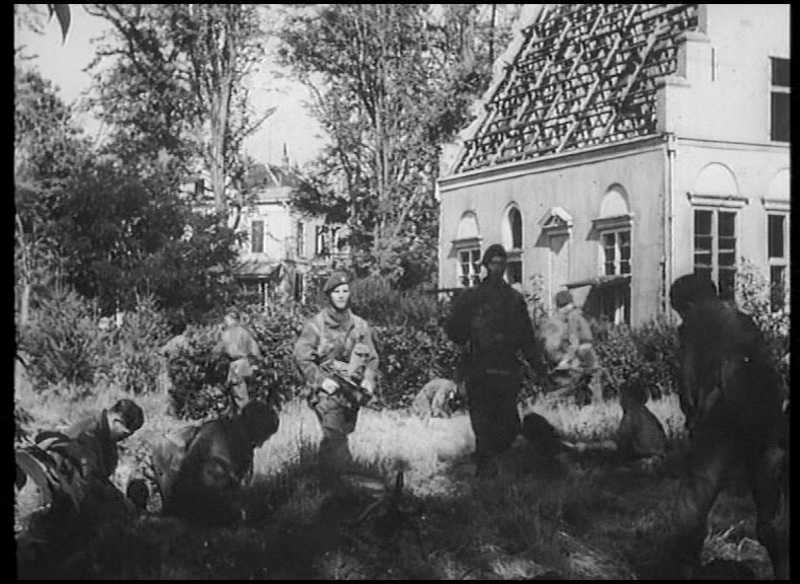
More digging in. The hotel is now further away in the background; the building on the right doesn't appear to have survived.
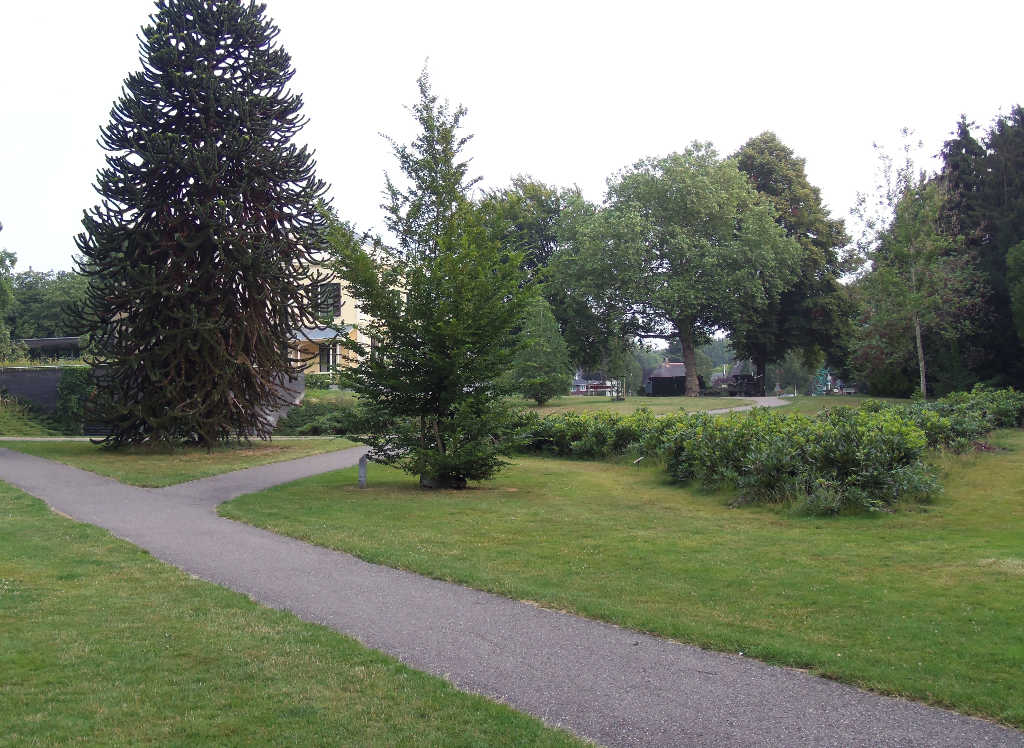
The view today, with a large monkey puzzle tree south of the hotel, and a glimpse of Hartensteinlaan in the background.
- Capture 53
- 17 Sep 2019
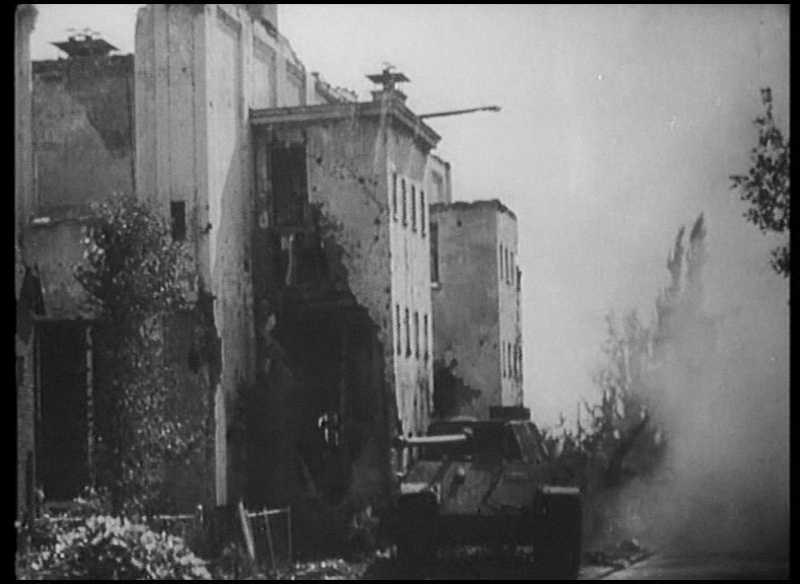
Now that the force at the bridge has been wiped out, the Germans concentrate all their attacks on the Hartenstein perimeter. This is Weverstraat again; outside the junior school a German tank is in action.
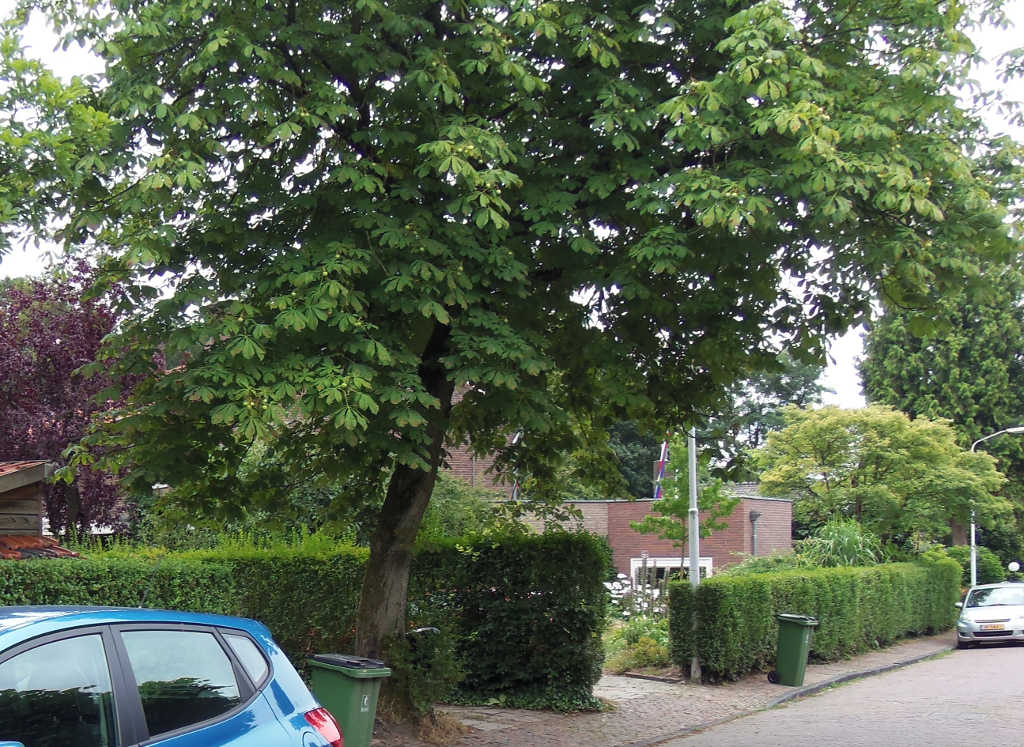
The school was demolished after the war, and houses stand behind the hedges and trees. This horse chestnut tree is just about where the north west corner of the school would have been.
- Capture 54
- 17 Sep 2019
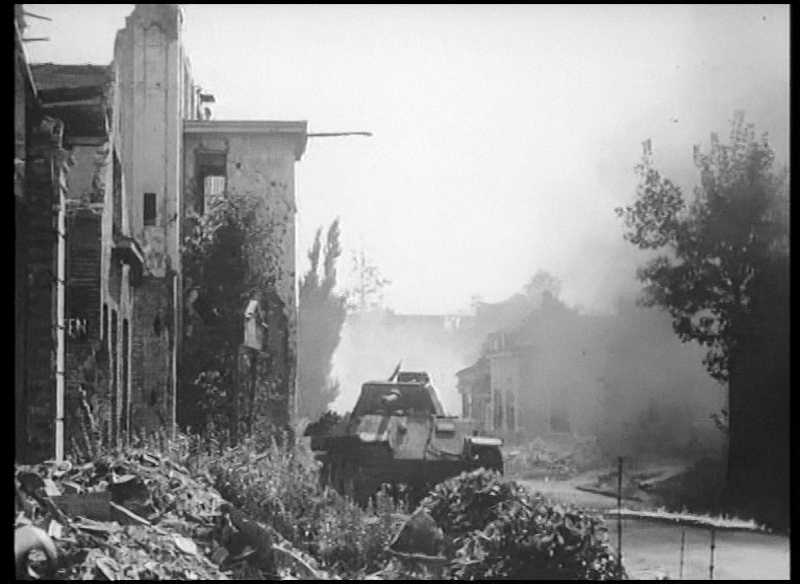
The camera pans to show a view south down Weverstraat. On the right, through the smoke, present-day number 179/177 and just barely visible 175/173.
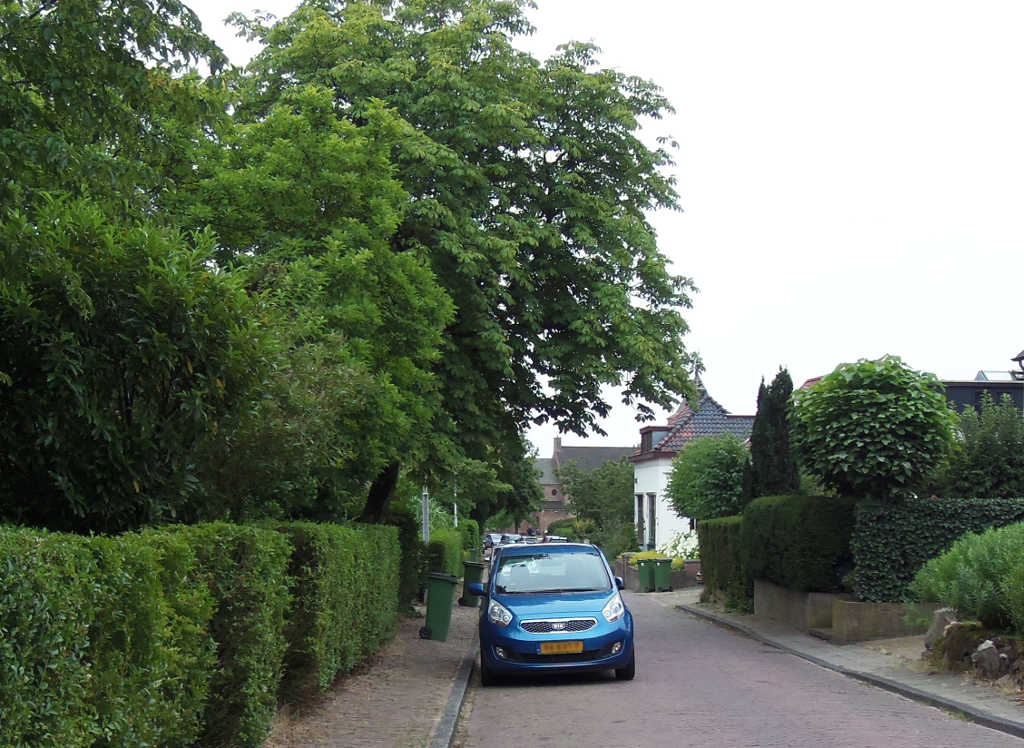
With the loss of a large house that stood further down Weverstraat, the restored Oude Kerk on Benedendorpsweg is visible behind the surviving houses.
- Capture 55
- 'Now' required
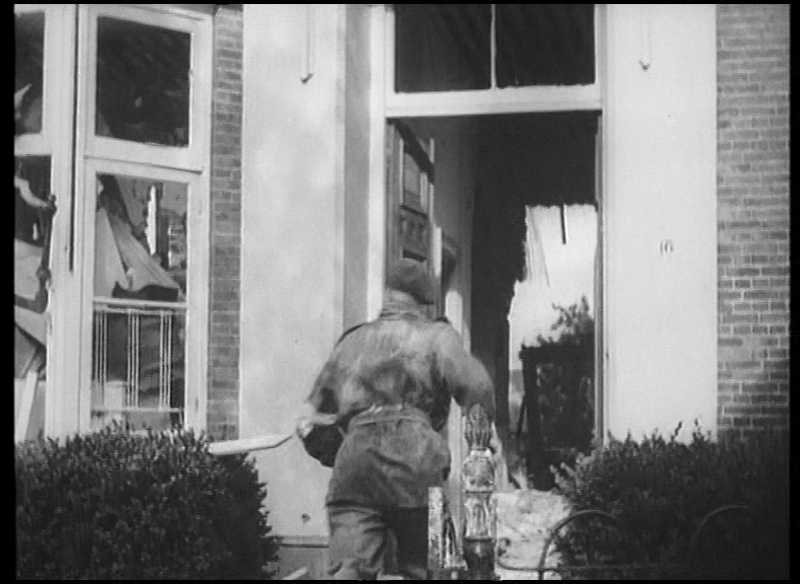
Ducking and weaving, a messenger runs into a house. That looks like number 16 on the doorway; perhaps this is Ploegseweg, which at this stage formed the eastern edge of the perimeter.
- Capture 56
- 'Now' required
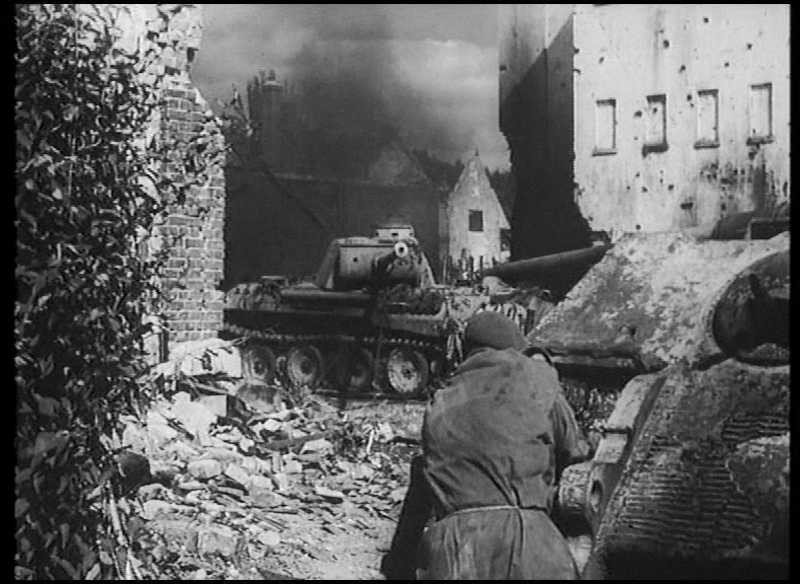
Outside the house another tank is engaged. Continuity becomes a bit random here, as this is Weverstraat. We are behind the knocked-out Tiger seen in capture 65, with van Veelen's mill house to our left and the school opposite.
- Capture 57
- 17 Sep 2019
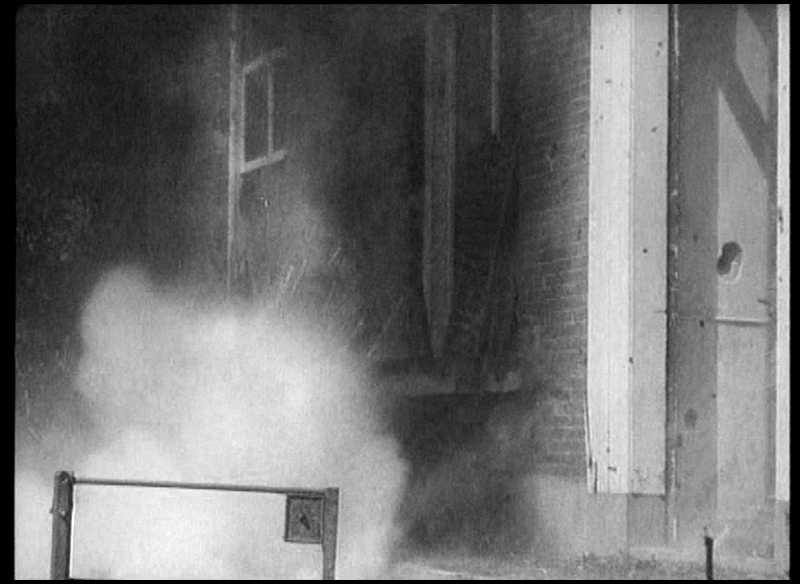
A shell from the tank strikes the front of the house. A different location again; this is the front of the villa Buitenrust, on Benedendorpsweg, seen more clearly in capture 67.
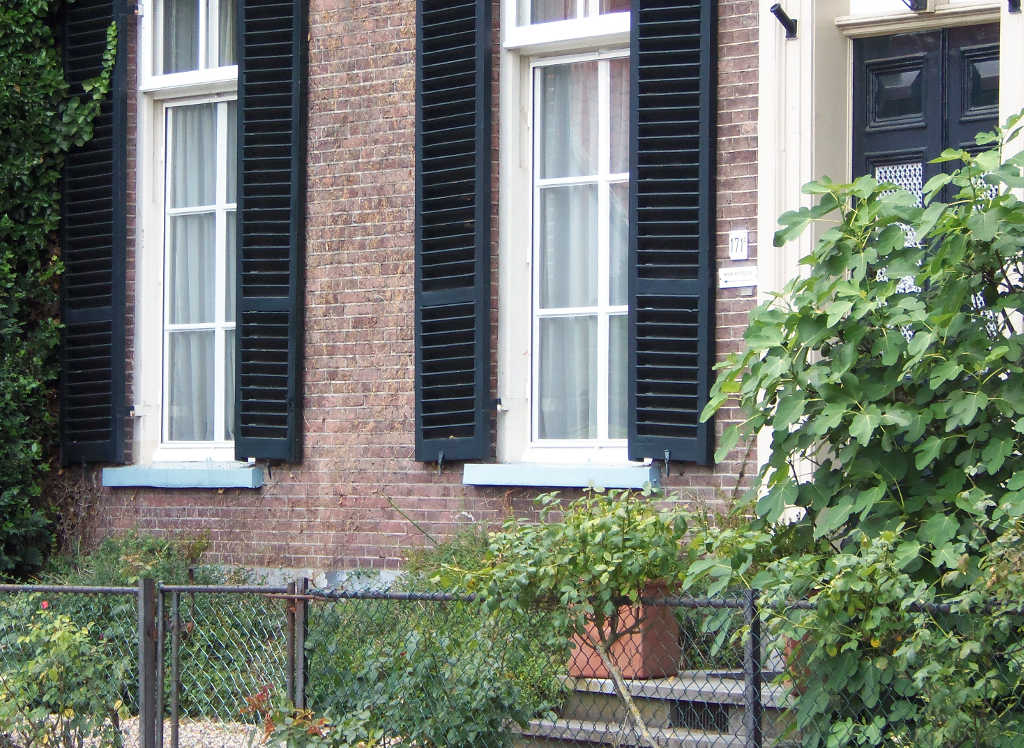
Buitenrust survives today.
- Capture 58
- 17 Sep 2019
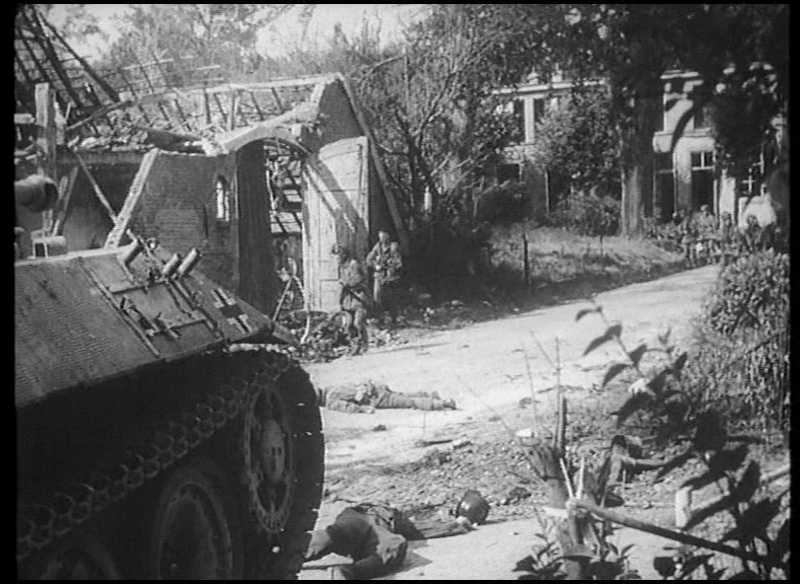
Friday September 22nd, Weverstraat. The De Graas farmhouse is just out of sight on the left. On the right, behind the tree, the guesthouse 'Zuiderzicht', opposite the corner of Fangmanweg.
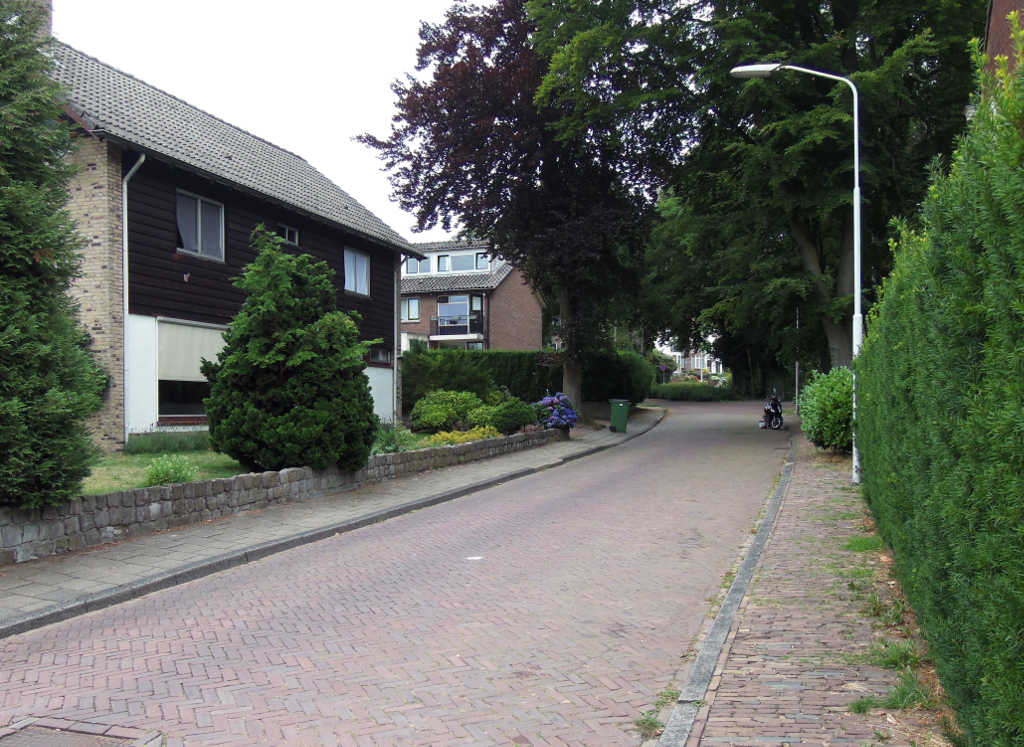
Looking northwards. The farmhouse was completely destroyed in the battle. The guesthouse survived, but has subsequently been demolished. New houses stand here today.
- Capture 59
- 'Now' required
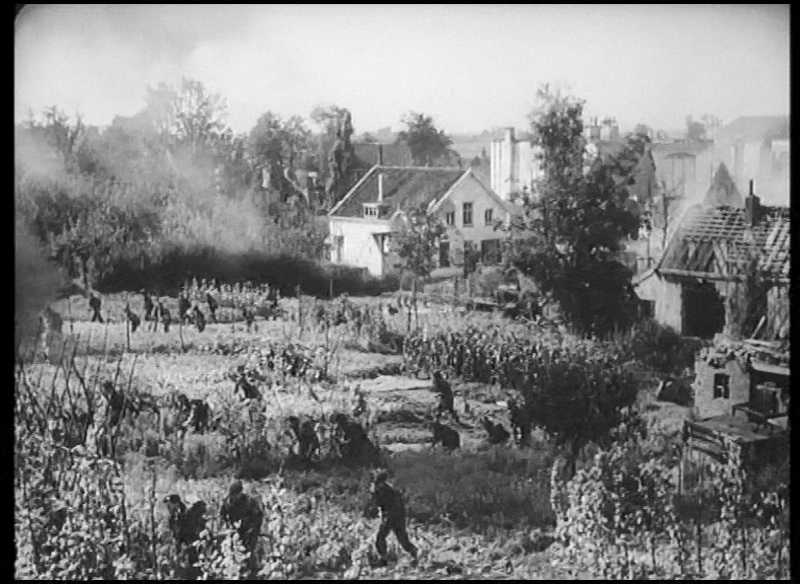
From Weverstraat the men move east through gardens and allotments. The square lines of the school in the background, seen from the rear. In the far background, extreme right of shot, the roof of the concert hall is visible.
- Capture 60
- 17 Sep 2019
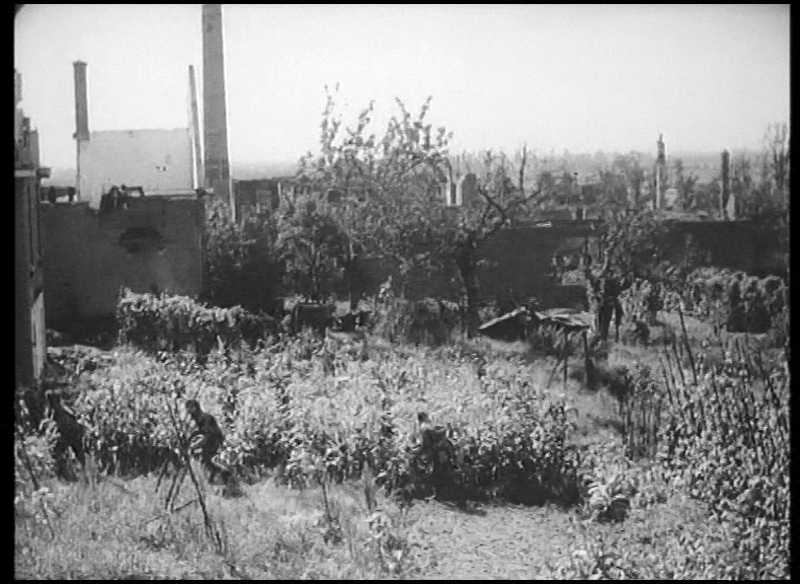
As they move east, the tall chimney of the van Hofwegen laundry on Ploegseweg comes into view.
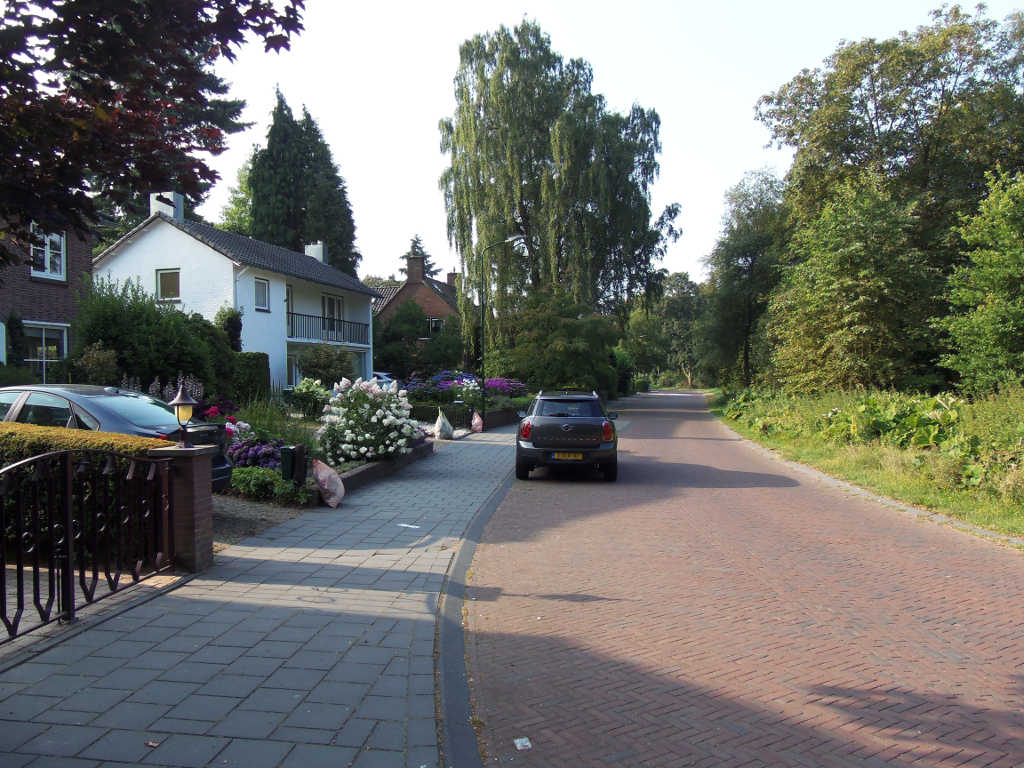
The open ground in captures 59 and 60 is now occupied by Zuiderbeekweg, laid in 1953; this view from the junction with Fangmanweg is about as close as I could get for those two captures. Beyond the large tree in the centre of the shot, to the left, lies the entrance to Matzer van Blooisplantsoen, which occupies the original location of van Hofwegen's laundry. Opposite, the schoolmaster's house would have been just to the right of the present road.
- Capture 61
- 17 Sep 2019
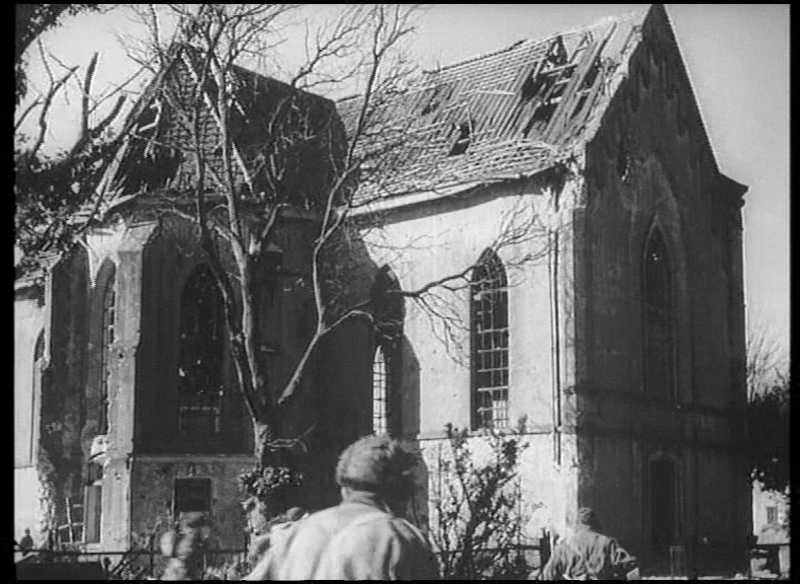
The remnants of four batallions rally at Oosterbeek church.
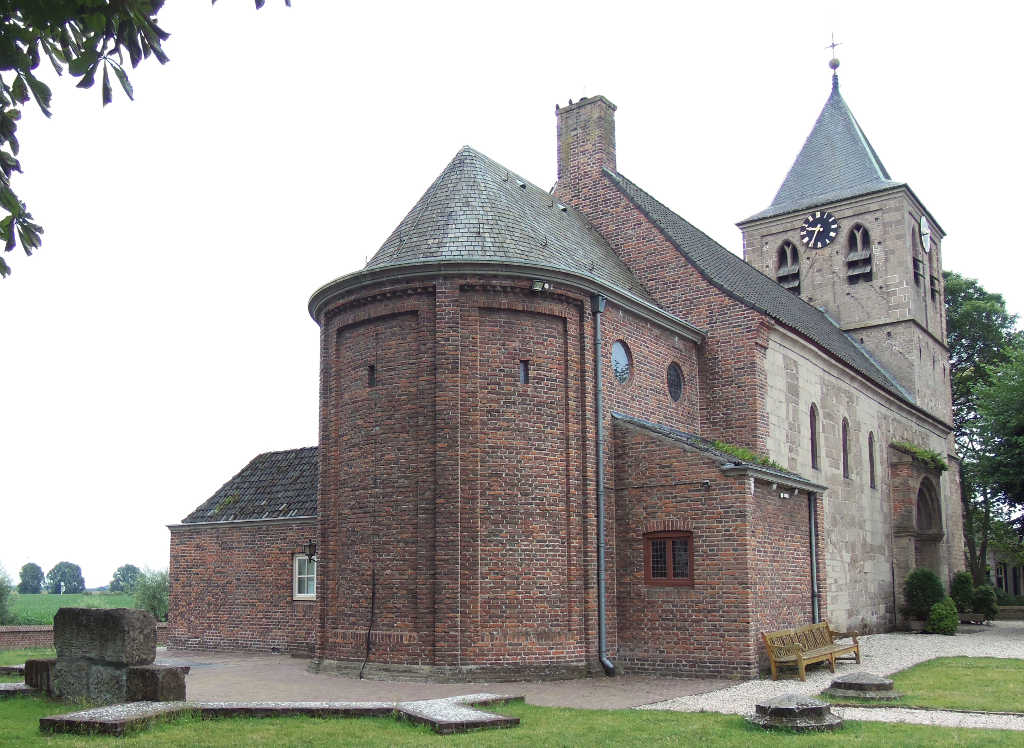
The church today, here viewed from the northeast, has changed considerably. After the war, the 19th century transept and the 15th century gothic choir were demolished and the original 12th century footprint was reinstated. The stonework on the ground in the foreground indicates the previous location of the 15th century choir.
- Capture 62
- 17 Sep 2019
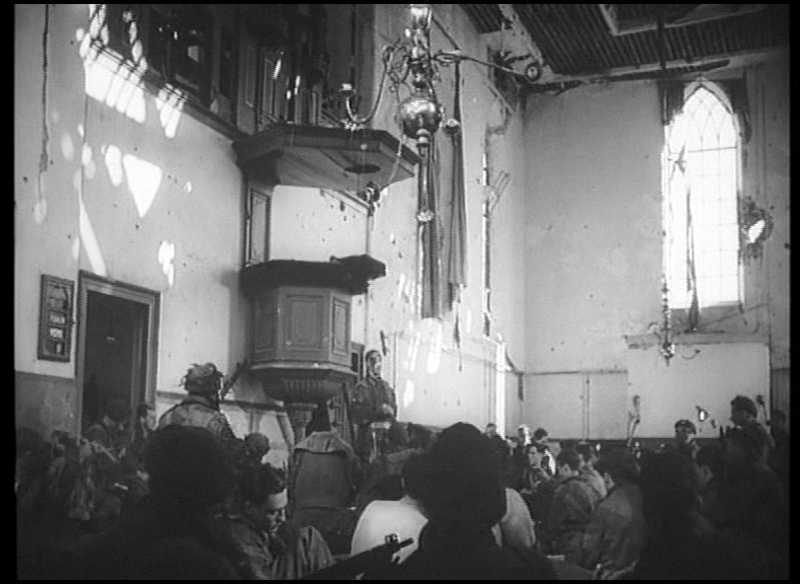
Inside the church, Lieutenant Colonel Lonsdale delivers a pep talk.
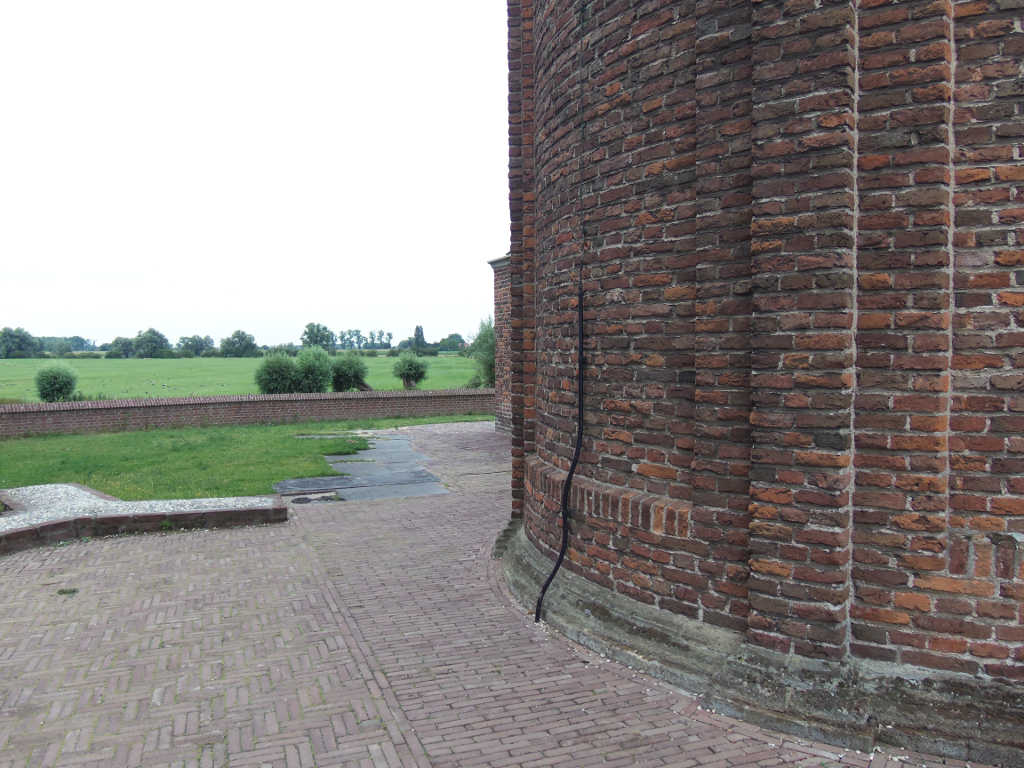
Something of a placeholder shot, this. The changes to the building in the course of restoration mean that Lonsdale's address to his men would have been just on the other side of this wall. The church wasn't open when I visited, but this shot would correspond to a view into the south arm of the transept from just behind where Lonsdale is standing in the screen grab.
- Capture 63
- 17 Sep 2019
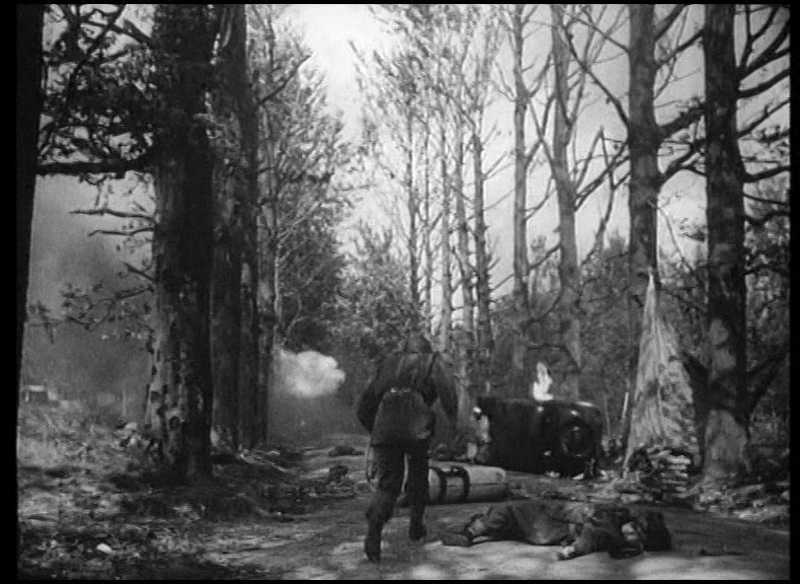
Resupply drops have had limited success, with the bulk of the supplies falling into German hands. A soldier tries to retrieve a supply canister that has fallen outside the perimeter. Hoofdlaan, Oosterbeek.
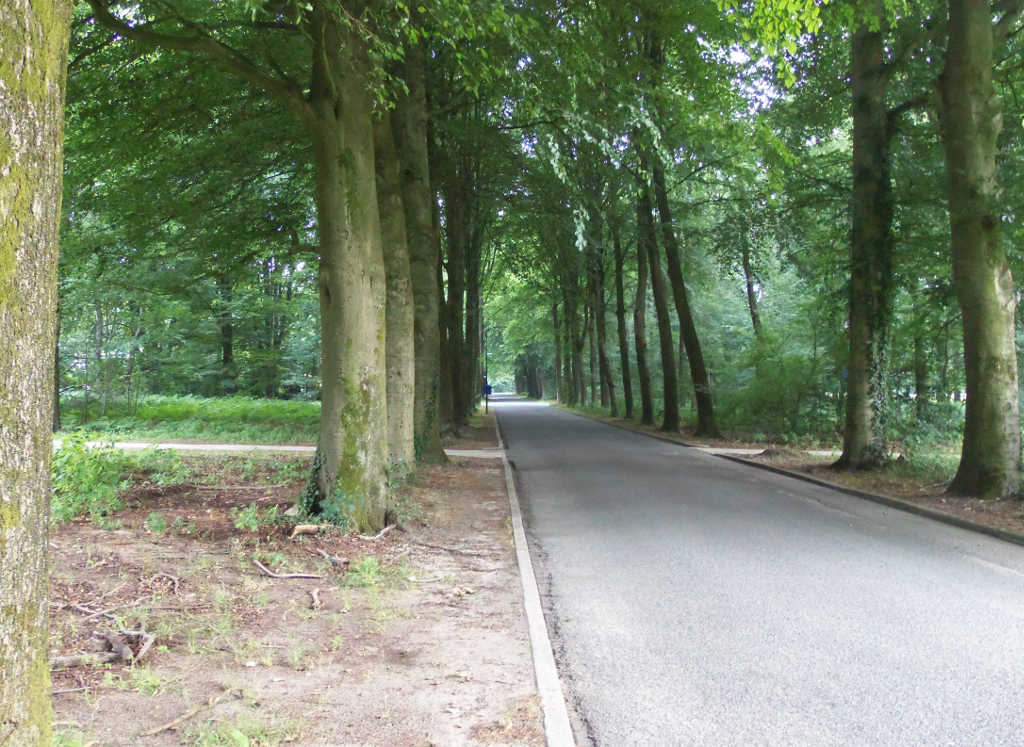
An uncanny similarity between the trees in this shot and those in the screen grab, but given the fact that 74 years separate the two images, I'm assuming that it's coincidence. Houses in Van Lennepweg can just be made out through the trees on the right.
- Capture 64
- 17 Sep 2019
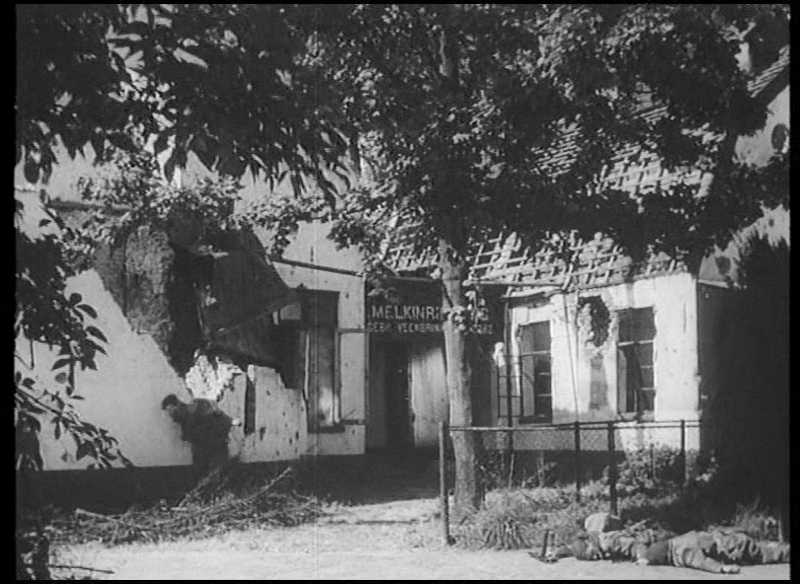
Fighting continues throughout the day. The sign is just legible, and it tells us that this is the dairy of the Veenbrink brothers, which stood at the western end of Fangmanweg, just east of the Villa Vredehof.
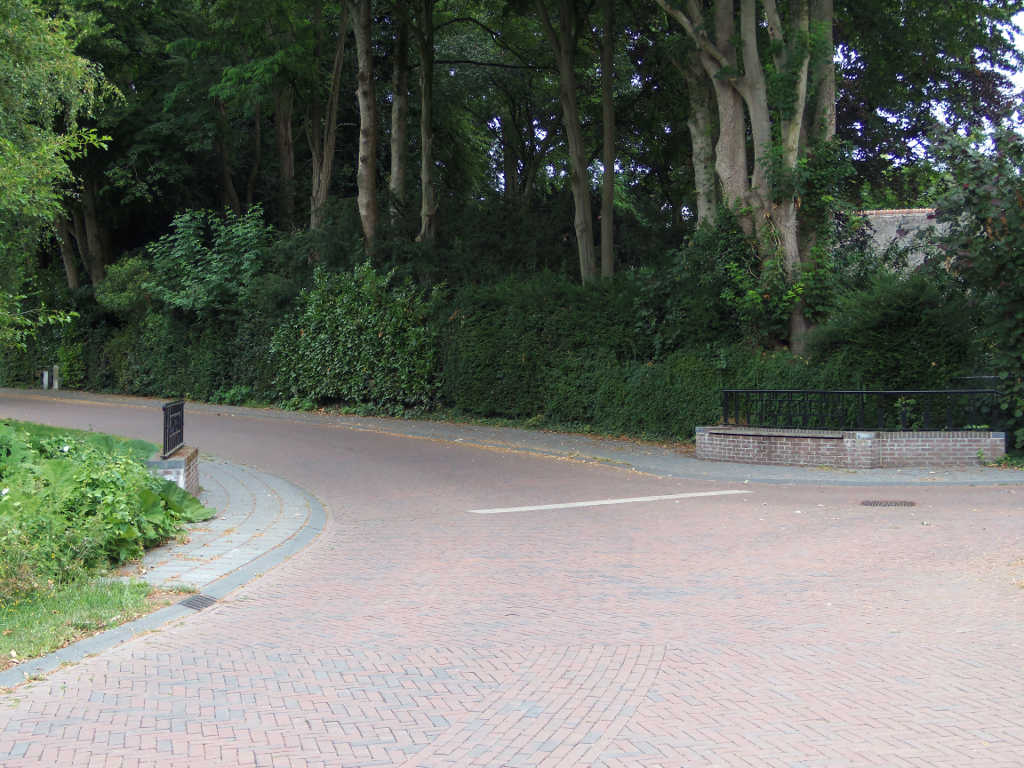
The junction of Zuiderbeekweg and Fangmanweg. The dairy stood where Zuiderbeekweg now runs through to Weverstraat. The Zuiderbeek stream, running under the bridge at the junction, would have passed in front of the building.
- Capture 65
- 17 Sep 2019
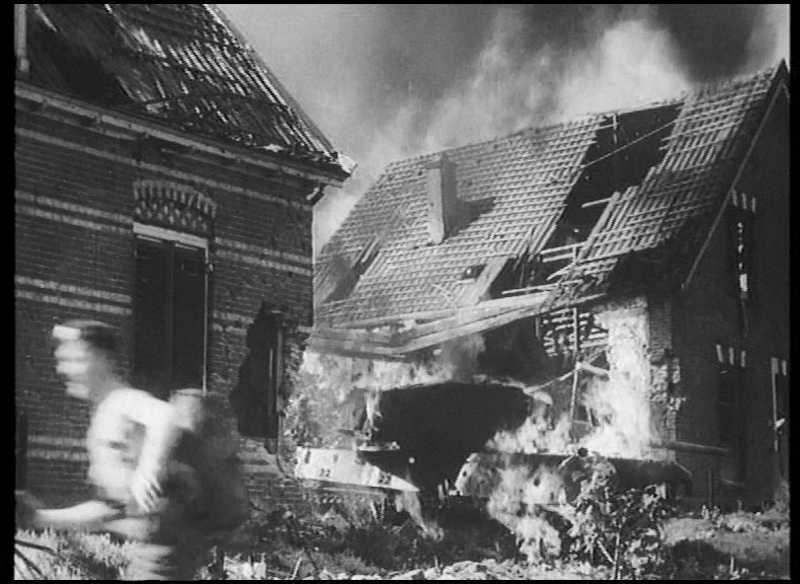
Two men run past a burning tank beside the house at Weverstraat 173. The Imperial War Museum identifies this tank as a Tiger II belonging to the 3rd Company, 506th Heavy Tank Battalion and assigned to the 9th SS Panzer Division.
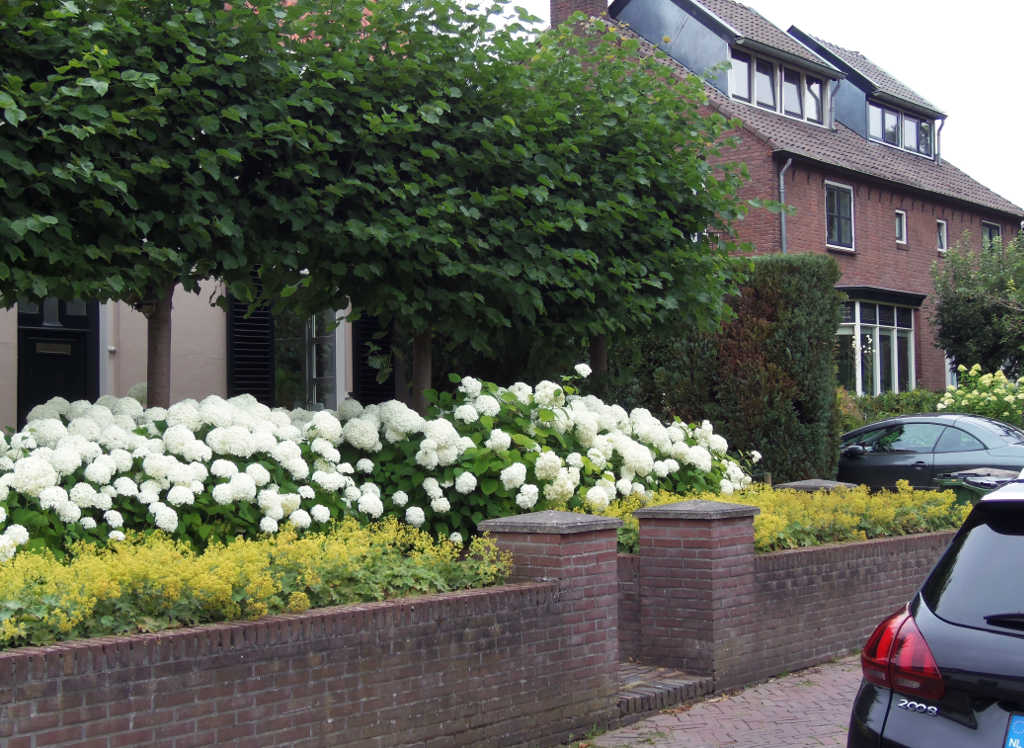
The house on the left survives, in spite of considerable damage, but the millhouse on the right has gone.
- Capture 66
- 17 Sep 2019
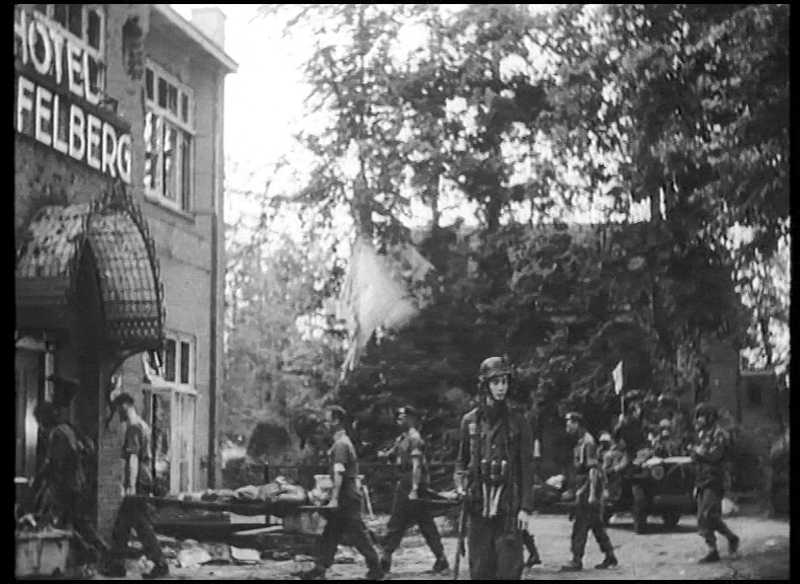
Saturday, September 23rd. British wounded are still being brought to the dressing station at the Tafelberg Hotel, but it is now is now in enemy hands.
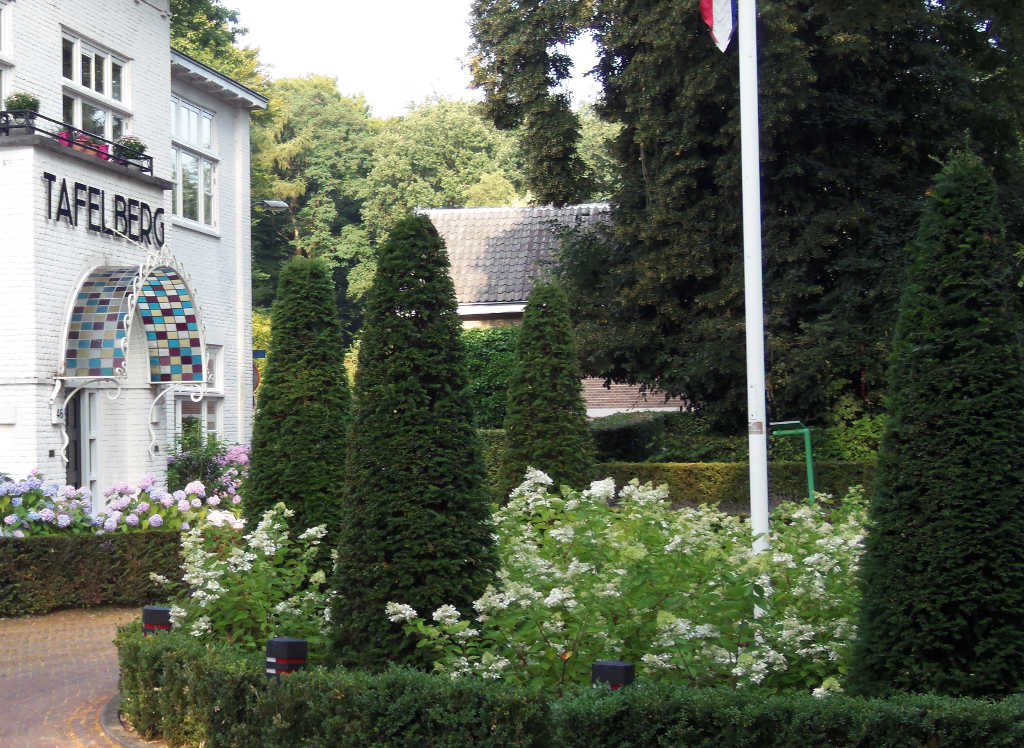
A peaceful scene now.
- Capture 67
- 17 Sep 2019
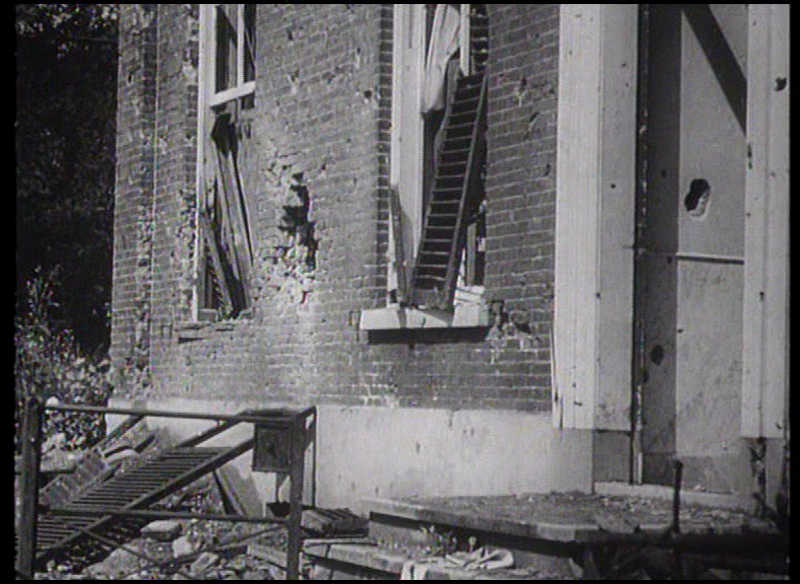
The shell-damaged front of a house. Villa Buitenrust in Benedendorpsweg.
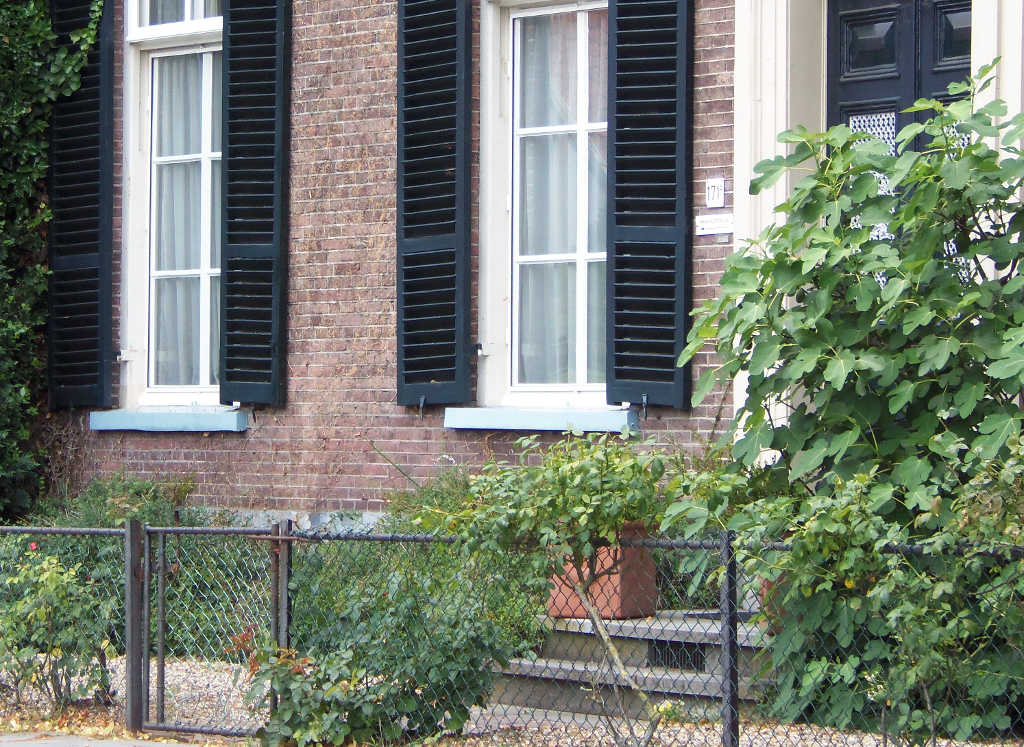
Still there today.
- Capture 68
- 'Now' required
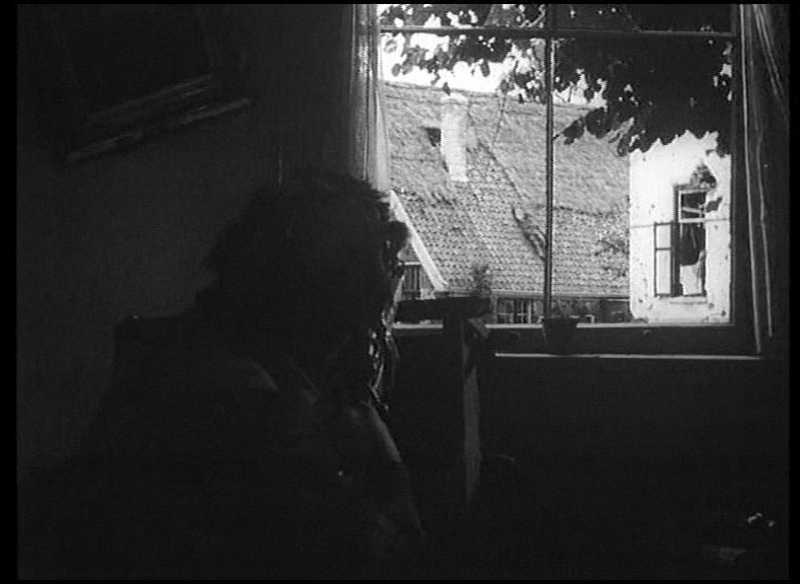
'Lookout, he's coming round that chimney'. A somewhat tentative identification, but I believe the house opposite to be 'Vrede Hoeve' which stood at the northern corner of Van Deldenpad and Weverstraat in Oosterbeek. The house was restored after the war, but was eventually demolished in 1963 and a new house was built on the site sometime after 1970. The neighbouring house, glimpsed at the right of the window, still stands.
- Capture 69
- 'Now' required
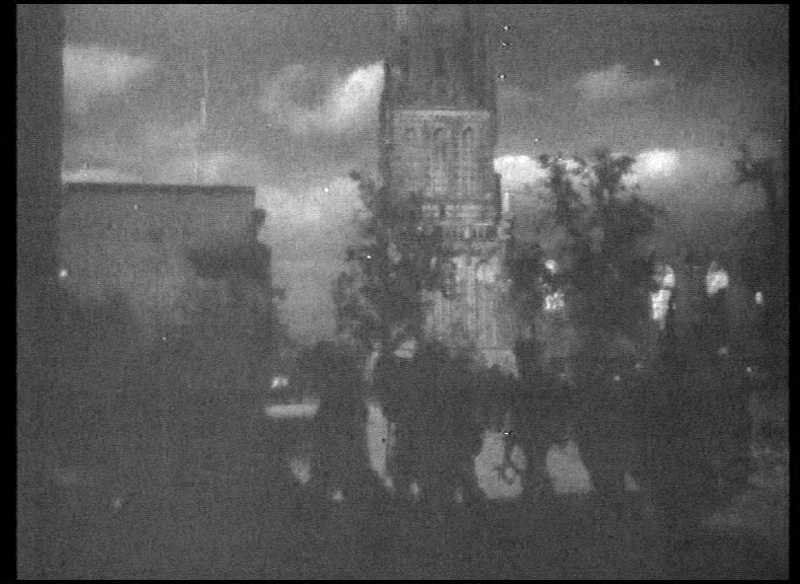
The remnants of the forces trapped in the Oosterbeek perimeter have withdrawn across the river. In darkness they move across in front of a church. This is a very dark shot, but nevertheless recognisable as St. Maartenskerk in Elst. This church too was completely burnt out as a result of the fighting, and restored after the war.