
Dutch in Seven Lessons
Date: 1948
Director: Charles Huguenot van der Linden, Heinz Josephson
Production Company: J. Arthur Rank
Stars: Sanny Day, Pia Beck, Wam Heskes, Greet Vogels, Audrey Hepburn, A. Viruly, Louisa Barkey, Sinny Bikker
Location(s): Amsterdam, Hilversum, Edam (North Holland), Rotterdam (South Holland)
Region(s): Netherlands
Storyline:
An English cameraman is given a week to photograph the aerial highlights of Holland for a travelogue.
Additional Information:
Screen captures and uncredited “now” shots by Frank van den Berg uploaded by Richard Lovejoy.
Dutch in Seven Lessons (Nederlands in zeven lessen) is a 1948 film produced in the Netherlands. Audrey Hepburn made her film debut playing a KLM stewardess in a small role. It was originally shot as part of an English documentary series on aspects of the Netherlands but later expanded to feature film length for an unsuccessful domestic release. Their running times were 39 and 79 minutes respectively.
At eighteen, Audrey was thrilled to be acting in a motion picture, and to be paid fifty guilders for doing so. Understandably, director Charles van der Linden would proudly claim that it was he, not the British or Hollywood filmmakers, who had actually “discovered” Audrey Hepburn!
Can you help:
If you have any information regarding this production, the locations or, even better, some comparison shots please contact us. Images submitted must be in Landscape orientation, as would be seen on the cinema screen, not Portrait.
We are aware that there are films on the site that were added when the criteria for the inclusion of locations was very different from today and, as a result, there may be scenes missing from some productions. Please do not forward additional screen captures to us but bring the detail to our attention, for we do, and are, 're-addressing' these older entries as time allows.
- Capture 1
- 23 Nov 2021
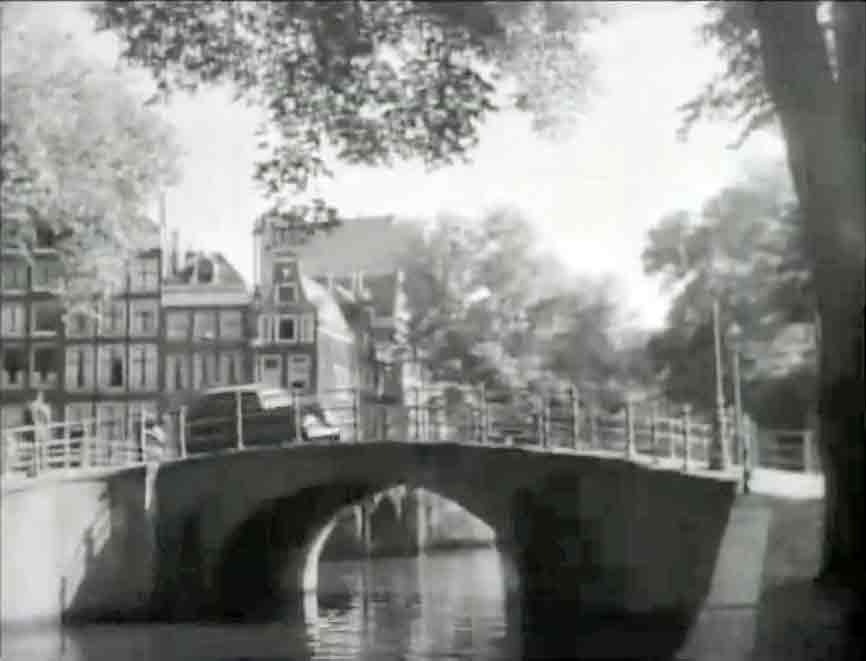
During the prologue Sanny Day and Pia Beck sing about the Netherlands. At the same time they sing about how an English cameraman (voice: Wam Heskes) looks as an English man towards the Dutch. As an illustration of the Netherlands a shot from the intersection Reguliersgracht and Keizersgracht, Amsterdam
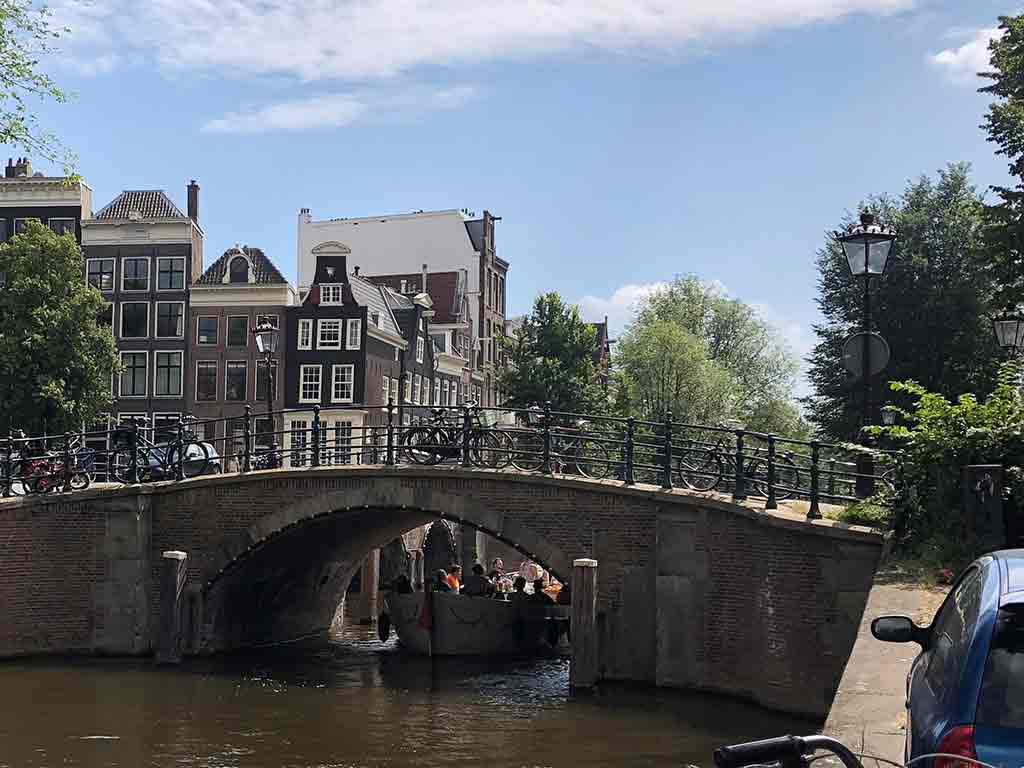
Amsterdam at its best during the summer.
- Capture 2
- 'Now' required
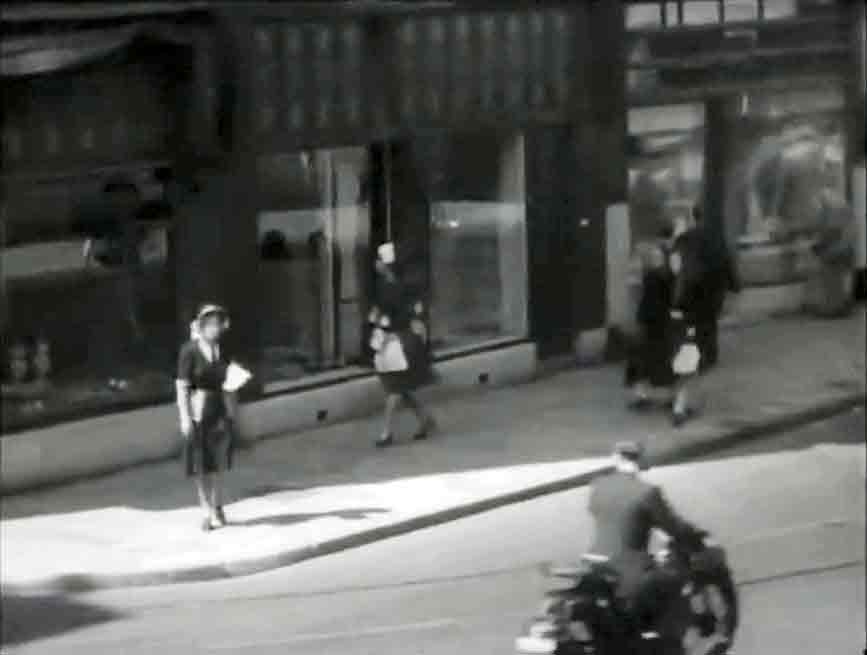
From this moment on we see how the English camera man sees the Netherlands. We don’t see him but it is as if we, as a viewer, look through his eye/lens. The first shot in the open air is a classic. This is Audrey Hepburn’s first appearance on the big screen. Unknown location.
- Capture 3
- 'Now' required
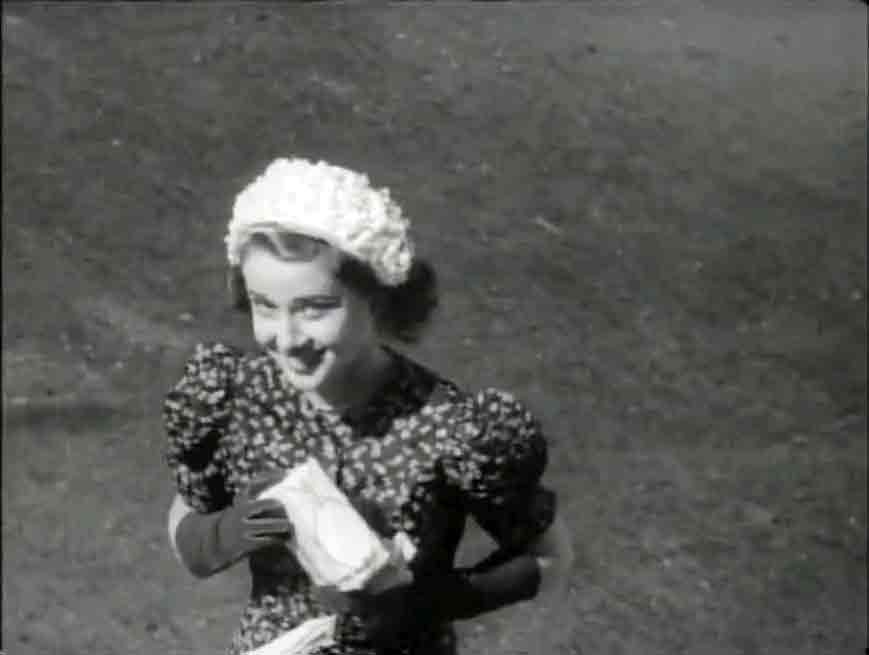
A beautiful close up from a beautiful girl. Audrey Hepburn made a crushing impression on Hollywood’s directors. Soon after this film she became one of Hollywood’s most favourite actors. Unknown location.
- Capture 4
- 'Now' required
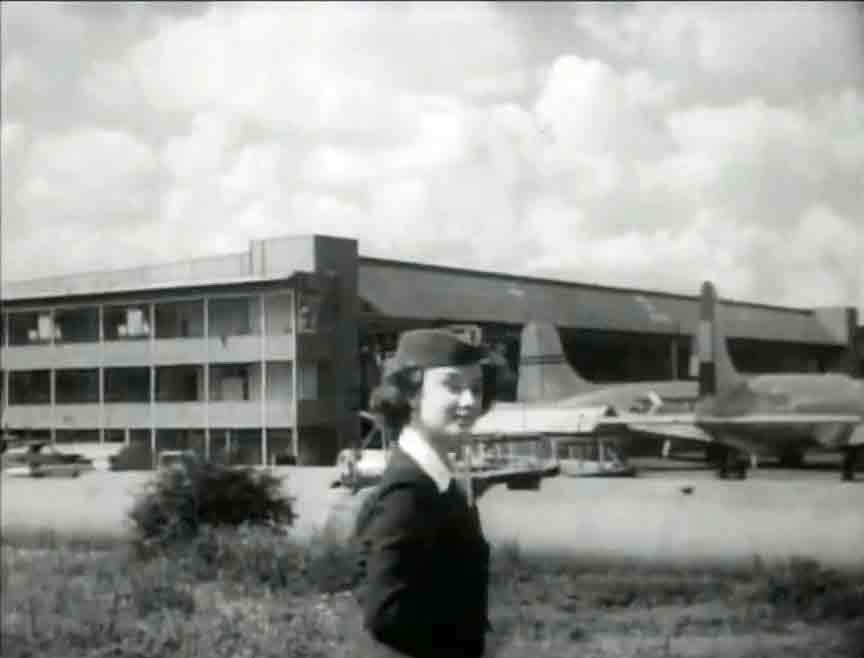
Audrey Hepburn standing in front of Schiphol Airport as a stewardess of KLM airline company. She tells that Schiphol airport was ruined during the war and that they are rebuilding it.
- Capture 5
- 'Now' required
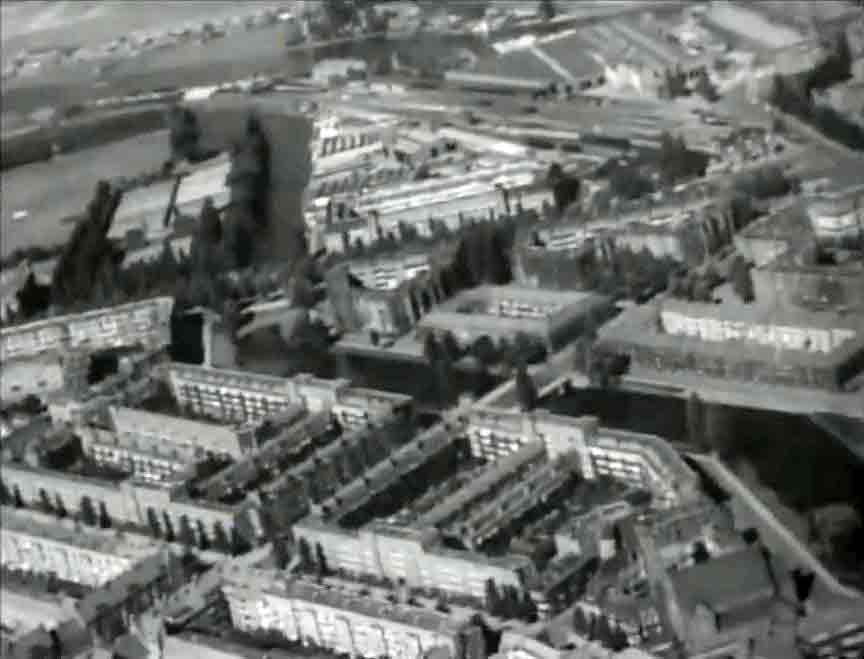
All aboard of the PH-TAF airplane of the KLM to have a flight above The Netherlands Location: Amsterdam South
- Capture 6
- 'Now' required
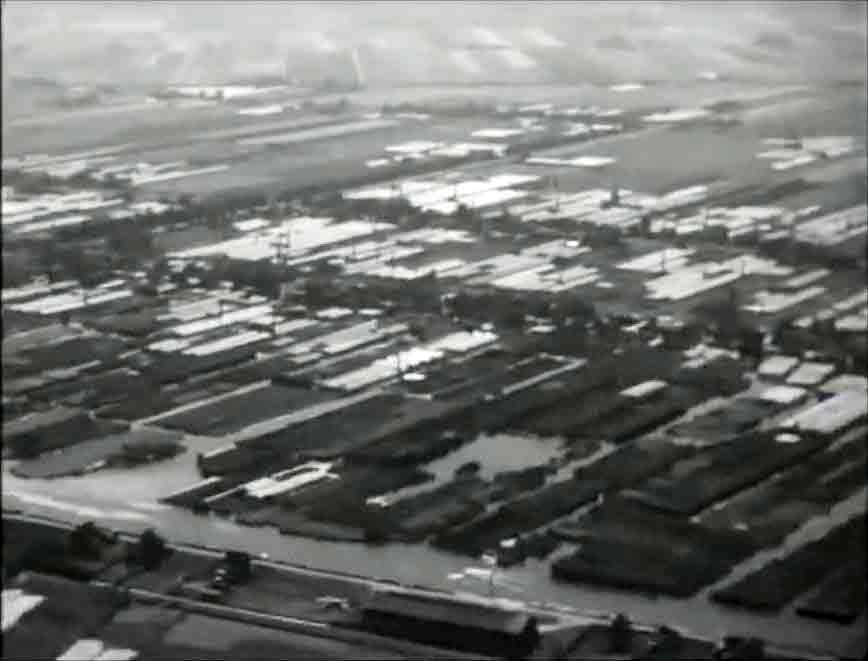
They are heading south to the greenhouses where the famous Dutch flowers grow. Aalsmeer.
- Capture 7
- 'Now' required
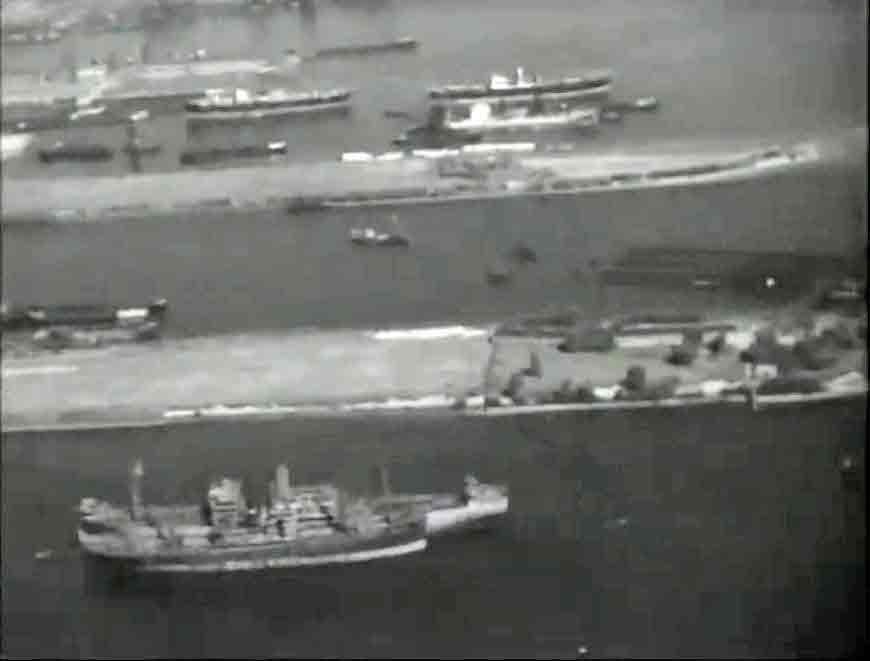
Even more south to one of the biggest harbours of Europe. Rotterdam harbour.
- Capture 8
- 'Now' required
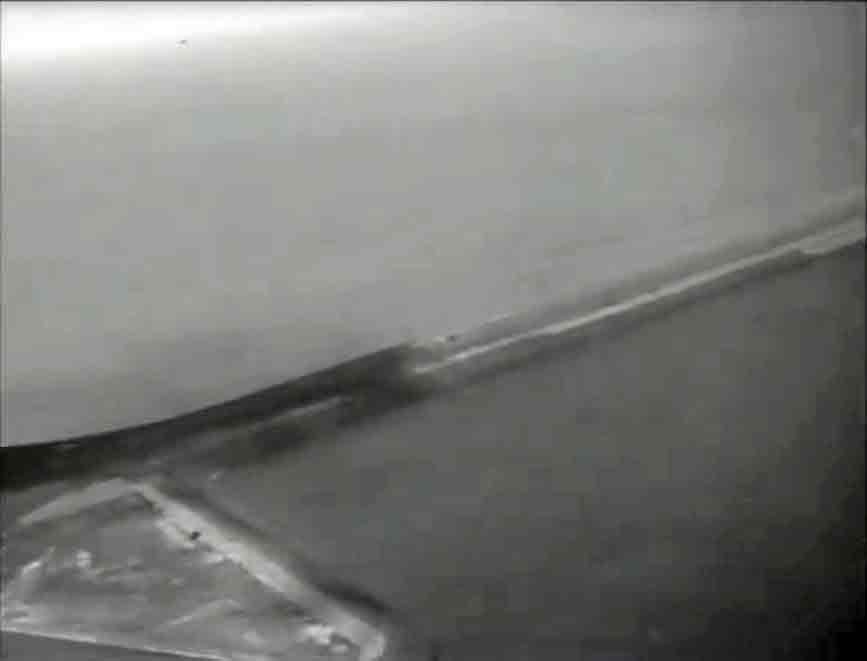
Then to the north, to the 8th wonder of the world, the Afsluitdijk, seen from the little town Den Oever. Afsluitdijk.
- Capture 9
- 'Now' required
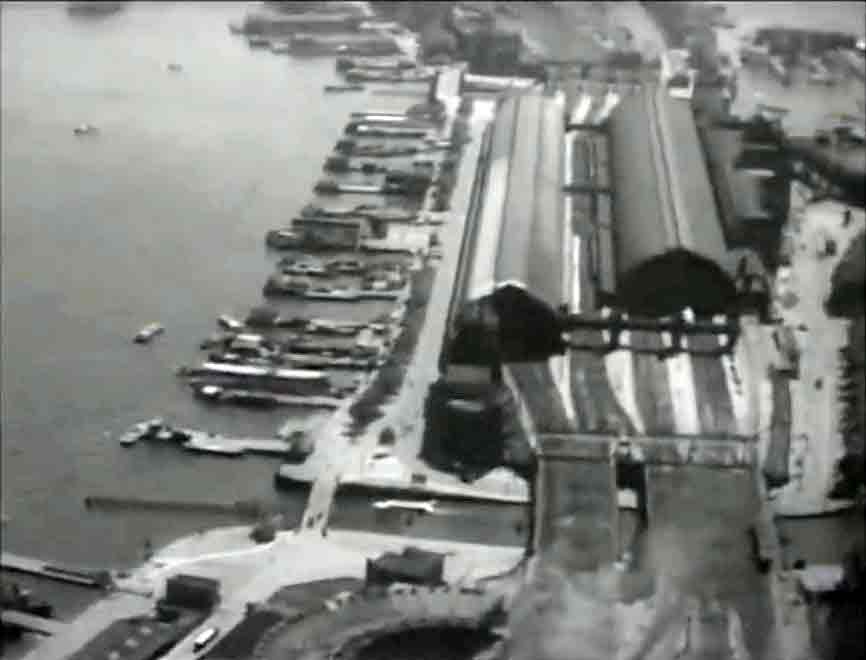
And back into the direction of Schiphol airport. Central Station, Amsterdam.
- Capture 10
- 23 Nov 2021
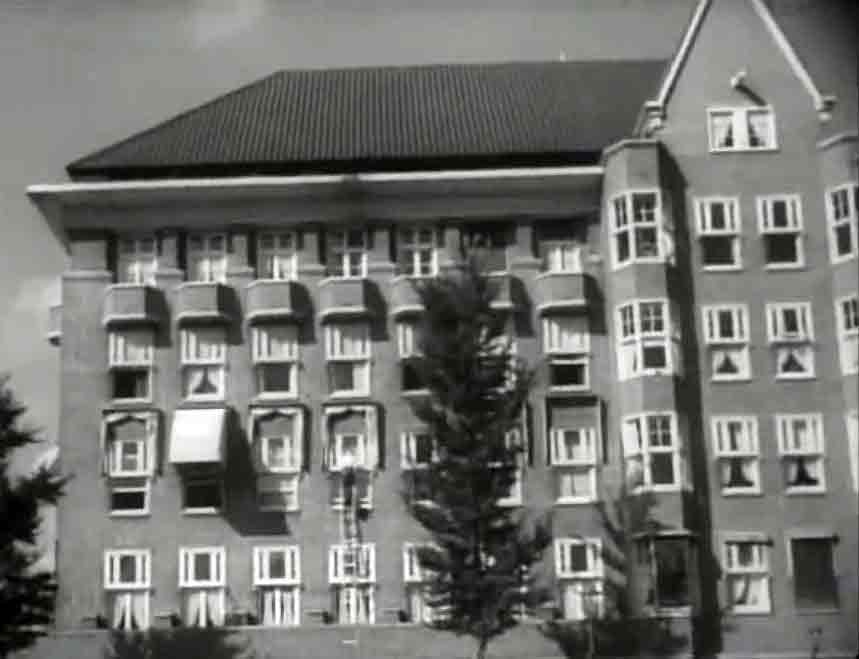
After a good night of sleep our narrator visits Amsterdam. Rubensstraat, Amsterdam.
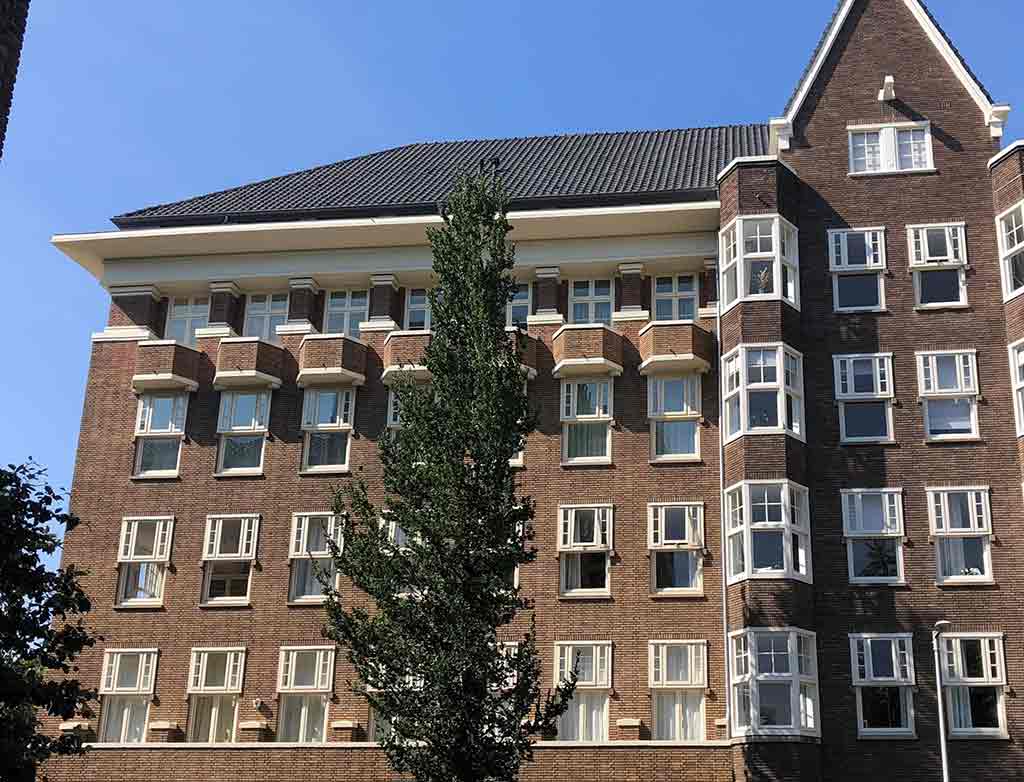
We also have slow growing trees in Amsterdam says Frank.
- Capture 11
- 23 Nov 2021
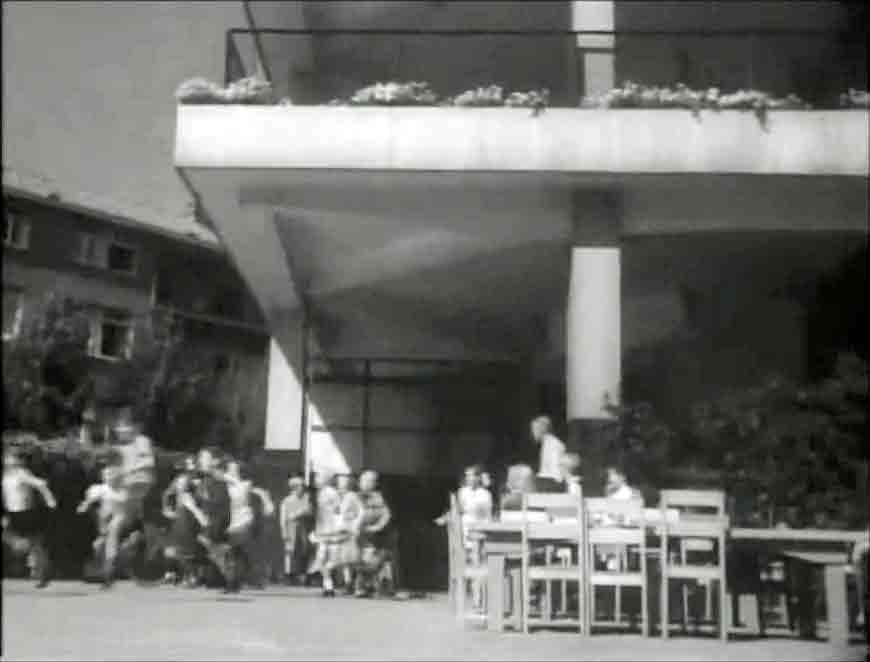
He visits a revolutionary new type of school where it is important that the children have enough sun and where they can express themselves. Openluchtschool voor het gezonde kind, Cliostraat 40, Amsterdam
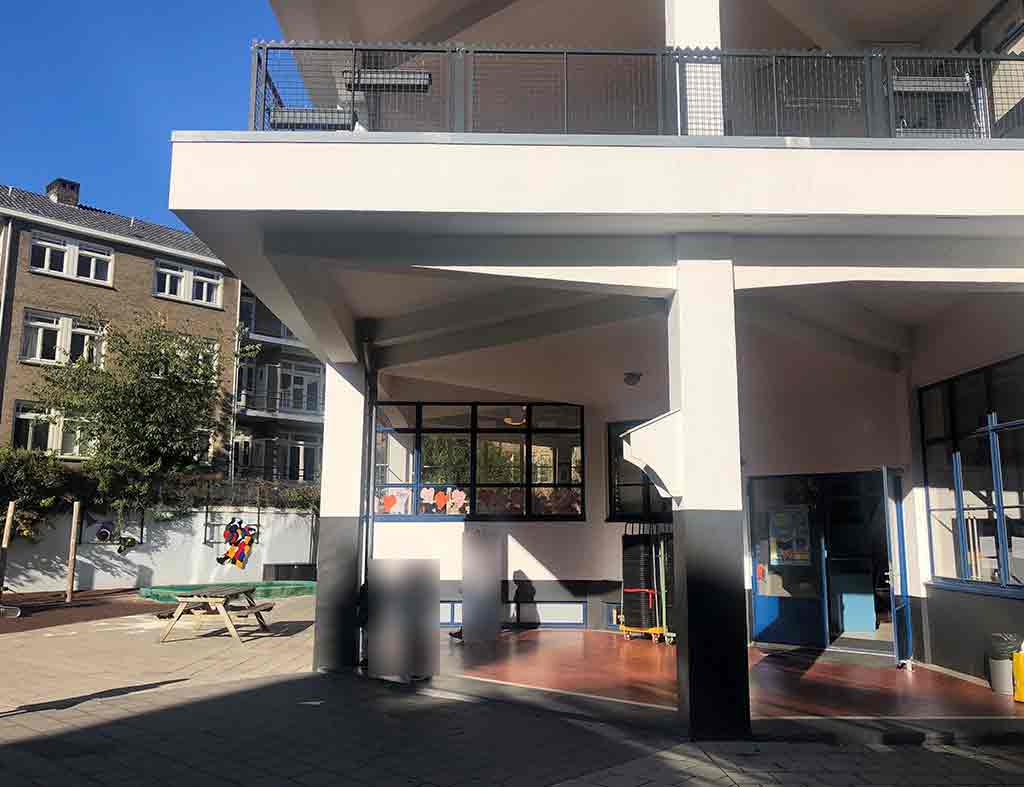
Now this location was/is a problem. First Frank got kicked out by the concierge of the school and when he went himself to the director of the school he did not get permission to take any more photo’s…. so he limited himself to the one.
- Capture 12
- 23 Nov 2021
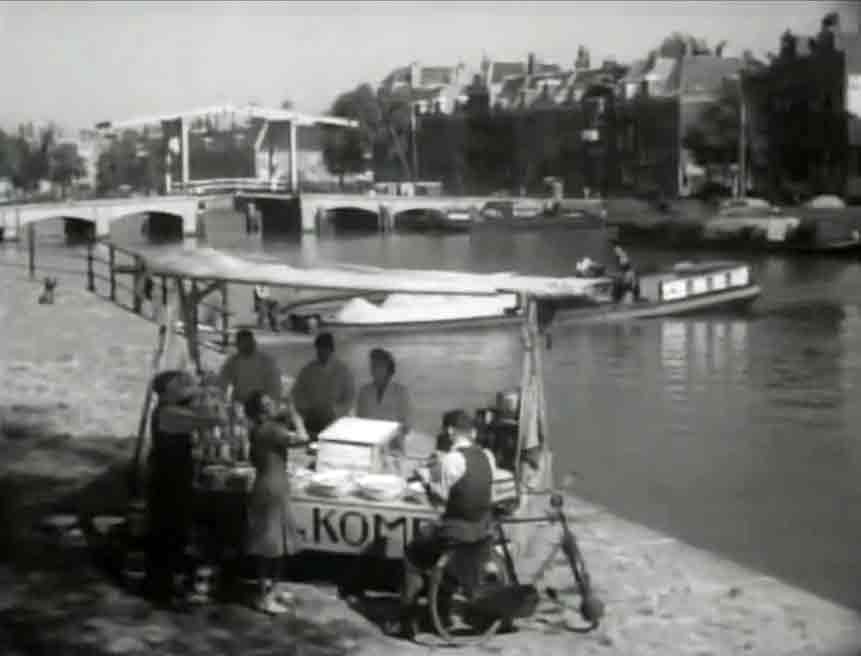
A Dutch newspapers article from 1947 from the newspaper Het Parool tells Frank that the people you see in this shot were actually journalists who were curious what this English film crew was doing in Amsterdam. When they were offered the Dutch herring, they had no problem at all in figuring out the movie. Magere brug (Skinny Bridge) seen from Amstel, Amsterdam
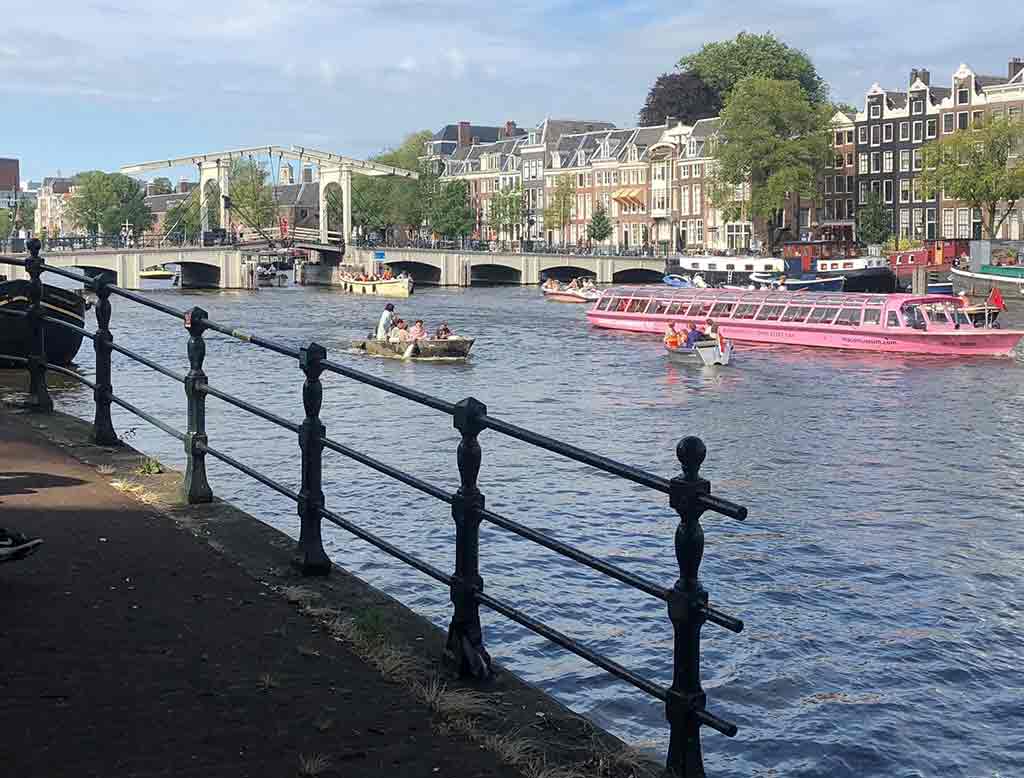
Who’s idea was it to paint this boat pink?? Frank couldn’t make the perfect shot because the view would have been blocked by big trees.
- Capture 13
- 23 Nov 2021
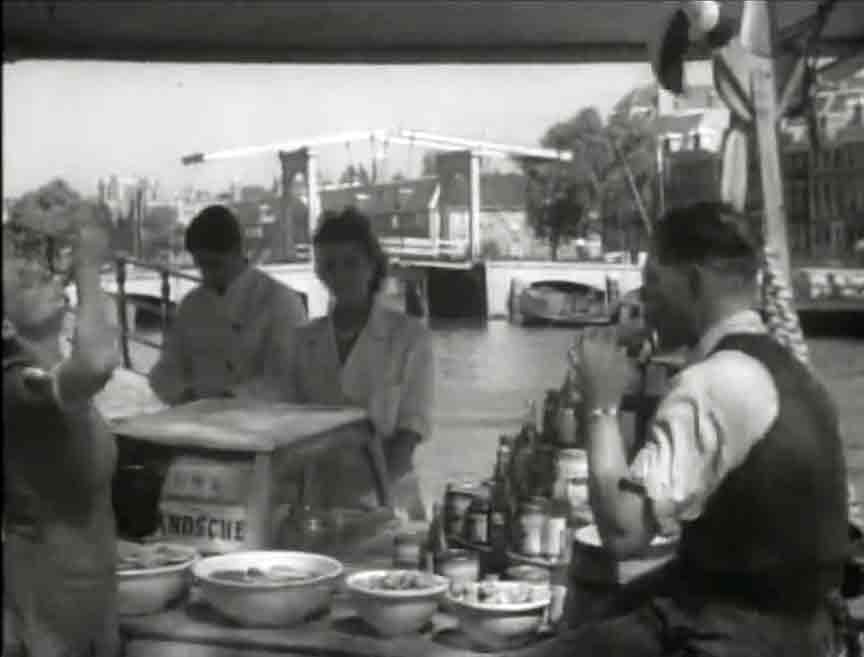
They waited a long time to see the Magere Brug open but it stayed like it was. The woman who sells herrings is Sinny Bikker. Frank thinks that herring with onions and kesbeke pickles are an absolute must for every visitor to the Netherlands. Magere brug (Skinny Bridge) seen from Amstel, Amsterdam.
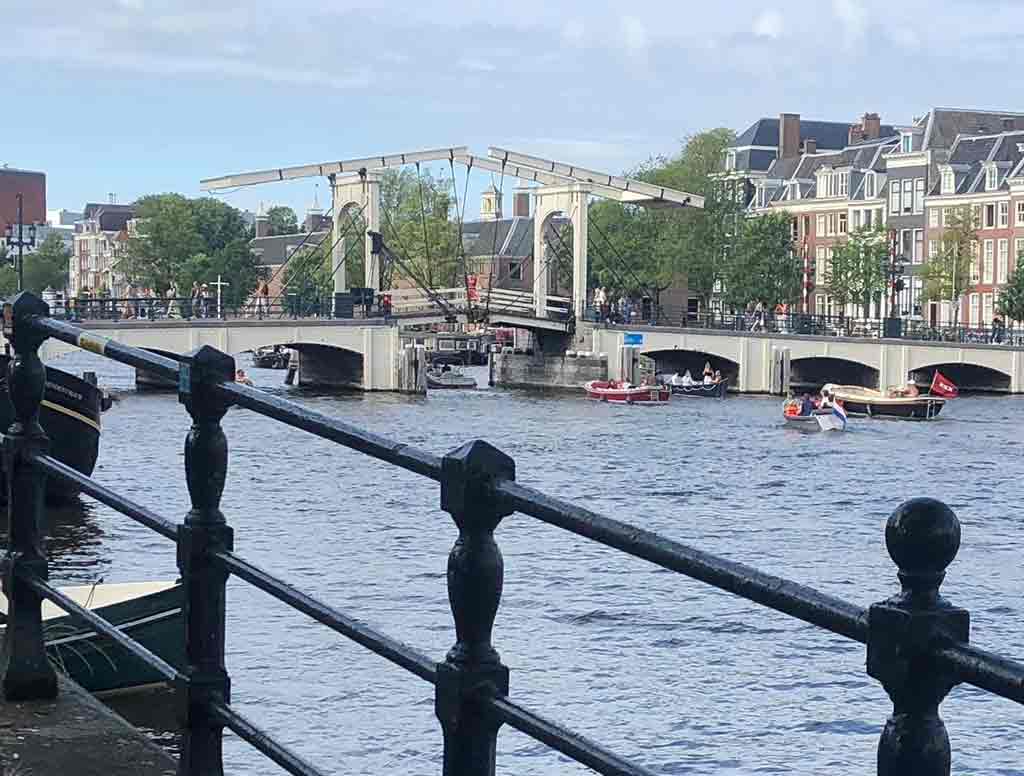
De Magere Brug (Skinny Bridge) can also be seen in 'China White', 'Deuce Bigalow: European Gigolo', 'Puppet on a Chain' and 'Diamonds are Forever'. Yes, it is a popular bridge.
- Capture 14
- 23 Nov 2021
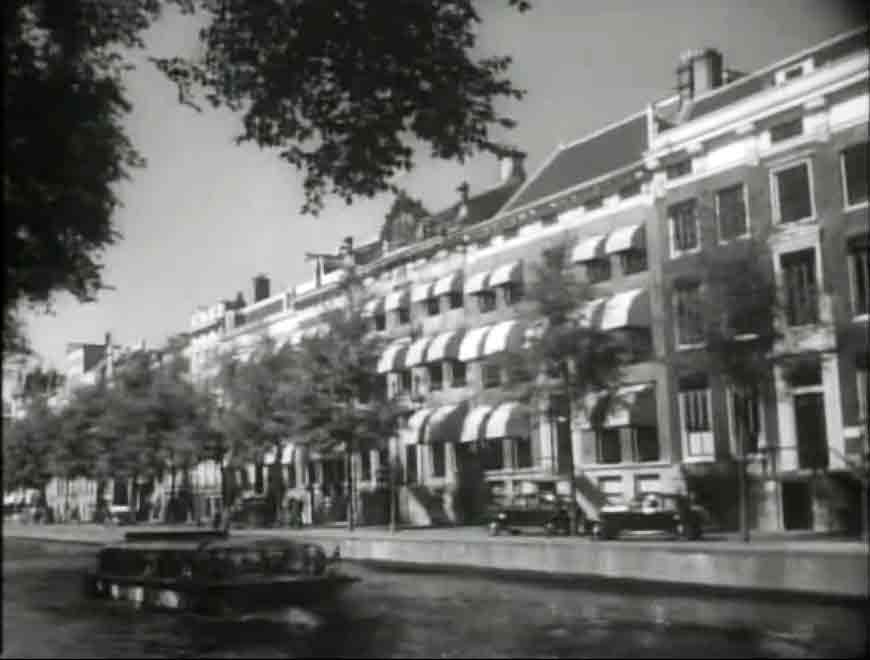
The next day our English cameraman gets a tour by an architect, Kees (Bill Kuyper), he met the day before in a pub. He brings him to the Herengracht. The first canal that was made in Amsterdam around 1600. Herengracht 479, Amsterdam on the right of this capture.
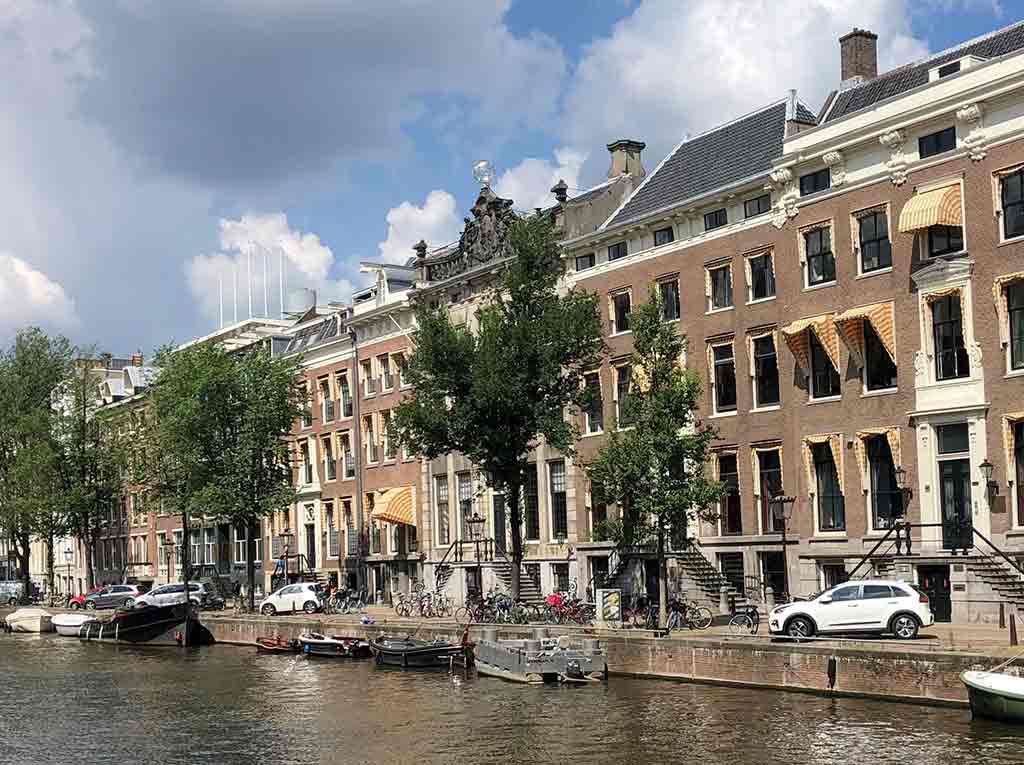
Not much changed over here.
- Capture 15
- 23 Nov 2021
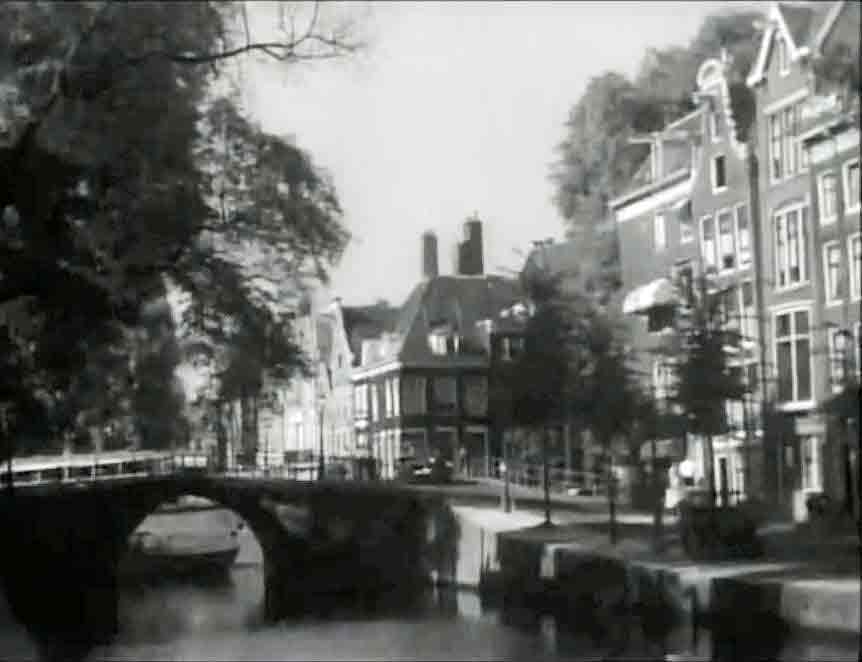
These locations were made during the Dutch golden century and there were about 250.000 people living in the city at that time. Intersection Herengracht and Reguliersgracht, Amsterdam
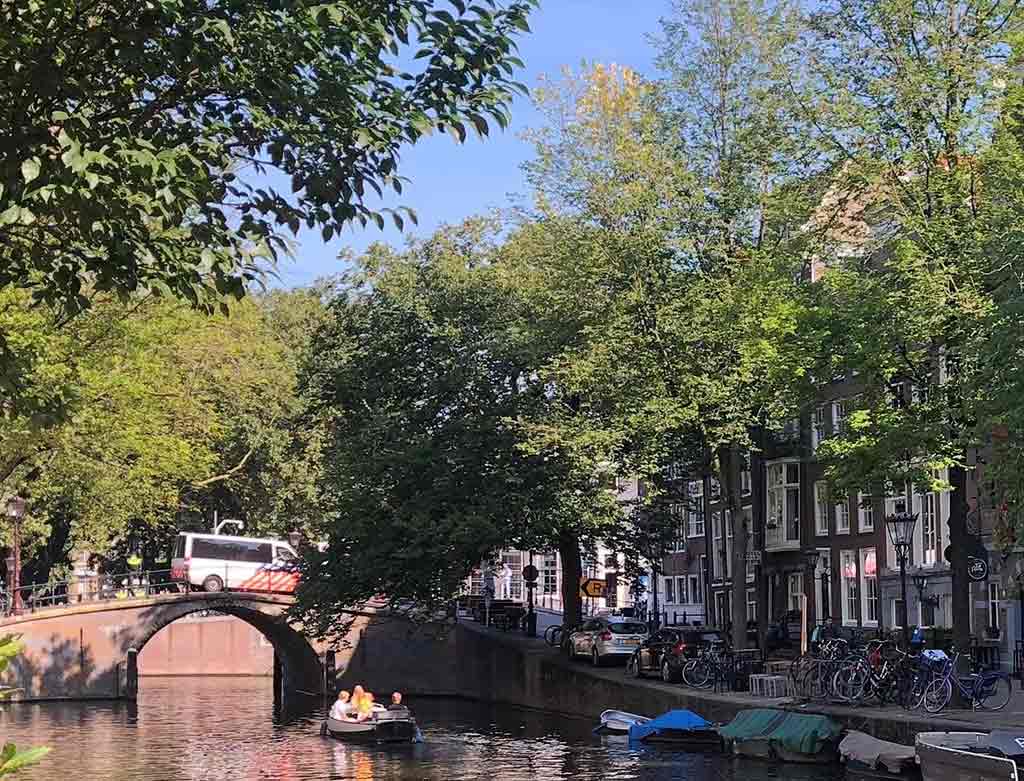
Frank was waiting for ever so that the police van would move but obvious it didn’t.
- Capture 16
- 23 Nov 2021
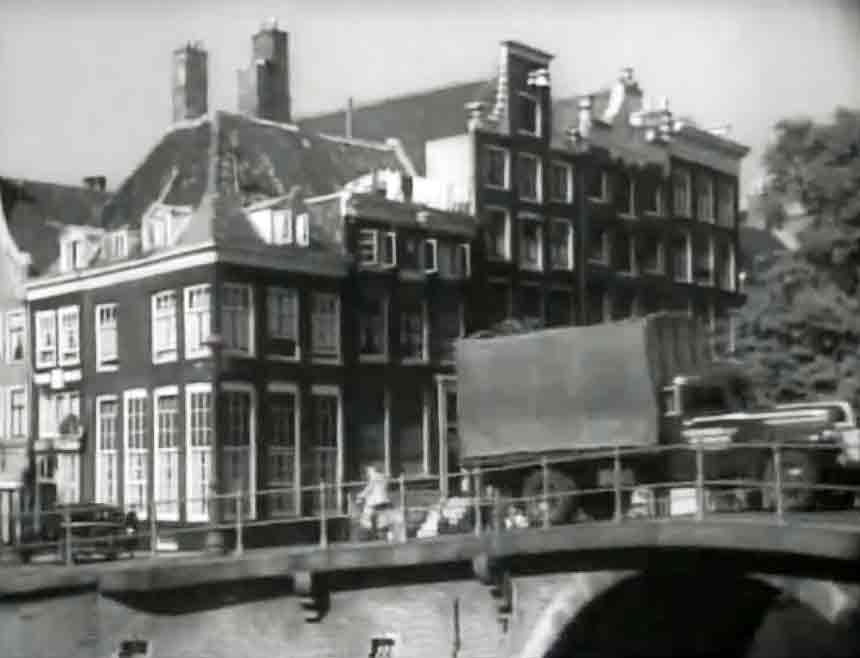
During these times every inhabitant felt like a king after the war against the Spanish that lasted 80 years. Intersection Herengracht and Reguliersgracht, Amsterdam
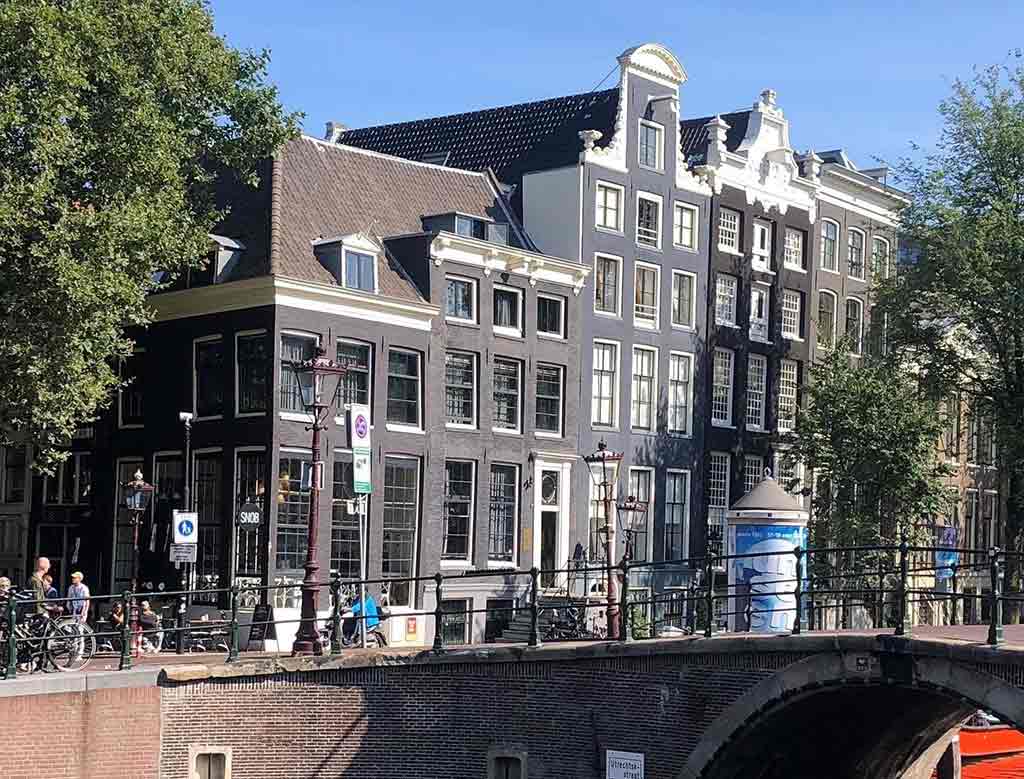
This location to identify was tough for Frank because in the film the camera moves to the left and there you can see a canal but in these days there is no canal there anymore. Looking closely, one can see that the bricks of the quay on the left are newer that the others.
- Capture 17
- 29 Nov 2021
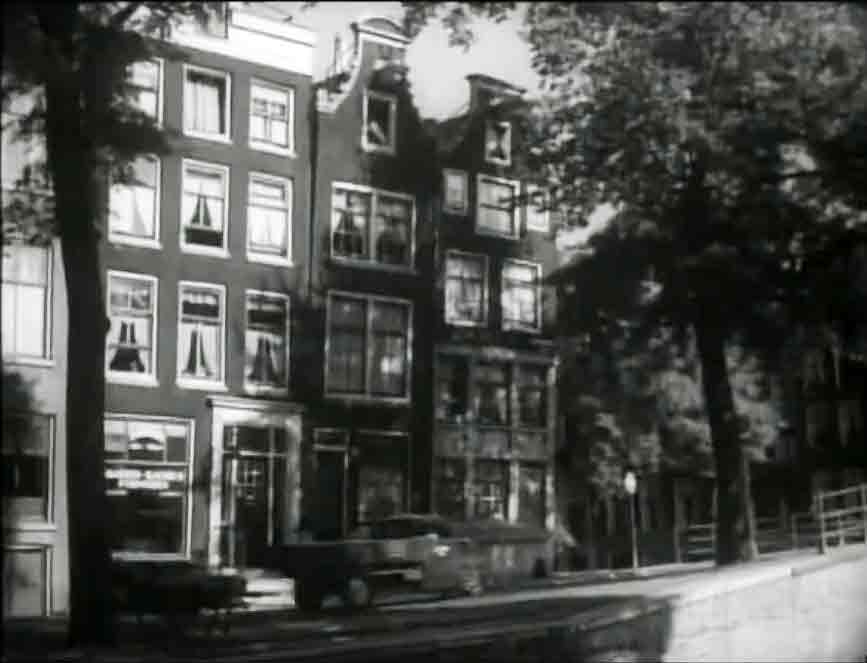
During these times The Netherlands was not a kingdom but a republic. The intersection of Reguliersgracht and Keizersgracht, Amsterdam.
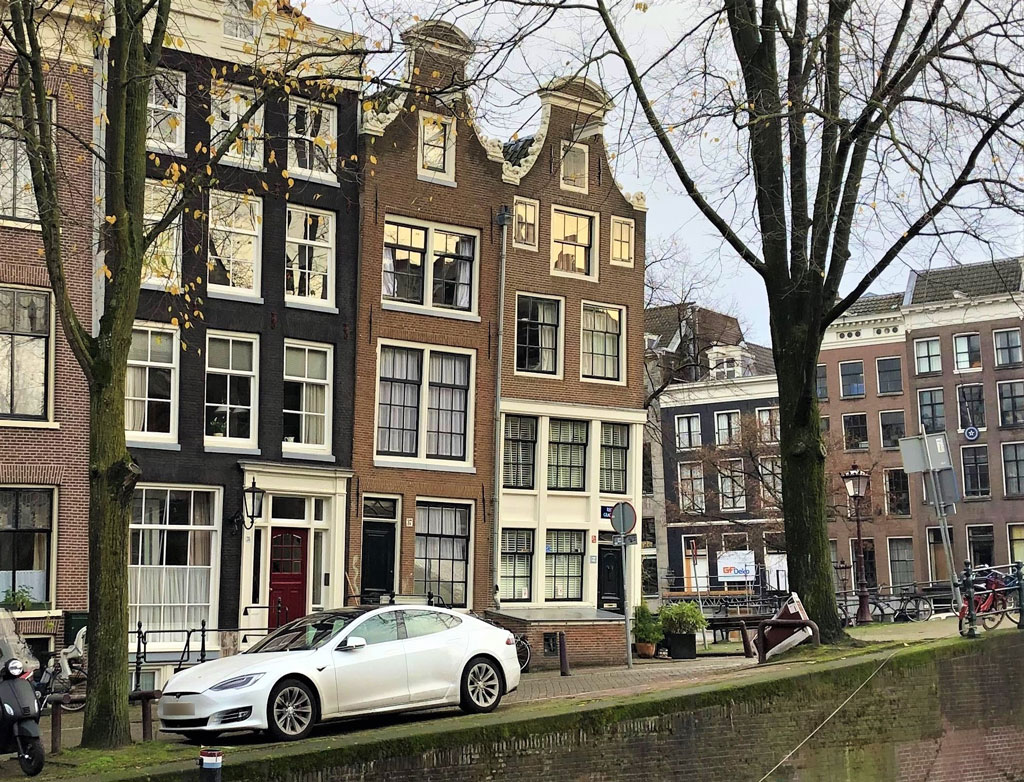
Frank must have passed this location at least a hundred times but he didn’t see it. To his surprise it was this location and because he was doing his Sunday walk through the city of Amsterdam he couldn’t resist to take the now shot.
- Capture 18
- 23 Nov 2021
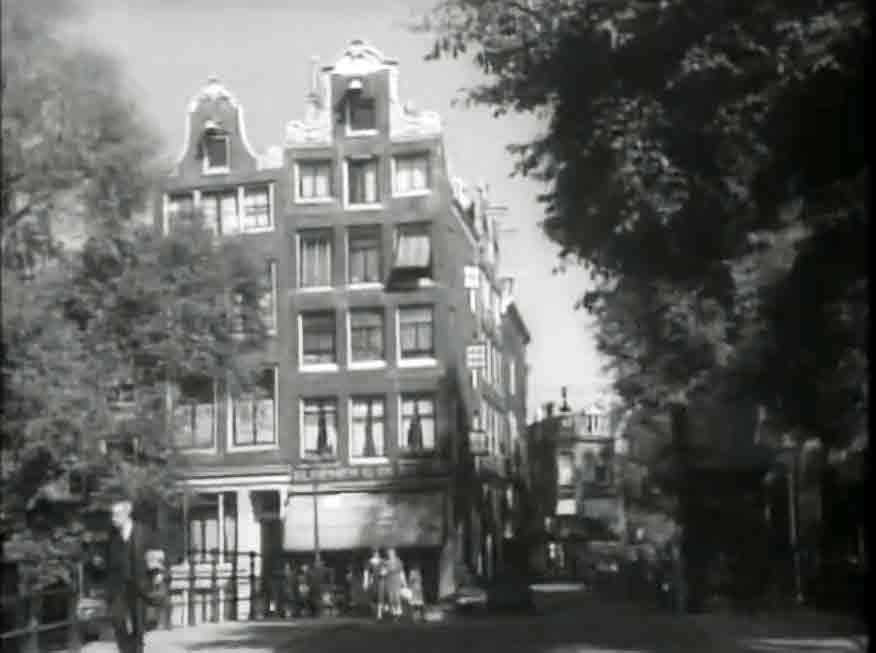
The facades of the monumental houses were provided with huge windows so the sun could get in. Looking casually one can practically only see windows. Intersection Herengracht and Huidenstraat, Amsterdam
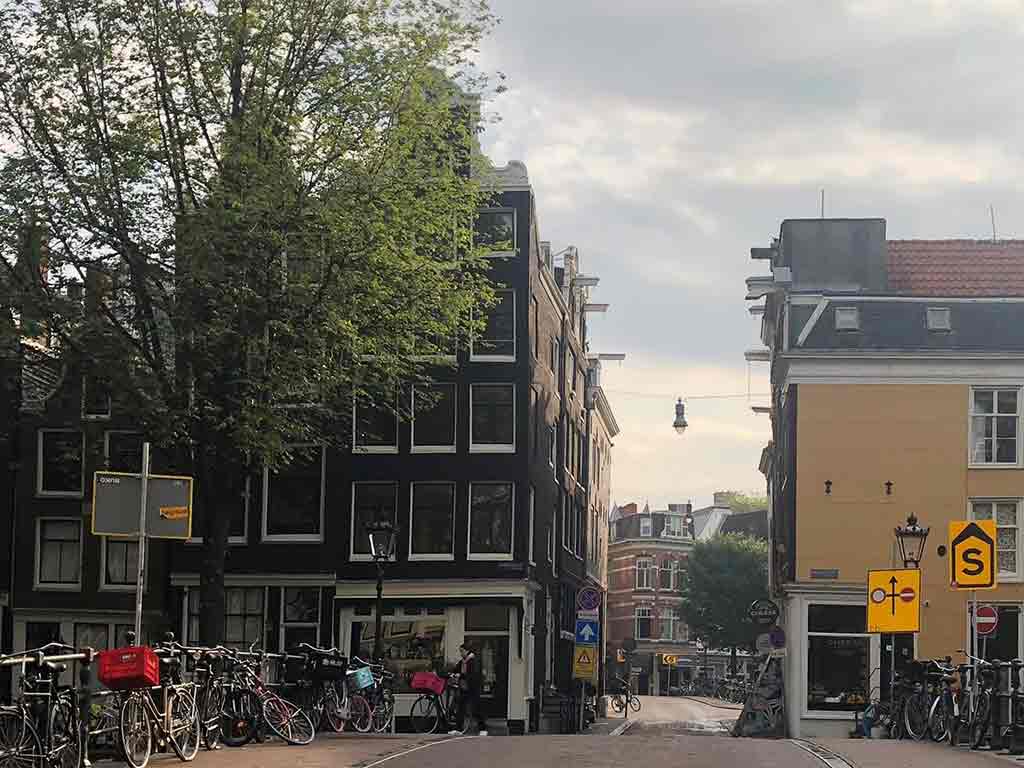
‘S’ Straight ahead!!!
- Capture 19
- 23 Nov 2021
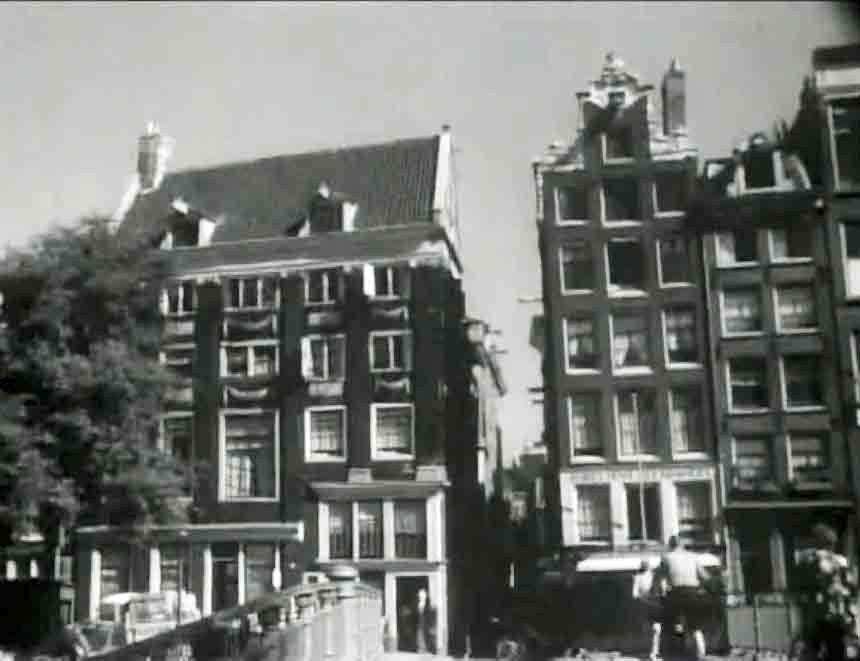
Only in the Netherlands are the windows that big and that open. Especially in Amsterdam, the inhabitant have no problem that outsiders can look inside their houses. No other city had that in those days and even today it is rare outside the Netherlands. Intersection Blauwburgwal and Singel, Amsterdam
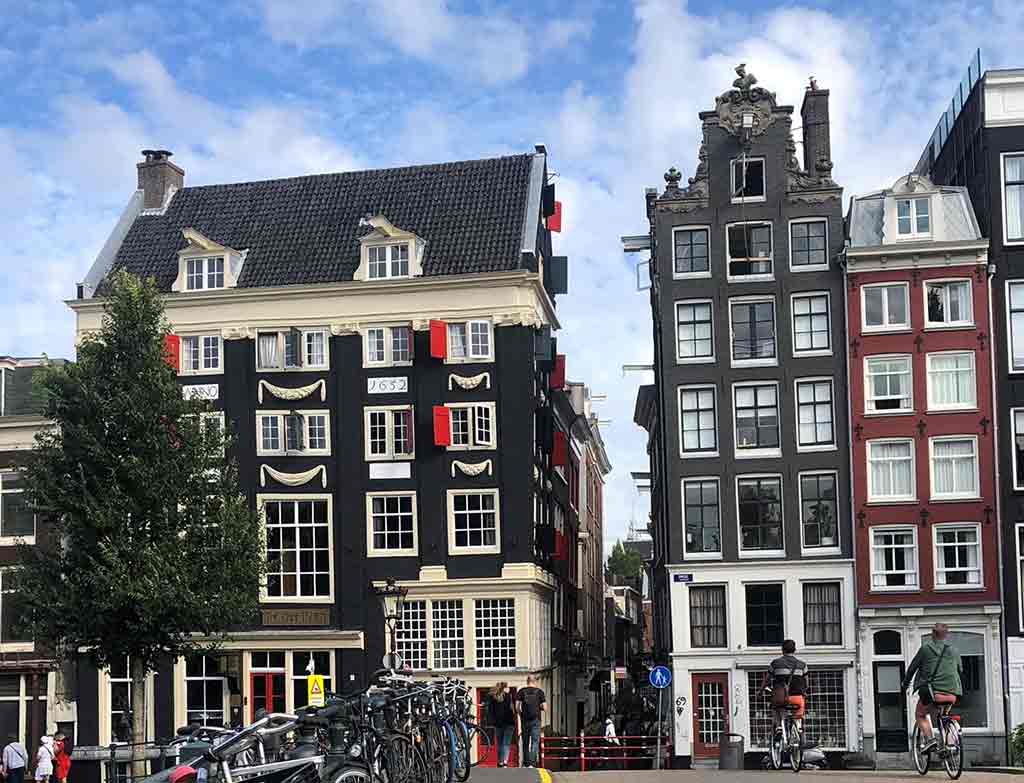
This could have been a postcard from Amsterdam
- Capture 20
- 23 Nov 2021
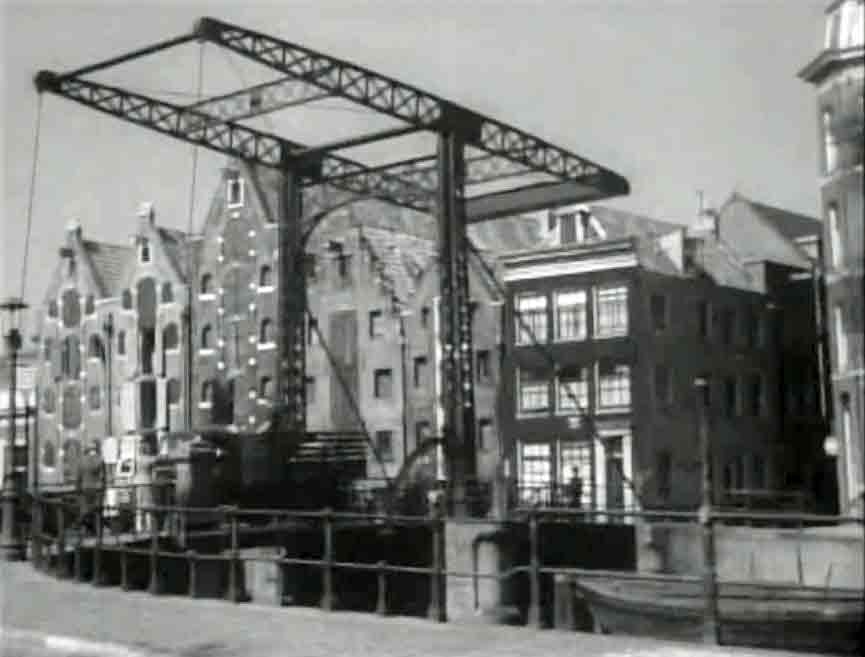
Here we see the warehouses that were used for ships that came by so they could load their freight quickly. A good shot of this type of warehouses can be seen at Captures 16 and 17 of 'Puppet on a Chain'. Bridge 148 at the intersection Brouwersgracht and Binnen Dommersstraat, Amsterdam
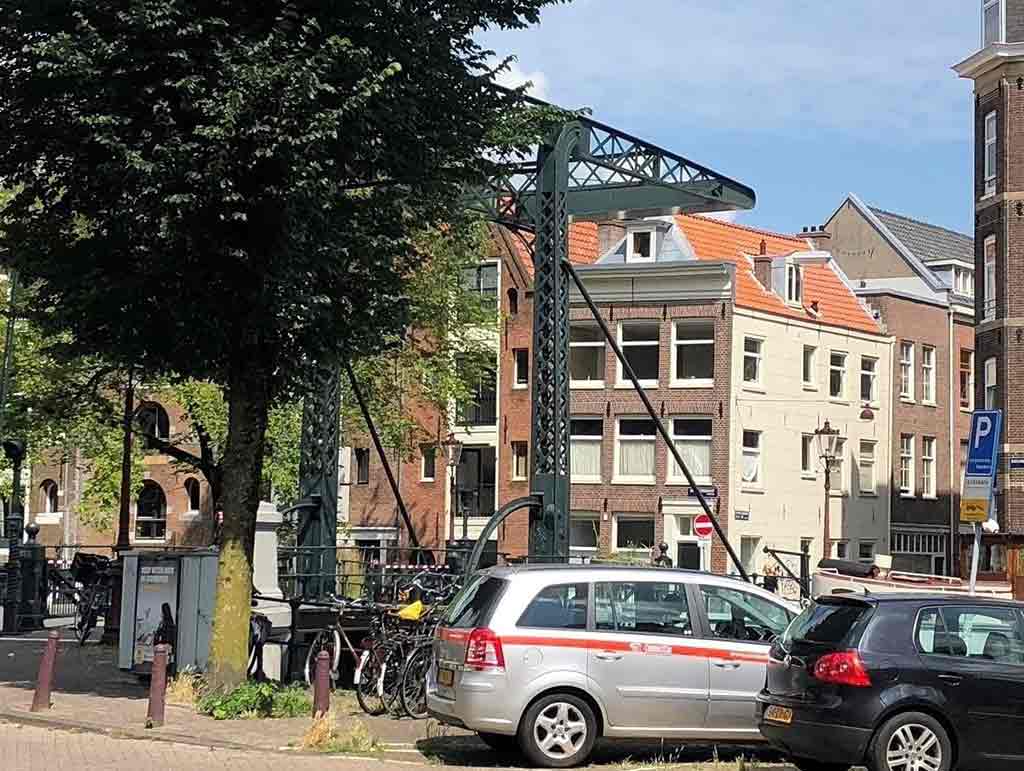
Sometimes trees do block the view.
- Capture 21
- 23 Nov 2021
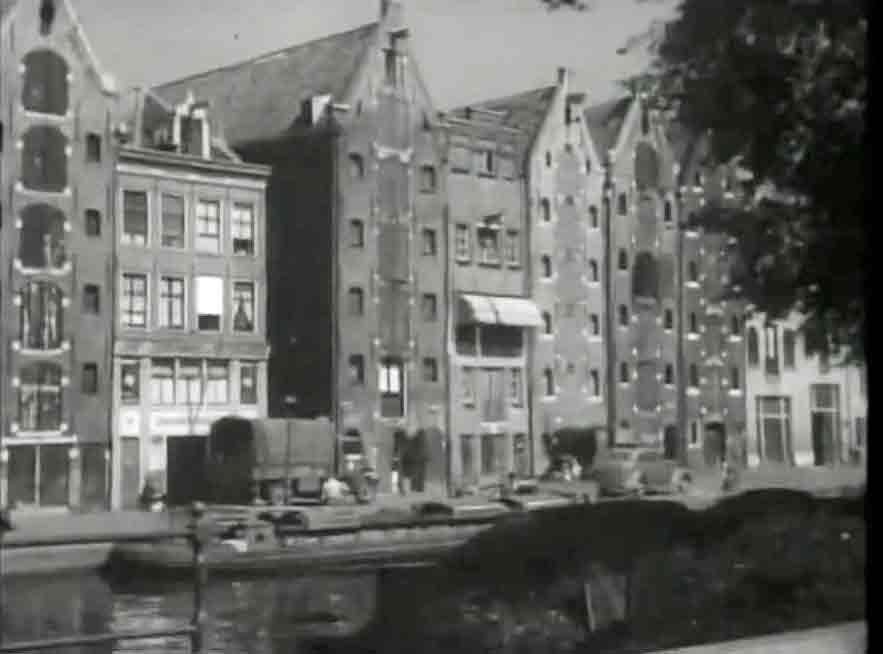
On top of these building can be seen the lifting beams that could haul the freight inside of these warehouses. Brouwersgracht 248-228, Amsterdam
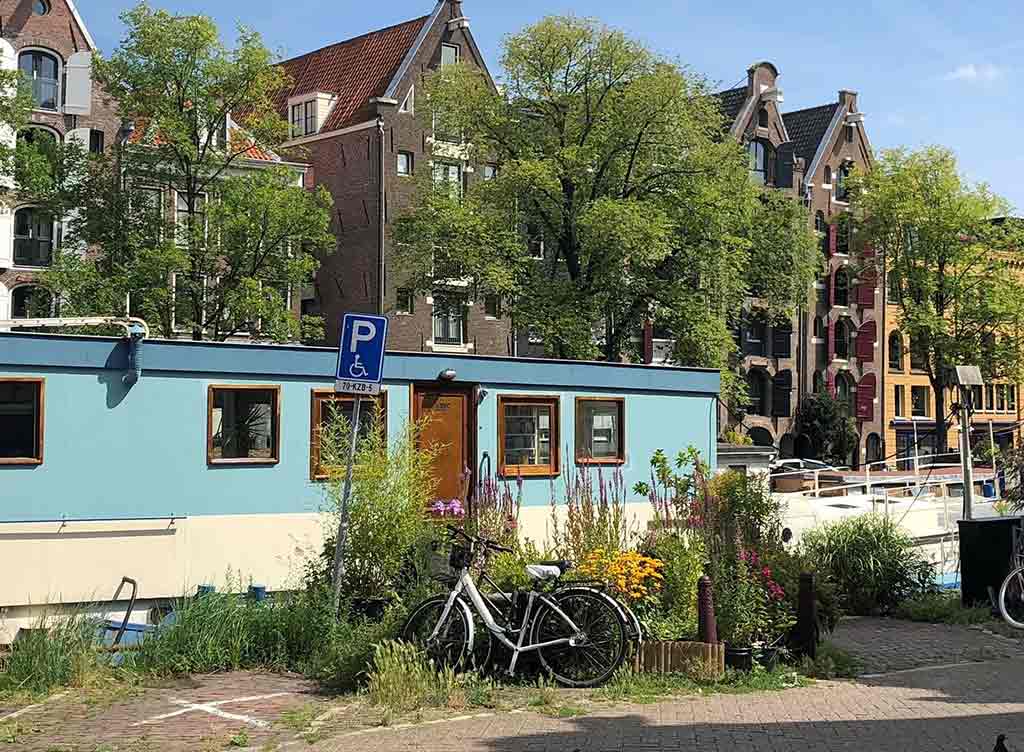
An explosion of green. Better than an explosion of concrete.
- Capture 22
- 'Now' required
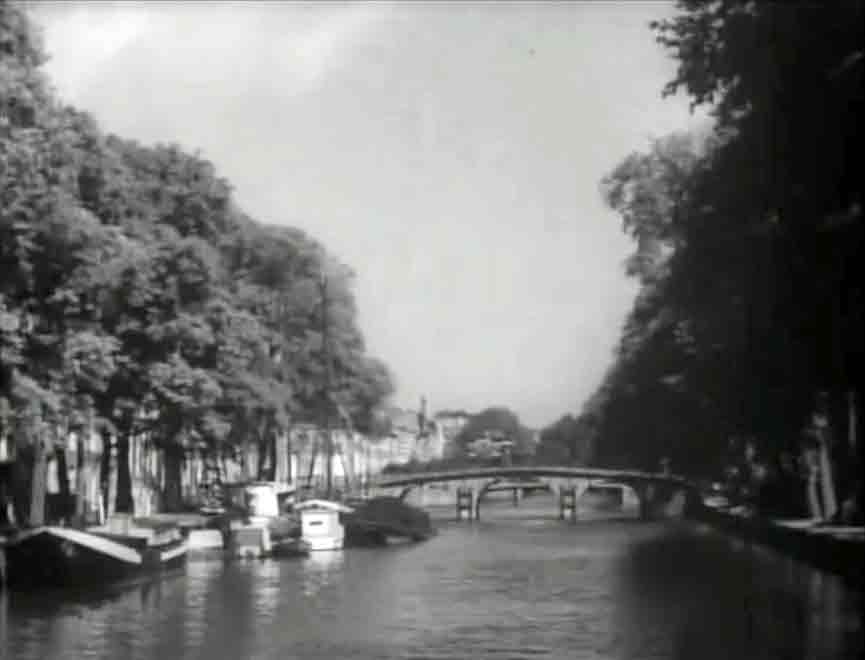
In this movie the narrator talks about this shot, that it is a more recent canal. Frank, however, thinks that this is not a recent canal but one of the inner city ones. Phil B puzzled over this for some time and eventually concluded that it's a view northeast along Keizersgracht from Bridge 37 at Utrechtsestraat. The three-arch bridge in view is the Lucas Jansz Sinckbrug, and beyond it is the river Amstel. Through the arches we can see parts of bridge number 241, which in 1948 was a lifting bridge but was replaced in 1990 by the current arch bridge, the Dirk van Nimwegenbrug. Beyond, above the leftmost arch of the nearer bridge, it's possible to make out the striped masonry and tall gable-top of what, in 1948, was the premises of the van Limmick Foundation at Nieuwe Keizersgracht 1a.
- Capture 23
- 'Now' required
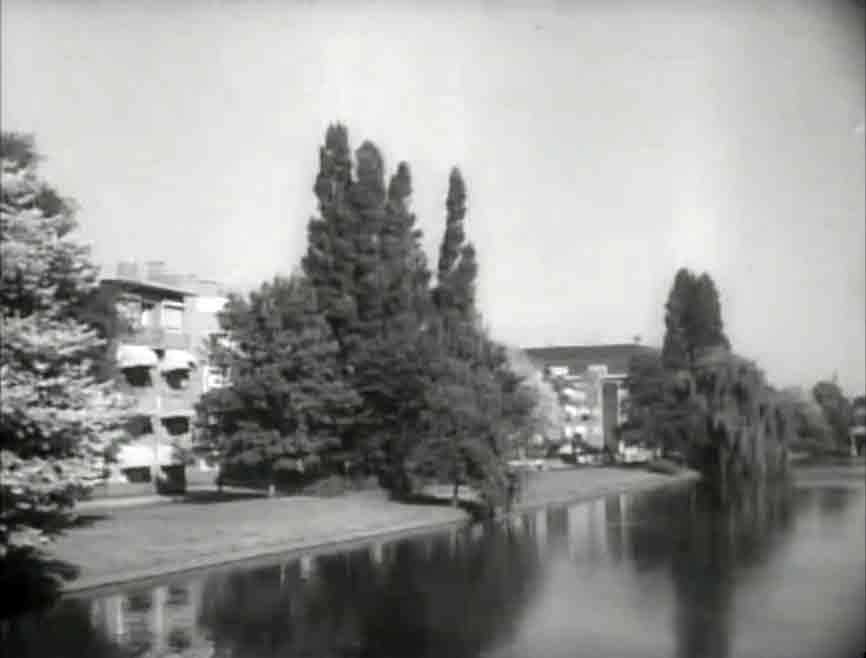
Now this is for sure 1920’s/30’s architecture but Frank has looked but he cannot find the location…. Is there somebody who can tell him where this is? Unknown location.
- Capture 24
- 23 Nov 2021
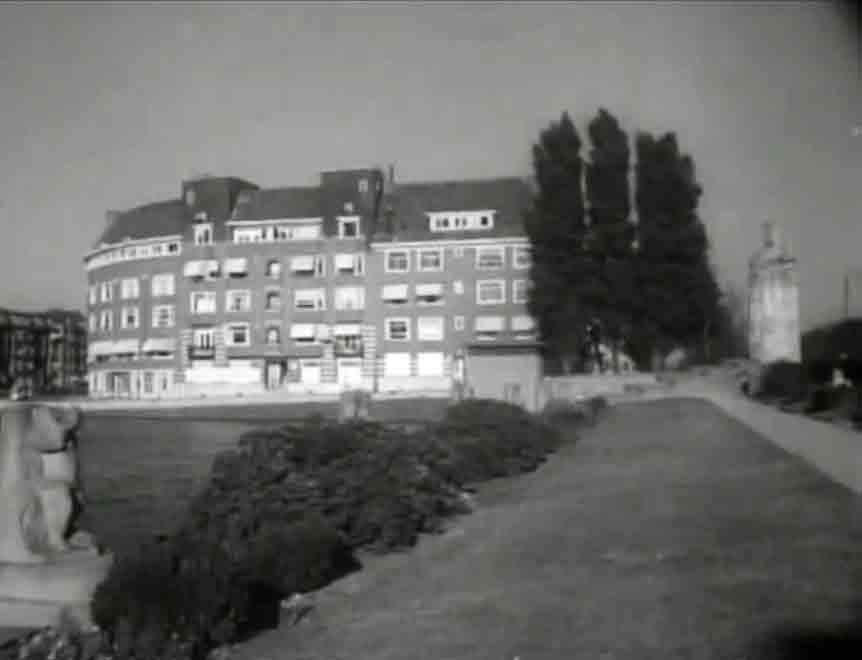
Here is a fine example of the Amsterdamse School, a typical Amsterdam movement in architecture. The Amsterdam School (Dutch: Amsterdamse School) is a style of architecture that arose from 1910 through about 1930 in the Netherlands. The Amsterdam School movement is part of international Expressionist architecture, sometimes linked to German Brick Expressionism. Muzenplein/Churchillaan, Amsterdam
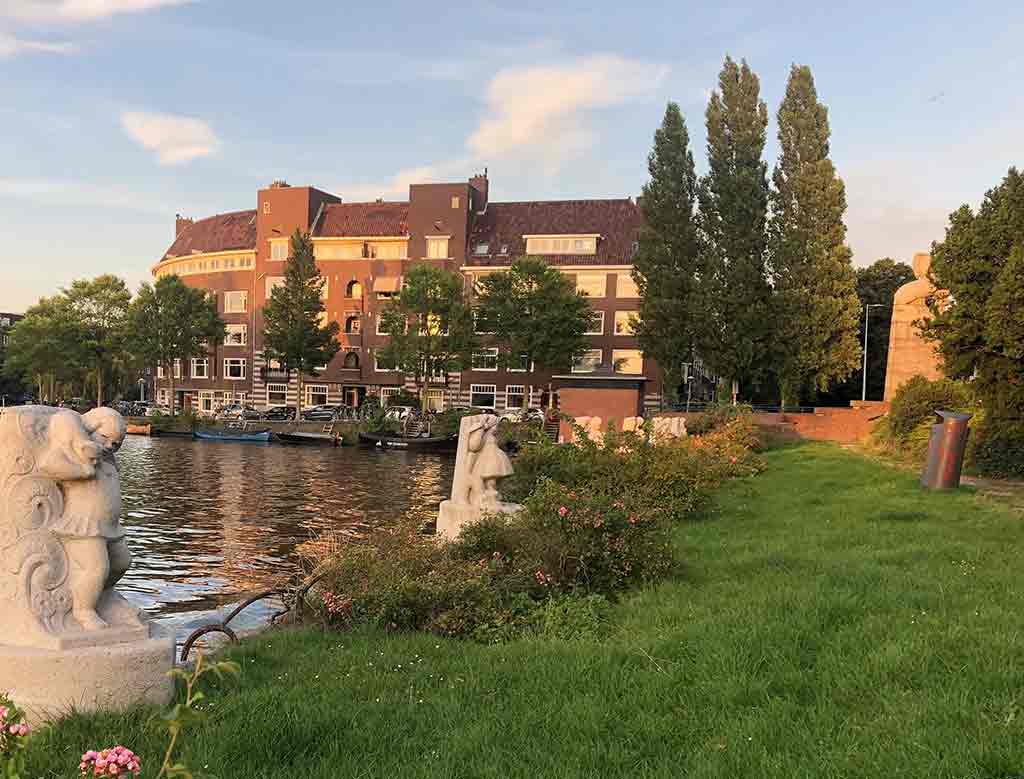
Sunset in Amsterdam.
- Capture 25
- 'Now' required
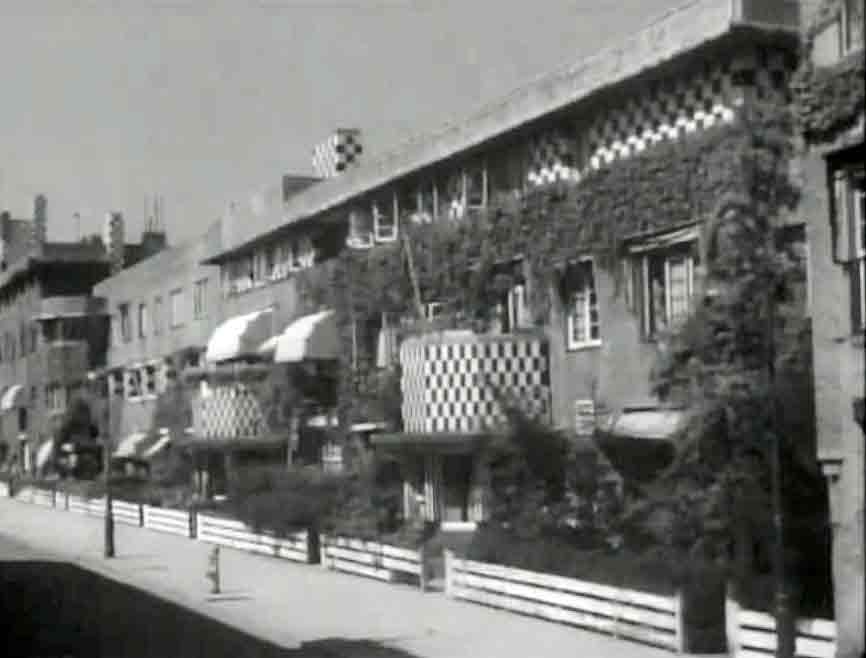
In these days a new form of pre WW2 architecture. Hacquartstraat, Amsterdam, view from outside number 4, with nos 6 to 24 in view (PB).
- Capture 26
- 'Now' required
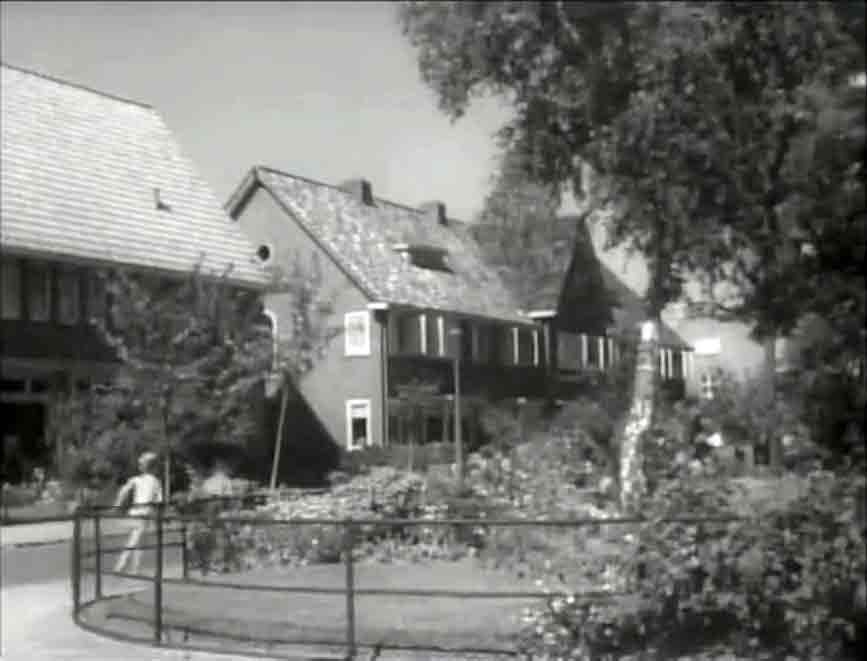
The narrator tells us that these were the houses of the working class immediately after the second world war. Unknown location
- Capture 27
- 'Now' required
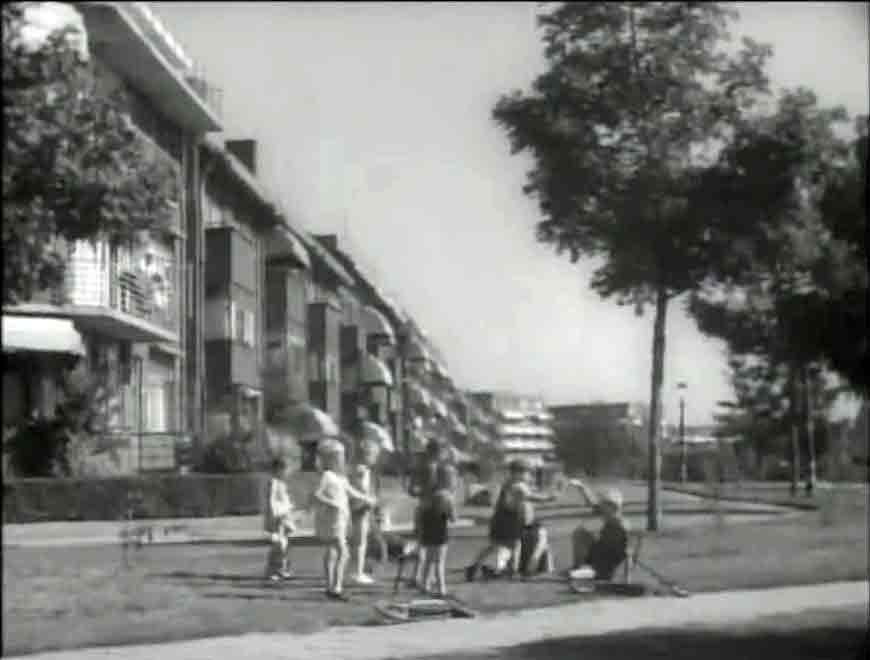
There should be enough space for children to play in public spaces. Unknown location.
- Capture 28
- 'Now' required
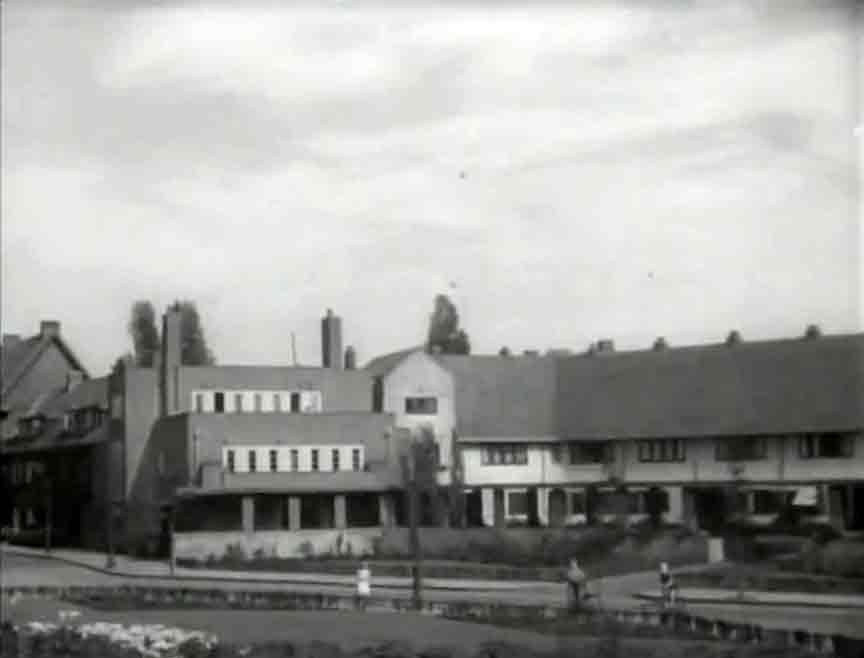
And even in these days the windows are huge so that the people who live in these houses are healthy and fresh. Unknown location.
- Capture 29
- 23 Nov 2021
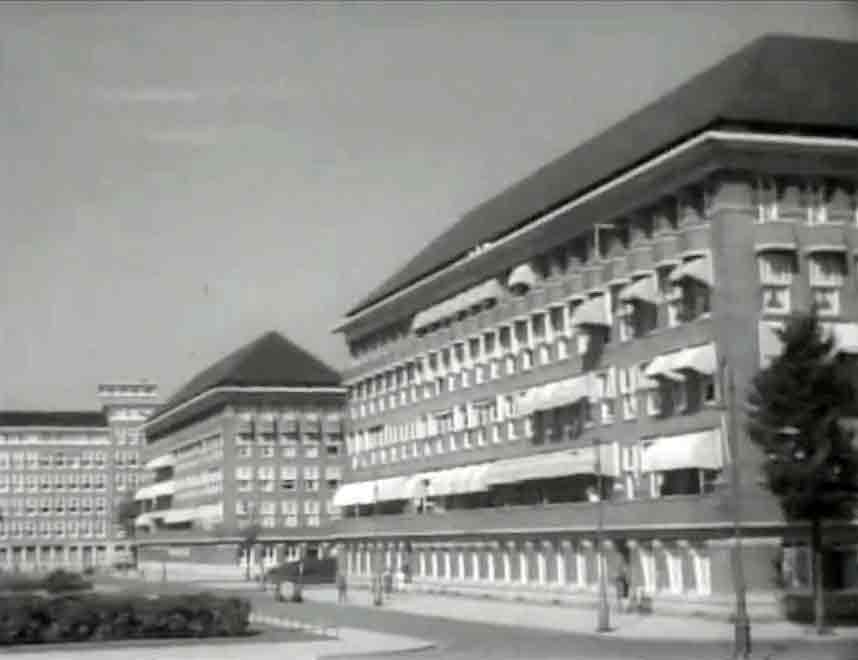
Another impression of Dutch architecture. Minervaplein, Amsterdam.
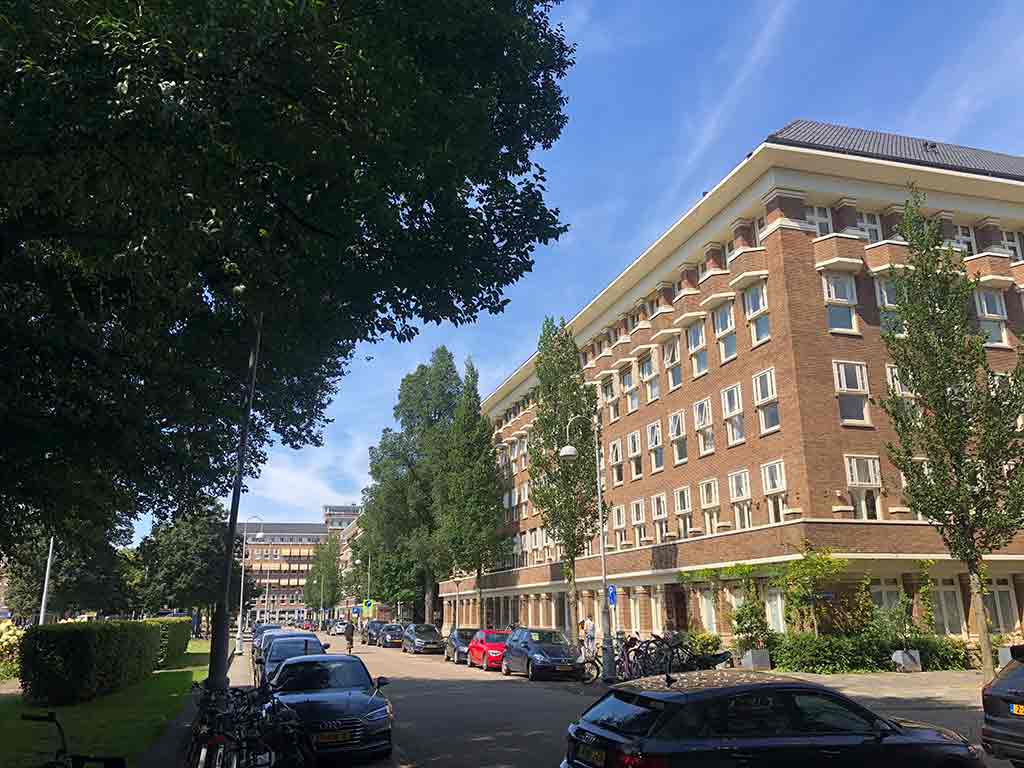
And again a huge tree made it happen that Frank couldn’t take the perfect shot. But we from Reelstreets don’t complain. We love a lot of trees in an urban environment.
- Capture 30
- 09 Nov 2025
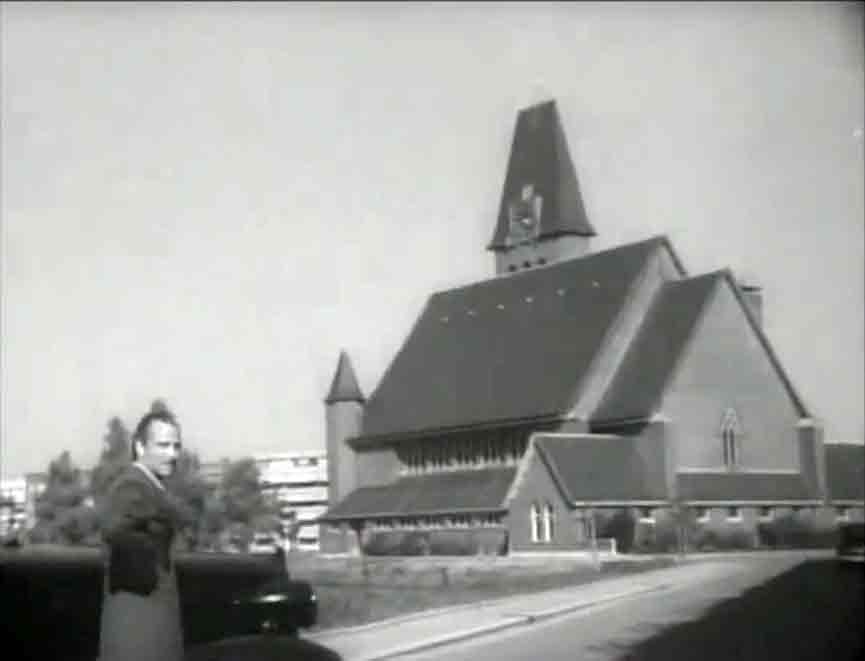
Also at places where the Dutch people go for recreation and reflection they seek for light, air and the contact with nature. Whilst researching during a visit to the Netherlands, Richard Winchester found Prinsekerk at Schepenstraat 69 in Rotterdam, South Holland.
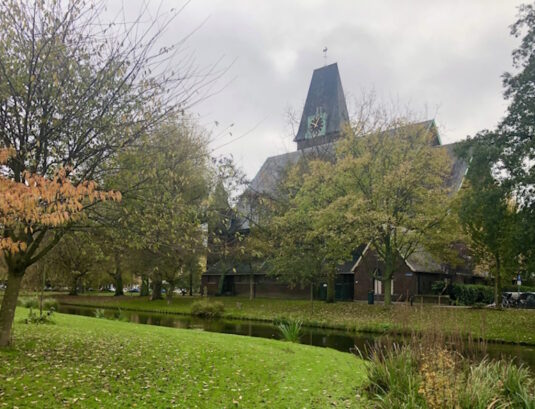
Taking a Sunday morning walk, Richard took this view of the church, now partly obscured by trees.
- Capture 31
- 'Now' required
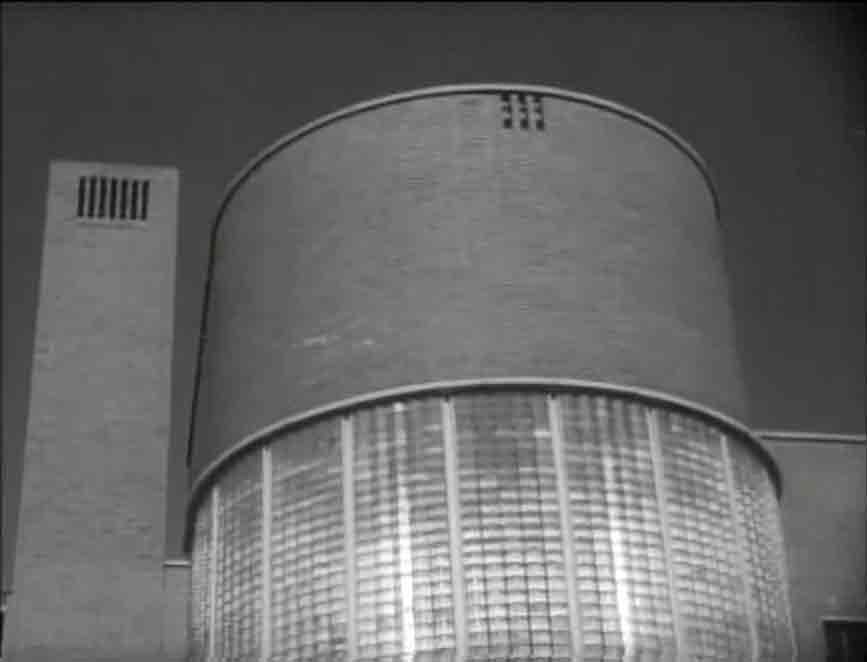
Speaking of big windows. Richard Winchester identifies this as the Snellius School at Snelliuslaan 10 in Hilversum, North Holland which was designed by architect Willem Dudok.
- Capture 32
- 'Now' required
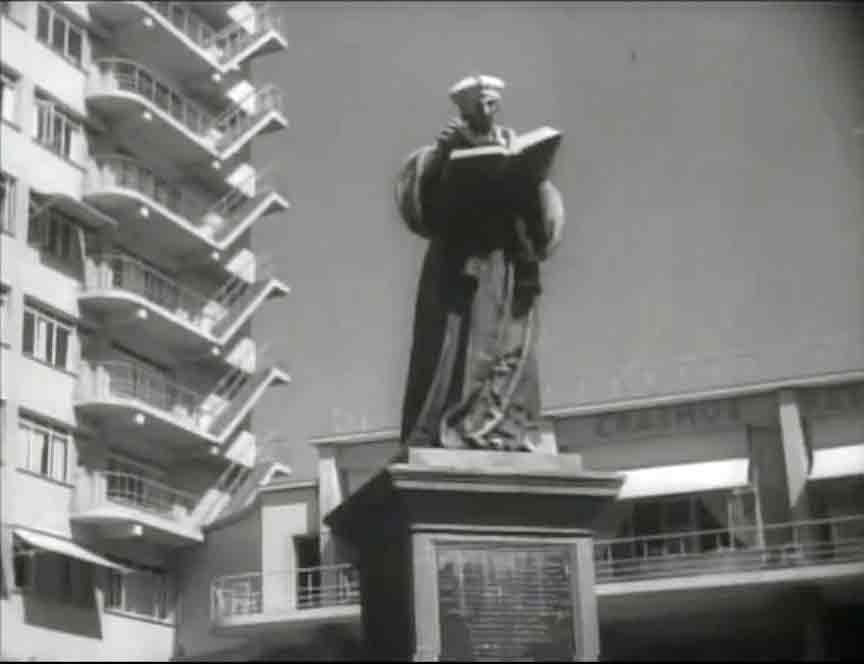
A combination of the old and the new architecture. Richard Doust corrects the earlier location telling us that this is in fact Coolsingel in Rotterdam. The status of Erasmus, by Hendrick de Keyser was moved from the Coolsingel to its current location, Grotekerkplein, in 1964.
- Capture 33
- 'Now' required
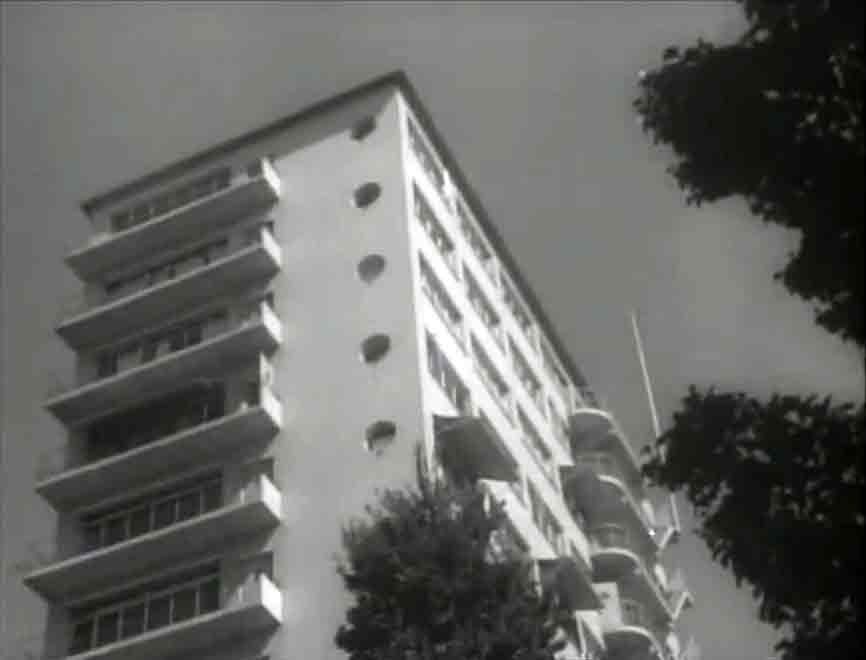
The new standard is also a standard of making higher buildings. Having identified the previous capture, Richard Doust is able to confirm that this is also Coolsingel in Rotterdam.
- Capture 34
- 23 Nov 2021
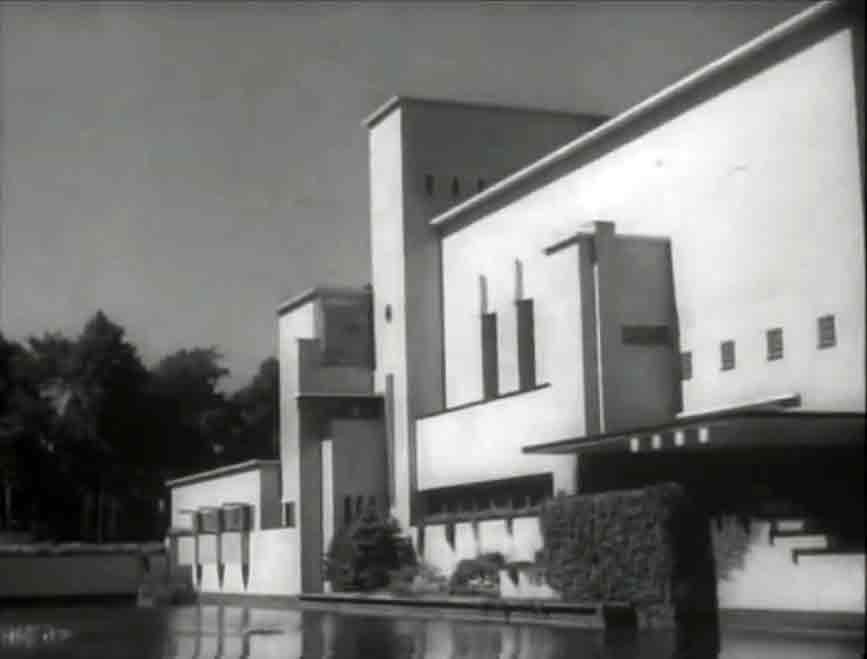
The 20th century city hall of Hilversum is one of the highlights of Dutch architecture. City hall Hilversum, Dudokpark 1, Hilversum
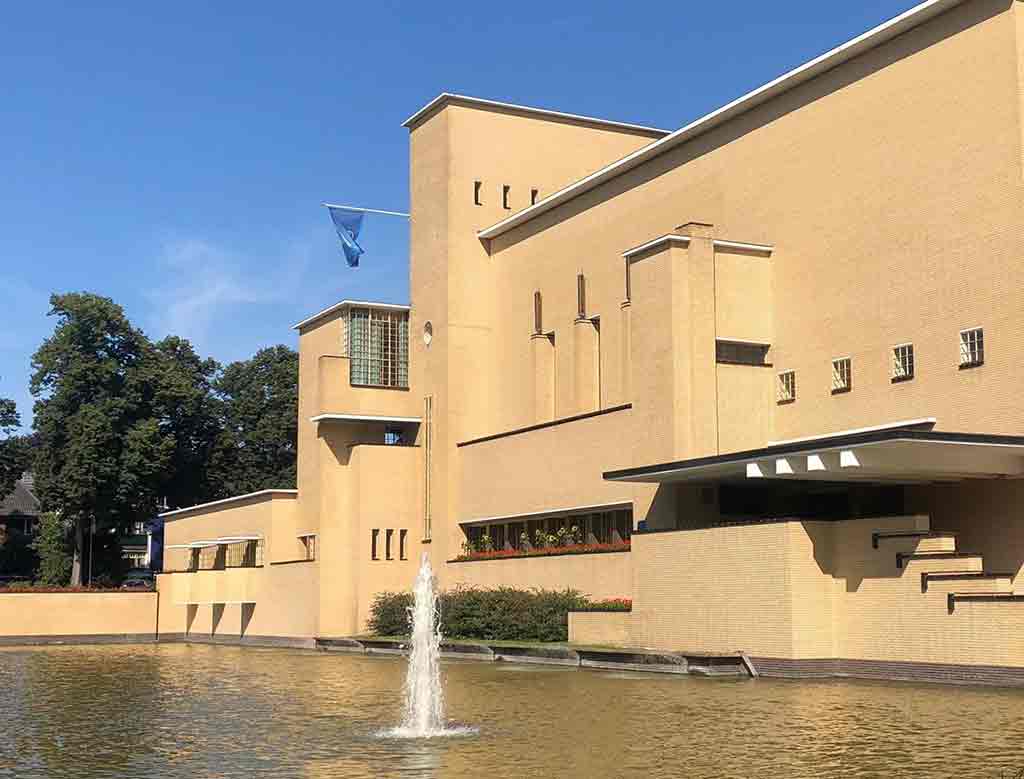
We wonder what the meaning of the blue flag might be.
- Capture 35
- 23 Nov 2021
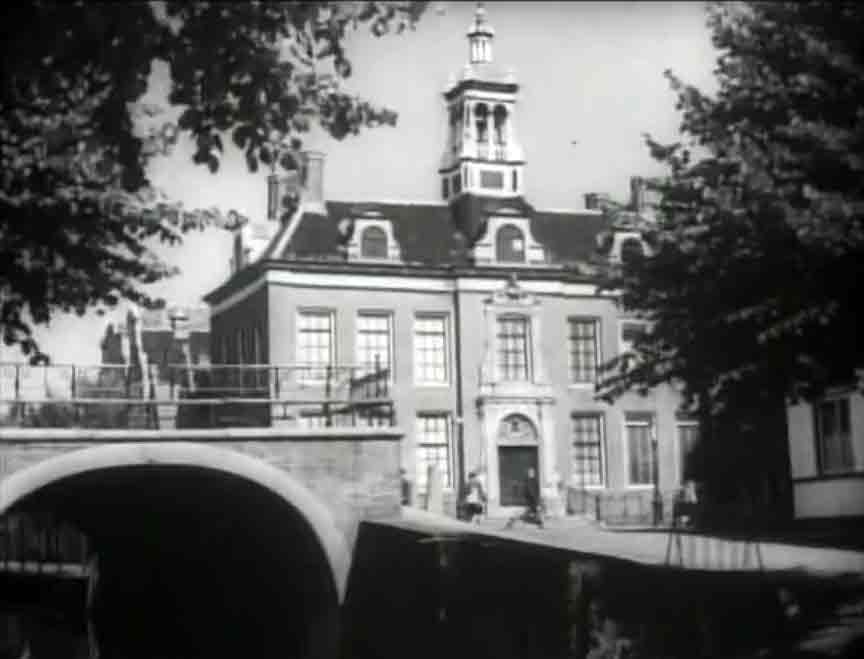
New and old architecture are all beautiful in the Netherlands. Especially when you compare it with this 17th century city hall. City hall Edam, Damplein 1, Edam
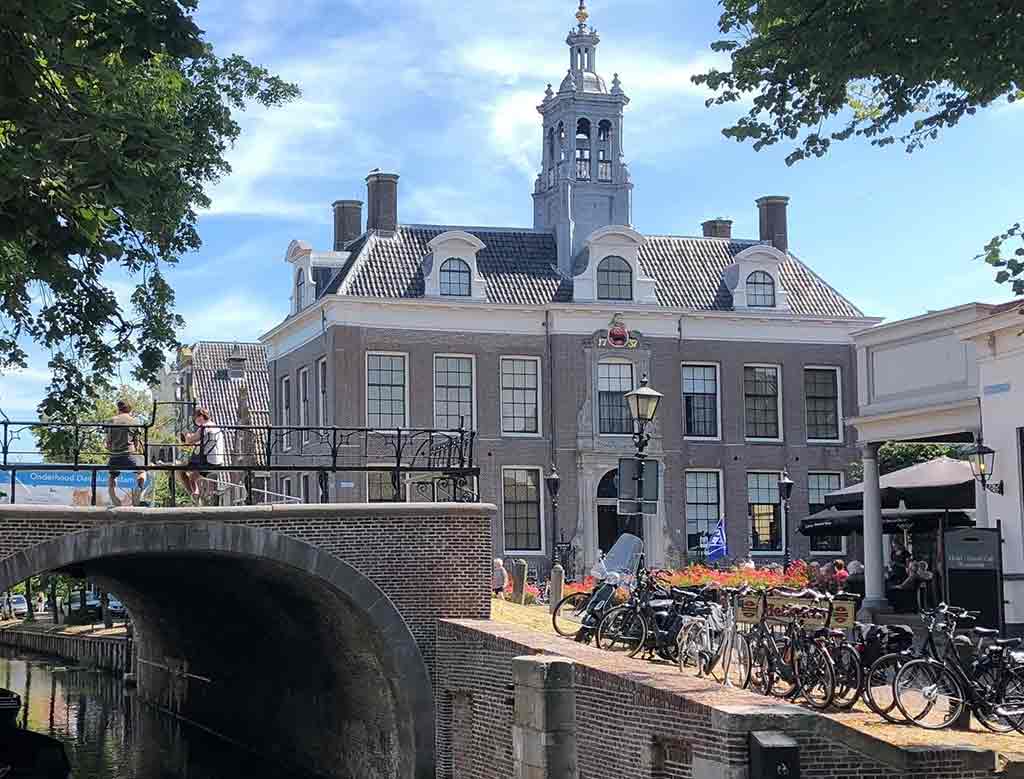
Did anything change the past 70 years?? The addition of bikes maybe.
- Capture 36
- 23 Nov 2021
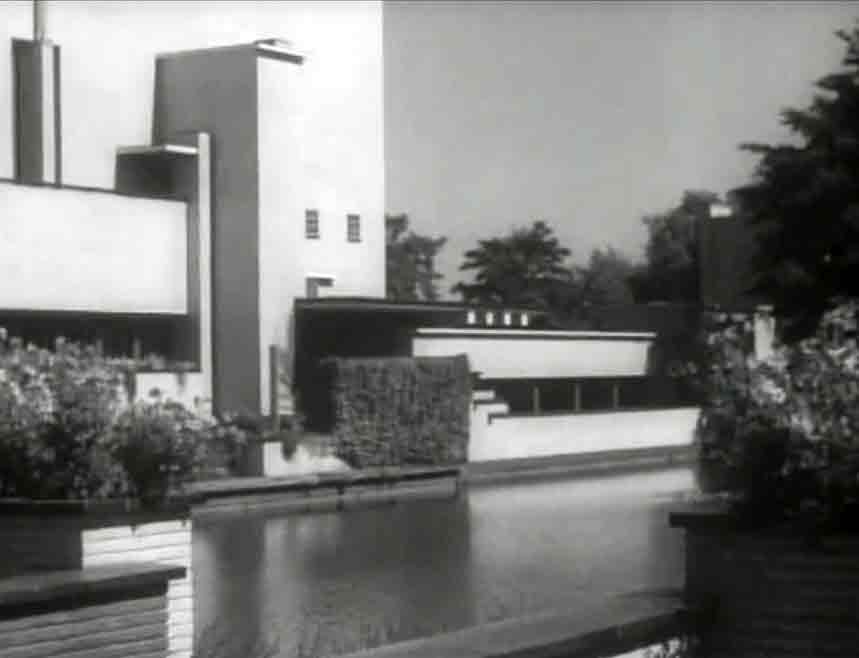
The perfect harmony of the water from nature with the straight lines of modern architecture. City hall Hilversum, Dudokpark 1, Hilversum
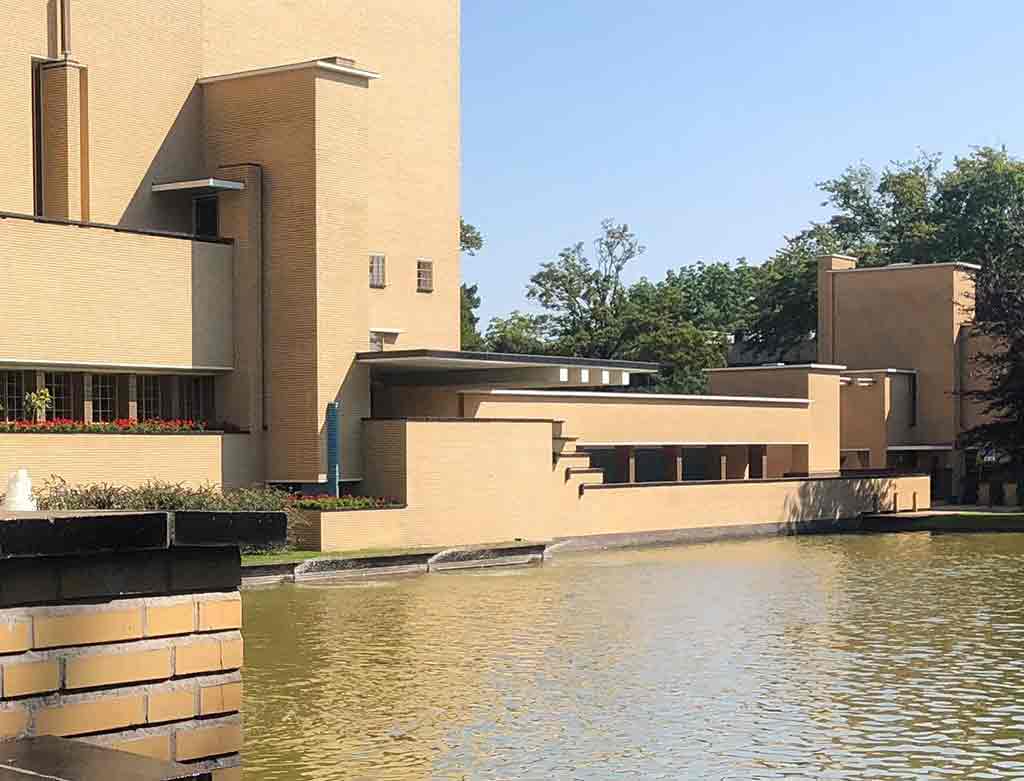
Dudock, the architect, insisted that the joints in between the yellow bricks of the wall to the left were deep so that the sun would make a geometric pattern.
- Capture 37
- 23 Nov 2021
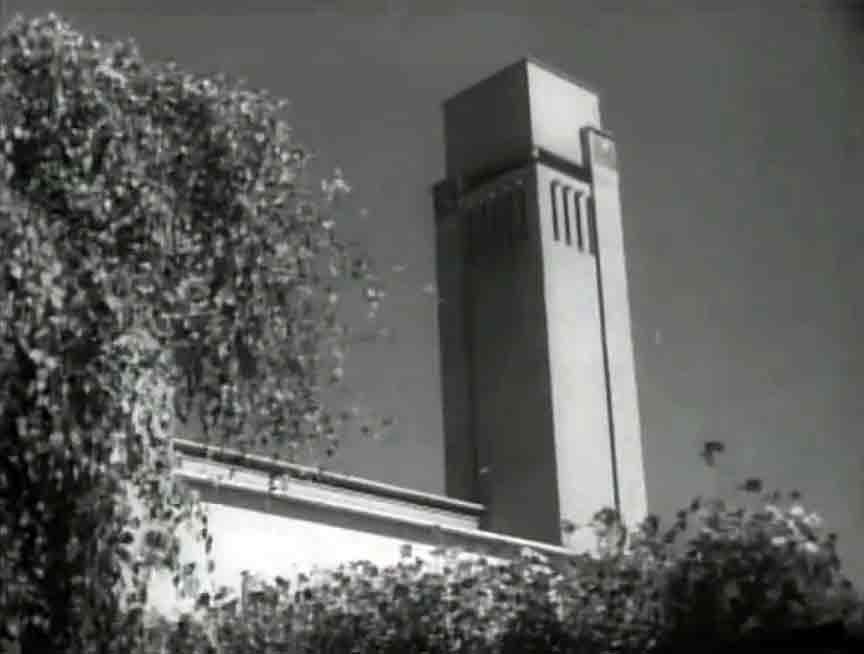
Simplicity and function. City hall Hilversum, Dudokpark 1, Hilversum
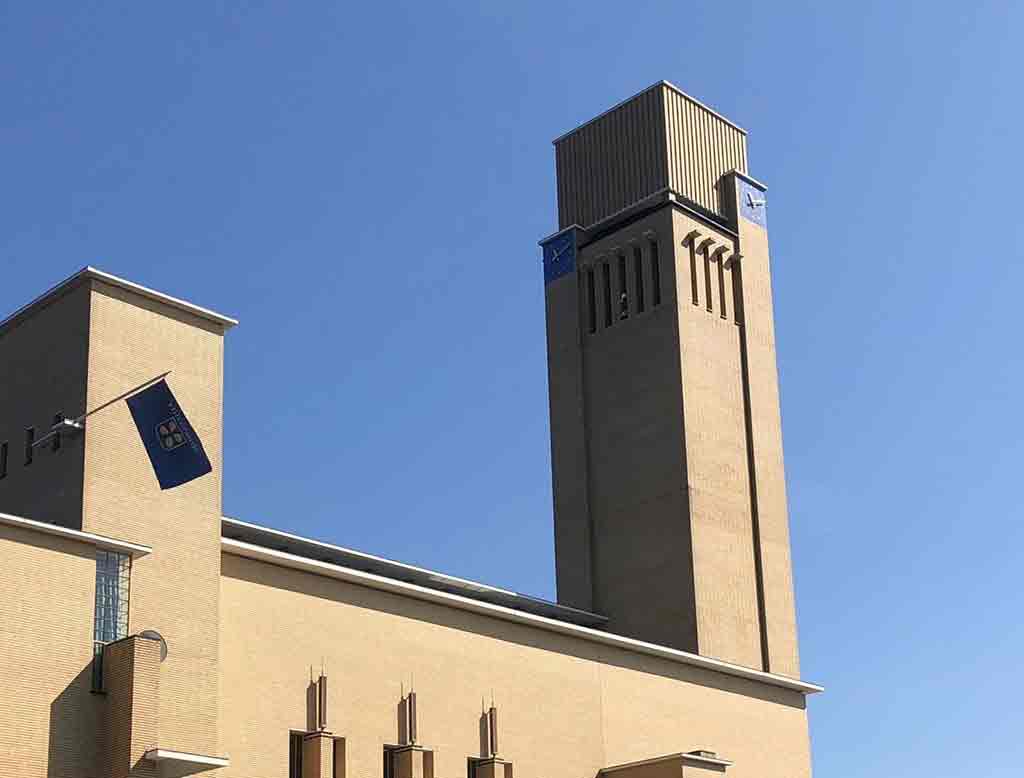
Sometimes people remove the plant in favour of the architecture.
- Capture 38
- 'Now' required
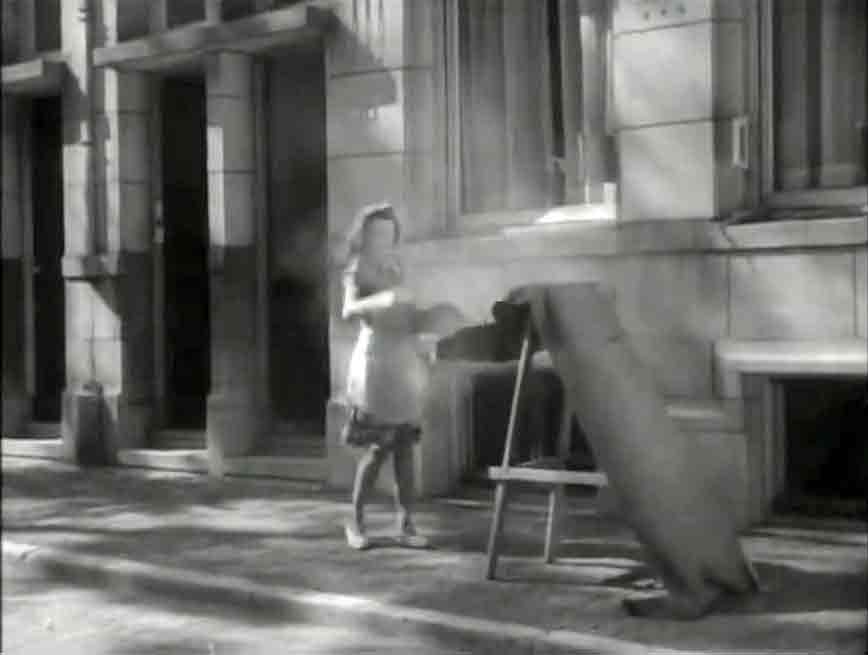
The next day when our narrator looks out of his window he witness the Dutch enthusiasm for cleaning. Unknown location.
- Capture 39
- 23 Nov 2021
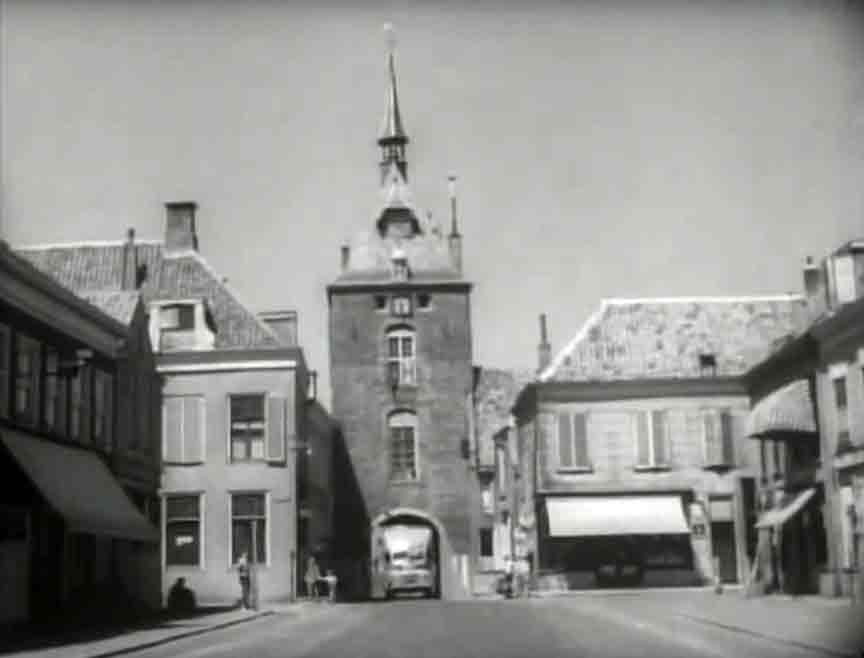
After hitchhiking our narrator arrives in Vianen. City gate, Voorstraat 2, Vianen
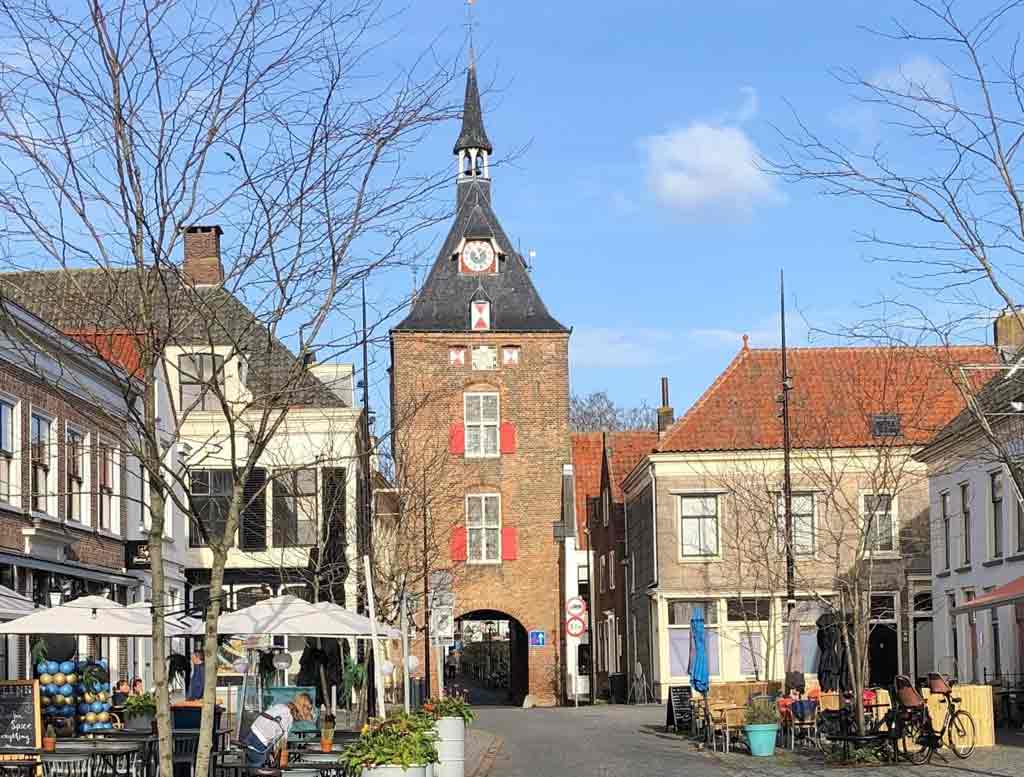
The streets are not as empty now as they were in the 1940’s.
- Capture 40
- 23 Nov 2021
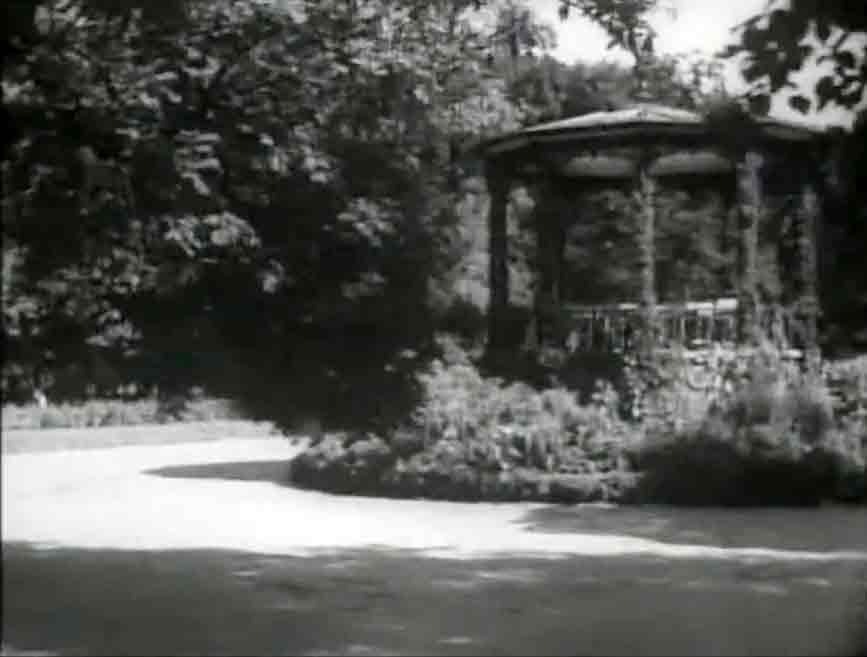
The next day he decides to take a little walk in the park. Tulp Eiland, Vondelpark, Amsterdam.
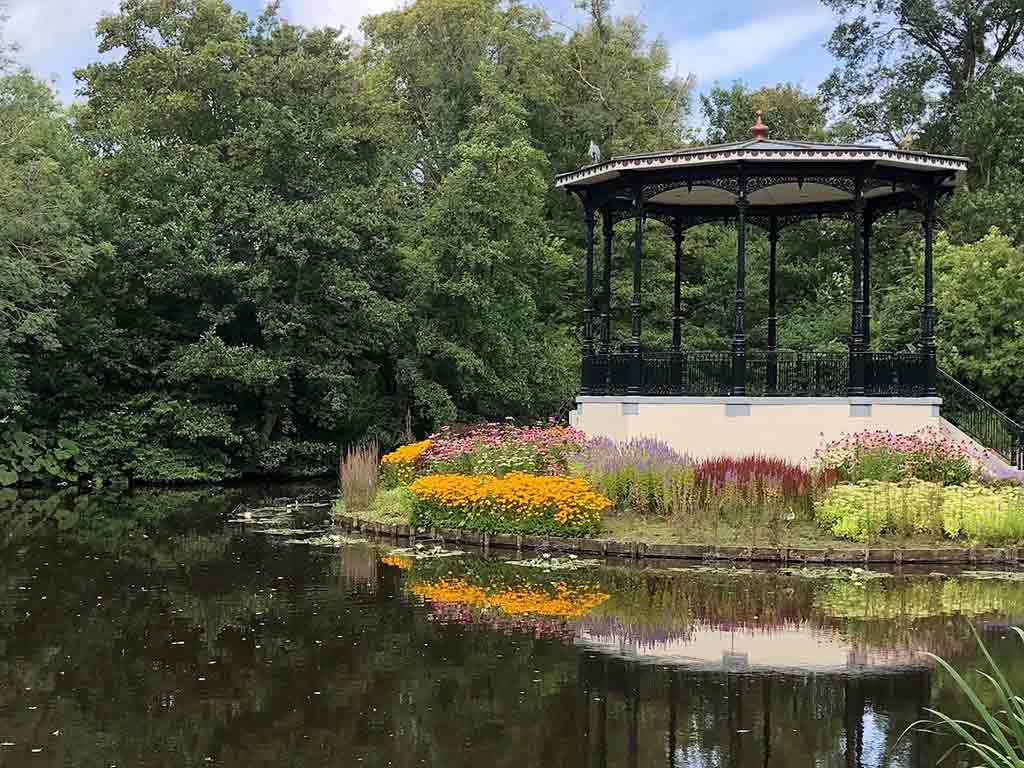
Do we need to say anything about this beauty here?
- Capture 41
- 'Now' required
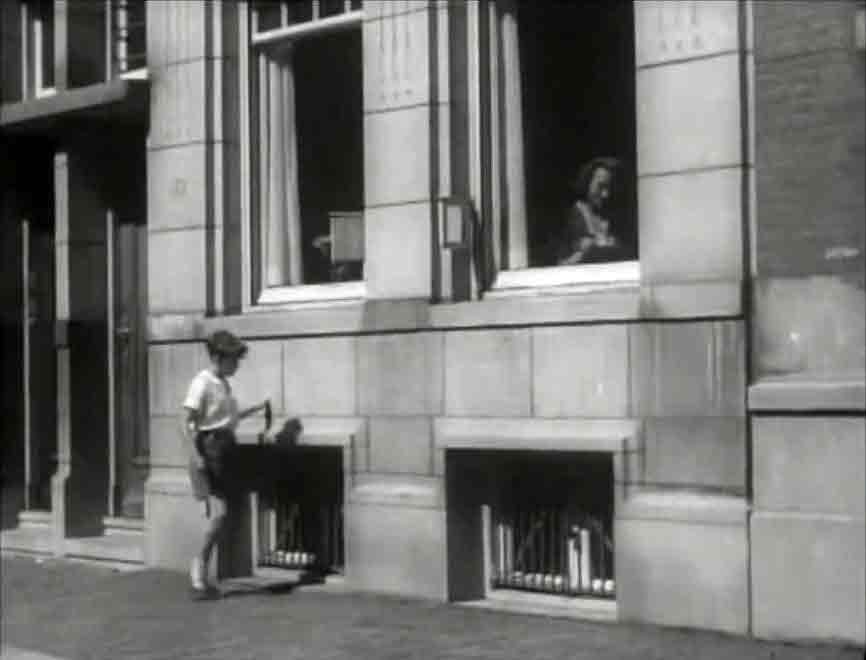
Back at the hotel he watches a young boy walking by. Unknown location.
- Capture 42
- 'Now' required
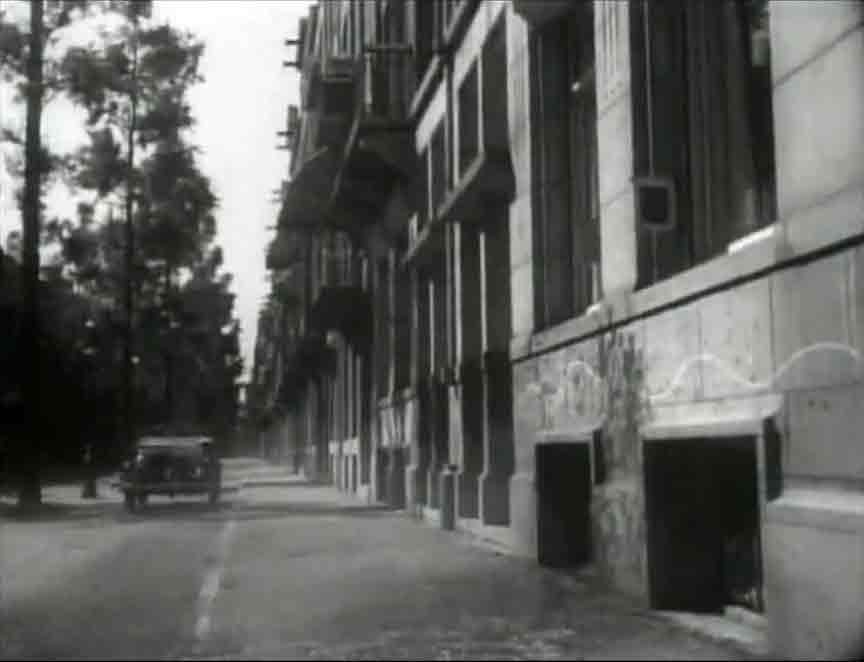
A car drives by at high speed and through a puddle of water, the clean house is dirty again. Unknown location.
- Capture 43
- 'Now' required
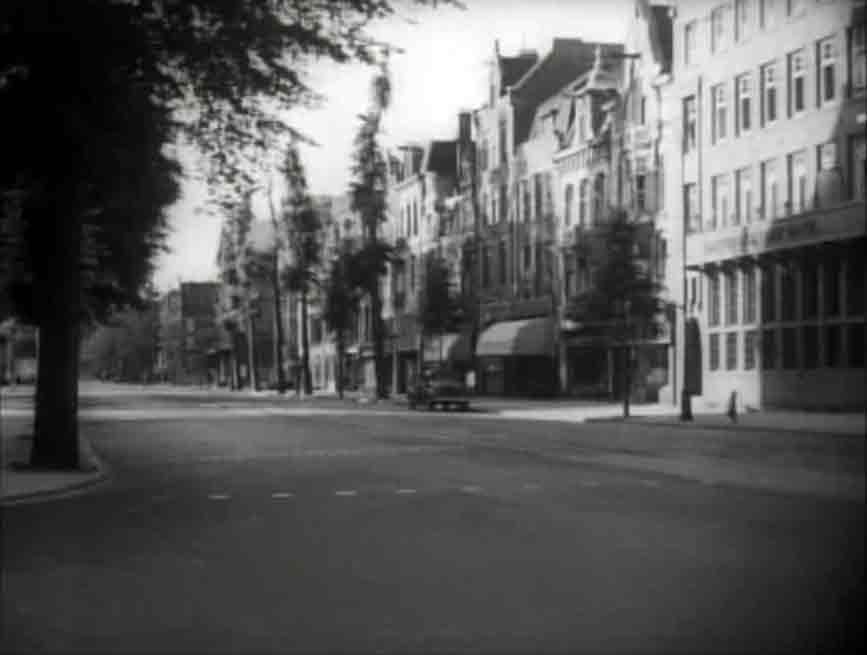
Sunday morning in Amsterdam and it is just like London very quiet in the early morning. View south into Van Baerlestraat, Amsterdam, from the crossing with Willemsparkweg (PB).
- Capture 44
- 'Now' required
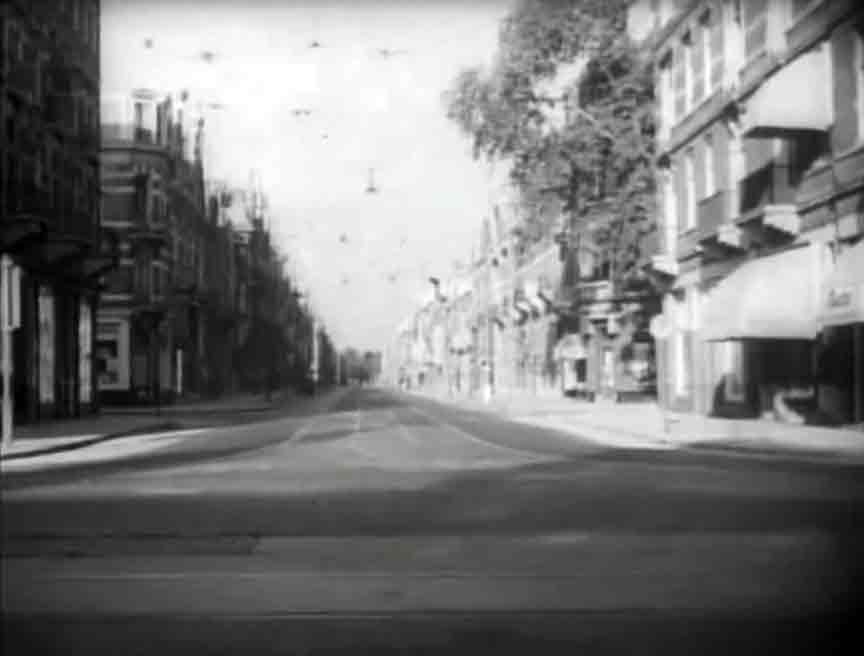
Same location and looking at a different road. View west along Willemsparkweg from the crossing with Van Baerlestraat, with Alexander Boerstraat crossing a short distance ahead (PB).
- Capture 45
- 'Now' required
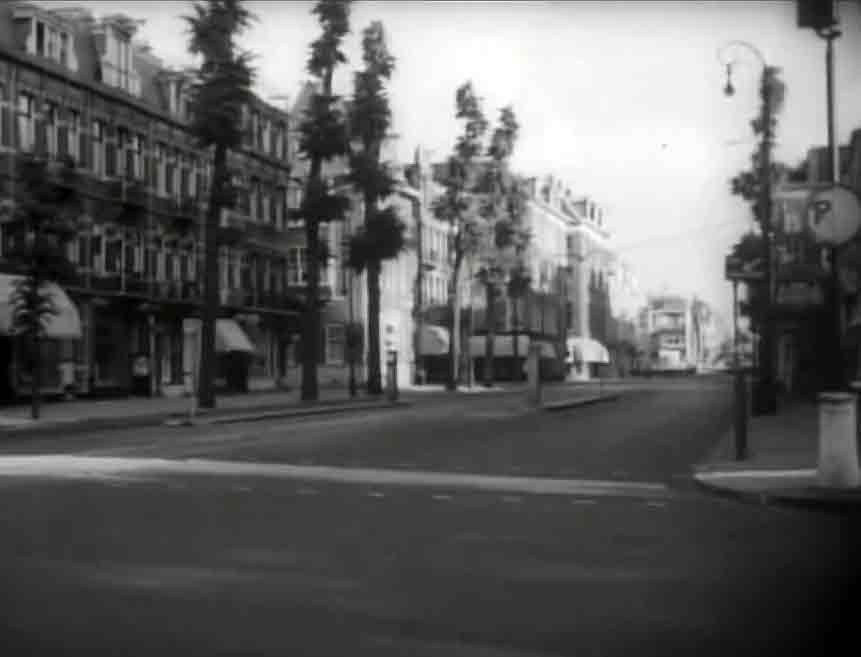
And another road on this quiet crossing. North along Van Baerlestraat from the same spot (PB).