
Broken Horseshoe, The
Date: 1953
Director: Martyn C. Webster
Production Company: Nettlefold Films
Stars: Robert Beatty, Elizabeth Sellers, Peter Coke
Location(s): London, South East?
Region(s): London A-B, South East A-D
Storyline:
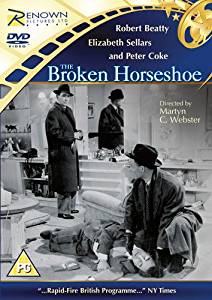
A hit and run victim is operated on by Dr. Fenton (Robert Beatty) the victim is later murdered and the doctor is under suspicion.
Additional Information:
Screen captures and uncredited now shots uploaded by Richard Lovejoy.

As an Amazon Associate, we earn from qualifying purchases.
Can you help:
If you have any information regarding this production, the locations or, even better, some comparison shots please contact us. Images submitted must be in Landscape orientation, as would be seen on the cinema screen, not Portrait.
We are aware that there are films on the site that were added when the criteria for the inclusion of locations was very different from today and, as a result, there may be scenes missing from some productions. Please do not forward additional screen captures to us but bring the detail to our attention, for we do, and are, 're-addressing' these older entries as time allows.
- Capture 1
- 07 Feb 2017
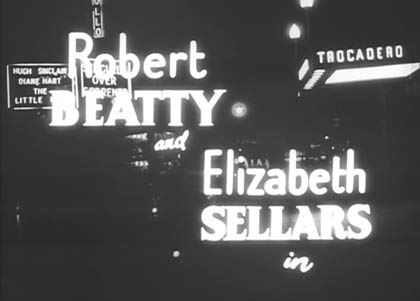
We travel through Central London by car behind the credits – Shaftesbury Ave, London W1 Lyric and Apollo Theatres to the left and the Trocadero development to the right.
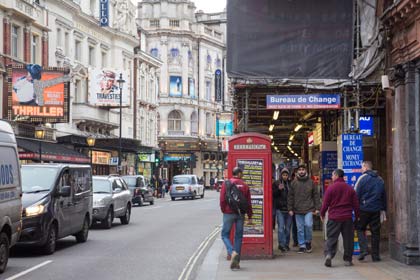
A similar shot in daylight with scaffolding.
- Capture 2
- 07 Feb 2017
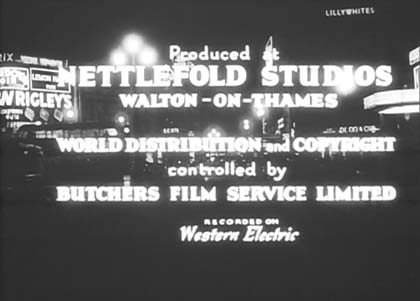
Looking back to Piccadilly Circus as we head down Piccadilly.
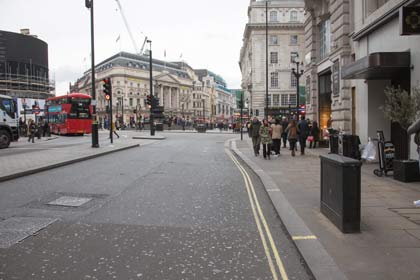
At least "Lillywhites" remains.
- Capture 3
- 07 Feb 2017
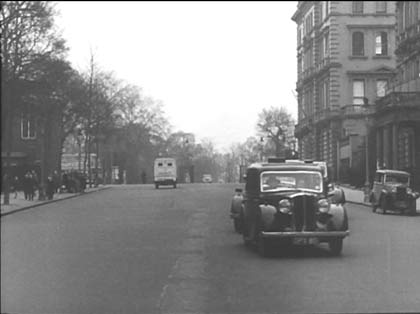
In darkness, a car knocks down Charles Constance (Ferdy Mayne) who is taken to hospital. The following morning the Police make their way to visit. Exhibition Road, London SW7 with Hyde Park in the background.
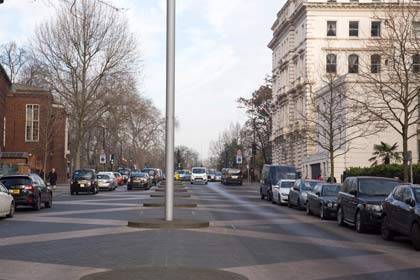
Some re-development on the right hand side and some flag poles of course!
- Capture 4
- 07 Feb 2017
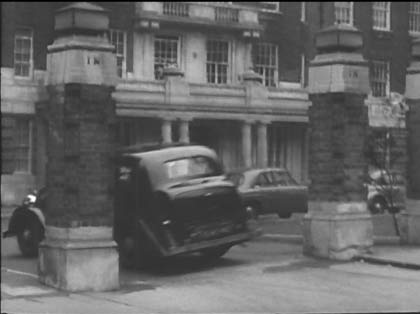
Our old friend Princes Gate Court, Exhibition Road, London SW7 acts as the hospital.
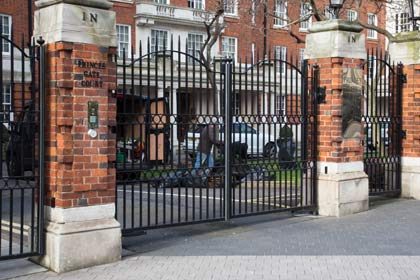
Access is now a little more difficult.
- Capture 5
- 'Now' required
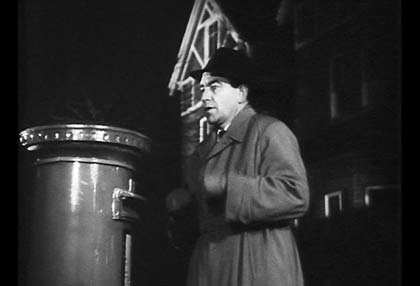
Having found Constance dead in a flat where he went to deliver a letter, Dr Fenton posts the contents of that letter to Belgium. Unknown location and the last before the film concludes in studio sets. Is that gable known to us from other films made at Walton-on-Thames?