
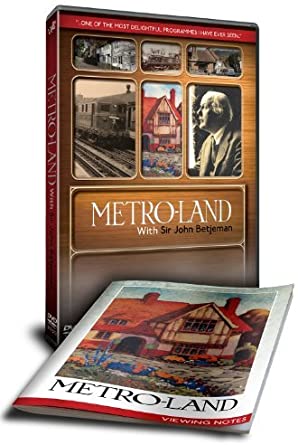
Metro-Land
Date: 1973
Director: Edward Mirzoeff
Production Company: British Broadcasting Corporation (BBC)
Stars: John Betjeman
Location(s): Buckinghamshire, Hertfordshire, London, Sussex
Region(s): London M-N, South East M-Q
Storyline:
Heading north-west from Baker Street station, John Betjeman takes us on an architectural tour of the suburbs and villages that grew up along the Metropolitan Railway as we travel through Hertfordshire to far flung Verney Junction in Buckinghamshire.
Additional Information:
Screen captures by Phil Wilkinson
Uncredited comparison shots by Richard Bennett, who has completed an enormous amount of research and leg-work during the latter part of Summer 2025.

As an Amazon Associate, we earn from qualifying purchases.
Can you help:
If you have any information regarding this production, the locations or, even better, some comparison shots please contact us. Images submitted must be in Landscape orientation, as would be seen on the cinema screen, not Portrait.
We are aware that there are films on the site that were added when the criteria for the inclusion of locations was very different from today and, as a result, there may be scenes missing from some productions. Please do not forward additional screen captures to us but bring the detail to our attention, for we do, and are, 're-addressing' these older entries as time allows.
- Capture 1
- 31 Aug 2025
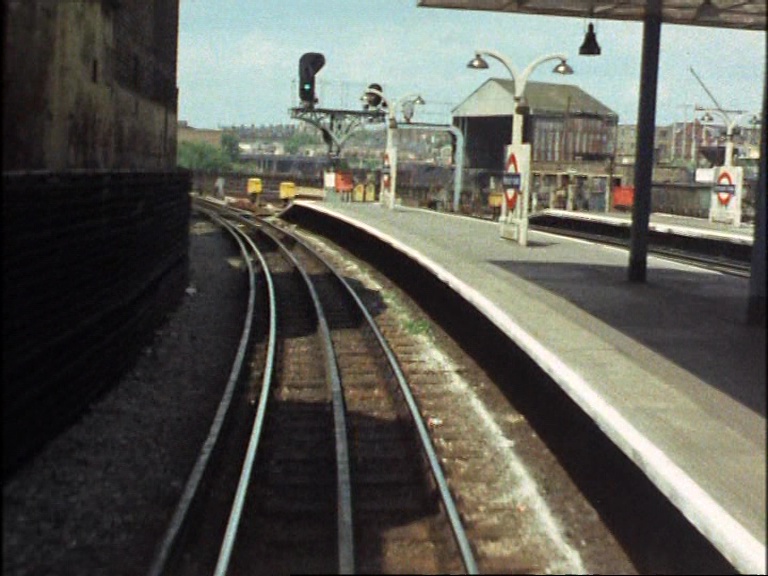
Written and narrated by Sir John Betjeman, campaigner and founding member of the Friends of Friendless Churches as well as the Victorian Society, 'Metro-Land' gets under way by departing from Finchley Road station on the Metropolitan and Bakerloo Lines. Finchley Road station stands on Finchley Road in South Hampstead NW3.
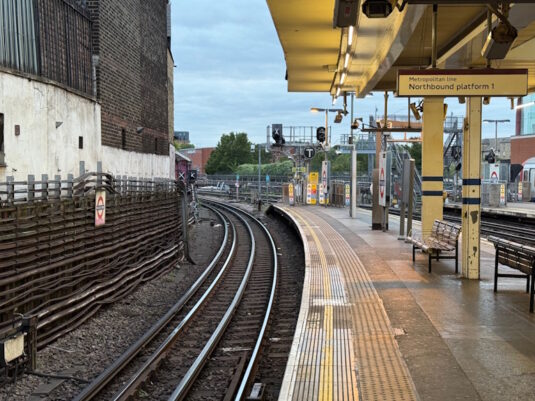
Taken from the platform, Finchley Road 52 years later.
- Capture 2
- 31 Aug 2025
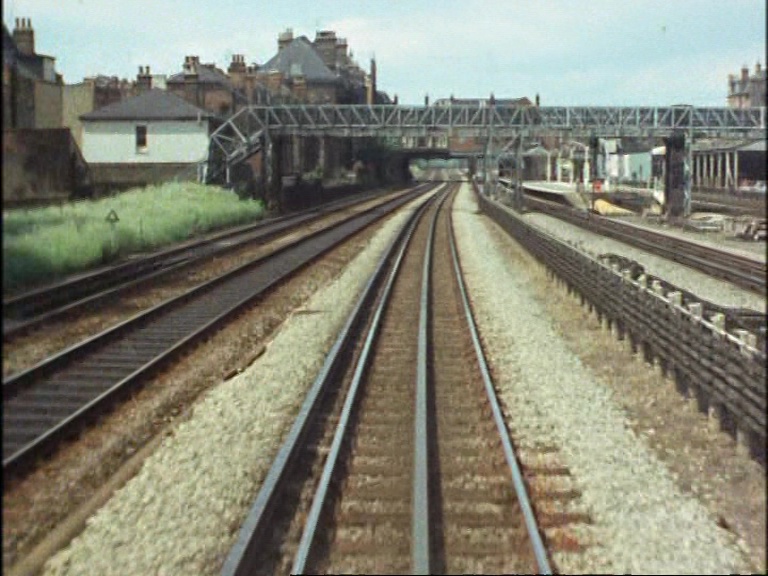
To the right stands West Hampstead station on West End Lane in NW6. The station was opened by the Metropolitan Railway, transferred to the Bakerloo Line in 1939 and has been part of the Jubilee Line since 1979.
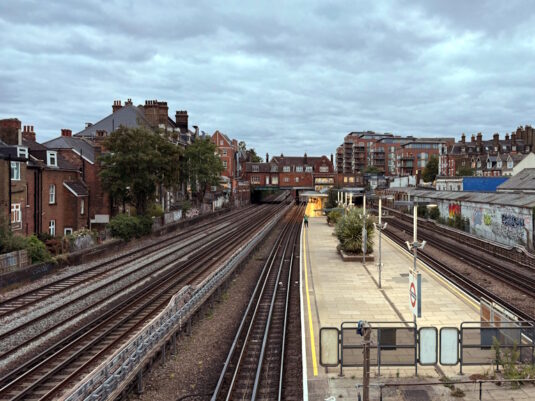
The view from what’s now a footbridge in the middle ground of the capture.
- Capture 3
- 31 Aug 2025
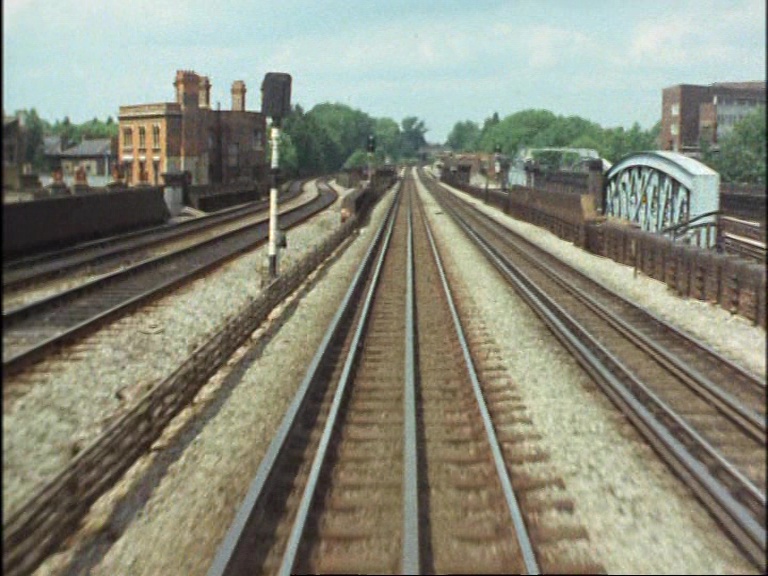
The bridges over Loveridge Road NW6 on the approach to Kilburn station, with those over Kilburn High Road and Christchurch Avenue beyond, as seen in 'The Smallest Show on Earth'.
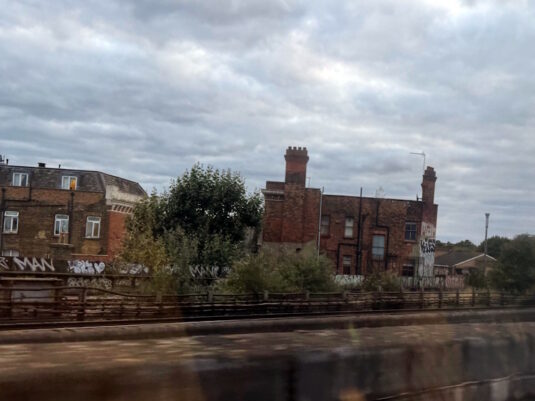
In the gathering gloom, this is taken through the window of a moving train approaching Kilburn station.
- Capture 4
- Pre 2008
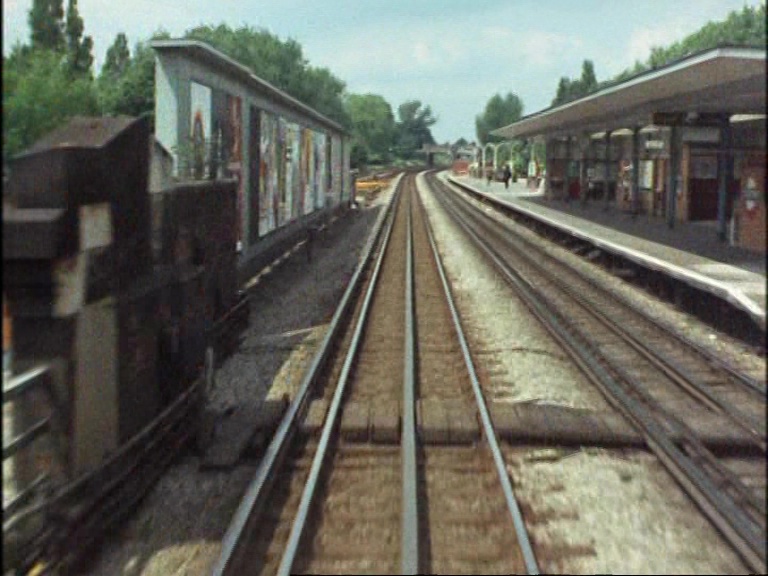
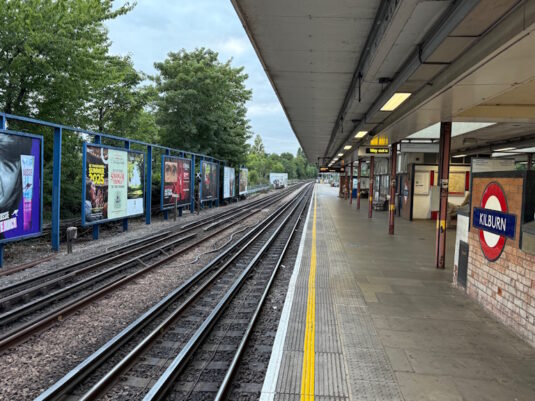
Only served by Bakerloo Line trains, this is Kilburn station with its entrance on Shoot Up Hill.
Now I’m walking home. That was good value for a single tube fare. I know this line well. My kids commuted to school from Baker Street to Wembley Park for a couple of years. Later, they commuted from Finchley Road and Swiss Cottage (with mum) and from Kilburn and Dollis Hill (with me). My godson (and his parents) live in West Hampstead. This evening has made me glad I didn’t buy that house I looked at once in Neasden. My dad and grandparents lived in St John’s Wood in the early 1960s. I bumped into one of our builders at Dollis Hil this evening.
- Capture 5
- 31 Aug 2025
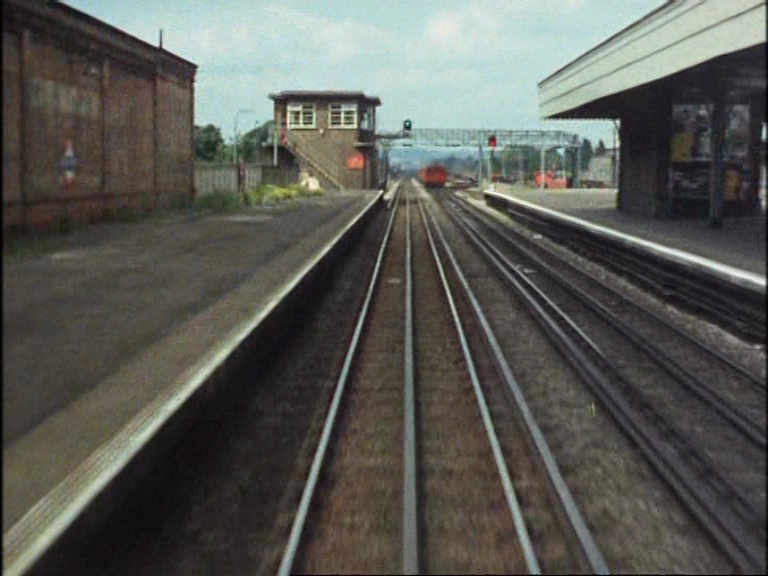
Willesden Green station on Walm Lane in NW2 with a northbound 1938 Stock Bakerloo service having just departed.
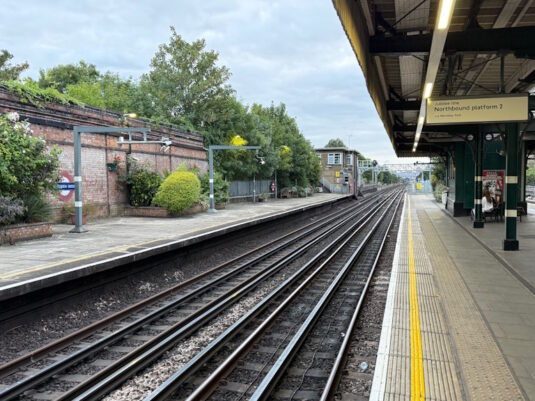
There's no access to the opposite platform as Metropolitan Line trains don’t stop between Wembley Park and Finchley Road.
- Capture 6
- 31 Aug 2025
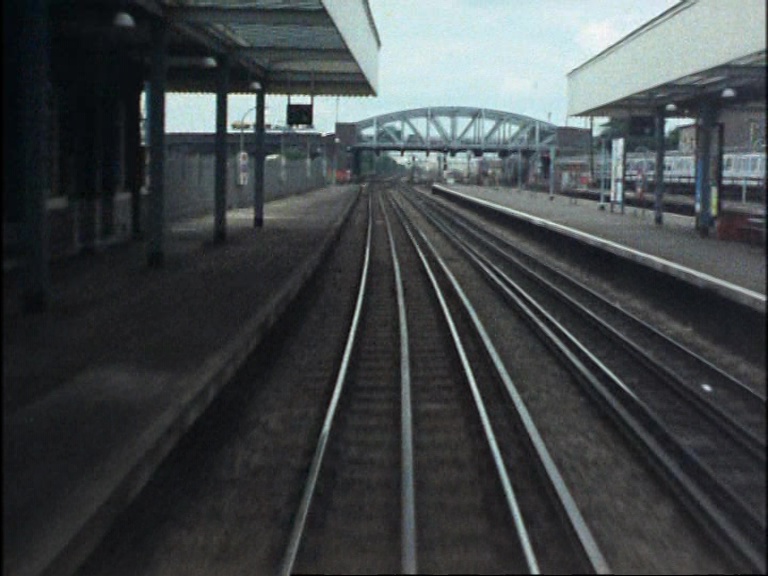
Neasden station on Neasden Lane NW10.
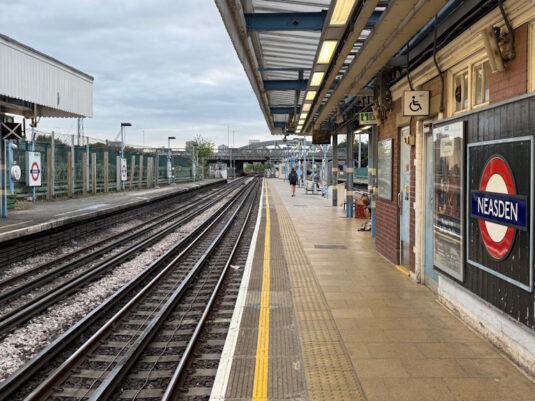
The platform on the left appears to be out of use and the line is used only by passing services.
- Capture 7
- 'Now' required
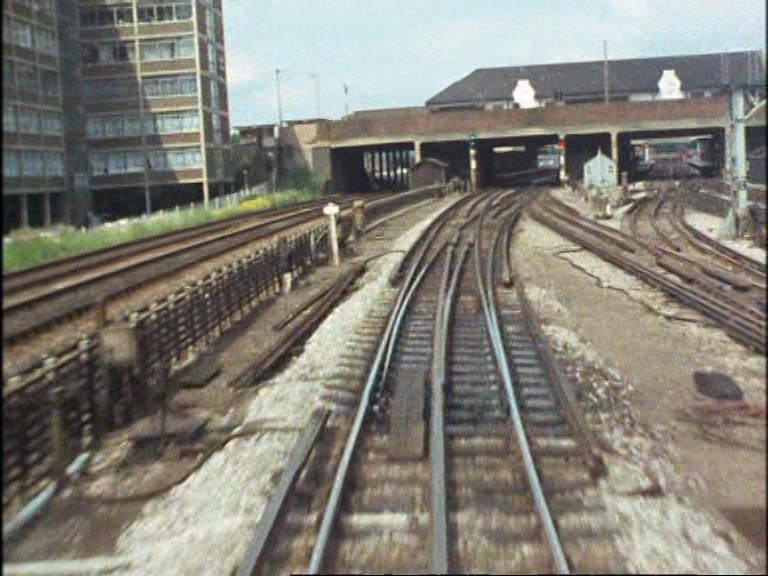
Approaching Wembley Park station in Greater London with the booking office on Bridge Road.
- Capture 8
- 31 Aug 2025
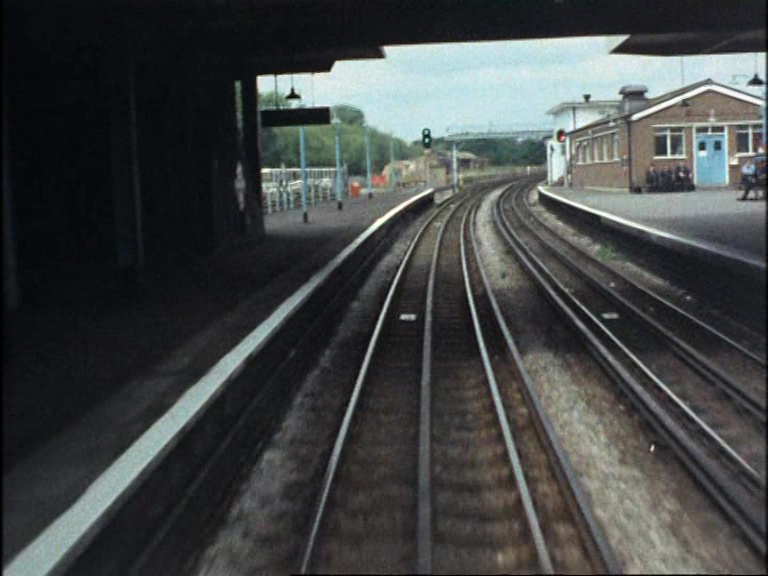
The northbound platforms at Wembley Park station.
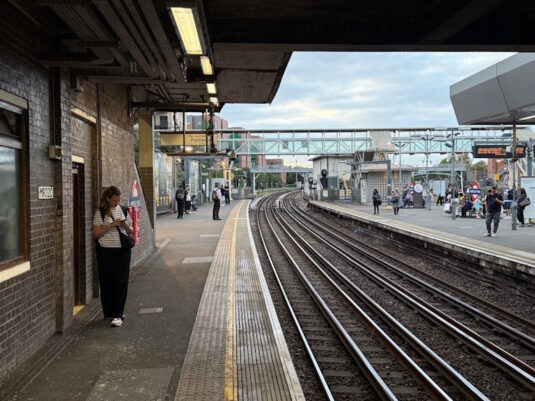
More passengers populate the platforms today.
- Capture 9
- 'Now' required

Preston Road station on Preston Road, Harrow in Greater London.
- Capture 10
- 31 Aug 2025
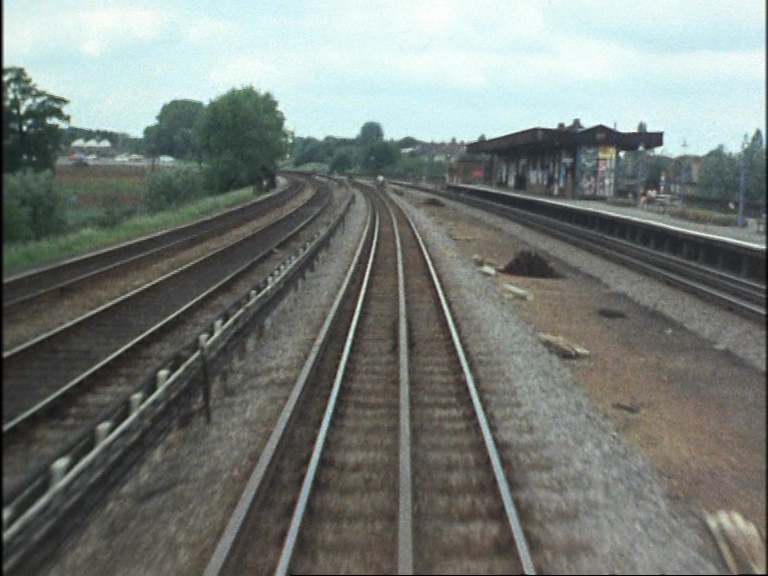
Northwick Park station on Northwick Avenue, Harrow.
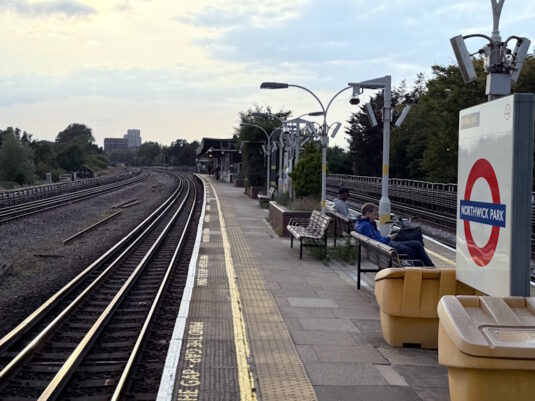
The cluttered looking Northwick Park station.
- Capture 11
- 31 Aug 2025
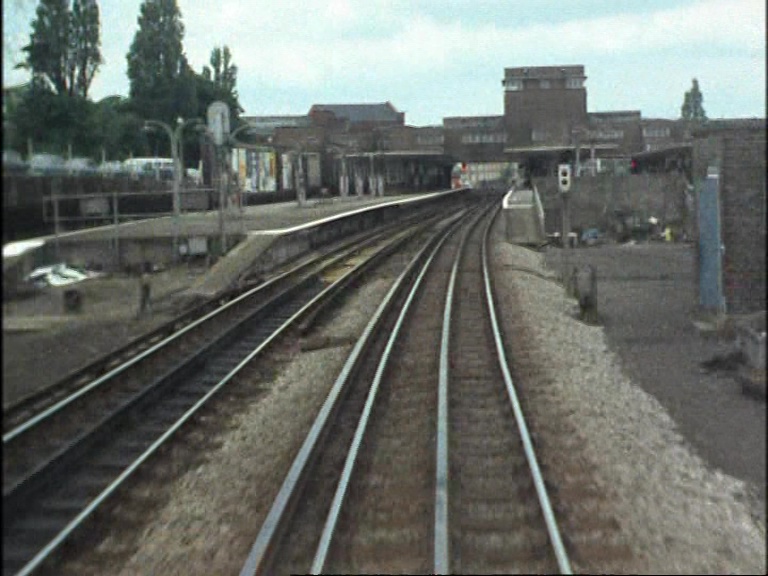
The approach to Harrow on the Hill station on Station Approach, Harrow.
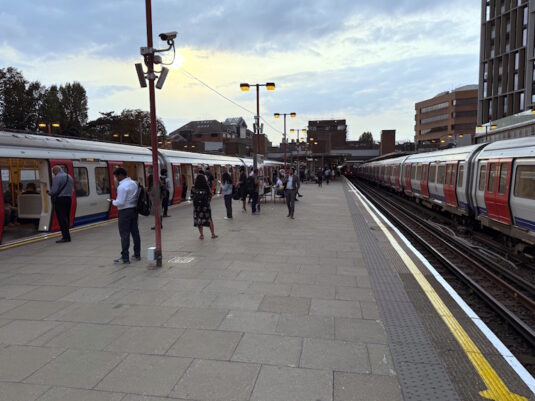
gain, taken from the platform in the absence of authority to travel i the cab of a train.
- Capture 12
- 31 Aug 2025
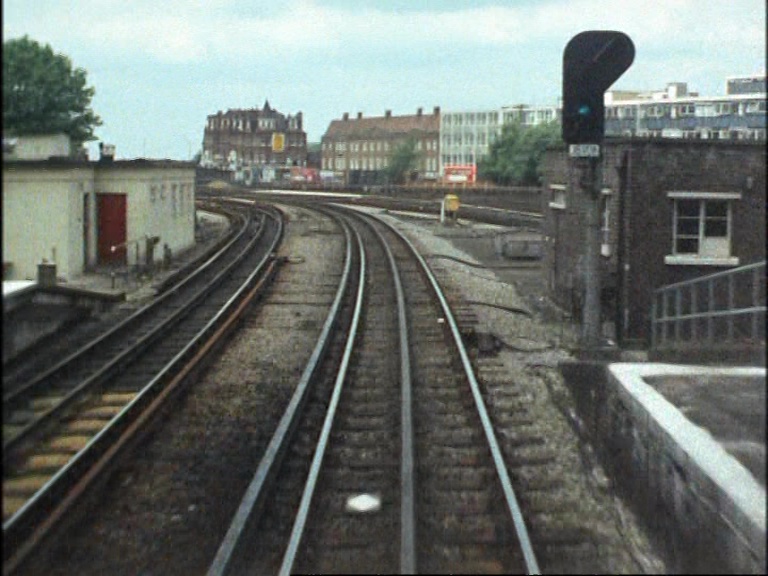
Looking west from Harrow on the Hill station with buildings on College Road in the background.
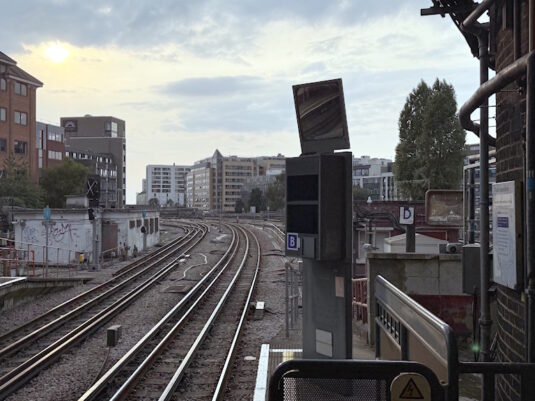
All change on College Road.
- Capture 13
- 31 Aug 2025
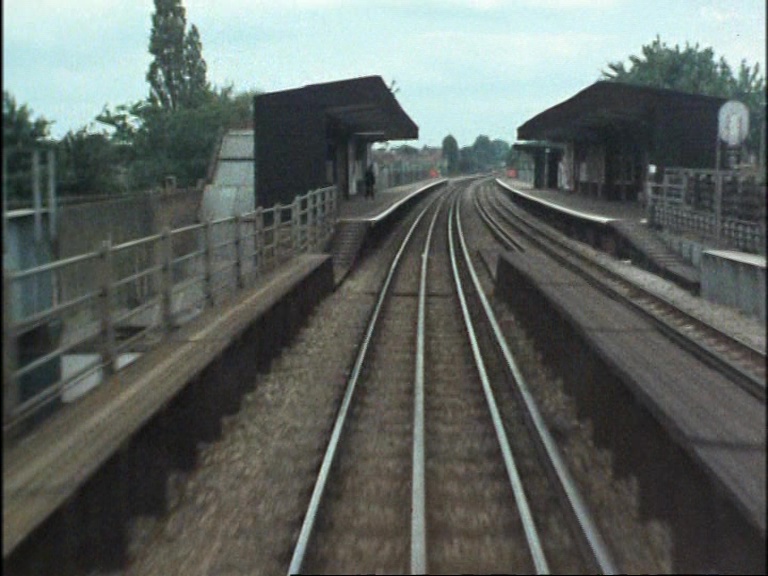
North Harrow station on Station Road, North Harrow.
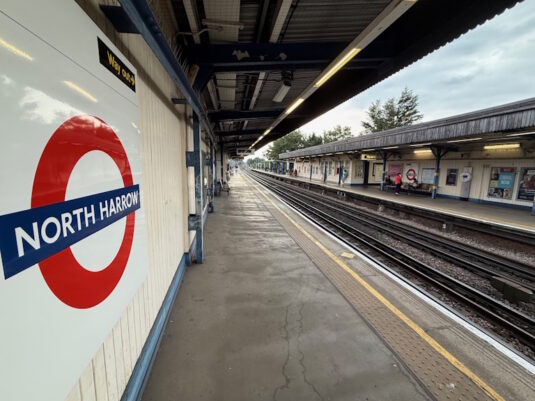
Looking brighter, this is North Harrow now.
- Capture 14
- 31 Aug 2025

Pinner station on Station Approach, Pinner in Greater London.
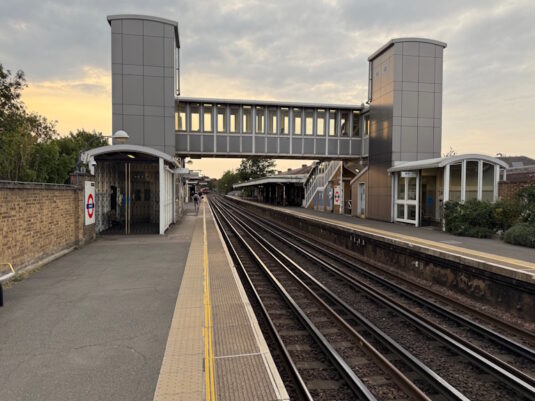
Pinner, with a new footbridge and platform canopies.
- Capture 15
- 31 Aug 2025
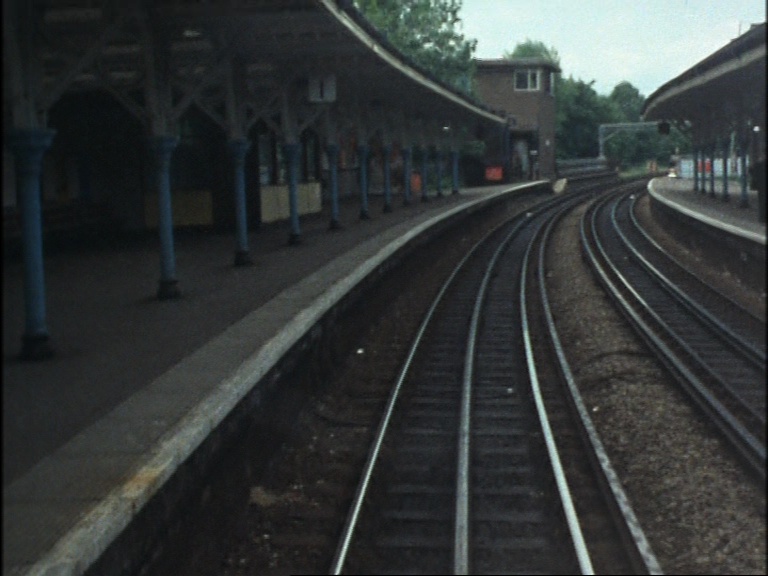
Rickmansworth station on Station Road in Rickmansworth, Hertfordshire
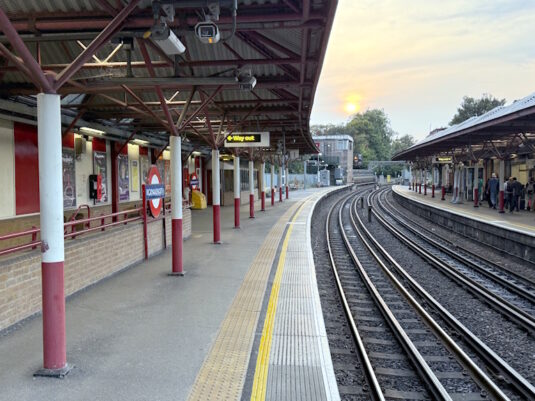
A change of colour but still easily recognisable.
- Capture 16
- 31 Aug 2025
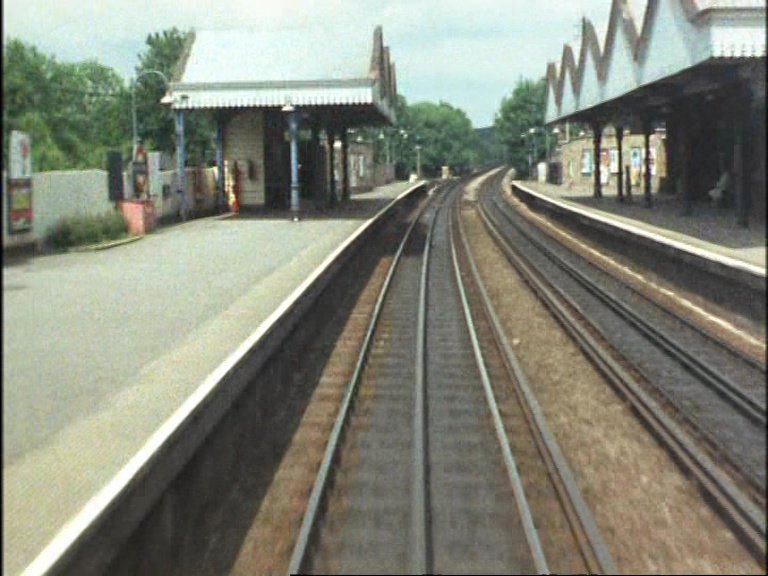
Chorleywood station on Station Approach, Chorleywood in Hertfordshire.
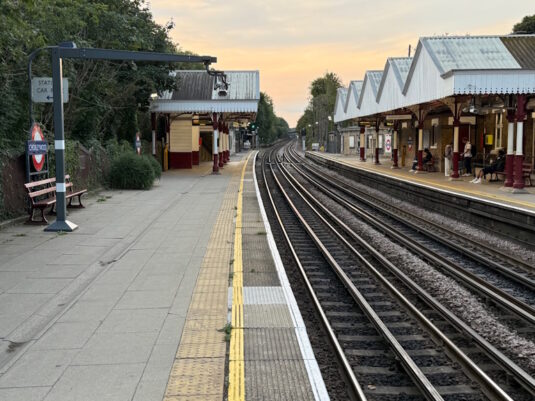
The hills and valleys of the station roof remain in place.
- Capture 17
- 31 Aug 2025
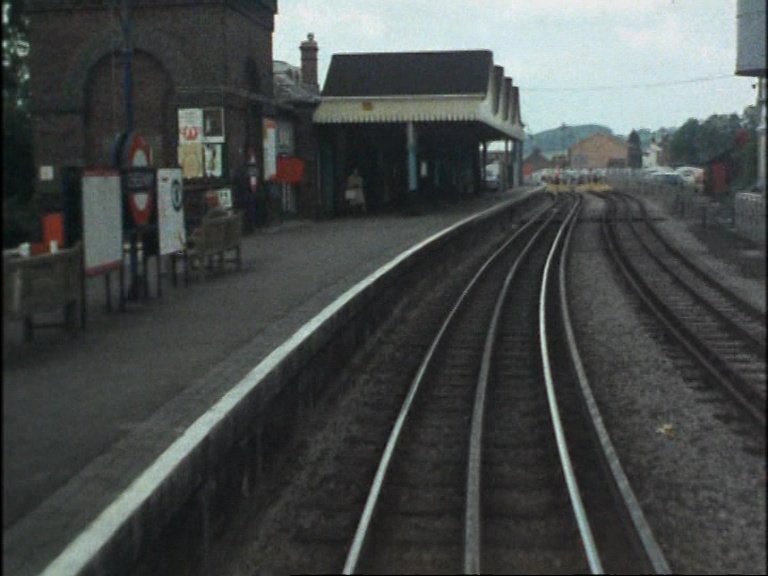
After rattling through the points at Chalfont & Latimer, the train reaches the end of the line at Chesham station on Station Approach, Chesham in Buckinghamshire.
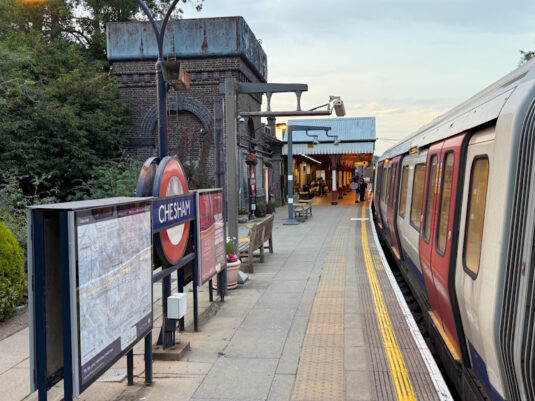
Chesham, with the train still in the station to avoid the half hour wait for the next service back to Chalfont & Latimer.
- Capture 18
- 'Now' required

Sir John Betjeman narrates "Child of the First War, forgotten by the Second, we called you Metro-Land. We laid our schemes, lured by the lush brochure down byways beckoned, to build at last the cottage of our dreams. A city clerk turned countryman again, and linked to the metropolis by train." This is Quainton Road station on Station Road, Quainton in Buckinghamshire.
- Capture 19
- 21 Oct 2023
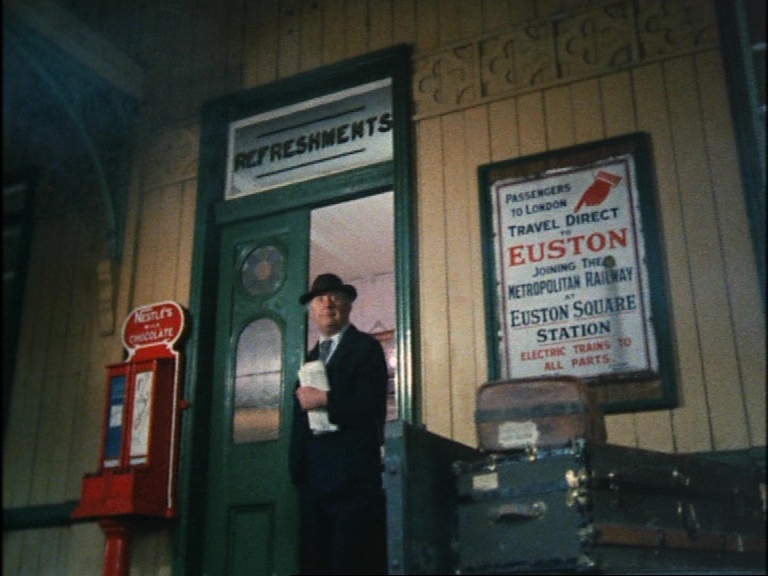
"Metro-Land. The creation of the Metropolitan Railway. When I was a boy, live in Metro-Land was the slogan." Finishing his imaginary pint, Sir John Betjeman appears from the refreshment room at the Bluebell Railway's Horsted Keynes station on Station Approach, Horsted Keynes in Sussex. More of the station can be seen in 'The Young Visiters', 'Mr. Holmes', 'Adolf Hitler, My Part in His Downfall', 'The Beast in the Cellar', 'Savage Messiah' and 'Norbert Smith: A Life'.
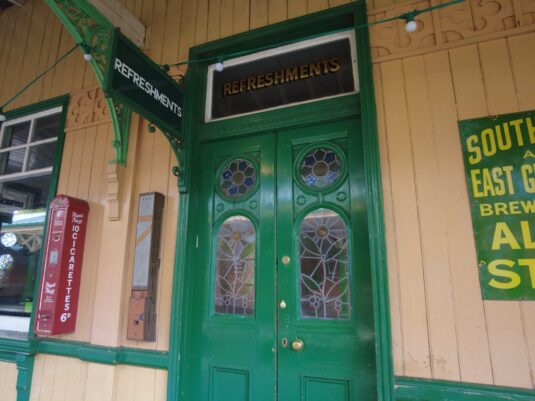
John Harwood made two trips to secure this shot. He notes the chocolate machine on Betjeman's right was moved back to Sheffield Park for Elton John fans to recreate the rural Americana-themed Tumbleweed Connection (1970) album cover. (SJ)
- Capture 20
- 'Now' required
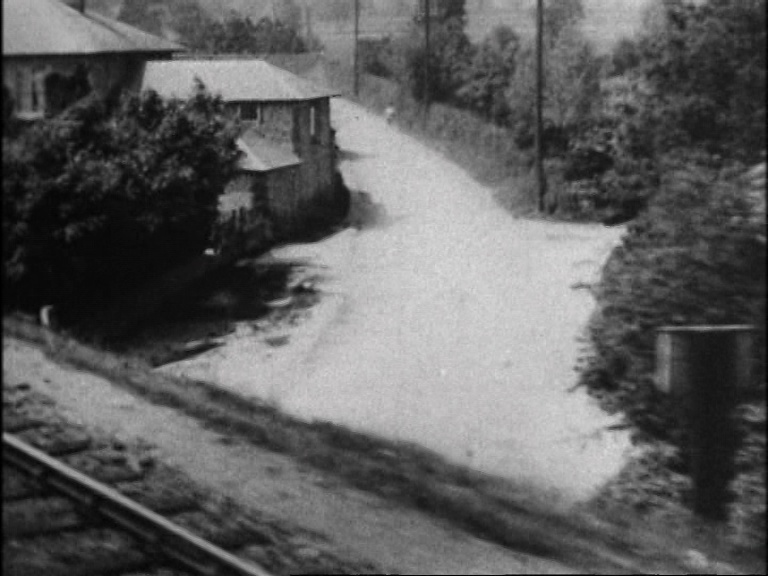
"The Metropolitan had a very good idea. Why not buy these orchards and farms as we go along, turn out the cattle and fill the meadowland with houses?" Footage taken from a Metropolitan Railway train in 1910 is a feature of the film and this is Woodside Lane, Amersham Common.
- Capture 21
- 'Now' required
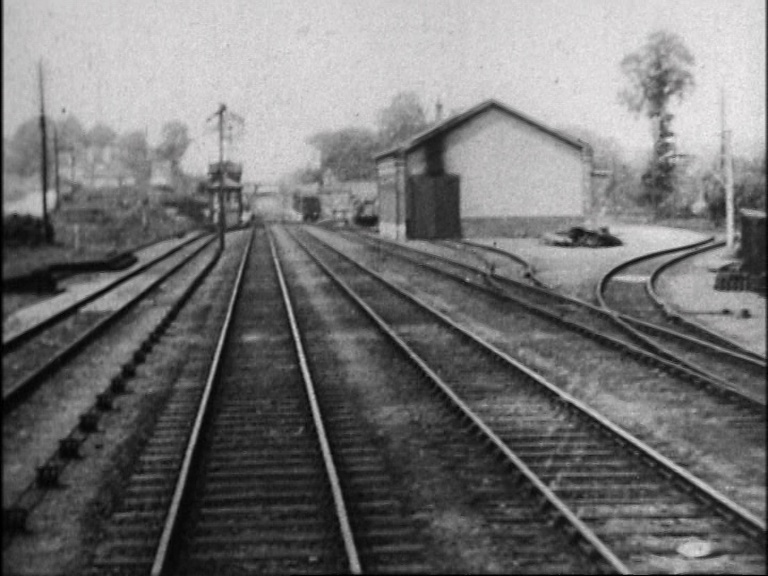
"You would have a modern home of quality and distinction, you might even buy an old one if there was one left. And over these mild home county acres, soon there will be estate agents, coal merchants, post office, shops and rows of neat dwellings. All within easy reach of charming countryside." Approaching Great Missenden station in Buckinghamshire.
- Capture 22
- 'Now' required
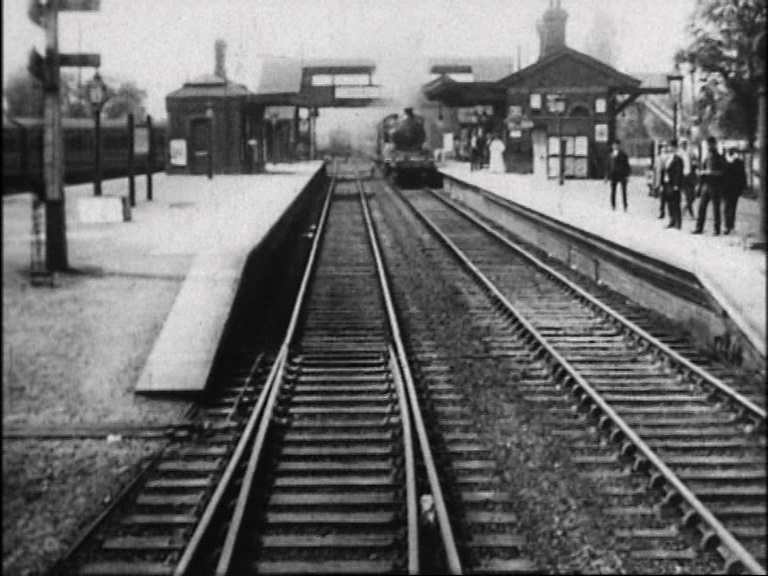
"Bucks, Herts and Middlesex yielded to Metro-Land and city men could breakfast on the fast train to London town." Aylesbury station in Buckinghamshire.
- Capture 23
- 24 Dec 2023
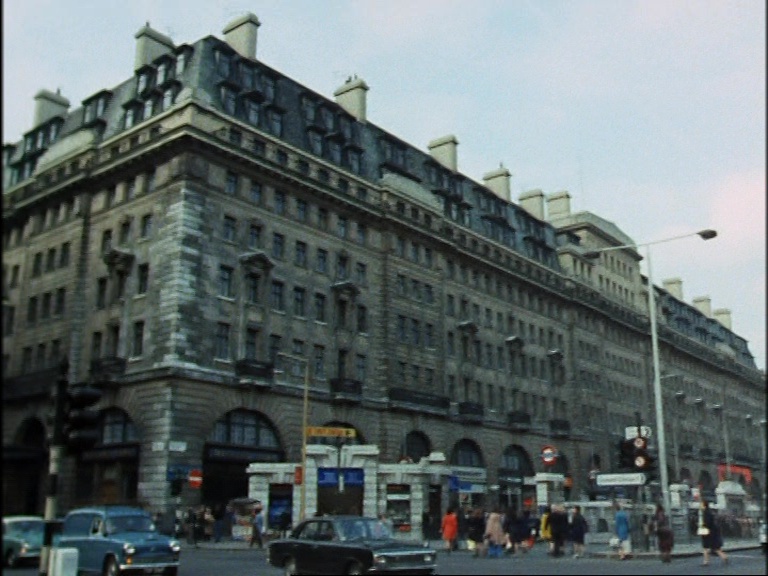
"Is this Buckingham Palace? Are we at the Ritz? No." Sir John sits inside the Chiltern Court Restaurant built above Baker Street station. The gateway between Metro-Land and London, creation of the Metropolitan Railway. Baker Street station at corner of Marylebone Road and Baker Street in NW1. The building can be seen in 'Ring of Spies', 'The Strange Case of the End of Civilization as We Know It', 'I Was Happy Here', 'Home at Seven', ‘Ring of Spies’ and 'Dial 999'.
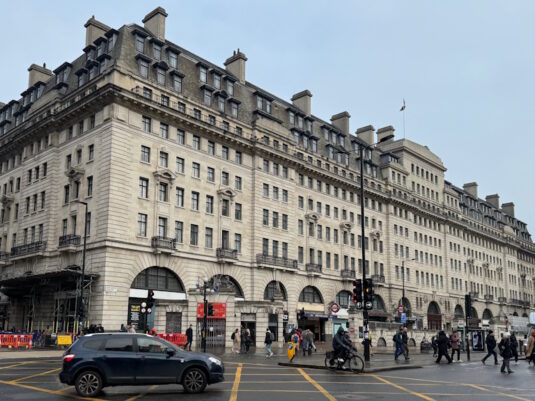
Malcolm Tinnelly took an excellent match by standing at the same corner.
- Capture 24
- 31 Aug 2025

"Early electric, punctual and prompt. Off to those cuttings in the Hampstead hills." Baker Street station dates from 1863 with these platforms opening in April 1868.
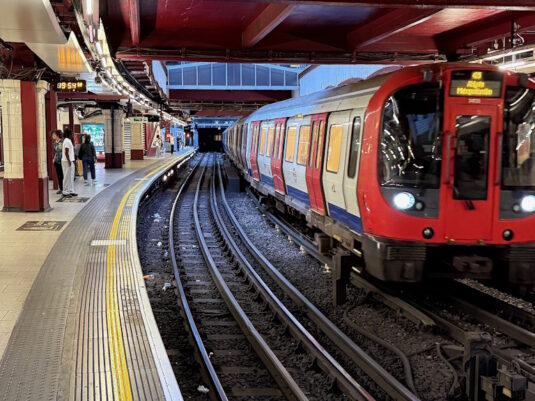
The through northbound Metropolitan Line platform.
- Capture 25
- 31 Aug 2025
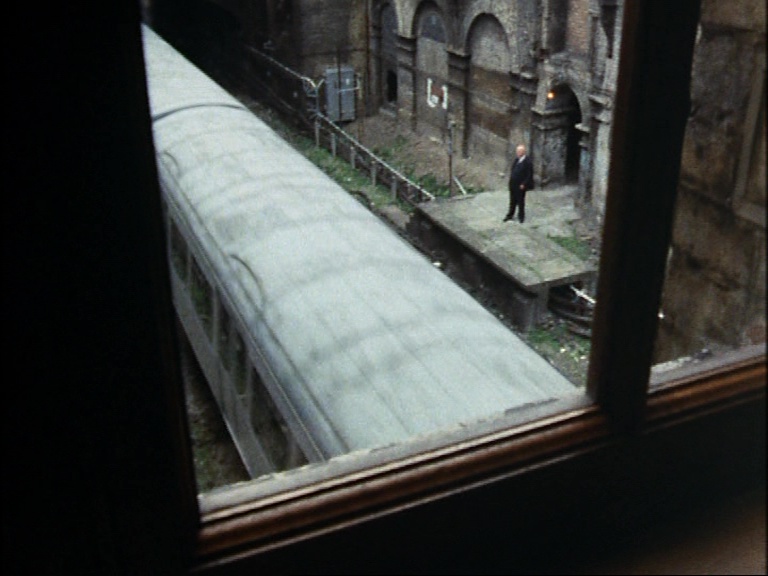
"St. John's Wood, Marlborough Road, no longer stations and the trains rush through." Marlborough Road station opened in April 1868 and closed in November 1939.
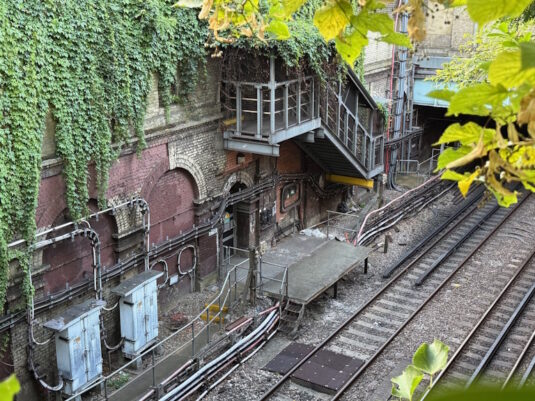
This is from the wrong angle but it’s the best that Richard could manage without access to the disused station.
- Capture 26
- 31 Aug 2025
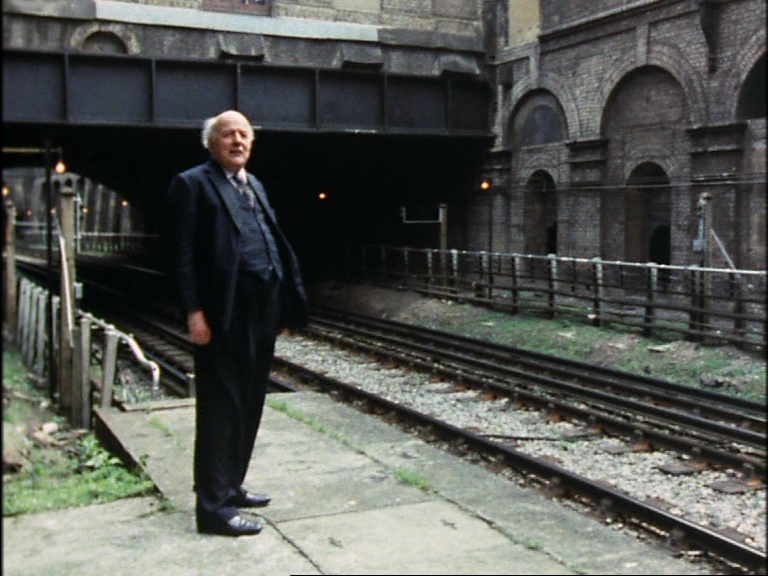
"This is all that's left of Marlborough Road station."
The best shot possible through the window of a fast moving, brightly lit Metropolitan Line train at dusk.
- Capture 27
- 12 Nov 2023
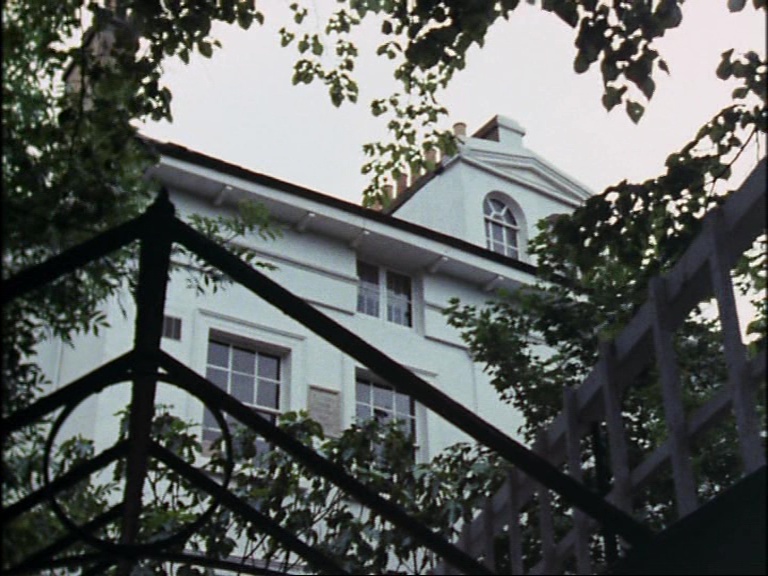
"And . . . that white house up there. That was where Thomas Hood died." 28 Finchley Road in St John's Wood NW8.
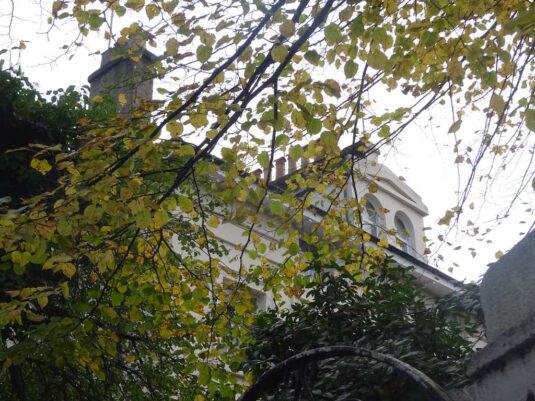
Rather a lot of leaves in the way. SJ
- Capture 28
- 12 Nov 2023
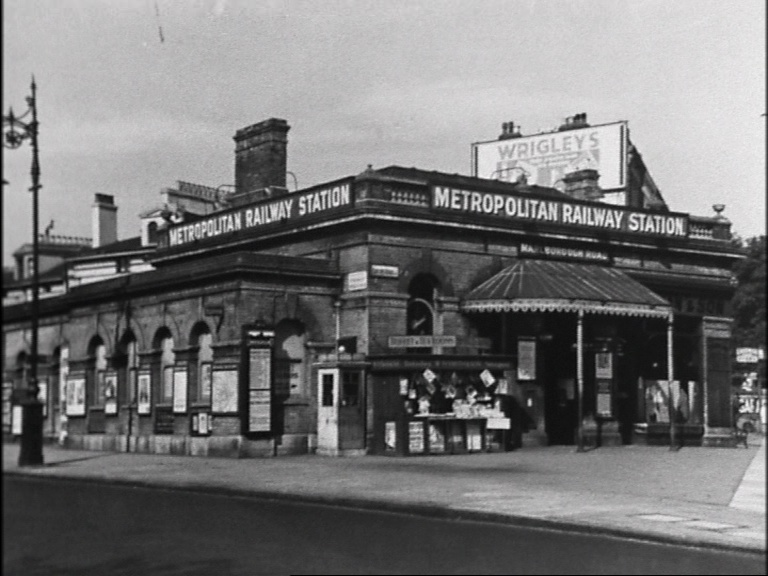
"I remember Marlborough Road station because it was the nearest station to the house where lived my future parents-in-law." Marlborough Road station at the corner of Finchley Road and Queen's Grove NW8.
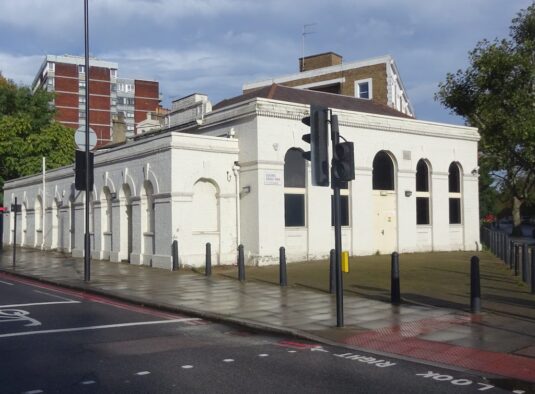
Looking in limbo at the moment. SJ
- Capture 29
- 12 Nov 2023
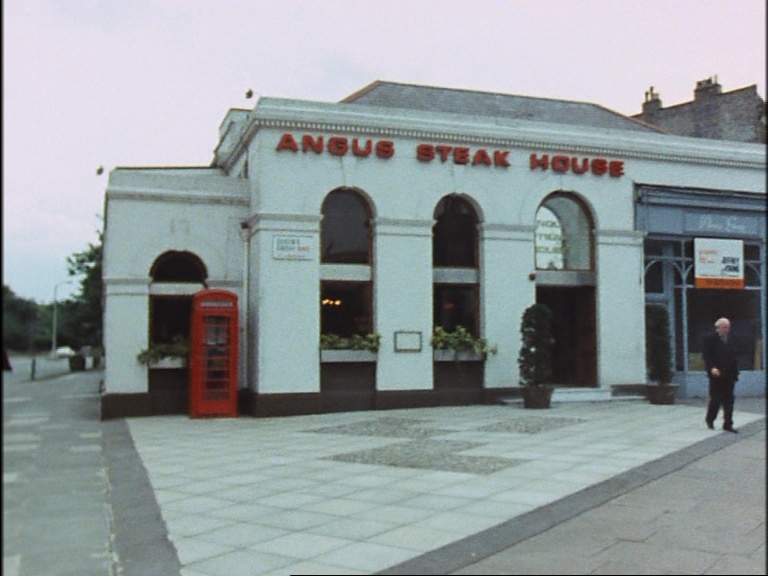
"Farewell old booking hall, once grimy brick . . . " The former Marlborough Road station in NW8.
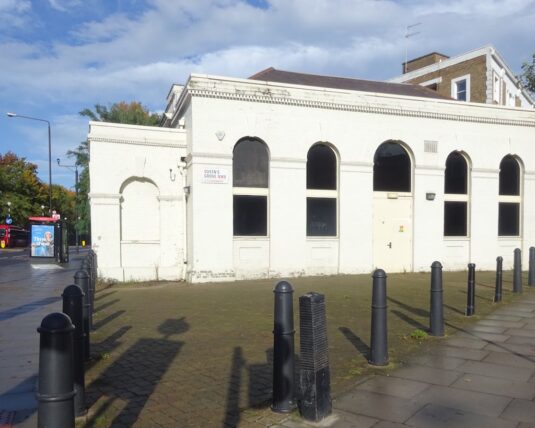
This became a Chinese restaurant after the steaks departed and lasted until 2009. SJ
- Capture 30
- 31 Aug 2025
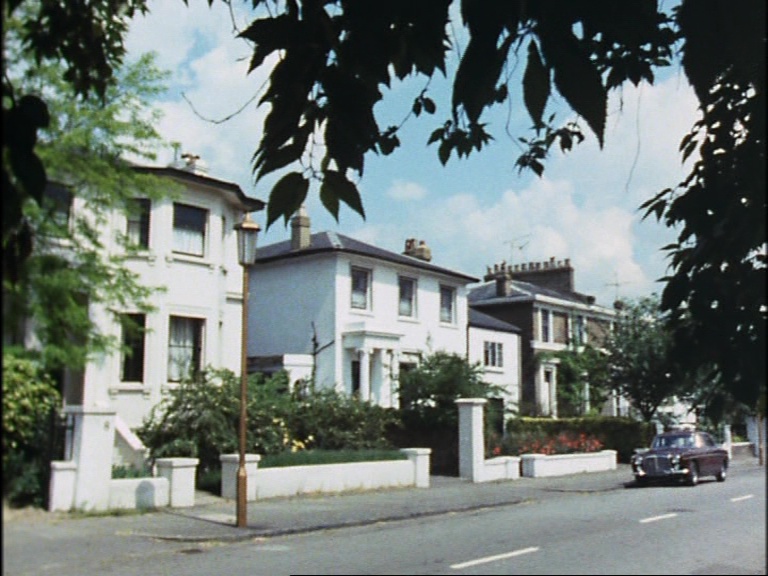
" . . . but leafy St. John's Wood which you served remains. Forerunner of the suburbs yet to come. With its broad avenues, detached and semi-detached villas where lived artists and writers and military men." 7 Norfolk Road, St John’s Wood NW8 located by Richard Bennett.
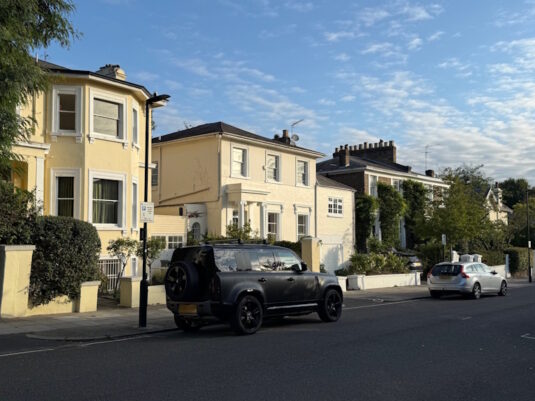
The colour scheme has changed.
- Capture 31
- 31 Aug 2025
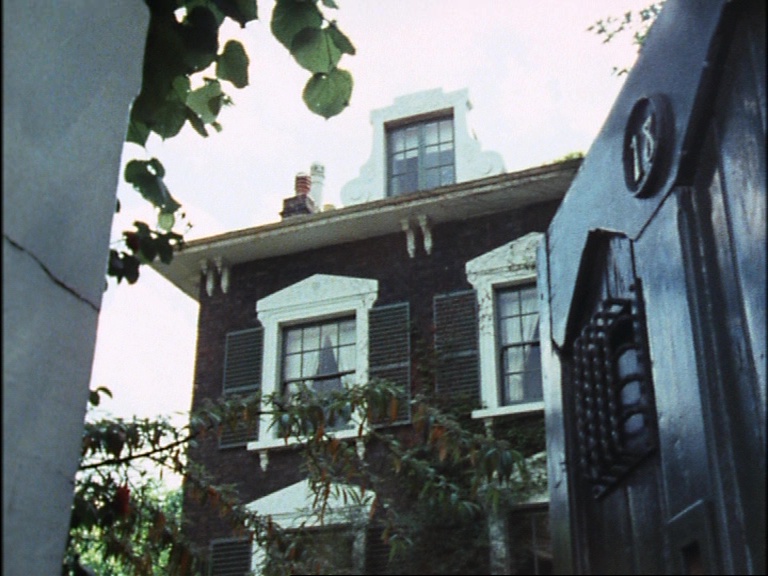
"And here, screened by shrubs, walled in from public view, lived the kept women." Richard Bennett identifies the property as 18 Elm Tree Road NW8.
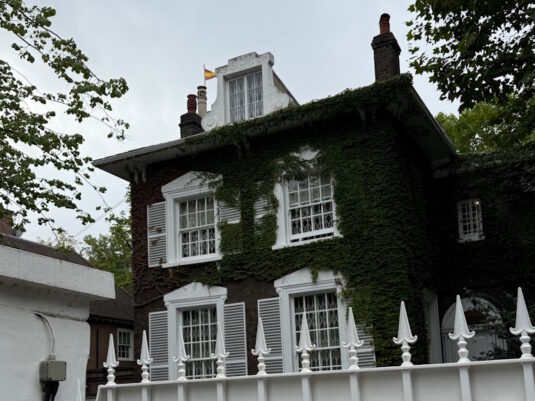
Now with the flag flying atop the new Lord’s Grandstand beyond.
- Capture 32
- 'Now' required
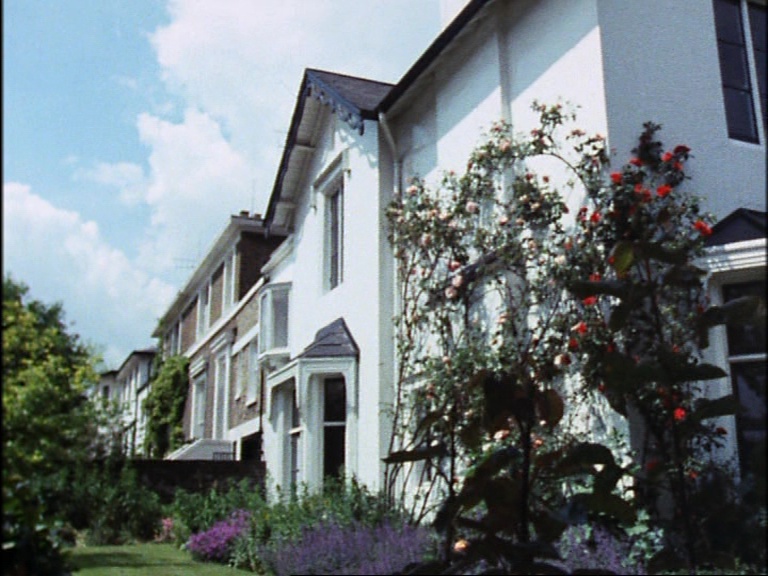
"What puritan arms stretched within these rooms to touch what tender breasts as the cab horse stamped in the road outside."
- Capture 33
- 'Now' required
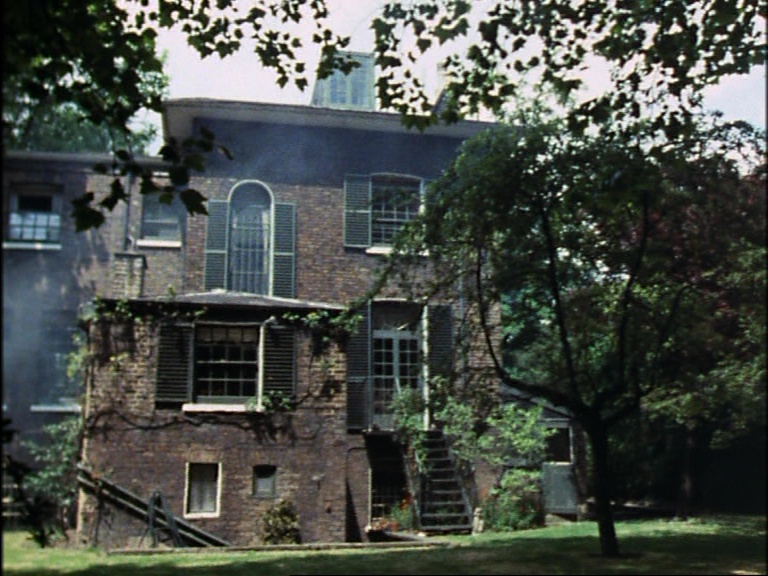
"Sweet, secret suburb on the city's rim. St. John's Wood." Based on the colour of the bricks, shutters, style and position of dormer window, parapet roof etc, Richard Bennett strongly believes that this is the rear of 18 Elm Tree Road in NW8.
- Capture 34
- 12 Nov 2023
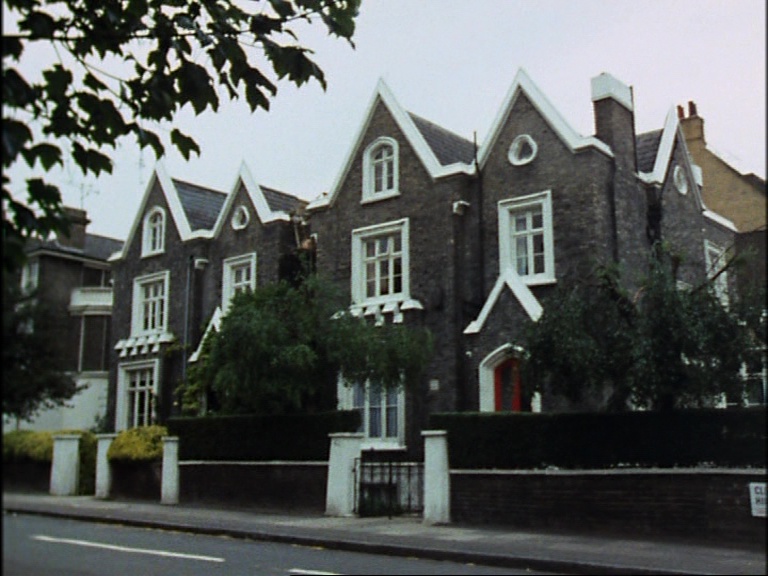
"Amidst all this frivolity, in one place . . . " 62 Clifton Hill, London NW8 on the corner with Abbey Road. (RL)
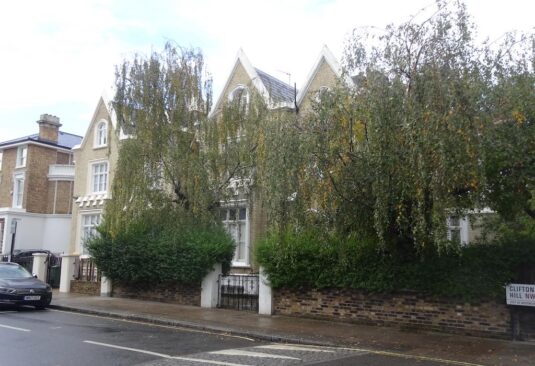
The trees are taking over the view. SJ
- Capture 35
- 12 Nov 2023
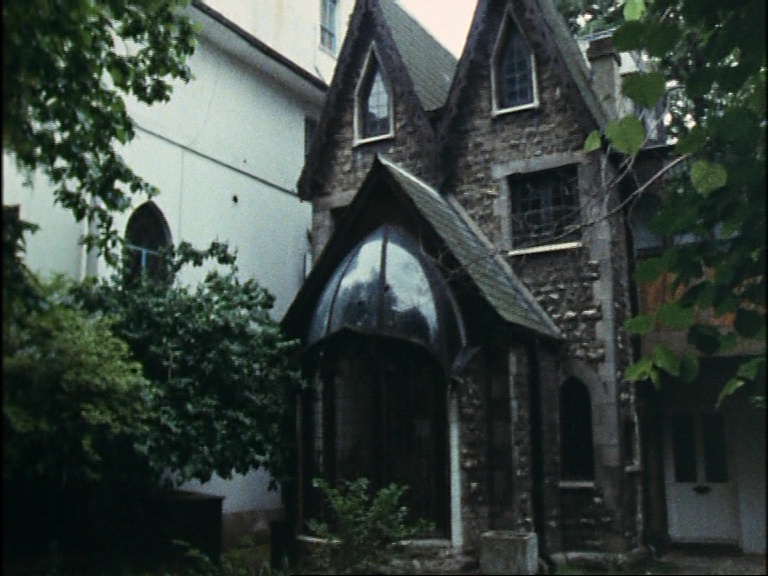
" . . . a sinister note is struck. In that helmeted house where, rumour has it, the Reverend John Hugh Smyth Pigott lived. An Anglican clergyman whose Clapton congregation declared him to be Christ." 12 Langford Place in St John's Wood NW8.
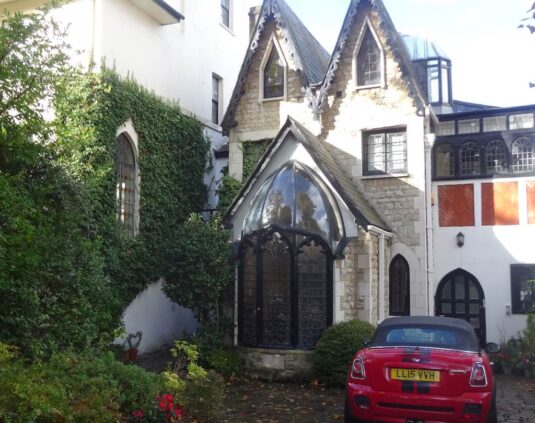
On the north side. SJ
- Capture 36
- 'Now' required
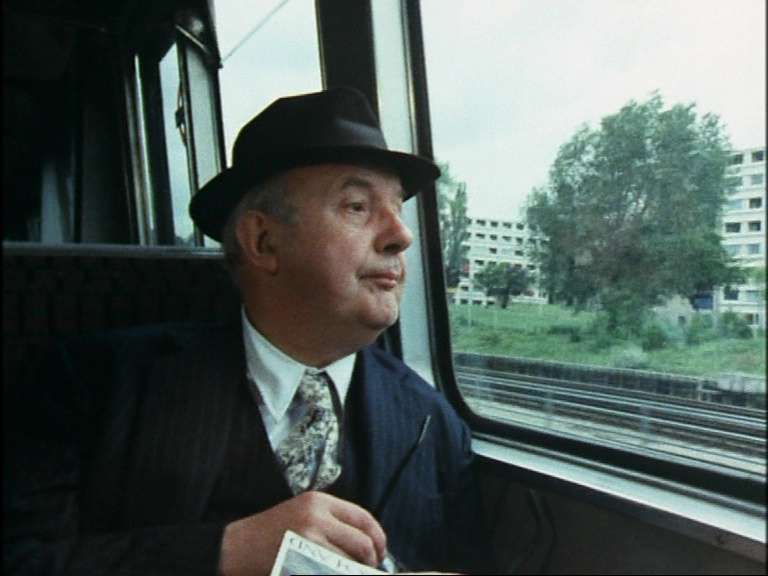
"Over the points by electrical traction, out of the chimney pots into the openness, 'til we come to the suburb that's thought to be commonplace. Home of the gnome and the average citizen . . . "
- Capture 37
- 31 Aug 2025
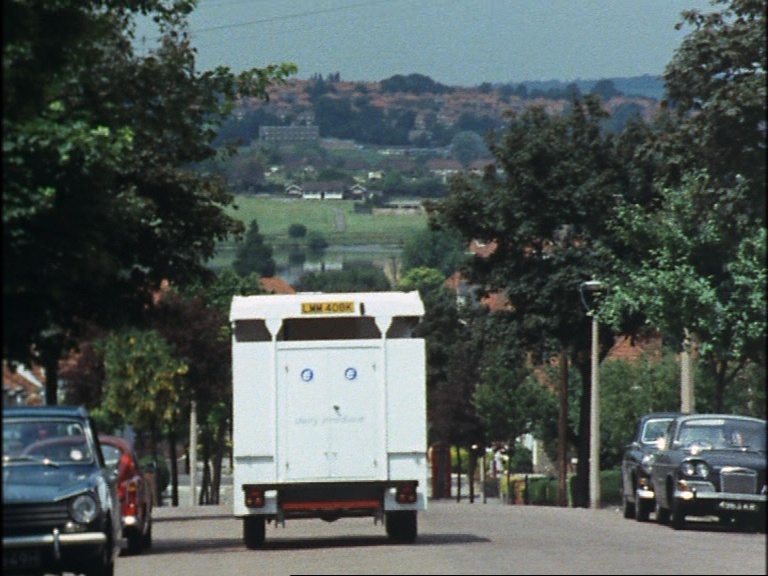
" . . . Sketchley and Unigate, Dolcis and Wallpamur." This is Brook Road, Neasden NW2 advises Richard Bennett, though Sketchley and Unigate, Dolcis and Wallpamur have been replaced by Poundland and Chicken Cottage, William Hill and Lidl.
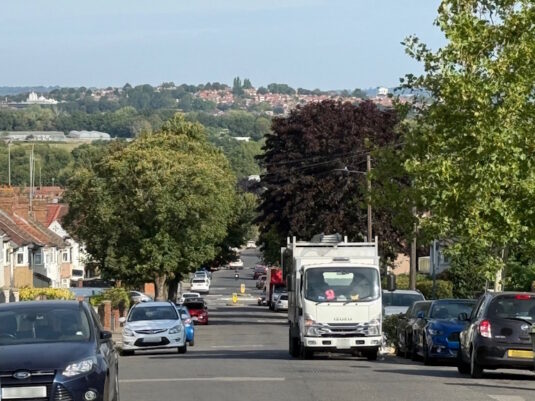
The view now.
- Capture 38
- 31 Aug 2025

# They call it Neasden . . . Neasden Parade on Neasden Lane, Neasden in NW10.
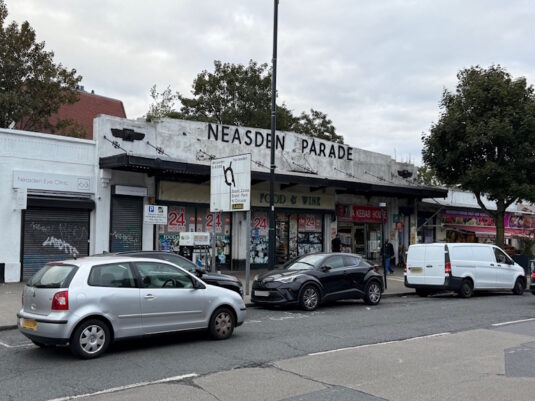
The missing D has been restored, but otherwise the parade looking a bit sorry for itself.
- Capture 39
- 31 Aug 2025
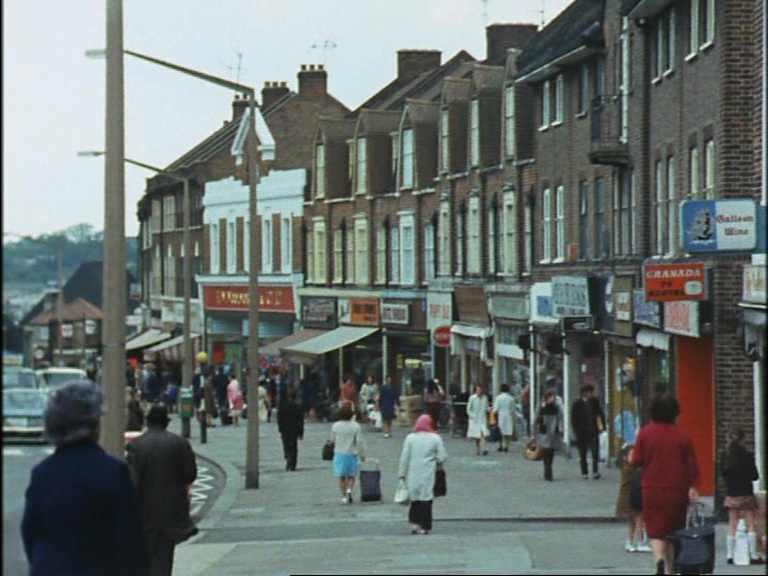
# . . . ya won't be sorry that ya breezed in, the traffic lights an' yellow lines, the illuminated signs, all say welcome to the borough that everybody's pleased in . . . Facing north-west on Neasden Lane NW10.
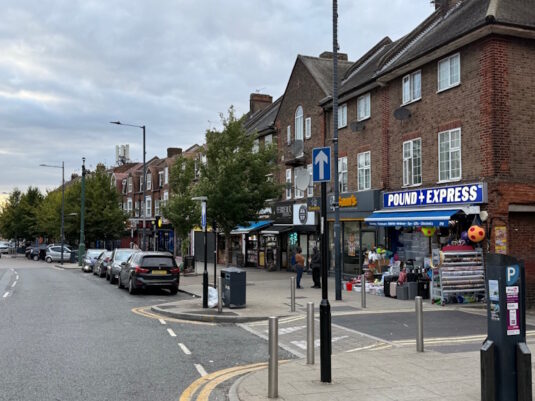
Not much has changed behind the trees.
- Capture 40
- 'Now' required
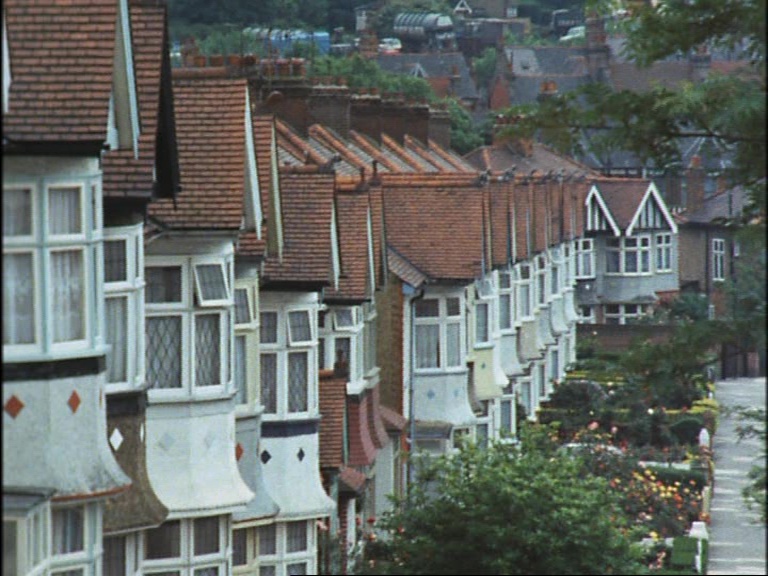
# . . . Neasden, o' where the birds sing in the trees-den, you can 'ear the blackbirds coo, so why not take the Bakerloo, it'll work out that much cheaper if ya buy a seas-den.
- Capture 41
- 31 Aug 2025
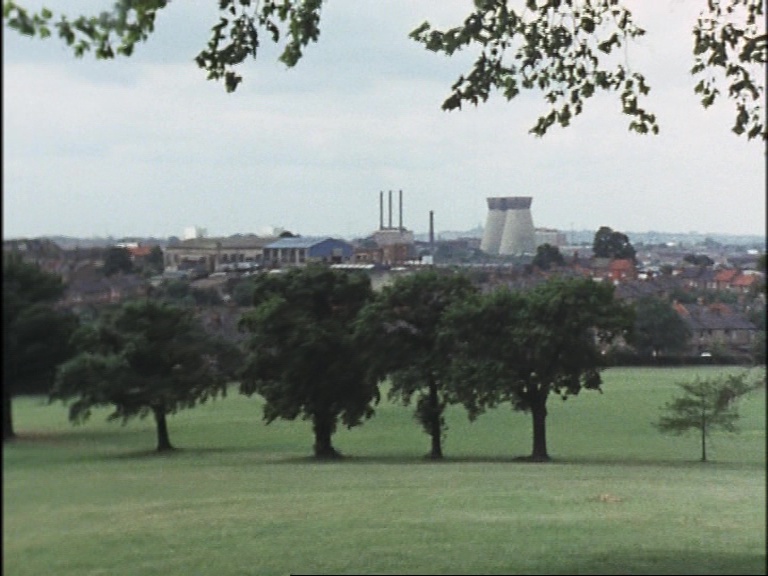
"And if you did, you'd find a steep slope ascending to a wide and well prospected view, with grassy banks and cunningly planted clumps of trees." Gladstone Park in Neasden with the cooling towers of Willesden, or Church End, power station in the distance. The power station had been decommissioned in 1972 and was subsequently demolished.
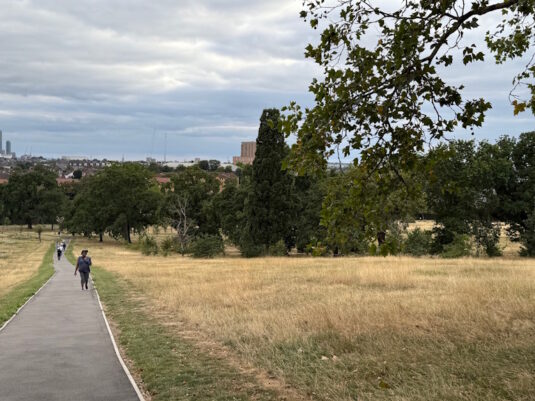
Gladstone Park looking towards the site of the Acton Lane power station.
- Capture 42
- 20 Oct 2023
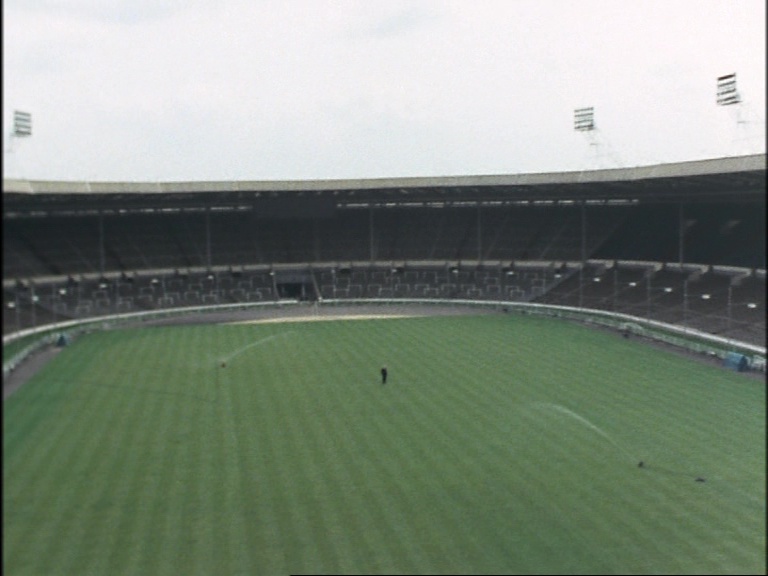
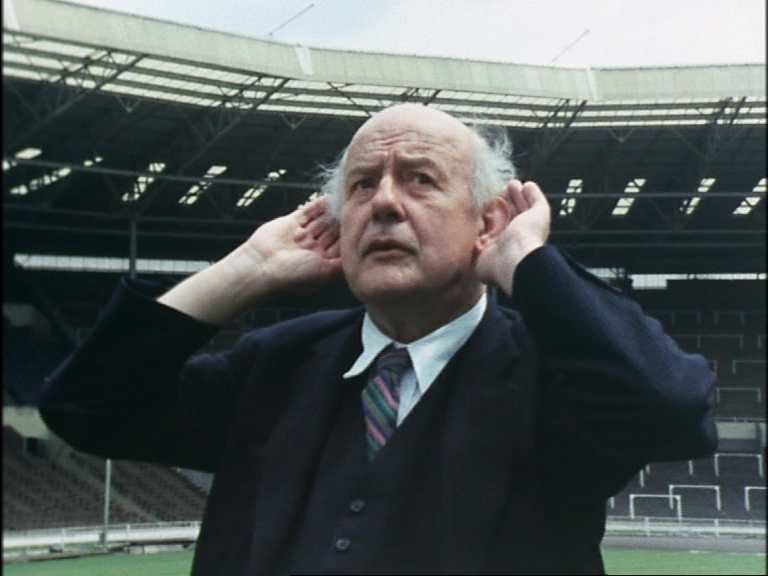
From the pitch at Wembley Stadium, Sir John explains that the football ground stands on the site of 'Watkin's Folly', a failed attempt at building an Eiffel Tower for London.
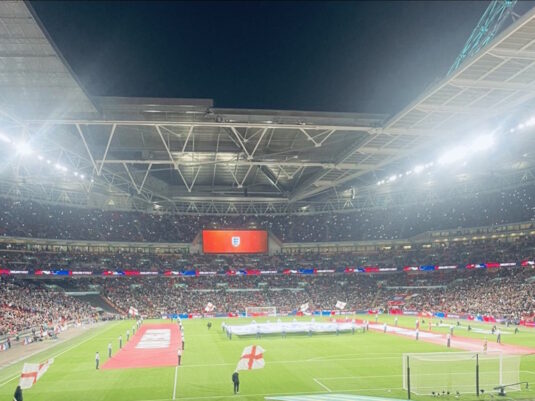
Antony Blair found a full house ready to watch England v Italy 50 years later.
- Capture 43
- 31 Aug 2025
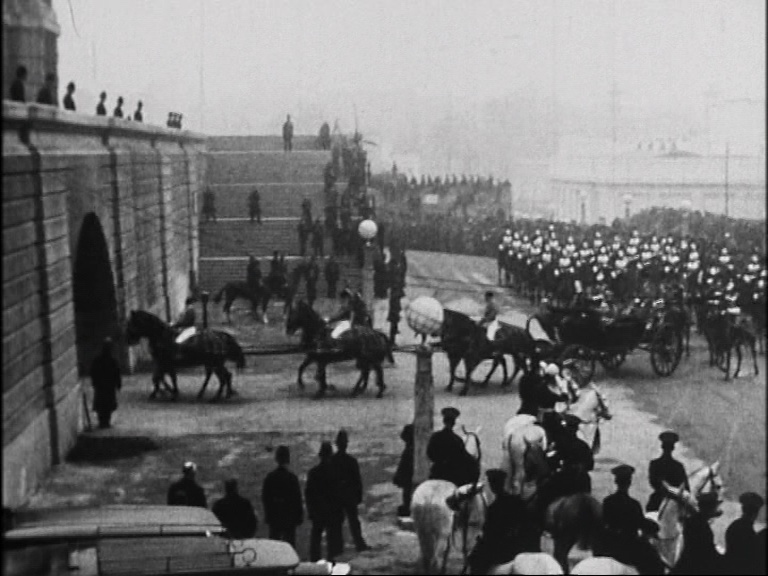
The Poet Laureate of the United Kingdom continues "It was here. I can just remember the excitement and the hope." Wembley Stadium stood, and the replacement stands, at the southern end of Olympic Way. Richard Bennett explains that this is the entrance tunnel to the original Empire Stadium which now lies within the new stadium, potentially pitch side.
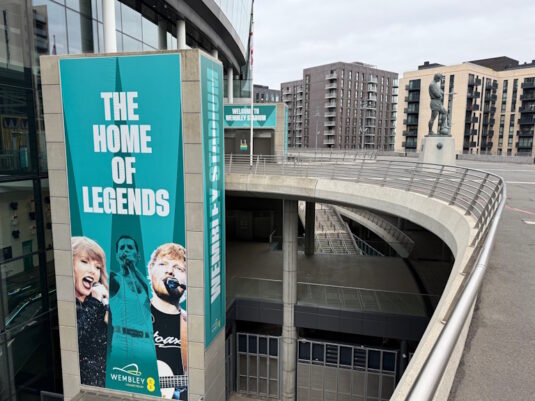
This is the entrance to the current stadium from the same angle.
- Capture 44
- 'Now' required
Recalling the sounds of almost fifty years ago "St. George's Day 1924. The British Empire Exhibition at Wembley opened by King George V."
- Capture 45
- 'Now' required
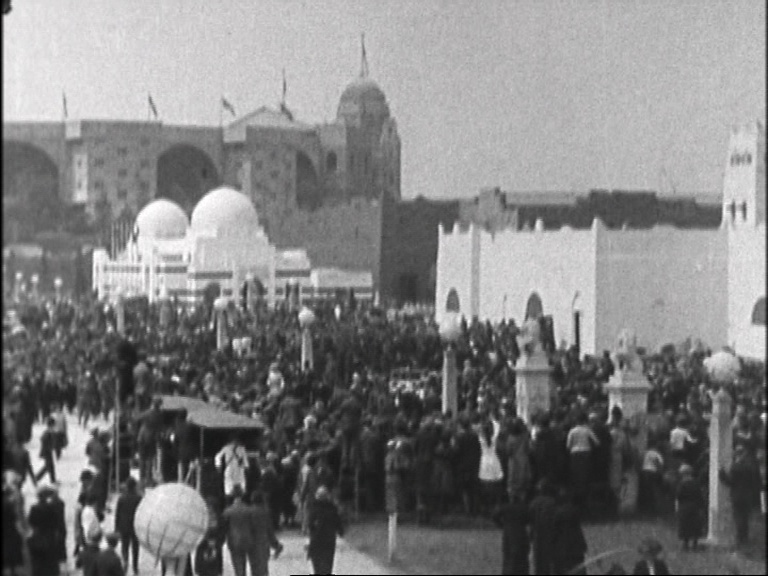
"Ah, yes. those imperial pavilions. India, Sierra Leone, Fiji, with their suntanned sentinels of empire outside." The exhibition is a feature of 'This Happy Breed' although the buildings seen in the production are a studio set.
- Capture 46
- 31 Aug 2025
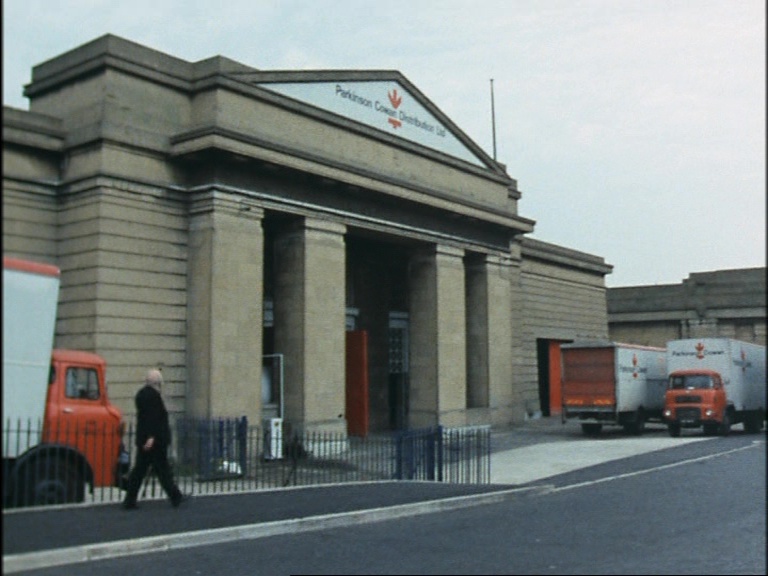
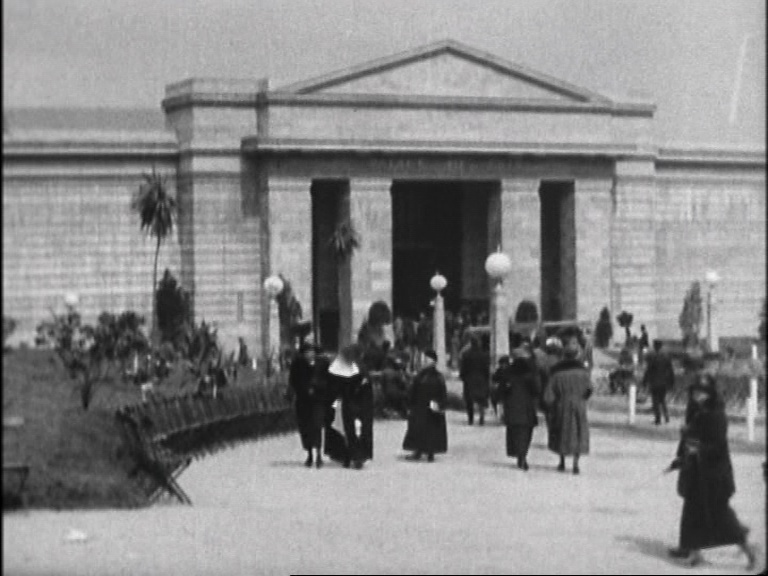
"That was the Palace of Arts. Where I used to wait while my Father saw the living models in Pears' Palace of Beauty." The palace stood at the corner of Empire Way and Engineers Way. Dave Buckley adds that "The 'Palace of Arts' was the BBCs first outside broadcast base and can be seen in the title sequence of the 1950s series 'Saturday Night Out'". (RL)
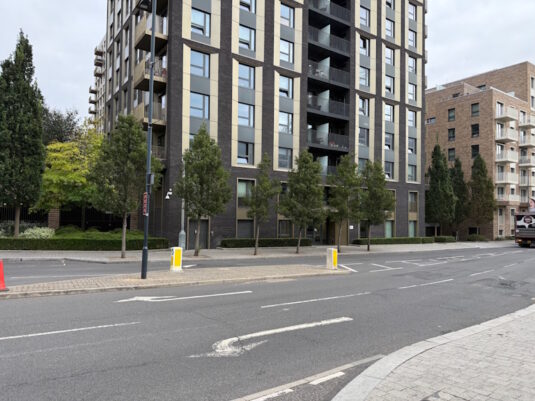
Cedar House now takes the place of the palace.
- Capture 47
- 31 Aug 2025
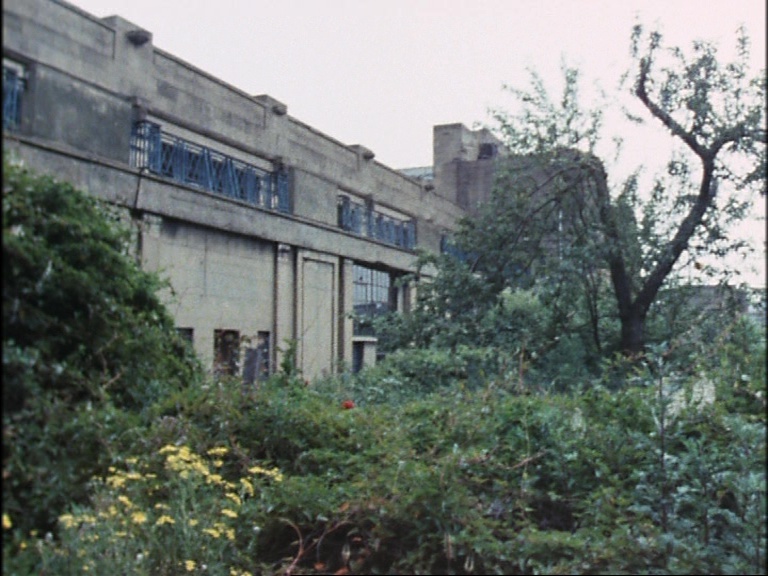
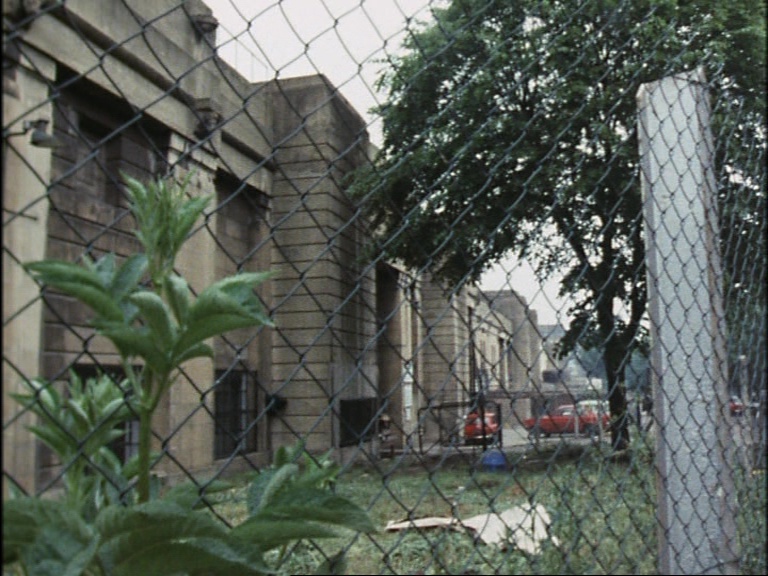
"How well I remember the Palace of Arts. Massive and simple outside, almost pagan in its sombre strength." The corner of Empire Way and Engineers Way in NW10.
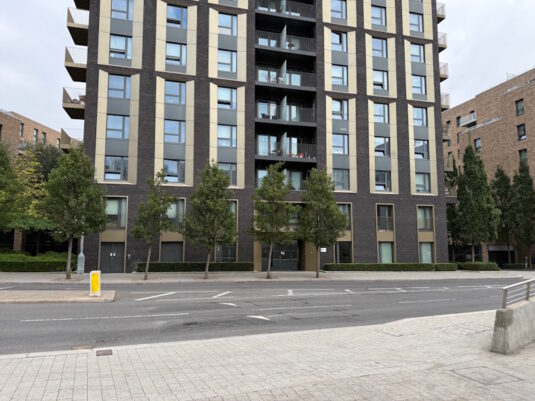
The Palace of Arts remained unchanged for just over 60 years, here Cedar House remains unchanged for just over 60 seconds.
- Capture 48
- 'Now' required
"O, bygone Wembley. Where's the pleasure now?"
- Capture 49
- 'Now' required
"The temples stare, the empire passes by." The Palace of Industry on Olympic Way at Wembley.
- Capture 50
- 'Now' required
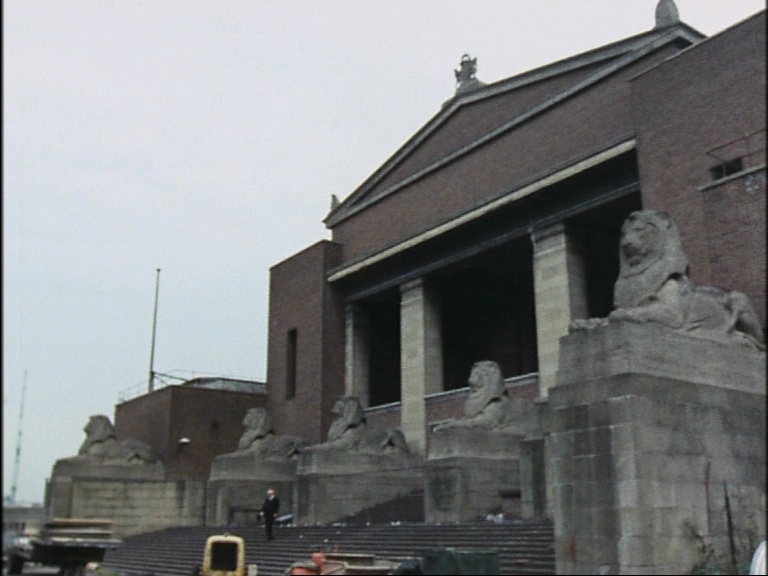
"This was the grandest palace of them all, the British Government Pavilion and the famous Wembley lions. Now they guard an empty warehouse site." The building stood on Third Way until demolition.
- Capture 51
- 'Now' required
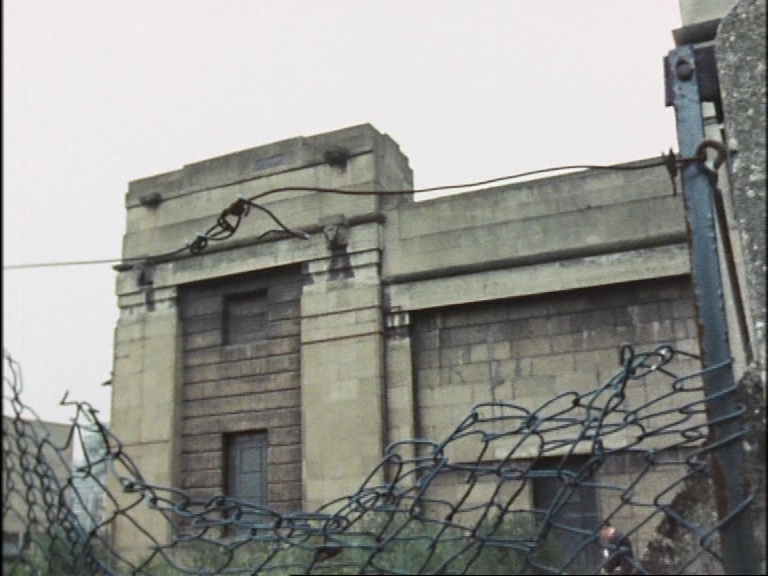
"But still people kept on coming to Wembley." The Palace of Industry stood until demolition in 2013. The Site of the 1924 British Empire Exhibition and Wembley Stadium appear in several productions including 'Hysteria', 'Nowhere to Go', 'Yesterday's Hero' and 'Subterfuge'.
- Capture 52
- 31 Aug 2025

"The show houses of the newly built estates. A younger, brighter, homelier Metro-Land." 52 and 54 Oakington Avenue in Wembley found by Richard Bennett.
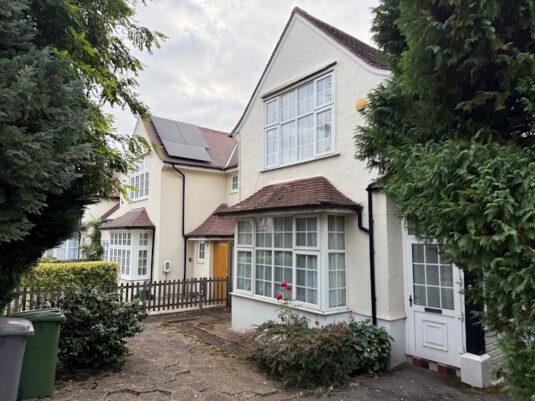
The chimney has gone, but this is the place.
- Capture 53
- 'Now' required
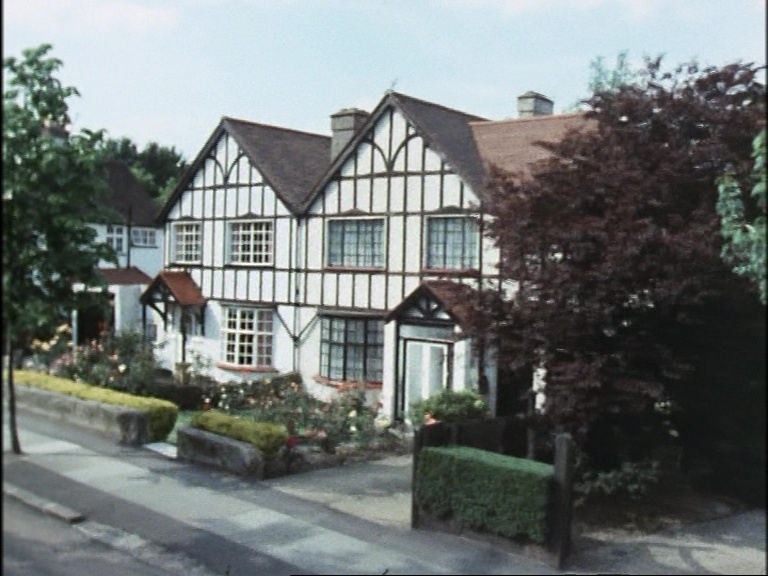
"Each one is slightly different from the next. A bastion of individual taste on fields that once were bright with buttercups."
- Capture 54
- 31 Aug 2025
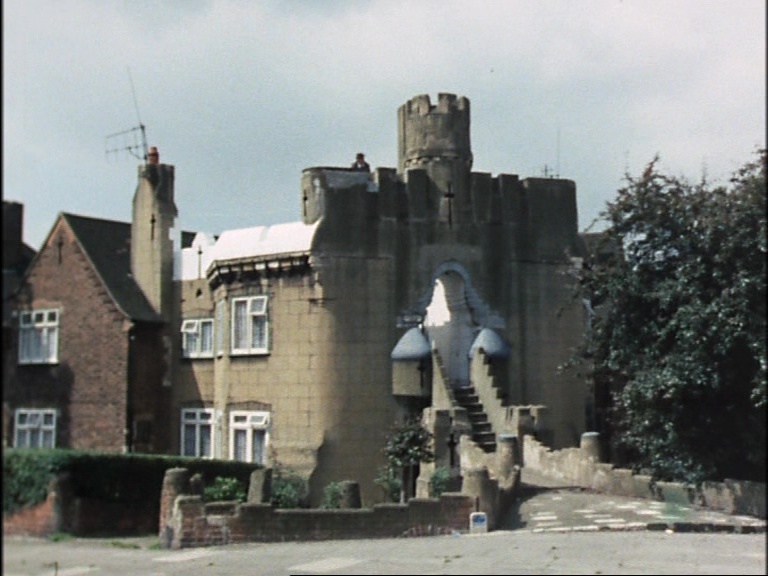
"Deep in rural Middlesex, the county that inspired Keats, magic casements opening on the dawn, a speculative builder here at Kingsbury let himself go in the 20s." Highfort Court at the junction of Buck Lane, Wakemans Hill Avenue and Highfield Avenue in Kingsbury NW9.
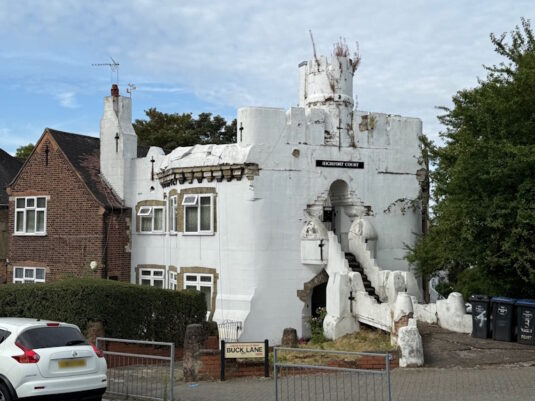
Still standing guard in Kingsbury.
- Capture 55
- 31 Aug 2025
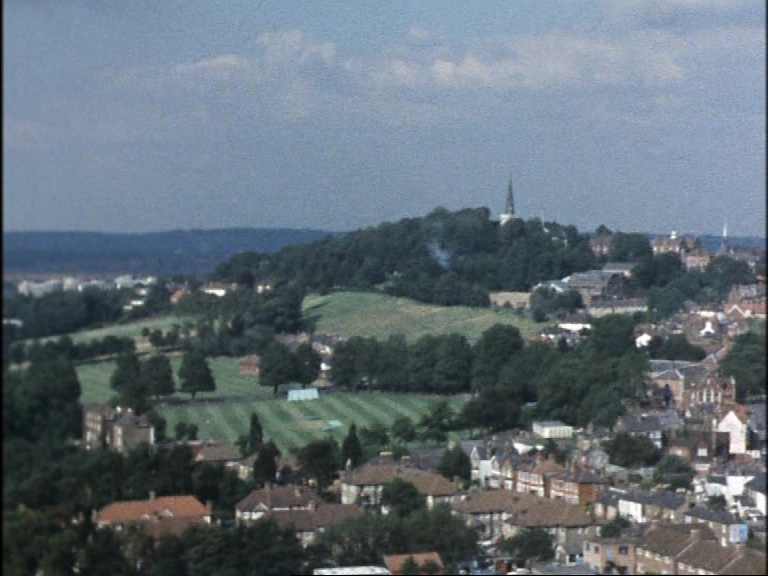
"And look what a lot of country there is. Fields and farms between the houses, oaks and elms above the rooftops."
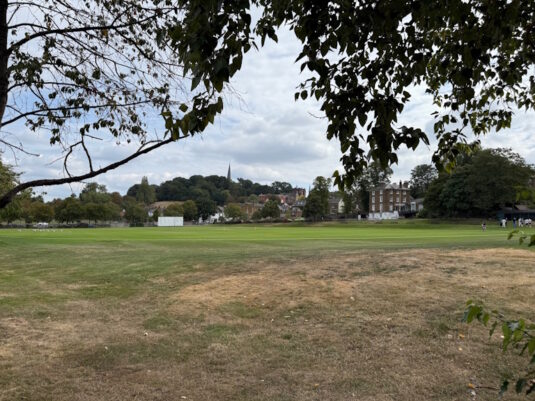
Without the required elevation, this is the best viewpoint possible.
- Capture 56
- 'Now' required
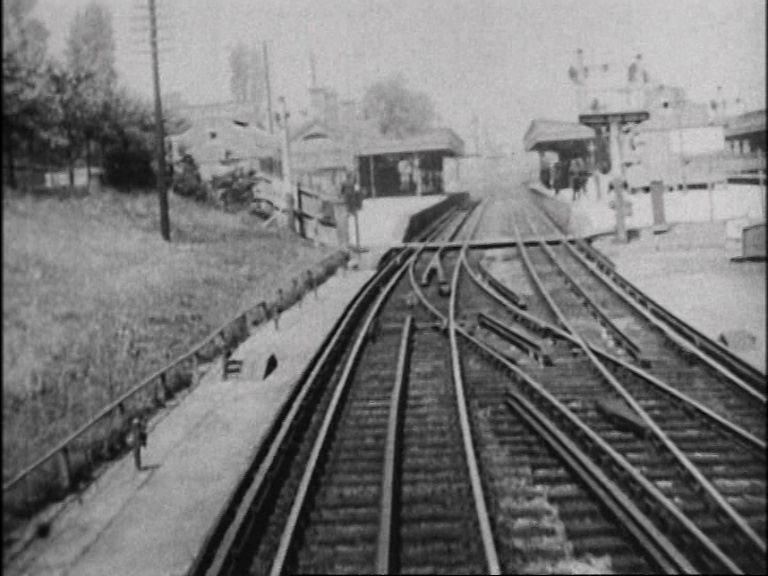
Classic Harrow. "The smart suburban railway knew its place and did not dare approach too near the hill." Harrow on the Hill station as it appeared in 1910.
- Capture 57
- 31 Aug 2025
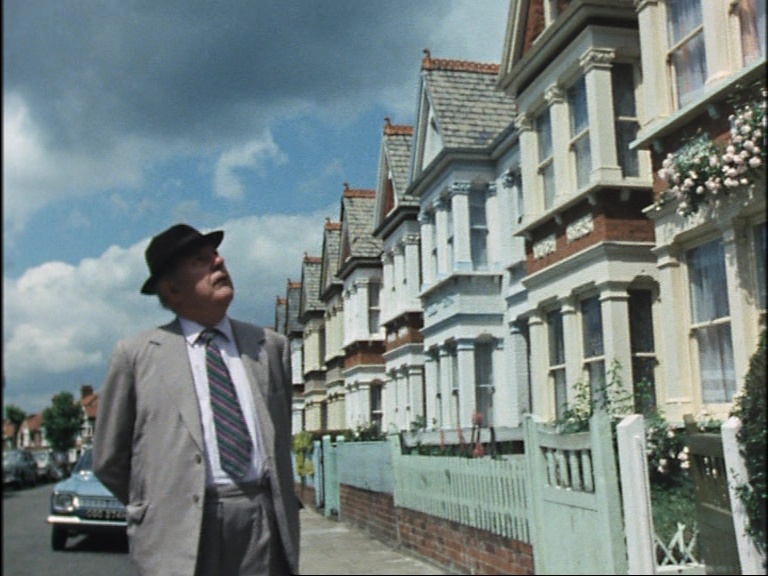
"Here at the foot of Harrow Hill alongside the Metropolitan electric trains, tradesmen from Harrow built in the 80s or 90s, from the look of the buildings, these houses." Vaughan Road in Harrow, Greater London.
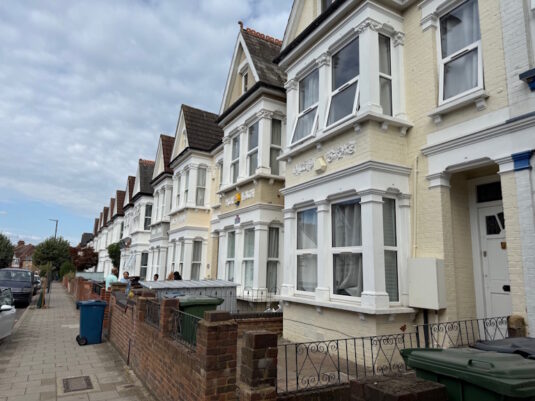
The decoration has disappeared from the parapets of most, but not all, of the roofs, in a street populated by the ever present wheelie bins.
- Capture 58
- 31 Aug 2025
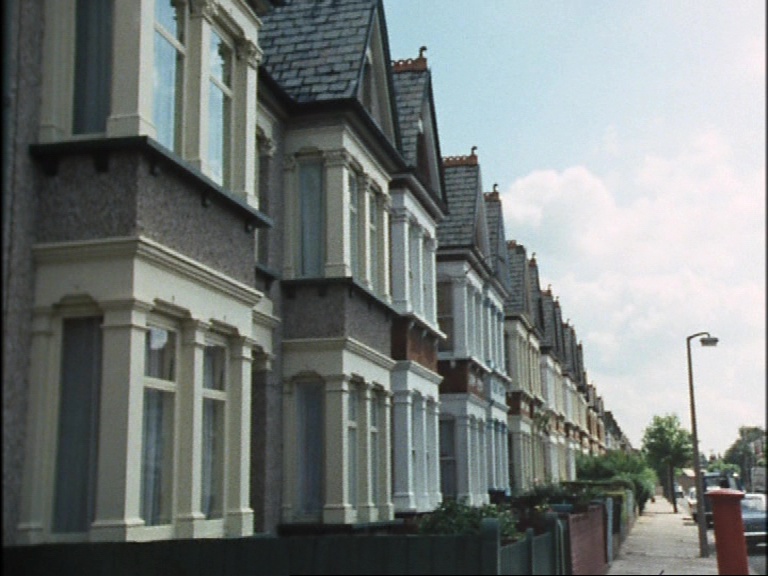
"And a nice little speculation they were. Quiet, near the railway station with their own church and public house. And they are named, reverently, after the great people of Harrow School." Facing east on Vaughan Road, Harrow. Dave Buckley provides 'nerdy' information to say that "The roads around West Harrow underground station - Drury, Vaughan, Butler, Vellacott, Heath and Sumner Roads are all named after past Headmasters of Harrow School as are Ford Close, and Welldon Crescent in Central Harrow. 'Nerds' provide information that 'not many people know.....that', so thank you Dave. (RL)
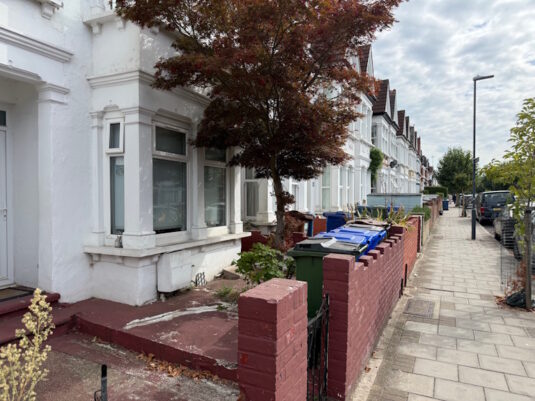
There is no longer a postbox on the street, which makes this scene a little difficult to locate exactly.
- Capture 59
- 23 Jul 2023
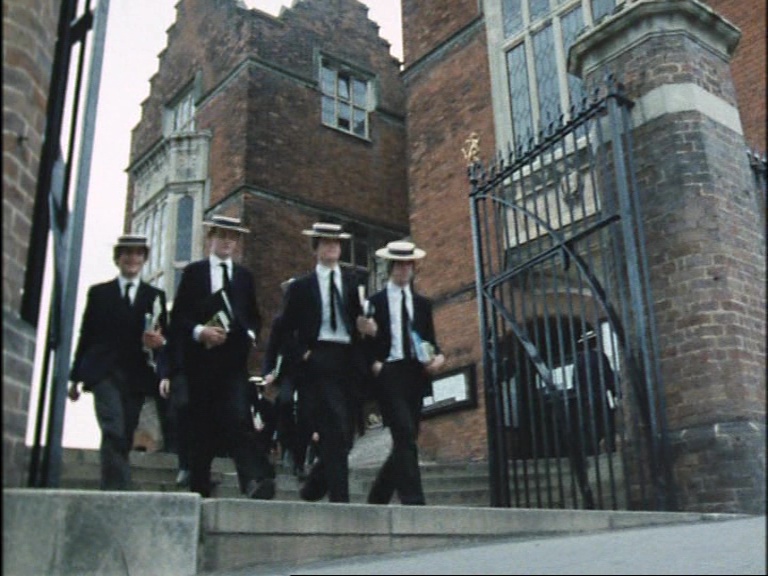
The 'Harrow School Song' plays as pupils leave classes. Church Hill in Harrow on the Hill.
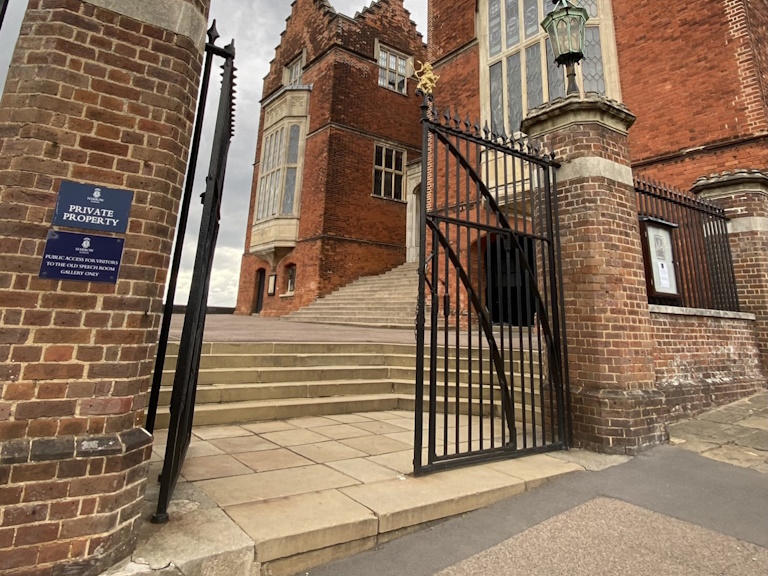
The same gateway 50 years later captured by Antony Blair.
- Capture 60
- 23 Jul 2023
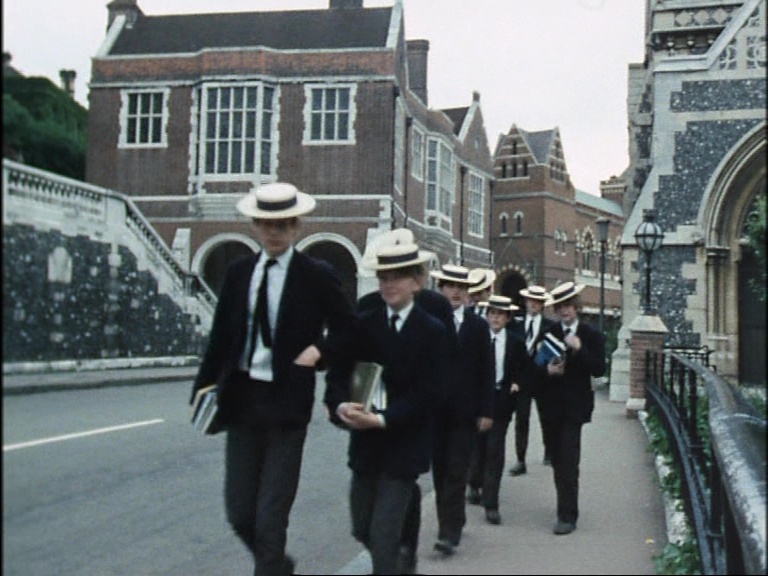
High Street, Harrow on the Hill as seen in a similar view during 'Fun at St. Fanny’s'.
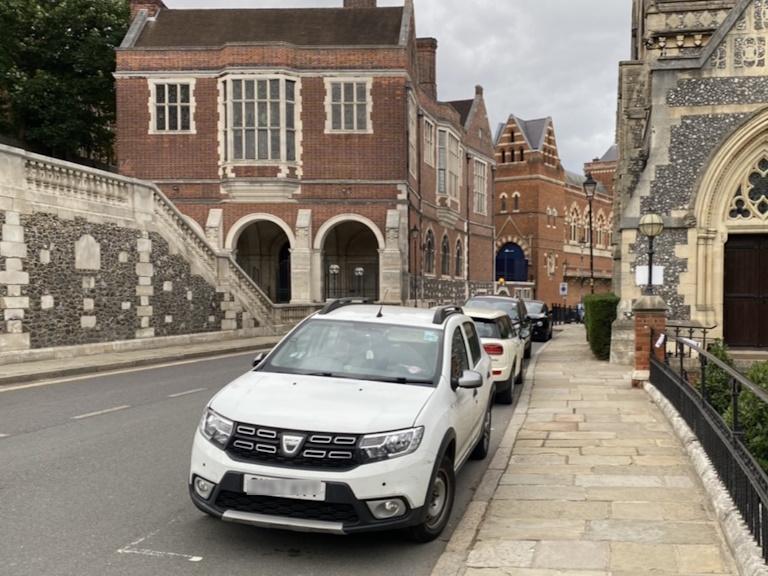
Rather than pupils, cars line the street in Antony Blair's comparison.
- Capture 61
- 23 Jul 2023
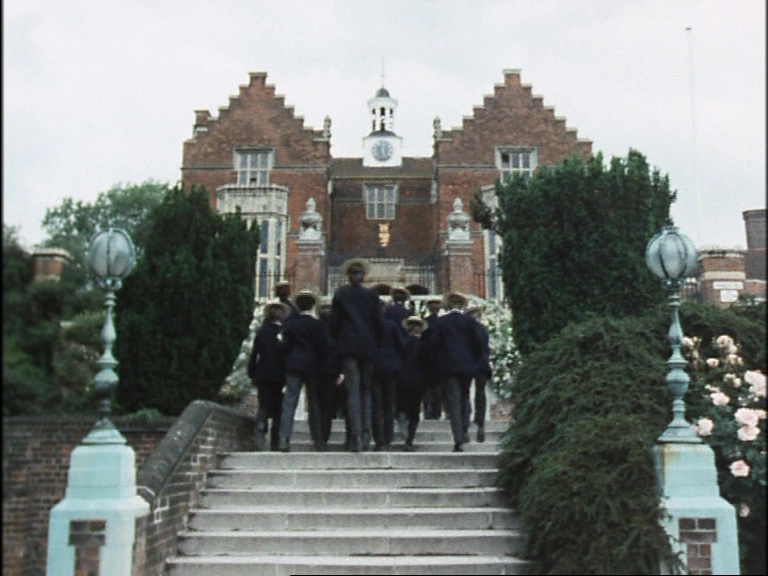
"Valiantly, that Elizabethan foundation at the top of the hill has held the developers at bay." Facing the Old Schools at Harrow.

An almost unchanged view from Antony Blair.
- Capture 62
- 31 Jul 2024
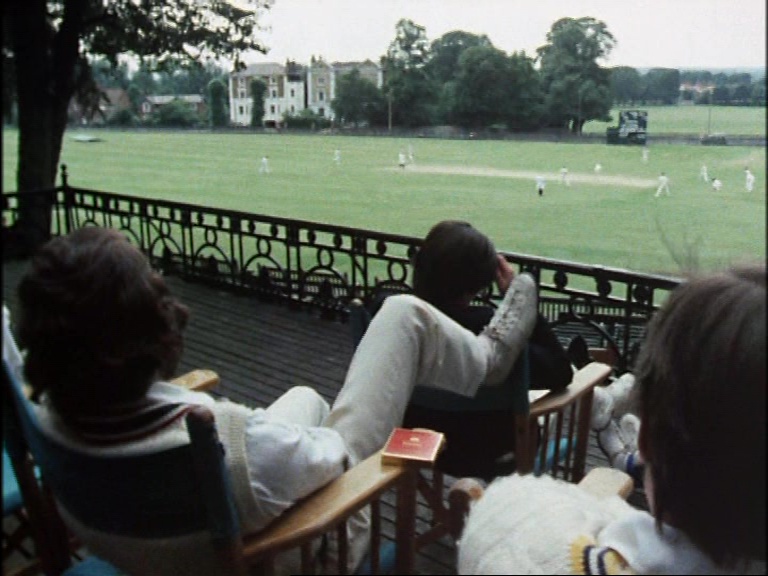
"Harrow School fought to keep this hillside green." The Pavilion Terrace at Harrow's cricket ground located by Antony Blair who adds that we're looking west towards the A312, Lower Road with the large building in the background being number 6, Ortygia House.
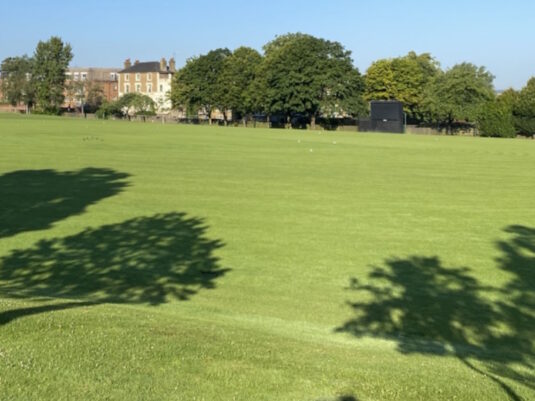
Antony explains that the Pavilion Terrace has since been relocated to another part of the cricket ground.
- Capture 63
- 'Now' required

"But for all its tradition and elegance, it couldn't wholly stem the rising tide of Metro-Land."
- Capture 64
- 'Now' required
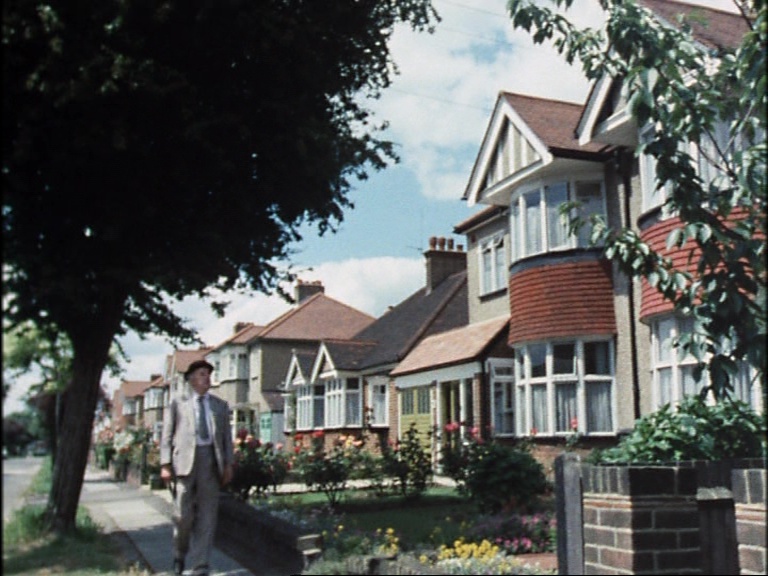
"The healthy air of Harrow in the 1920s and '30s, when these villas were built. You paid a deposit and eventually, we hope, you had your own house with its garage and front garden and back garden. A verge in front of your house and grass and trees for the dog."
- Capture 65
- 'Now' required
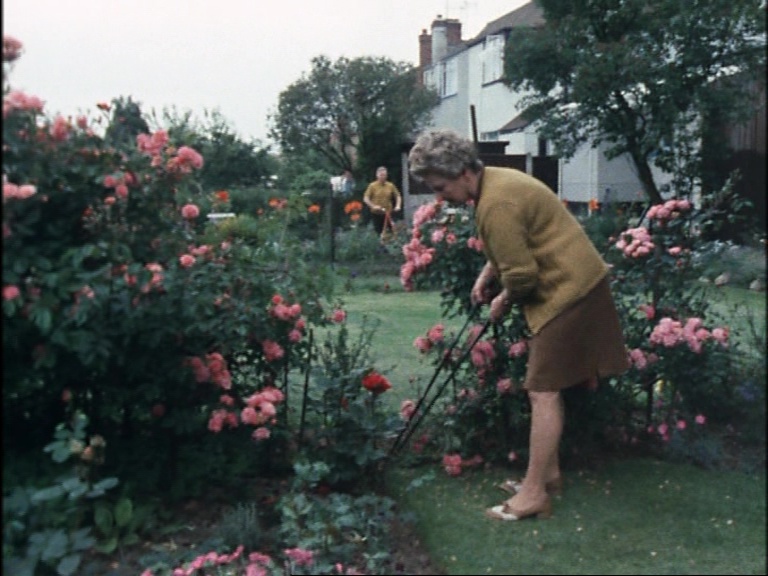
"Along the serried avenues of Harrow's garden villages, households rise and shine and settle down to the Sunday morning rhythm."
- Capture 66
- 'Now' required
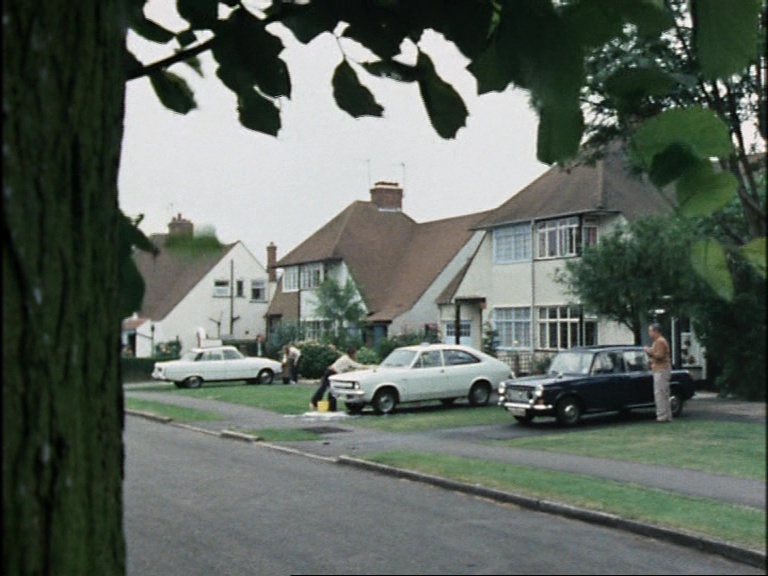
Lawns are mowed, gardens tended and cars washed as the suburban routine continues to the sound of The Osmonds on radio.
- Capture 67
- 13 May 2023
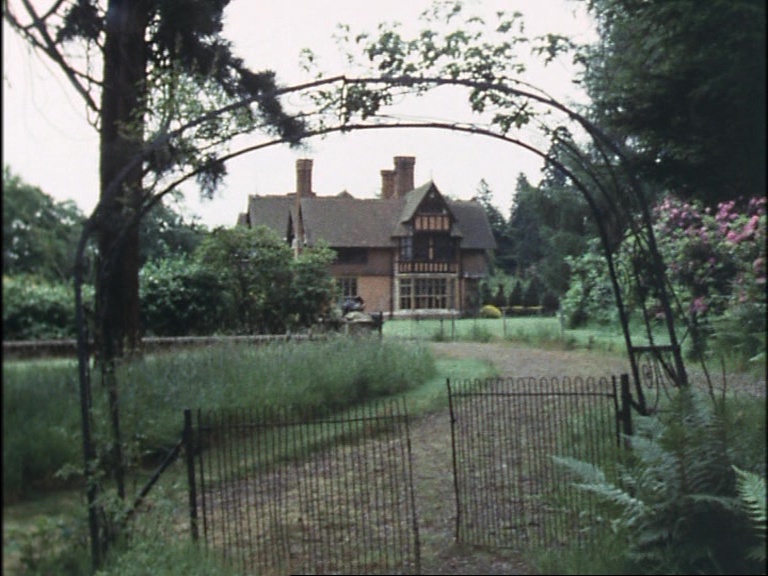
"This is Grim's Dyke in Harrow Weald. I've always regarded it as a prototype of all suburban homes in southern England." Grim’s Dyke on Old Redding, Harrow Weald, Greater London.
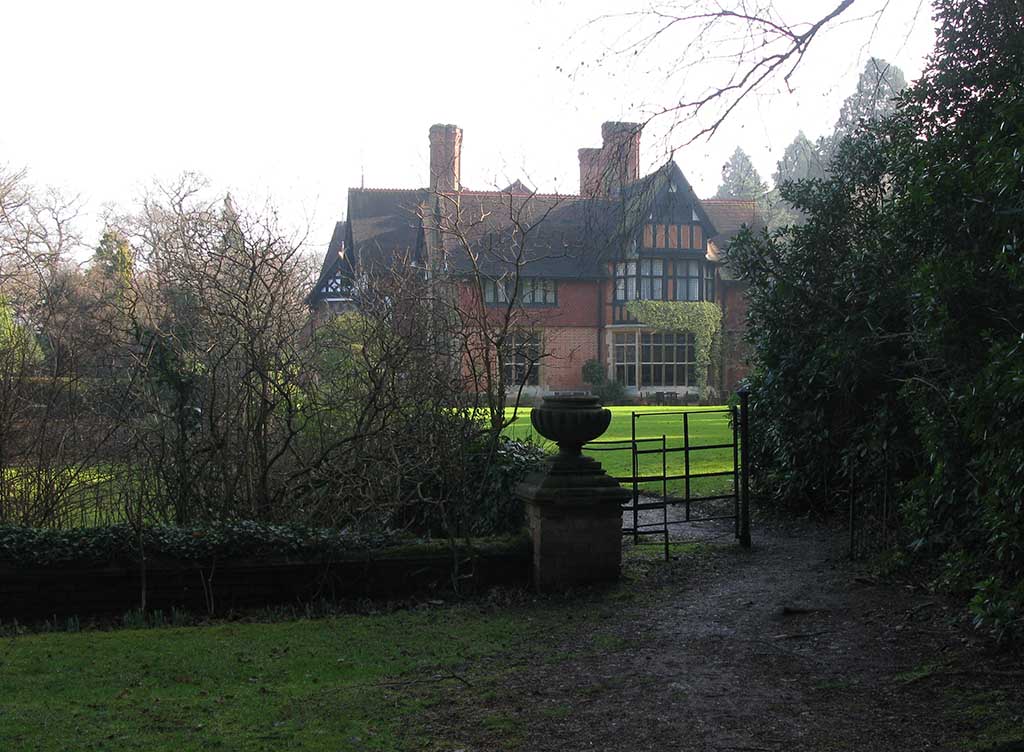
The west wing of the house, taken a little closer as there is much growth on the right of the path. SJ
- Capture 68
- 'Now' required
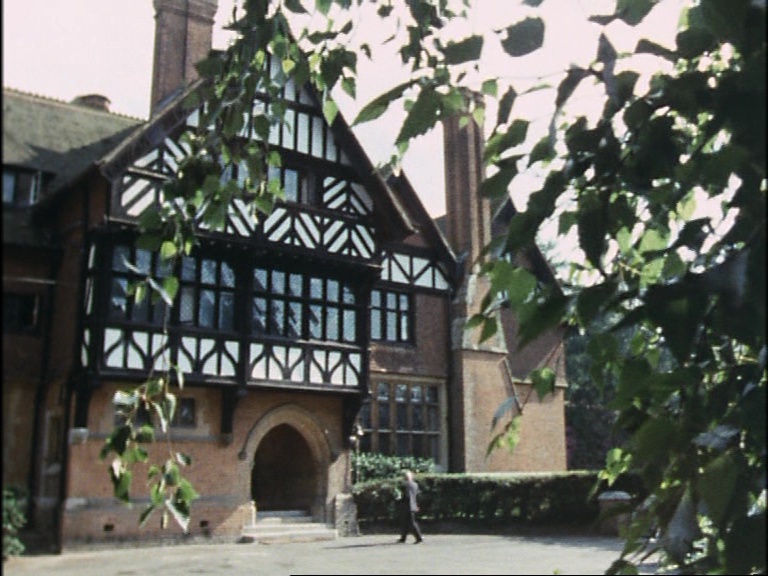
"It was designed by the famous Norman Shaw a century ago. Merry England outside, haunting and romantic within." Grim’s Dyke in Harrow Weald, seen in many productions including 'Curse of the Crimson Alter', 'Futtocks End', 'Cry of the Banshee', 'Zeta One', 'It Happened Here', 'The Cherry Picker' and 'The Blood Beast Terror'.Dave Buckley further points out that the Hotel was also used in Episode five of 'Randall and Hopkirk (Deceased)' as well as 'Sliding Doors'. (RL)
- Capture 69
- 13 May 2023
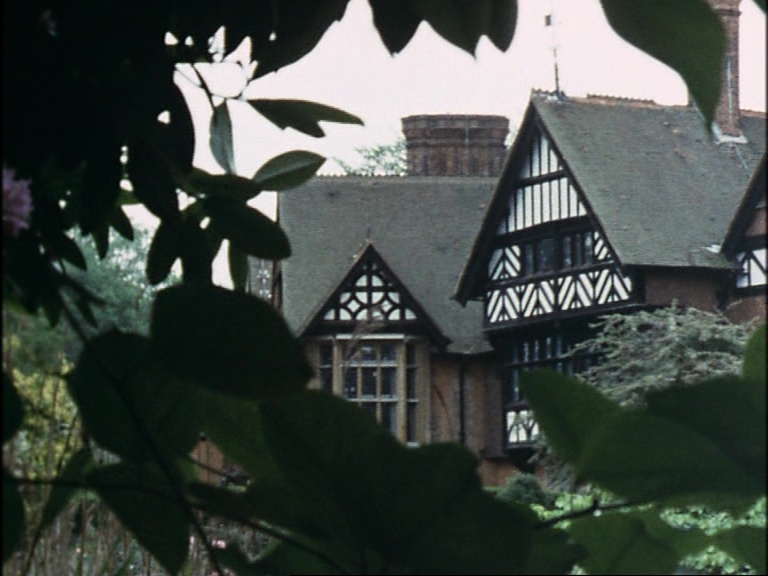
"Tall, brick chimney stacks, not hidden away, but prominent, and part of the design." Grim’s Dyke, Old Redding in Harrow Weald.
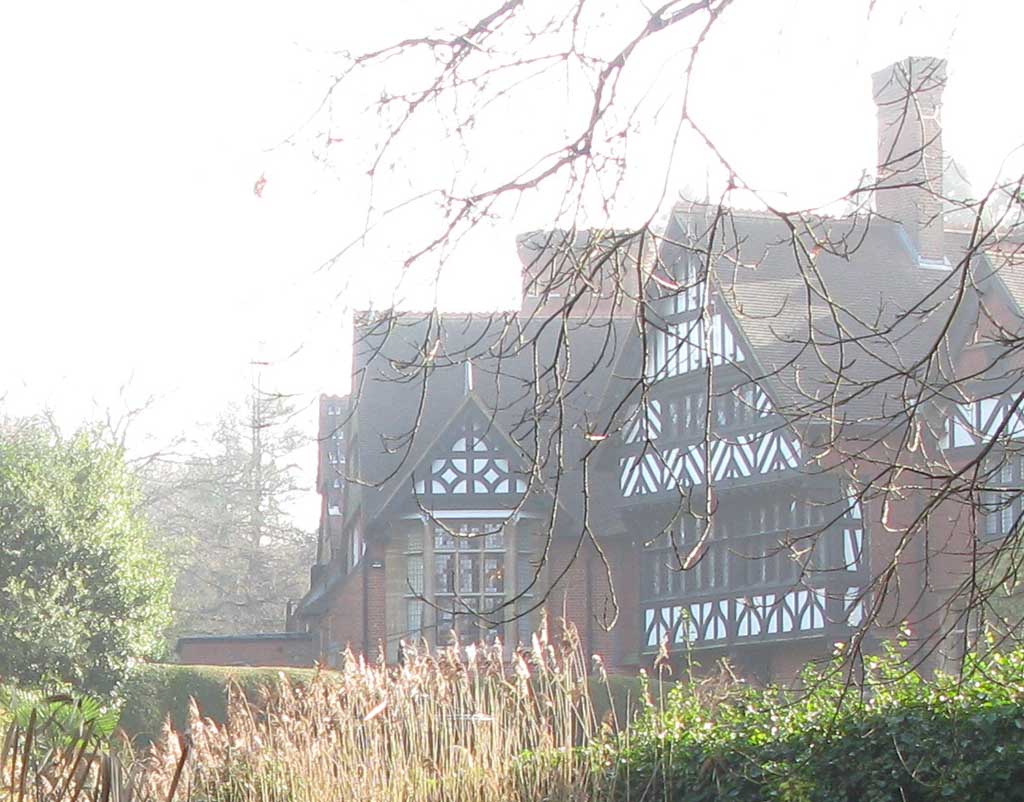
The north side of the hotel. SJ
- Capture 70
- 13 May 2023
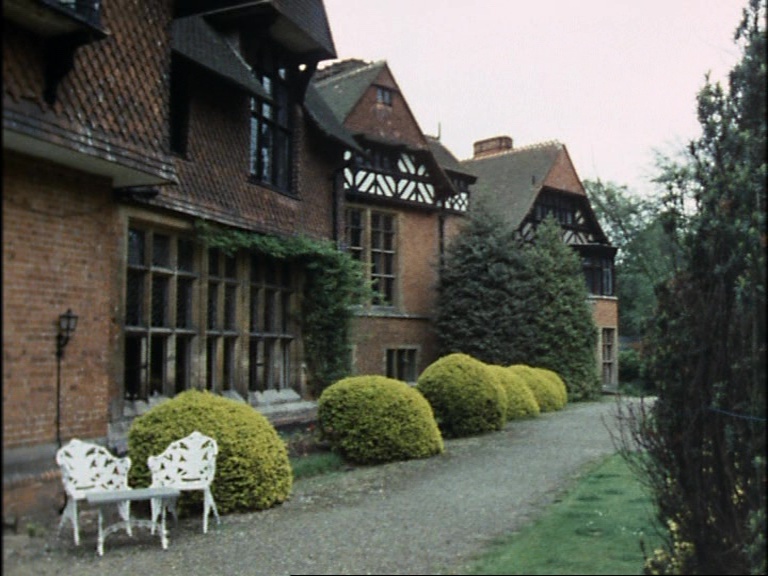
"Local bricks, local tiles, local timber, no facade is the same." Grim’s Dyke, Harrow Weald.
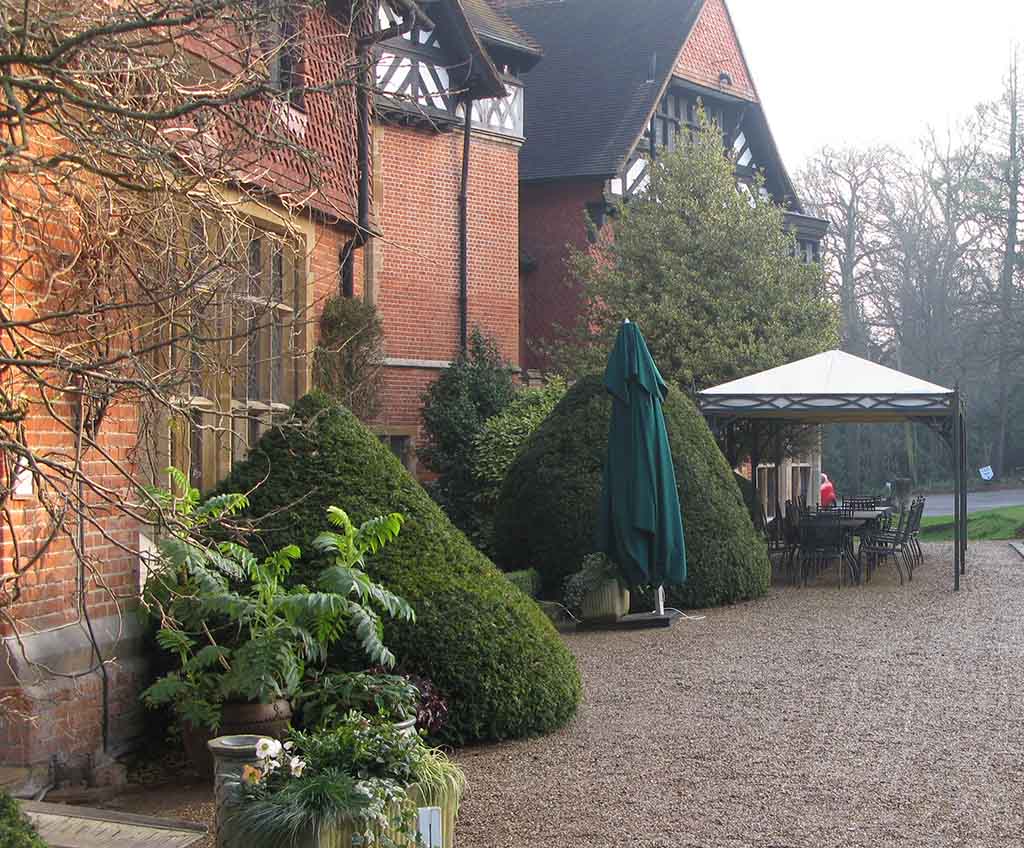
And this is the sunny south side, when it's not foggy. SJ
- Capture 71
- 13 May 2023
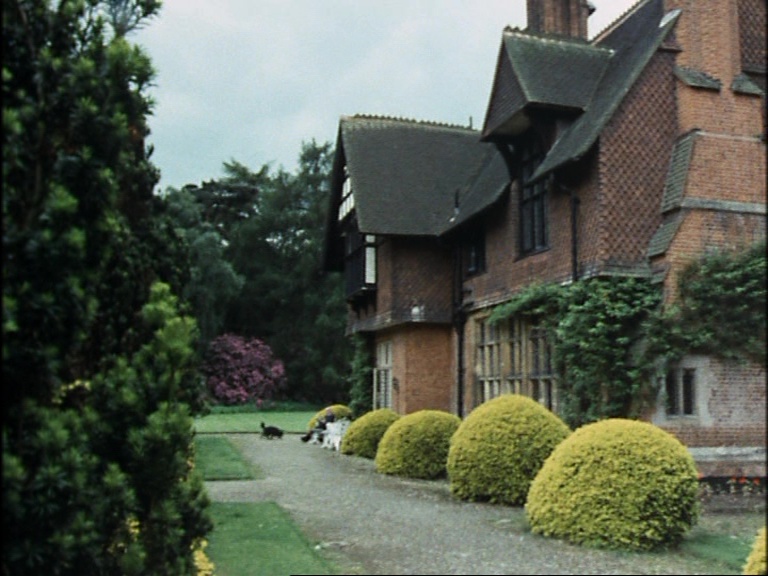
"Gabled windows gaze through leaded lights down winding lawns." Grim’s Dyke, Old Redding in Harrow Weald.
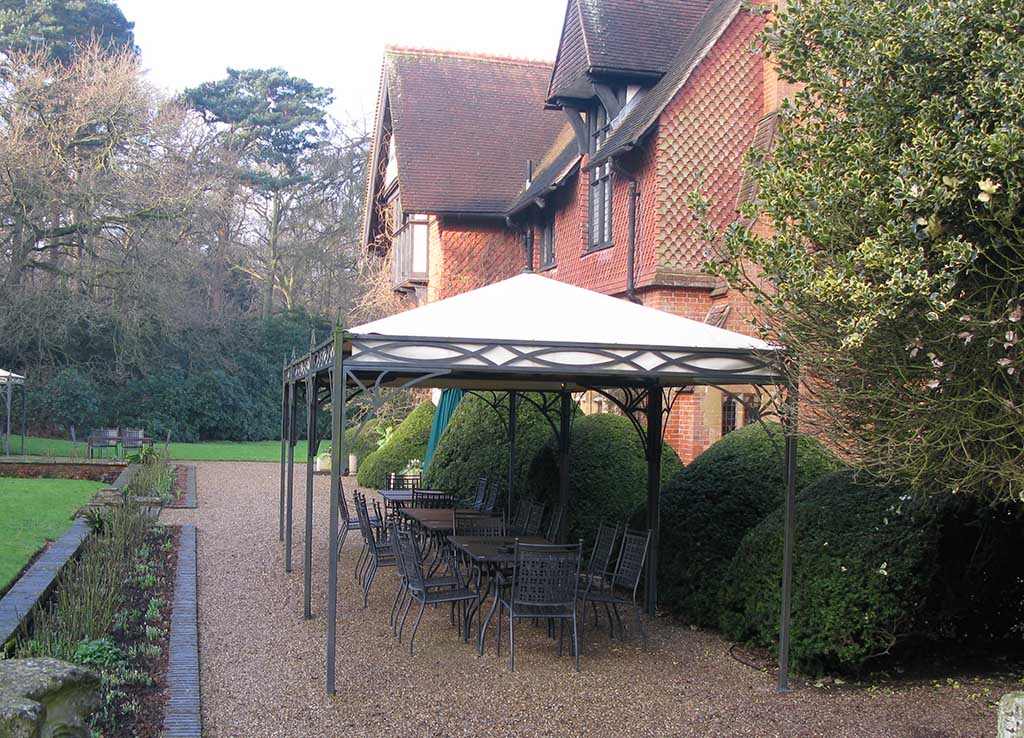
And looking west the other way to previous. SJ
- Capture 72
- 'Now' required
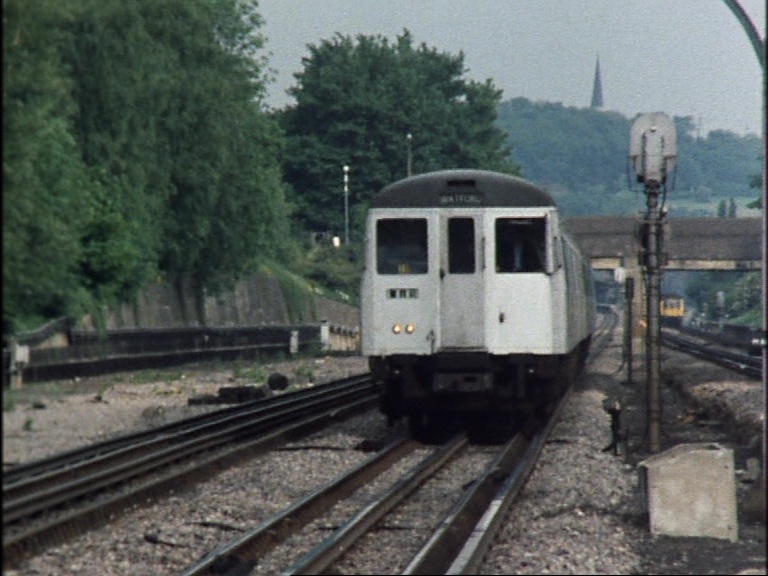
"Funereal from Harrow draws the train. On, on, north-westwards." Seen from Pinner station, an A Stock train heads to Watford from North Harrow station while a British Rail service from Marylebone approaches on the right.
- Capture 73
- 31 Aug 2025
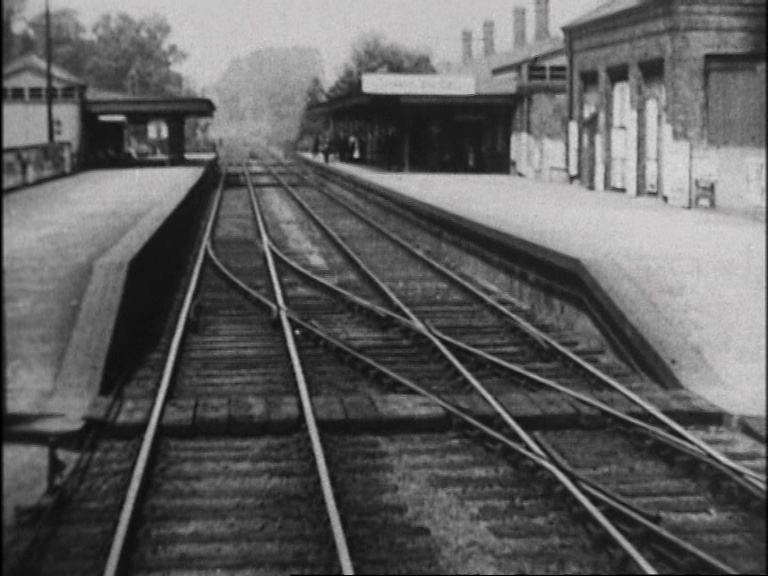
"London far away, and stations start to look quite countrified." Pinner station, opened in May 1885, 25 years before this footage was shot.
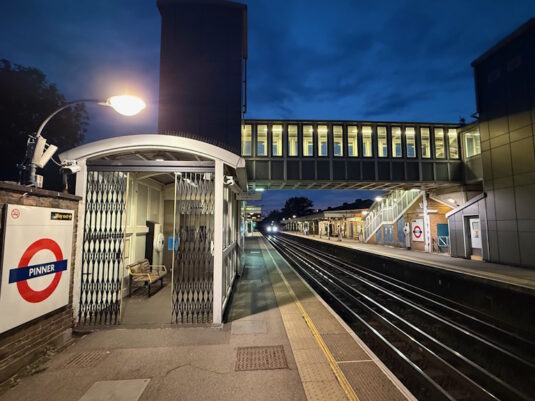
Evening draws in as London is left behind.
- Capture 74
- 31 Aug 2025
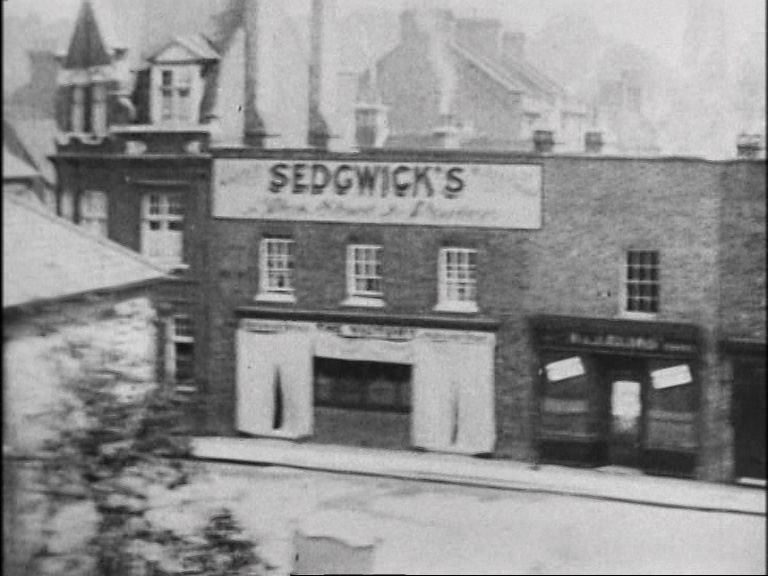
"Pinner, a parish of 1,000 souls, till railways gave it many thousands more." Marsh Road in Pinner with the corner of High Street to the extreme left.
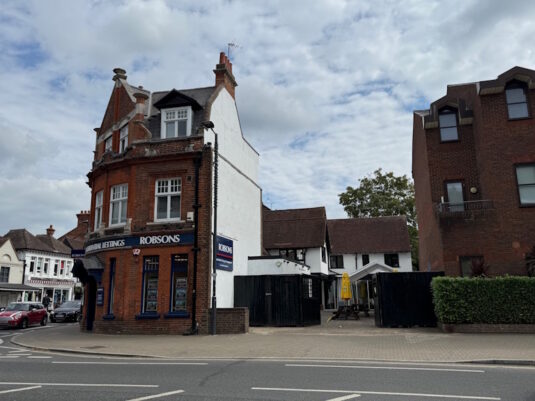
The building on the corner remains.
- Capture 75
- 31 Aug 2025
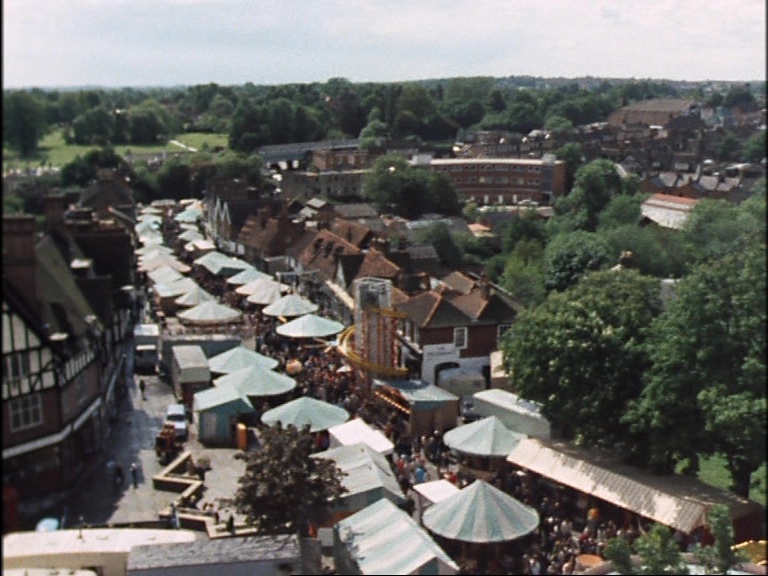
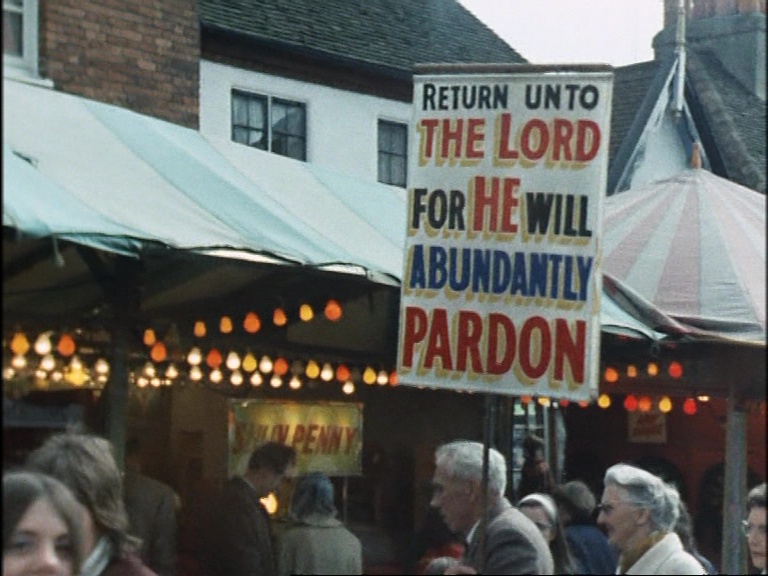
"Pinner is famous for its village fair where once a year, St. John the Baptist's Day shows all the climbing High Street filled with stalls." Looking westward along High Street, Pinner, towards the railway.
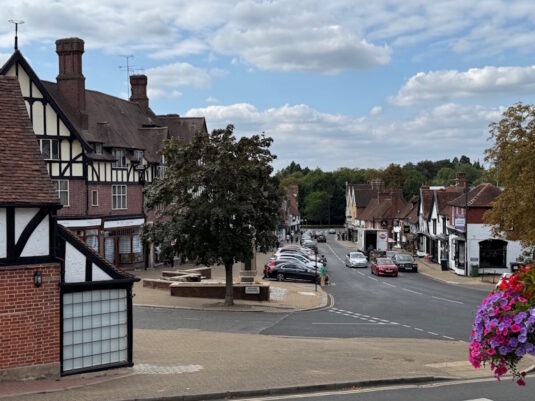
Without the attractions, from street level.
- Capture 76
- 16 May 2023
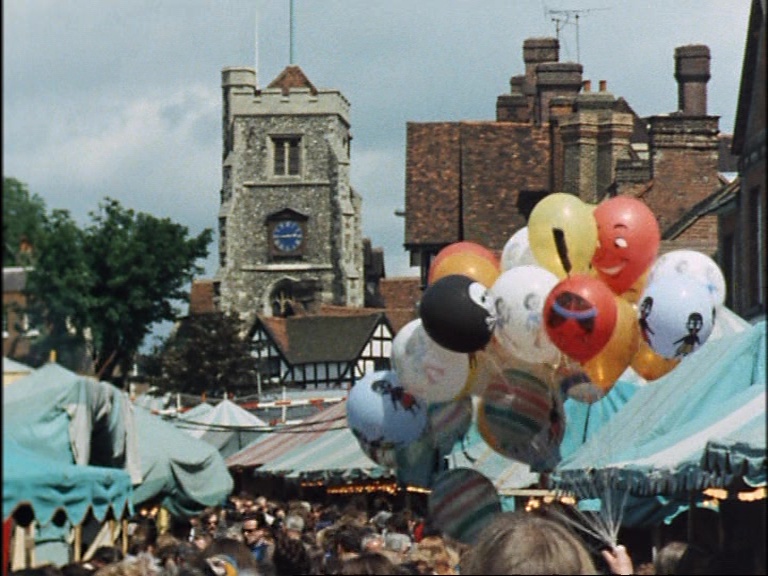
"It is the feast day of the parish saint, a medieval fair in Metro-Land." High Street in Pinner, Greater London with St. John the Baptist's church in the background.
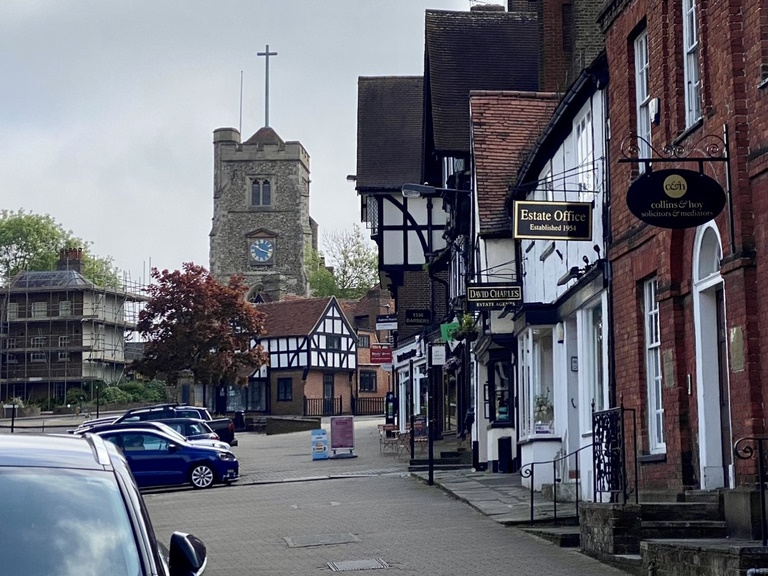
Taken from the safety of the pavement at street level by Antony Blair, just over 50 years later.
- Capture 77
- 31 Aug 2025
Facing 28 to 30 High Street in Pinner.
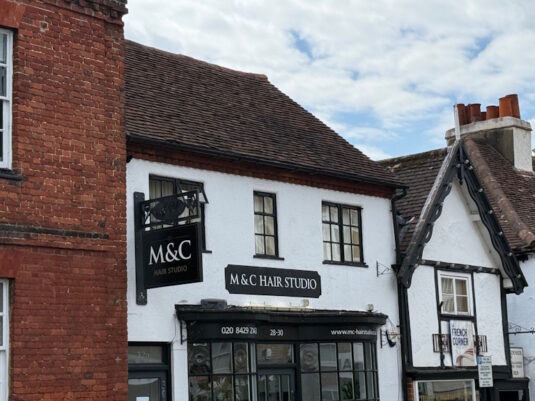
The same buildings unobscured.
- Capture 78
- 31 Aug 2025
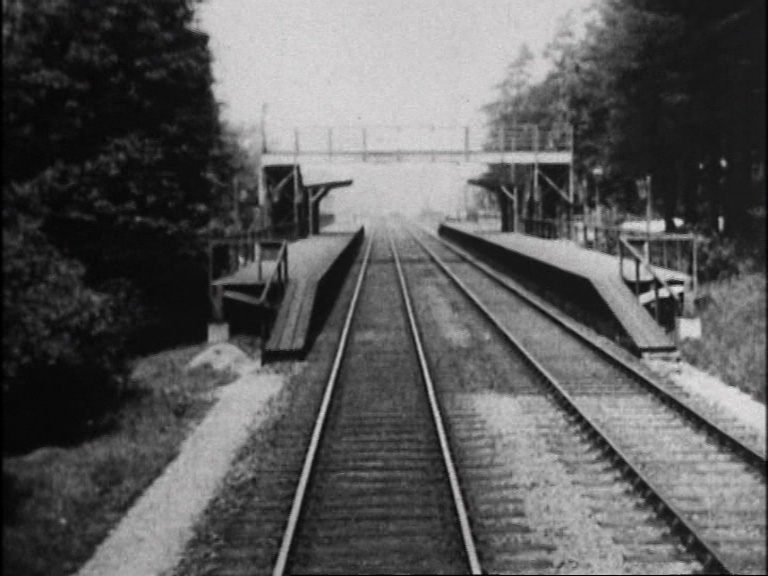
"When I was young, there stood among the fields a lonely station, once called Sandy Lodge, its wooden platform crunched by hobnailed shoes." Sandy Lodge opened in May 1910 and was renamed Moor Park & Sandy Lodge in 1923, becoming simply Moor Park in 1950.
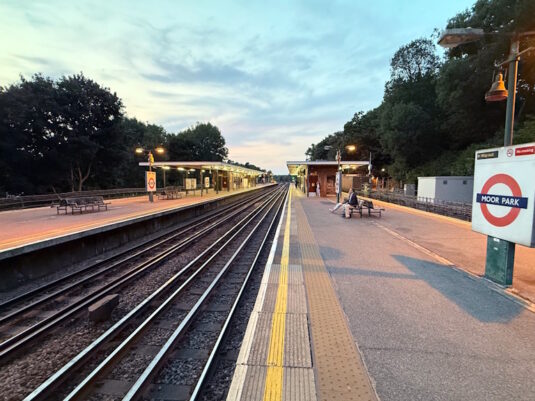
Not so lonely, this is Moor Park today.
- Capture 79
- 'Now' required

"And this is where the healthier got out."
- Capture 80
- 31 Aug 2025
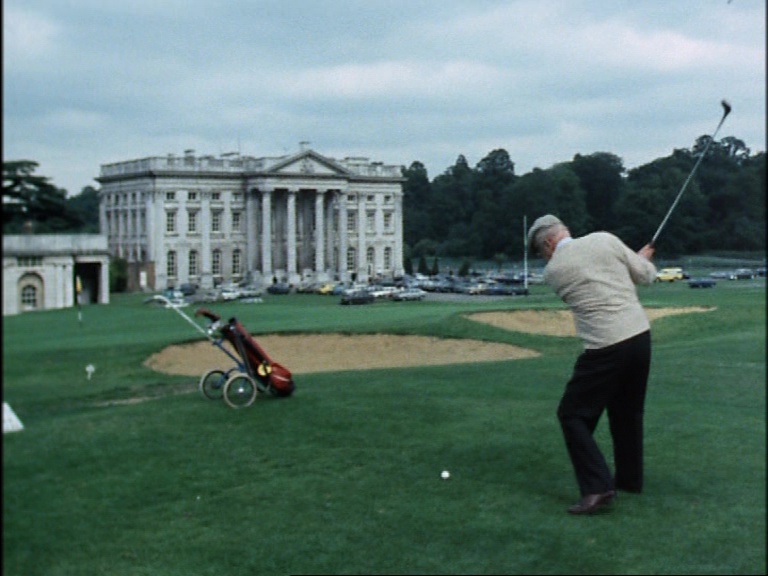
"One of the joys of Metro-Land was the nearness of golf to London. Moor Park, Rickmansworth was a great attraction." Moor Park Golf Club in Batchworth Heath, Hertfordshire.
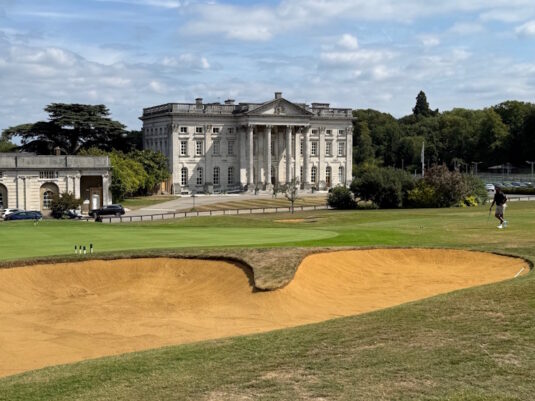
A clear shot.
- Capture 81
- 31 Aug 2025
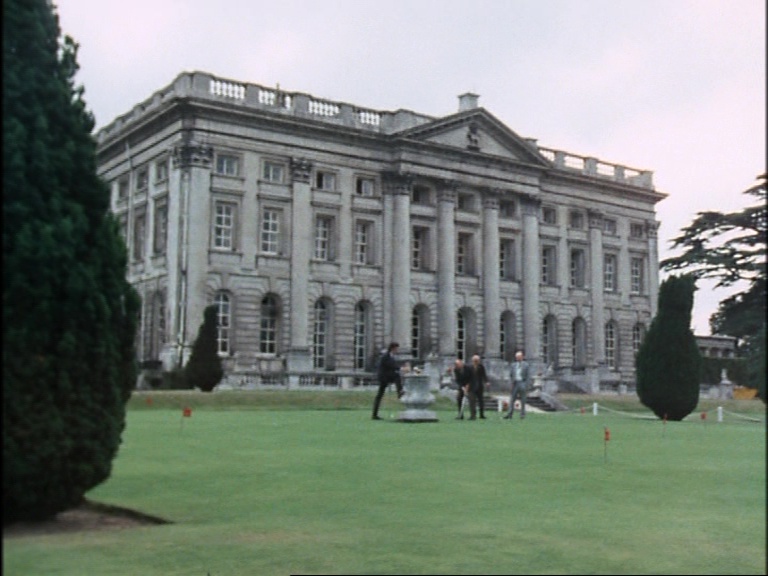
"Did ever golf club have a 19th hole so sumptuous as this?" Moor Park Golf Club can be seen in several films including 'Jassy', 'The Hellfire Club', 'Brothers in Law' and 'A Business Affair'.
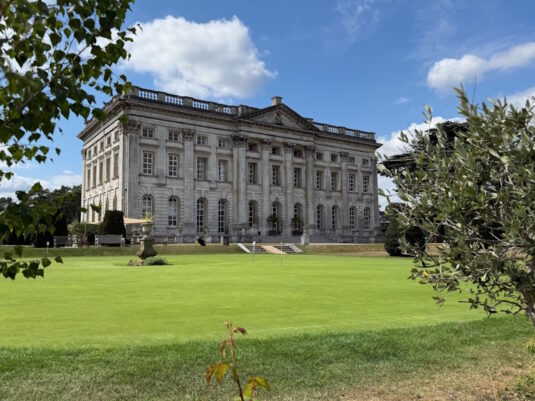
The rather opulent club house.
- Capture 82
- 31 Aug 2025
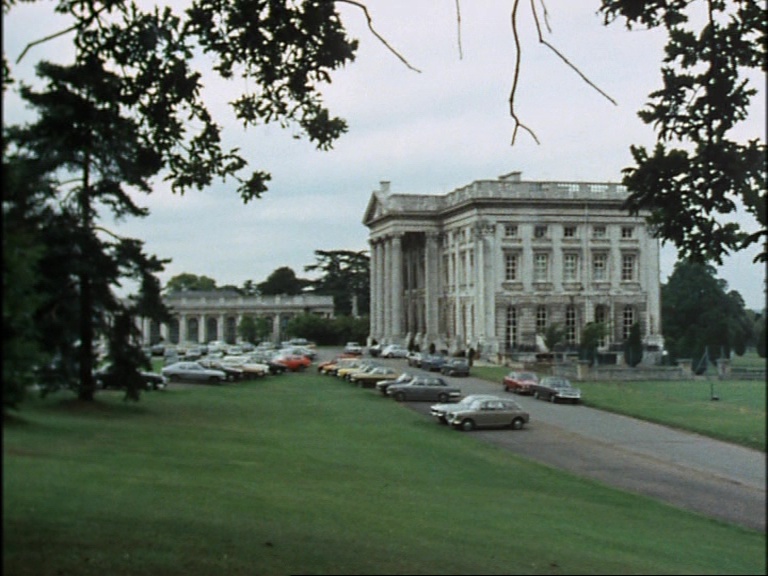
Moor Park Golf Club near Rickmansworth in Hertfordshire.
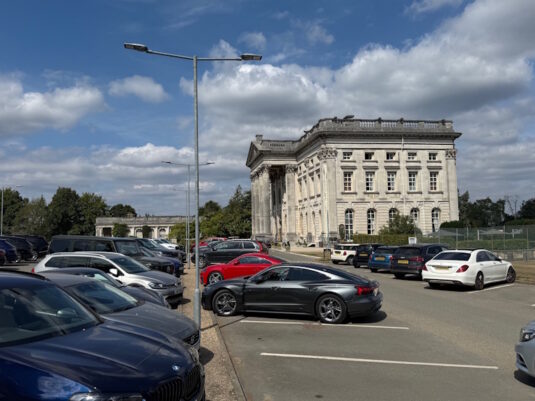
Members still drive to drive.
- Capture 83
- 31 Aug 2025
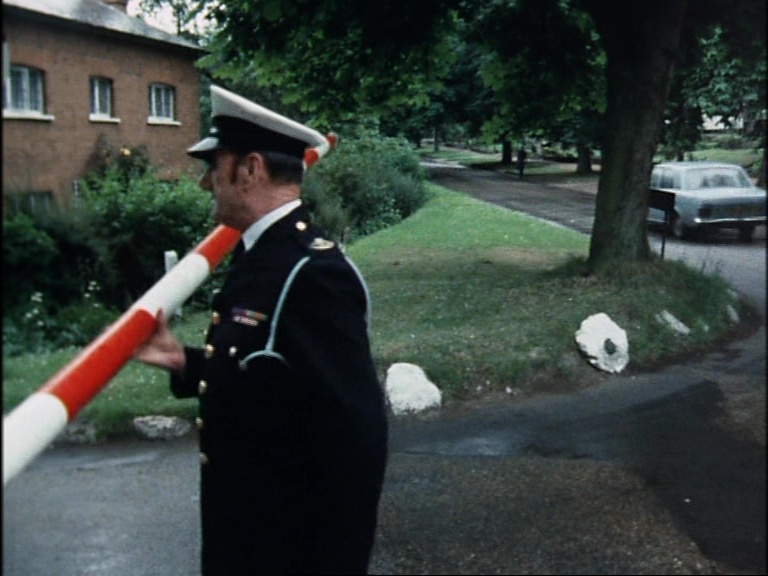
On the Moor Park estate, the barrier is closed after a resident is allowed through. The junction of Moor Lane and Sandy Lodge Road located by Richard Bennett.
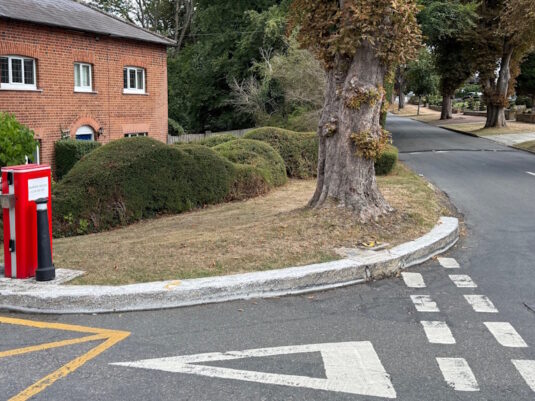
It appears that security is now automatic.
- Capture 84
- 31 Aug 2025
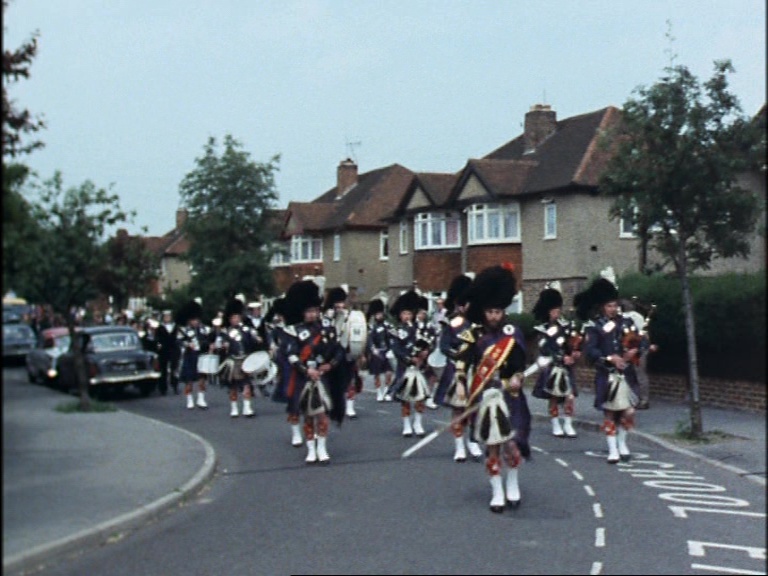
"The Croxley Green Revels, a tradition that stretches back to 1952 . . . " Malvern Way, Croxley Green in Hertfordshire.
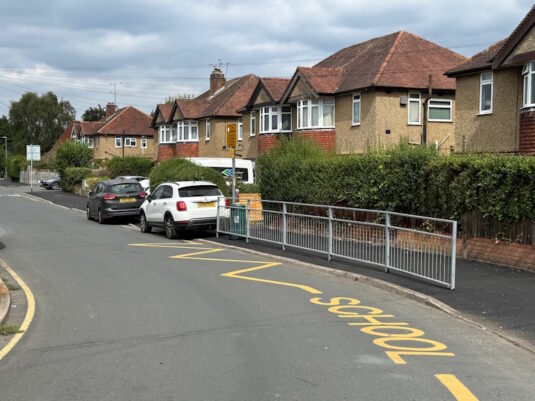
No parade in progress today.
- Capture 85
- 31 Aug 2025
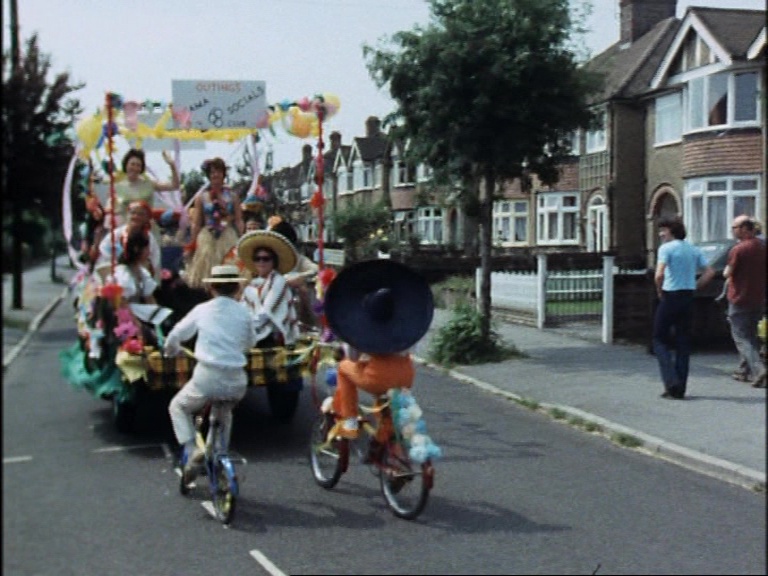
". . . For pageantry is deep in all our hearts." Facing west on Malvern Way in Croxley Green.
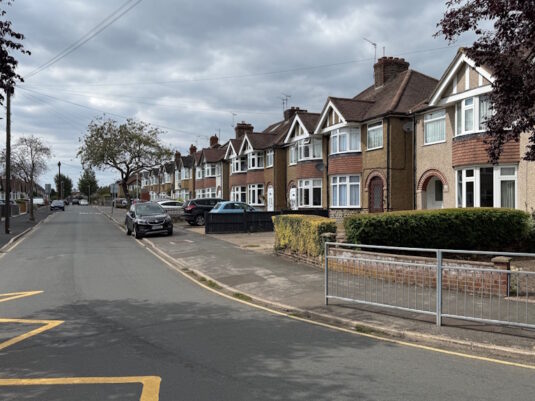
A quieter moment.
- Capture 86
- 'Now' required
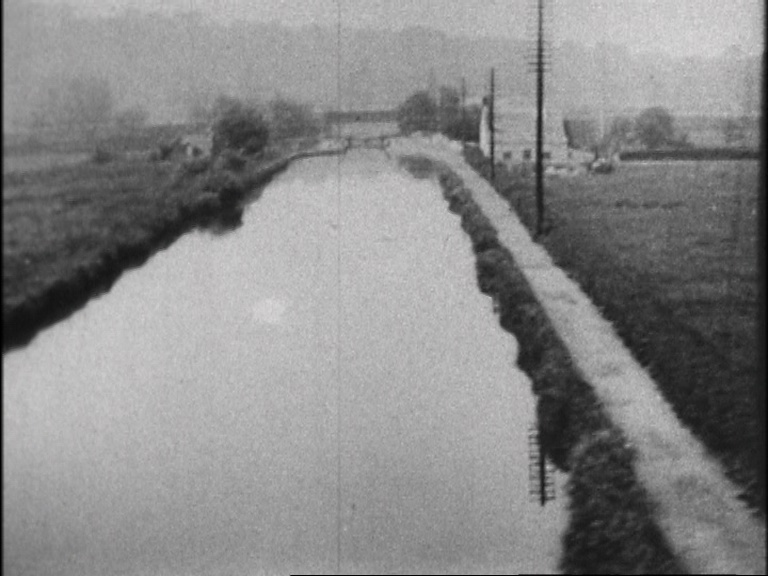
"Large, uneventful fields of dairy farms. Slowly winds the Chess brimful of trout. An unregarded part of Hertfordshire awaits its fate." This is looking south-west along the Grand Union Canal with the train just having passed over the railway running between Watford and Rickmansworth Church Street as well as the River Gade.
- Capture 87
- 31 Aug 2025
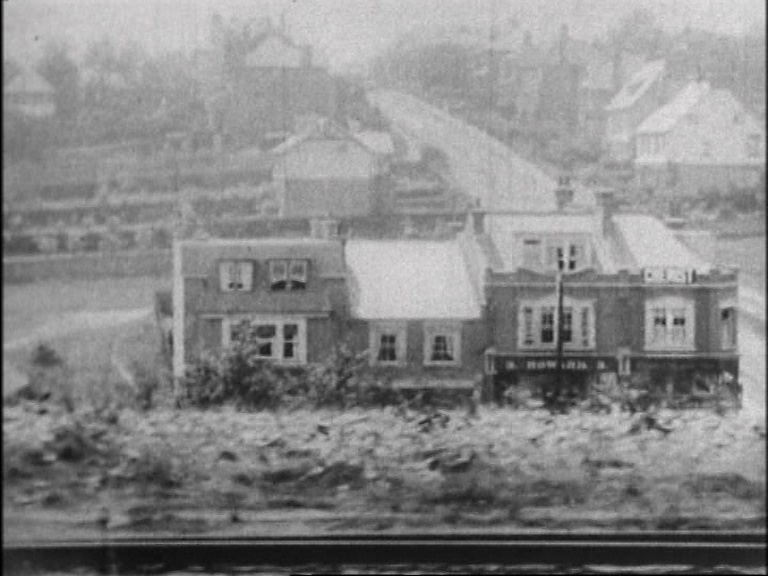
"And in the heights above, Chorley Wood Village, where in '89 the railway came and wood smoke mingled with the sulphur fumes . . . " Looking down onto Lower Road in Chorleywood, Hertfordshire with South Road heading away to the top right.
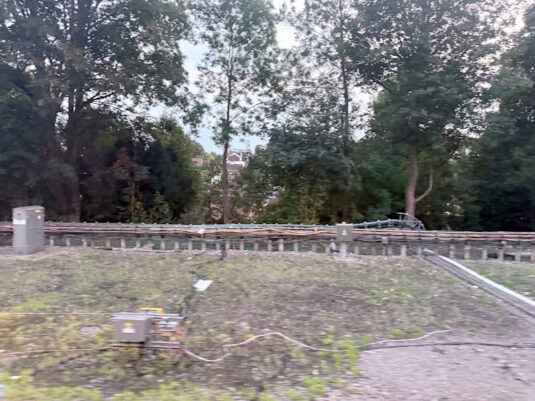
A glimpse of the houses on Lower Road at South Road from the Metropolitan Line.
- Capture 88
- 31 Aug 2025
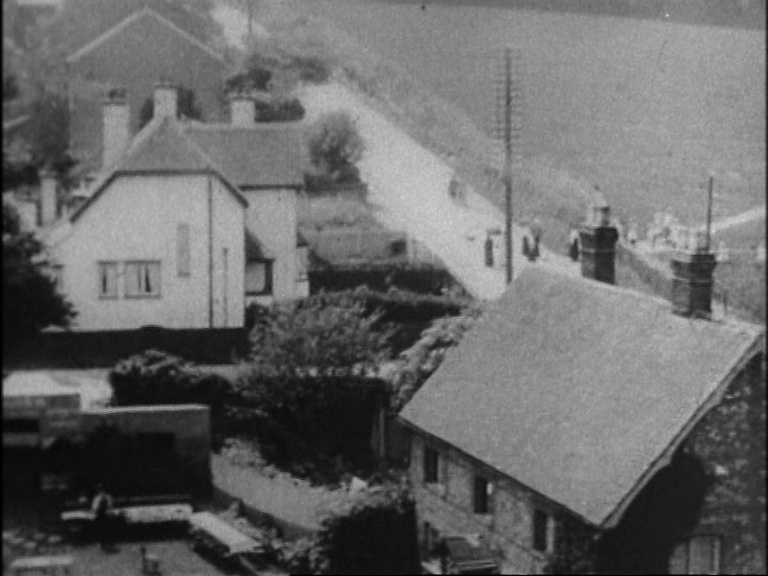
" . . . and people now could catch the early train to London and be home just after tea." In the background, Shire Lane, Chorleywood makes its way up hill.
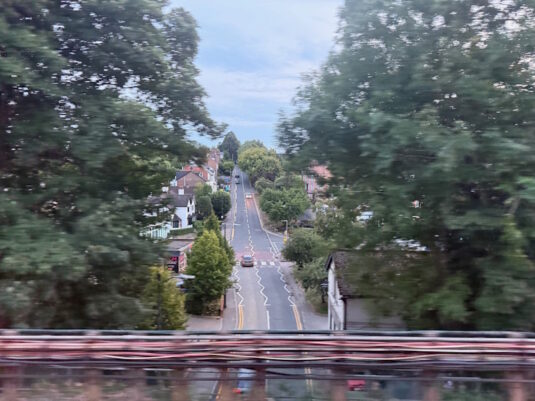
A view of Shire Lane from a Metropolitan Line train.
- Capture 89
- 31 Aug 2025
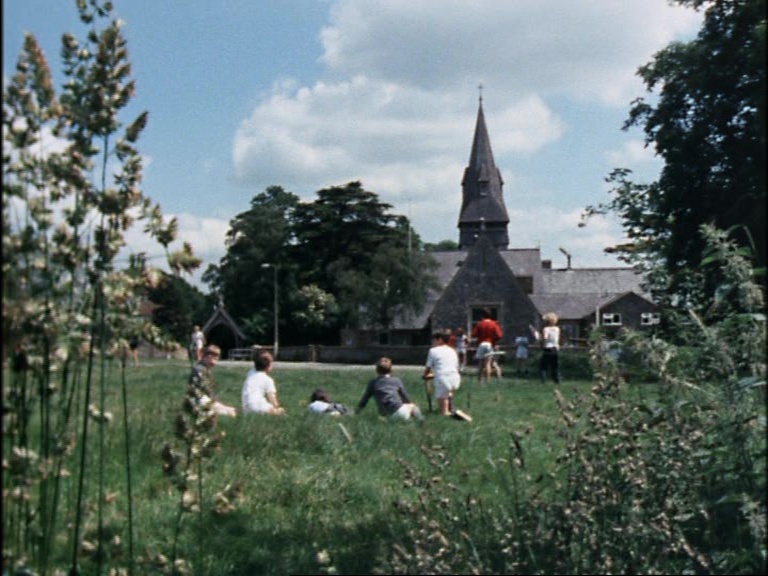
"This is, I think, essential Metro-Land. Much trouble has been taken to preserve the country quality surviving here. Oak, hazel, hawthorn, gorse and sandy tracks, better for sport than farming, I suspect. Common and cricket pitch. Church school and church. All are reminders of a country past." Chorleywood Cricket Ground off Rickmansworth Road, Chorleywood with Christ Church in the background.
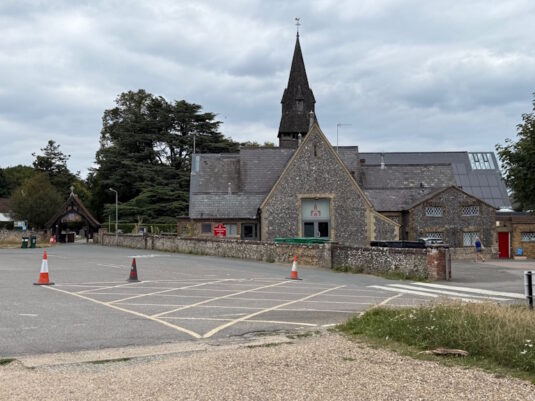
Taken a little nearer as the screen capture's angle was blocked by a motorhome in the car park.
- Capture 90
- 'Now' required
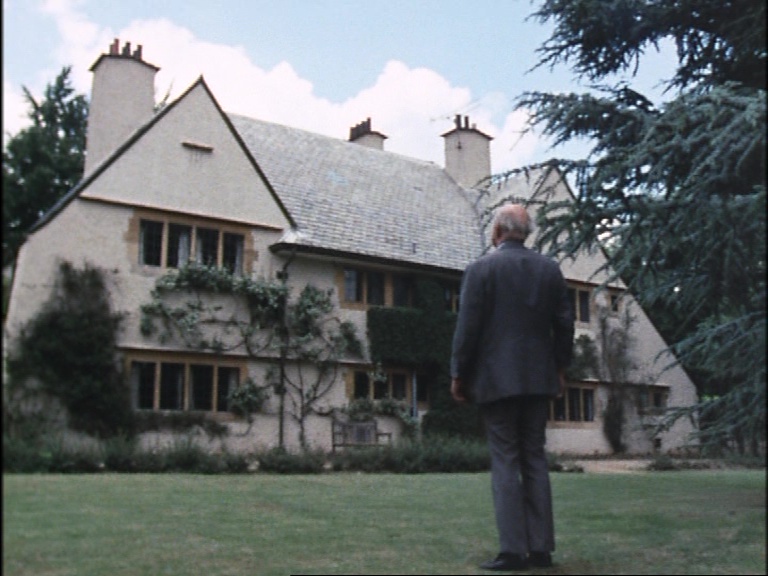
"In the orchards beyond the common, one spring morning in 1900, a young architect, Charles Voysey, and his wife decided to build themselves a family home. I think it was the parent of thousands of simple English houses." The Orchard on Shire Lane in Chorleywood, Hertfordshire.
- Capture 91
- 31 Aug 2025
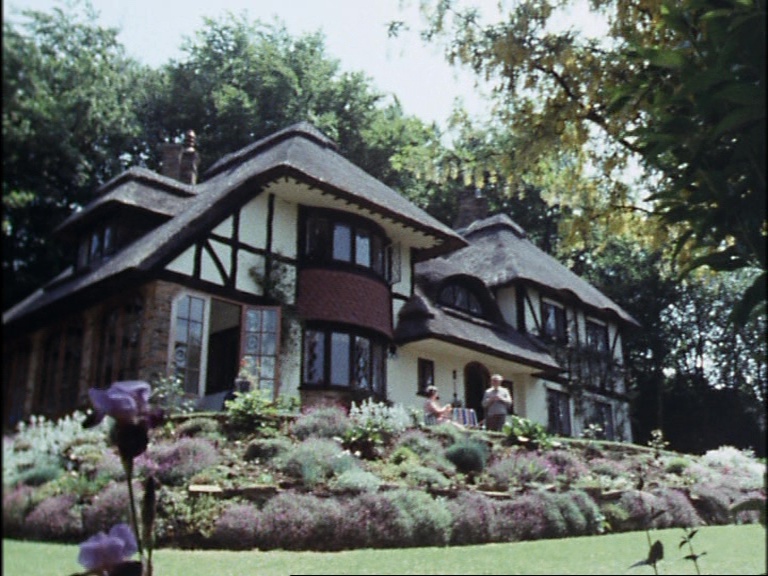
# With 1,000 little stars, we can decorate the ceiling, with an optimistic feeling, we can build a little home, Steve Randall found The Straw Hat, Whisperwood in Rickmansworth, Hertfordshire which, according to Led Zeppelin's page on Reddit, was the former home of bassist John Paul Jones.
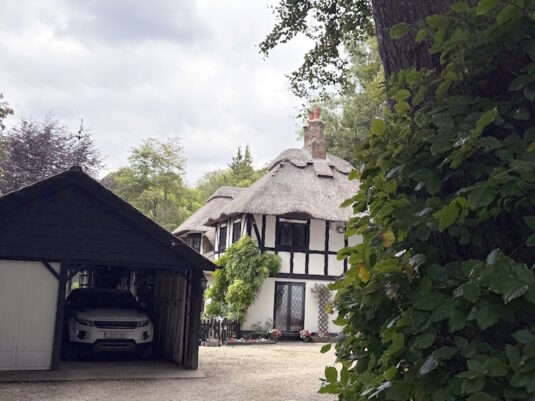
The wrong side of the building, but the only view available from the street.
- Capture 92
- 31 Aug 2025

# Every single little dream, is a shingle or a rafter, we can paint the house with laughter, when we build a little home, Sleepy Hollow on Whisperwood, Rickmansworth located by Steve Randall.
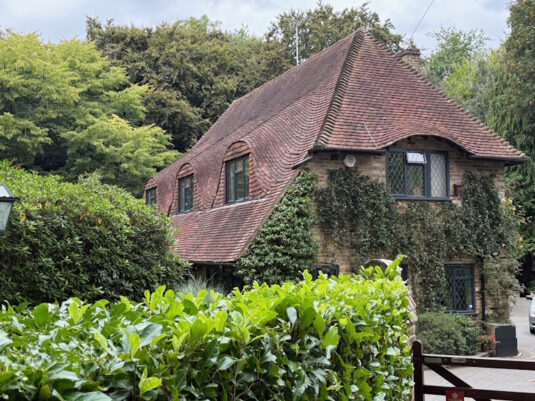
Still sleepy.
- Capture 93
- 'Now' required
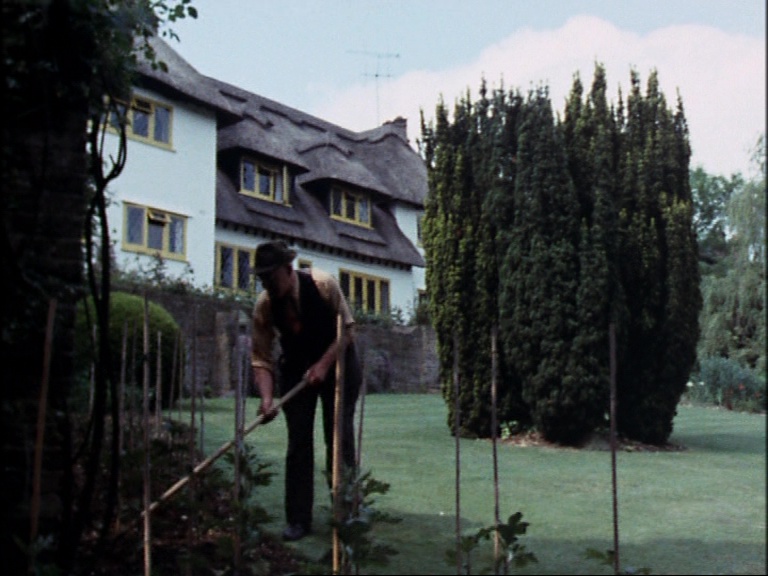
# It's not a palace, nor a poorhouse, but the rent is absolutely free, this is my house, but it's your house, if you'll come and live with me,
- Capture 94
- 31 Aug 2025
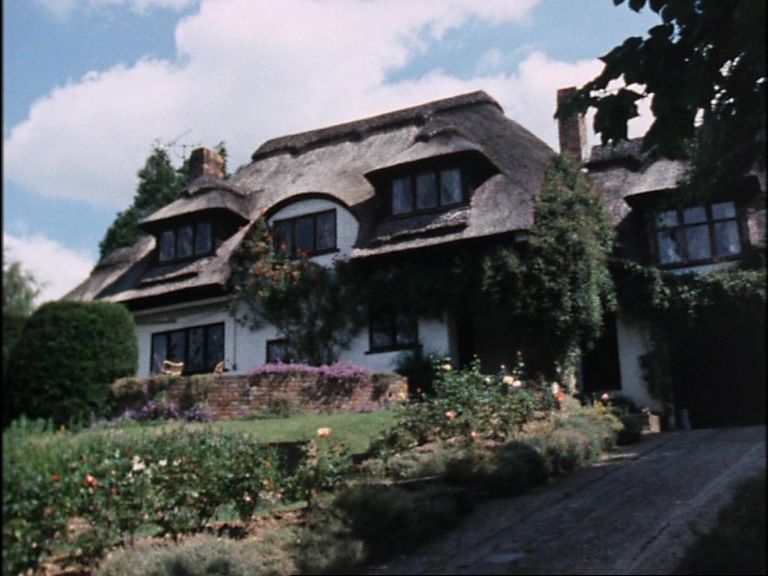
# With a carpet on the floor, made of buttercups and clover, all our troubles will be over, when we build our little home. Richard Bennett discovered Green Banks on Trout Rise, Loudwater in Rickmansworth, Hertfordshire.
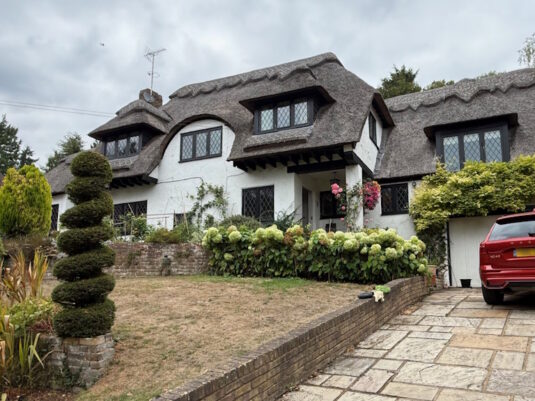
Taken with thanks to the owner, Ann Garner, who invited Richard into her home and shared letters from the BBC about filming taking place.
- Capture 95
- 31 Aug 2025
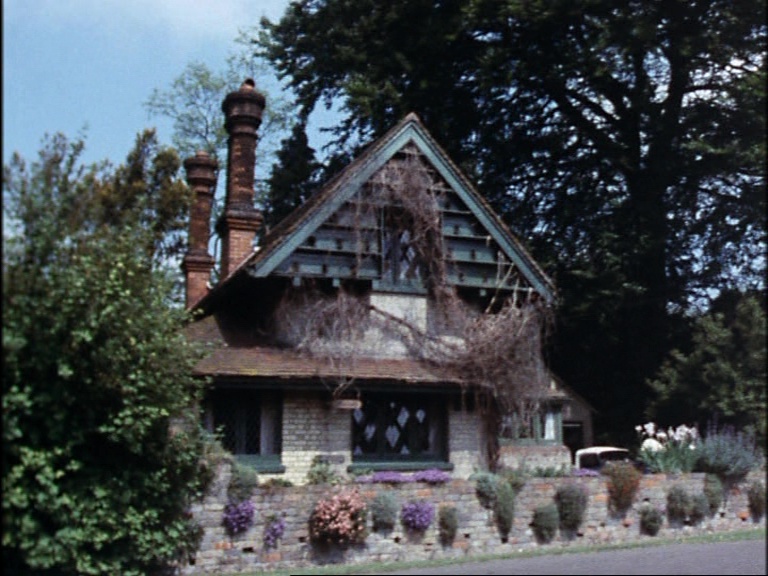
The property is named Dovecote, and it's easy to see why. Following on from the previous capture, Geoff establishes this as "Dovecote", Troutstream Way in Loudwater, Rickmansworth, Hertfordshire. (RL)
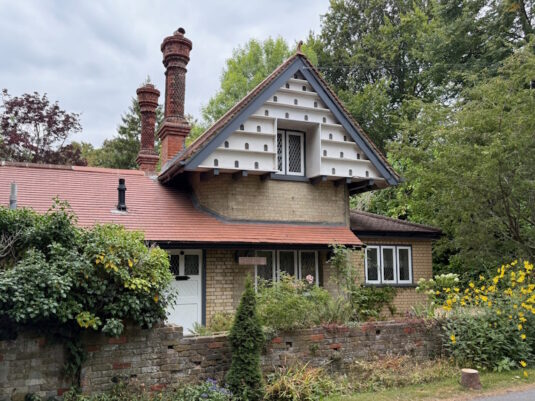
The doves still have a home.
- Capture 96
- 'Now' required
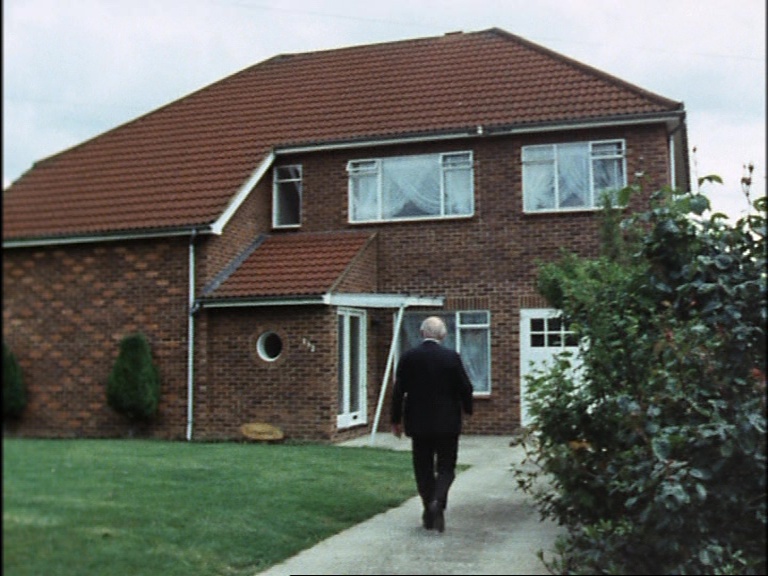
"Oh, happy indoor life in Chorley Wood, where strangest dreams of all are realised. Mellifluating out from modern brick, the pipe dream of a local man, Len Rawle. For, pipe by pipe and stock by stock, he moved out of the Empire Cinema, Leicester Square, the mighty Wurlitzer, till the huge instrument filled half his house with all its multitude of sound effects." 132 Berry Lane in Chorleywood, Hertfordshire. Dave Buckley adds "My TV department used this location a number of times for training shoots in the late 1980s and early 90s, and the owner was always pleased to show off the mighty Wurlitzer. (RL)
- Capture 97
- 'Now' required
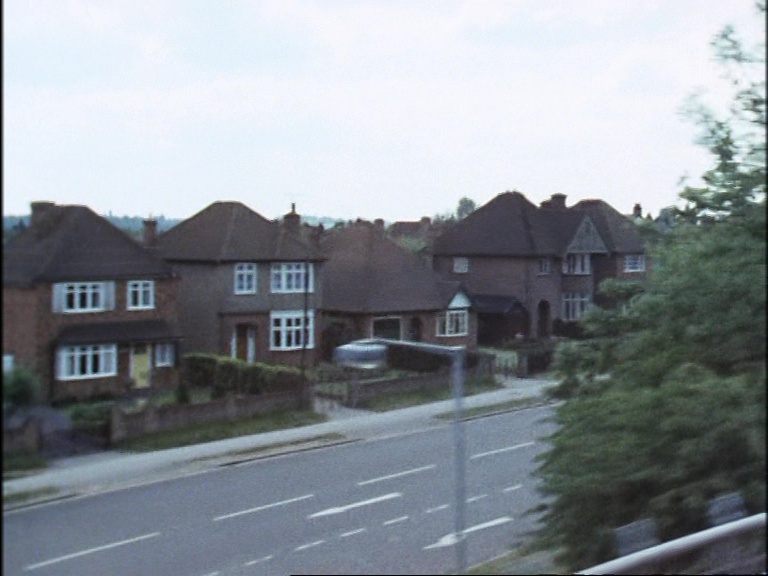
"Steam took us onwards through the ripening fields, ripe for development, where the landscape yields clay for warm brick, timber for post and rail, through Amersham to Aylesbury and the Vale." Stanley Hill in Amersham, Buckinghamshire.
- Capture 98
- 'Now' required
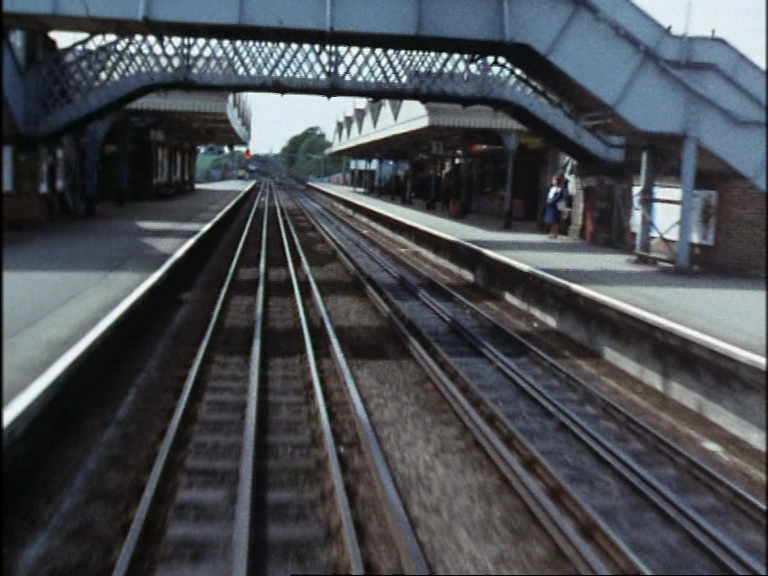
"In those wet fields, the railway didn't pay. The Metro stops at Amersham today." Amersham station on Station Approach. The station also features in 1997's 'Metroland'.
- Capture 99
- 'Now' required
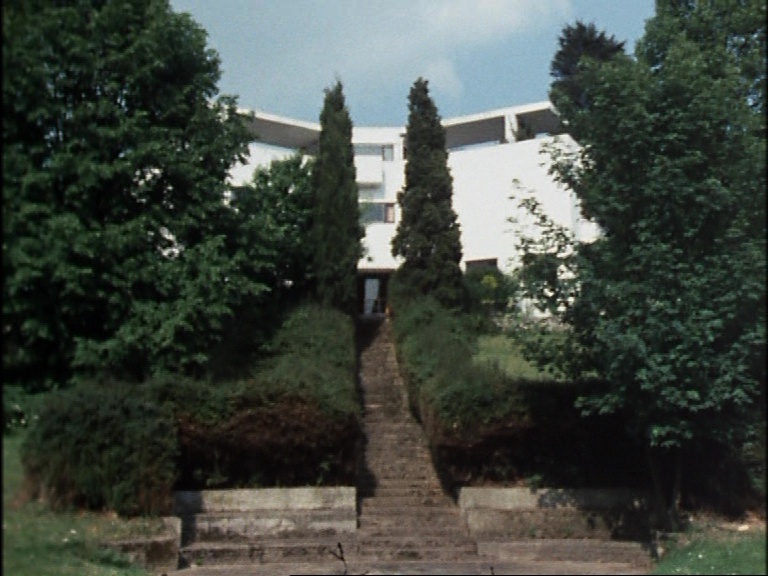
"In 1931, all Buckinghamshire was scandalised by the appearance high above Amersham of a concrete house in the shape of a letter Y." High and Over, 40 Highover Park in Amersham, Buckinghamshire
- Capture 100
- 'Now' required
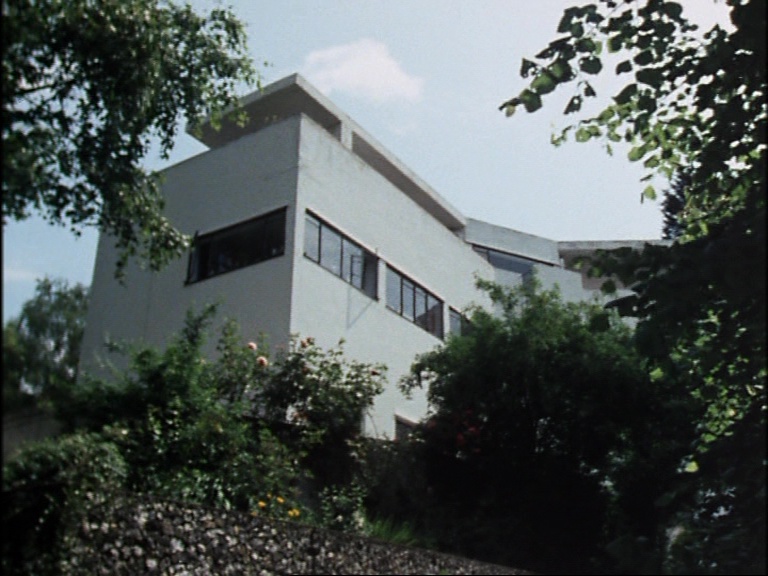
"It was built for a young professor by a young architect, Amyas Connell. They called it High and Over." High and Over in Amersham.
- Capture 101
- 'Now' required
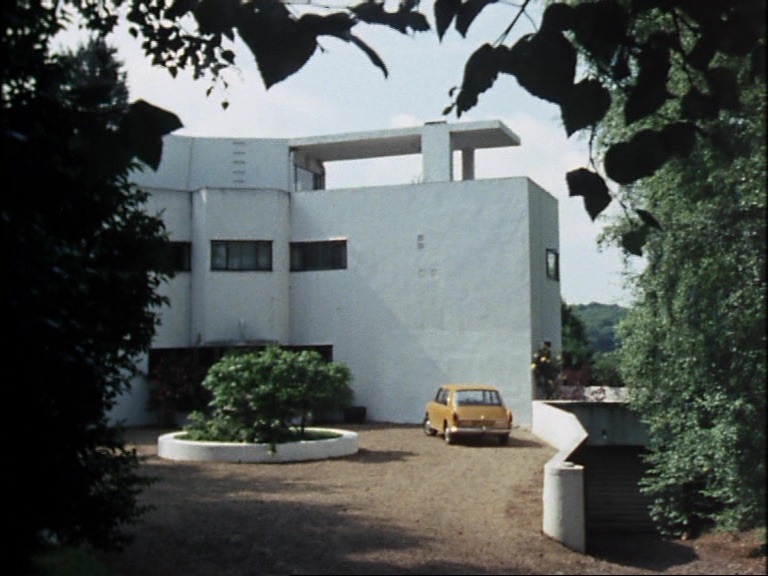
"I am the home of a 20th-century family," it proclaimed, "that loves air and sunlight and open country." It started a style called moderne, perhaps rather old-fashioned today." High and Over at 40 Highover Park, Amersham.
- Capture 102
- 'Now' required
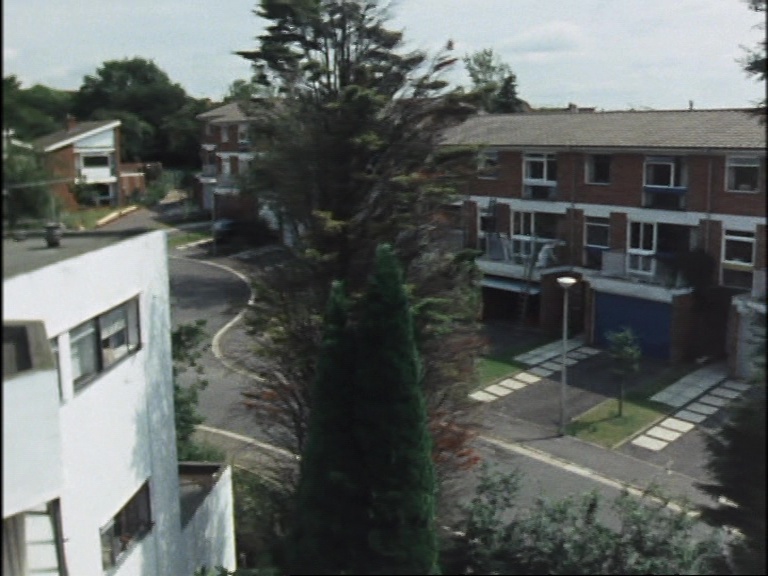
"And one day, poor thing, it woke up and found developers in its back garden." Highover Park in Amersham, Buckinghamshire.
- Capture 103
- 'Now' required
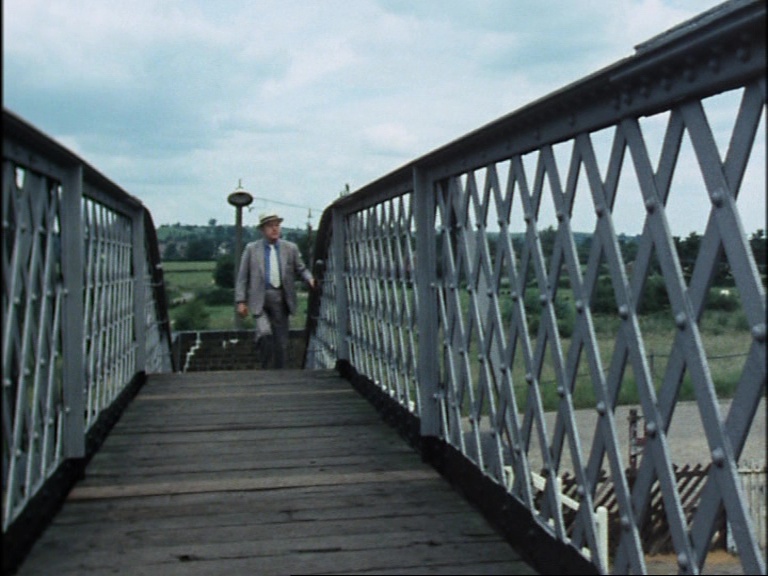
"Where are the advertisements? Where's the shopping arcade? The coal merchants? And the parked cars?" The footbridge at Quainton Road station, home to the Buckinghamshire Railway Centre.
- Capture 104
- 'Now' required
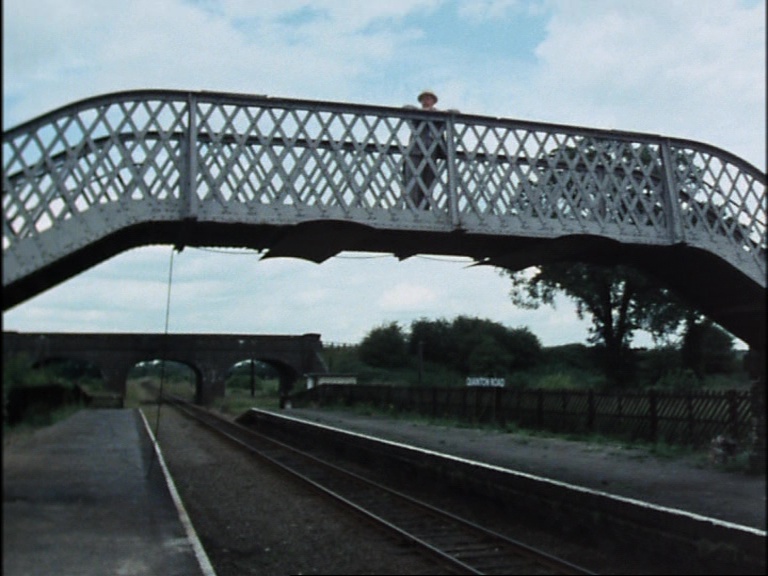
"This is a part of the Metropolitan Railway that's been entirely forgotten. Beyond Aylesbury it lies, in flat fields with huge elms and distant blue hills."
- Capture 105
- 'Now' required
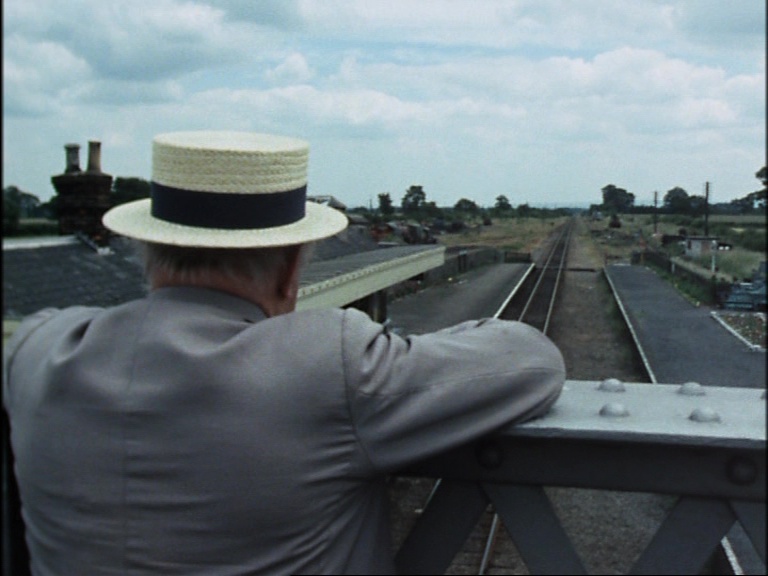
Looking south-east at Quainton Road station on Station Road, Quainton in Buckinghamshire. The location also appears in 'Otley' and 1989's 'The Woman in Black'.
- Capture 106
- 'Now' required
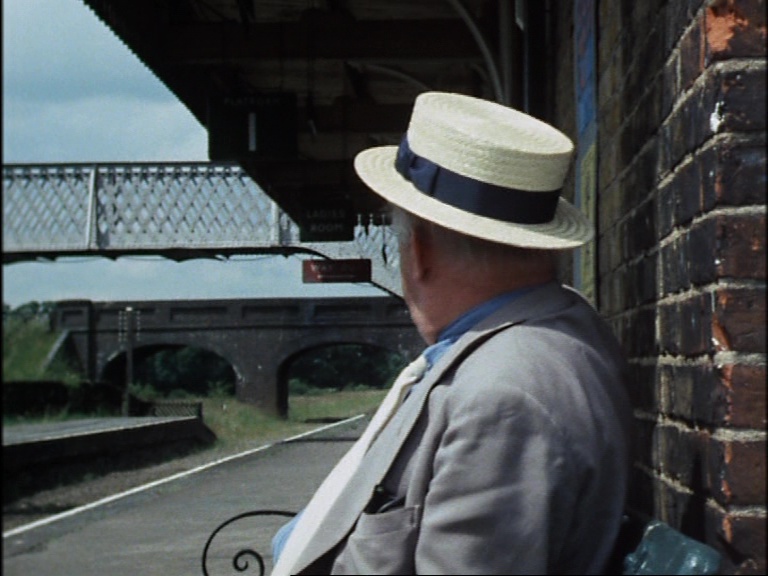
"It was to have been the Clapham Junction of the rural part of the Metropolitan. With what hopes this place was built in 1890. They hoped that trains would run down the main line there from London to the midlands and the north. They'd come from the midlands and the north, rushing through here to London and a Channel tunnel and then on to Paris."
- Capture 107
- 'Now' required
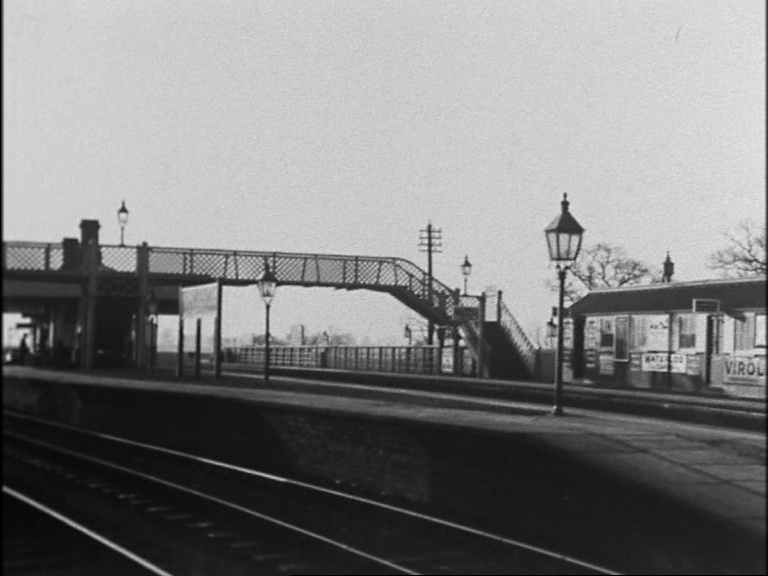
"But, alas, all that's happened is that a line curved away to the last of the Metropolitan stations in the country, in far Buckinghamshire, which was at Verney Junction." Verney Junction station opened in September 1868 and closed just under 100 years later in January 1968 and was located in what became the hamlet of the same name.
- Capture 108
- 'Now' required
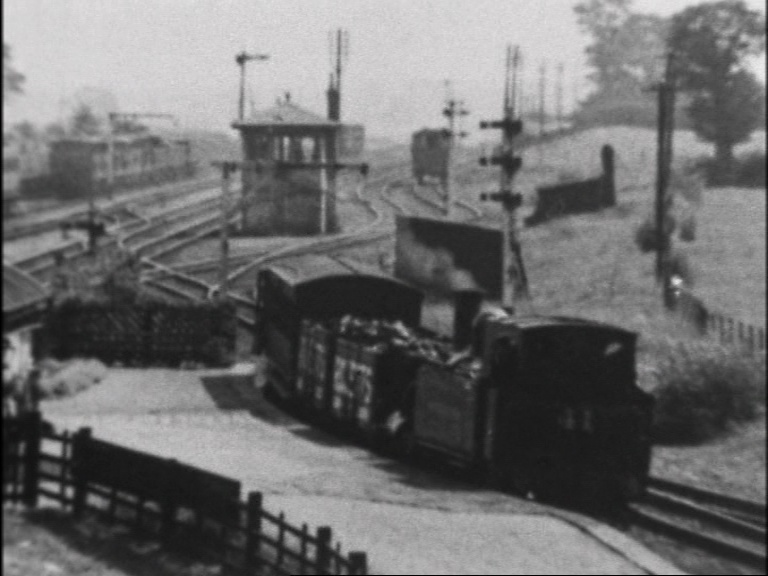
"And I can remember sitting here on a warm autumn evening in 1929 and seeing the Brill tram from the platform on the other side with steam up ready to take two or three passengers through oil-lit halts and over level crossings, a rather bumpy journey, to a station not far from the remote hilltop village of Brill." Quainton Road station in Buckinghamshire.
- Capture 109
- 'Now' required
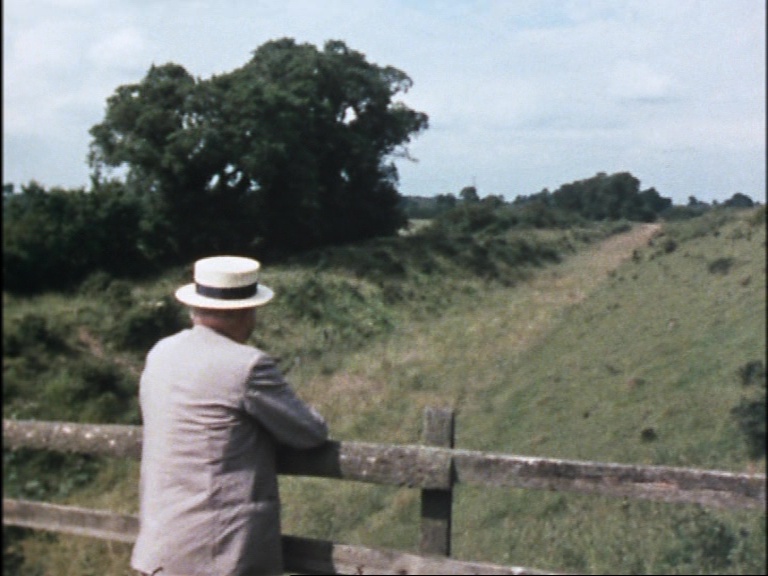
"The houses of Metro-Land never got as far as Verney Junction. Grass triumphs. And I must say I'm rather glad." Shipton Lee to the north-west of Quainton, Buckinghamshire.